
This is a copycat, and I want to say that in the first line rather than the last: outback mac and cheese has never been published by the restaurant, so what follows is a home version reverse engineered from what they serve and what it tastes like.
What they serve is worth getting straight, because two different dishes go by that name. There is the kids’ menu Mac ‘A’ Roo ‘N Cheese, which is the one most people remember, and there is a Steakhouse Mac and Cheese on the adult sides list. Both are mild, glossy and unashamedly smooth, and both versions of outback mac and cheese are built on the kind of cheese that never breaks.
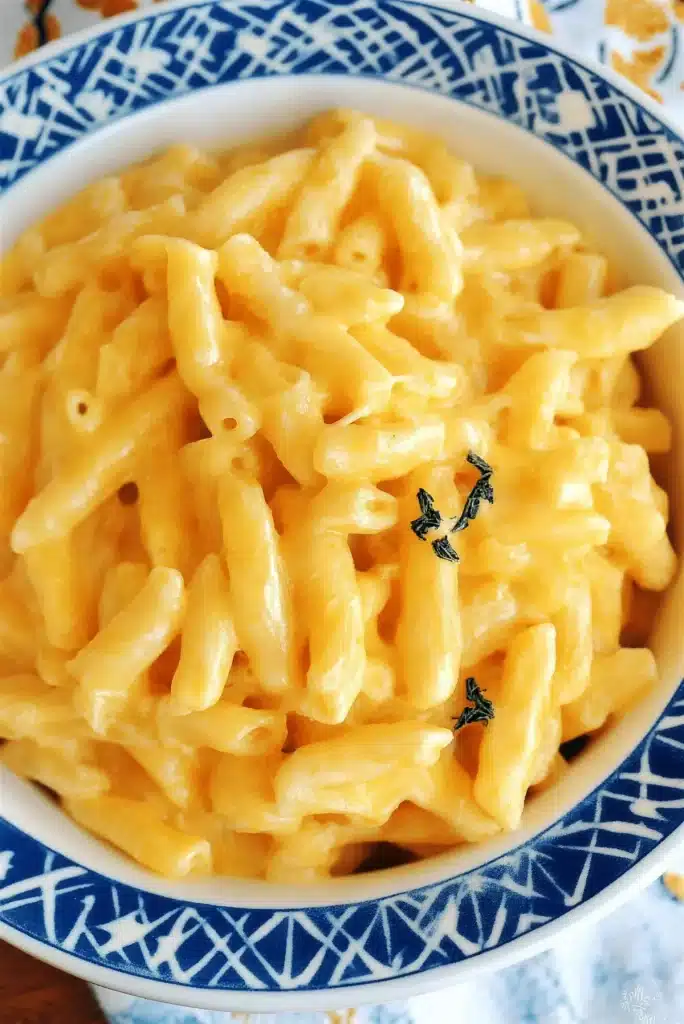
- One pot, one pan, and thirty minutes from cold stove to table
- The sauce cannot split or turn grainy, because of what processed cheese is made of
- Mild enough that children eat it and rich enough that adults finish theirs
- Six ingredients, all of them from a normal supermarket run
- It reheats without seizing, which almost no cheddar sauce does
- Costs about a quarter of what the side dish costs at the table

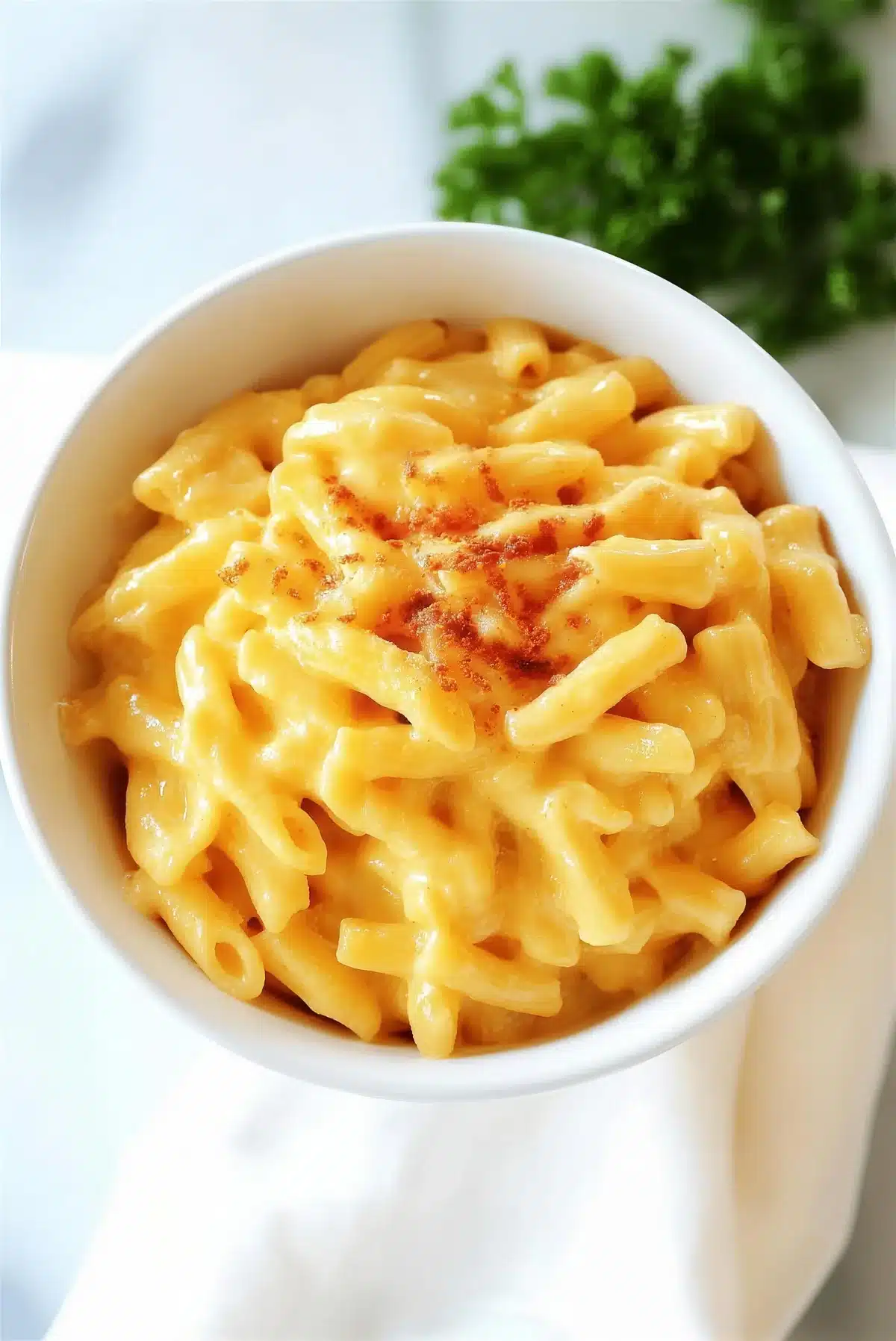
The whole trick to outback mac and cheese is the cheese itself, and the reason is chemistry rather than cooking. Everything else here is a plain white sauce.
- What Outback Actually Serves
- Ingredient Notes
- Why Velveeta Melts Smooth and Cheddar Does Not
- How To Make Outback Mac and Cheese
- How To Tell When Outback Mac and Cheese Is Done
- Make It Ahead
- Storing Outback Mac and Cheese
- Variations and Substitutions
- What to Serve with Outback Mac and Cheese
- Outback Mac and Cheese FAQ
What Outback Actually Serves
Getting this right matters, because most pages about outback mac and cheese quietly merge the two dishes into one.
Mac ‘A’ Roo ‘N Cheese. The kids’ menu item, currently around seven dollars, described by the restaurant as creamy, cheesy pasta made for kids. Small pasta, very mild sauce, no topping.
Steakhouse Mac and Cheese. A Freshly Made Side on the adult menu, around six dollars, and the one people order next to a sirloin. Same family, slightly richer, larger portion.
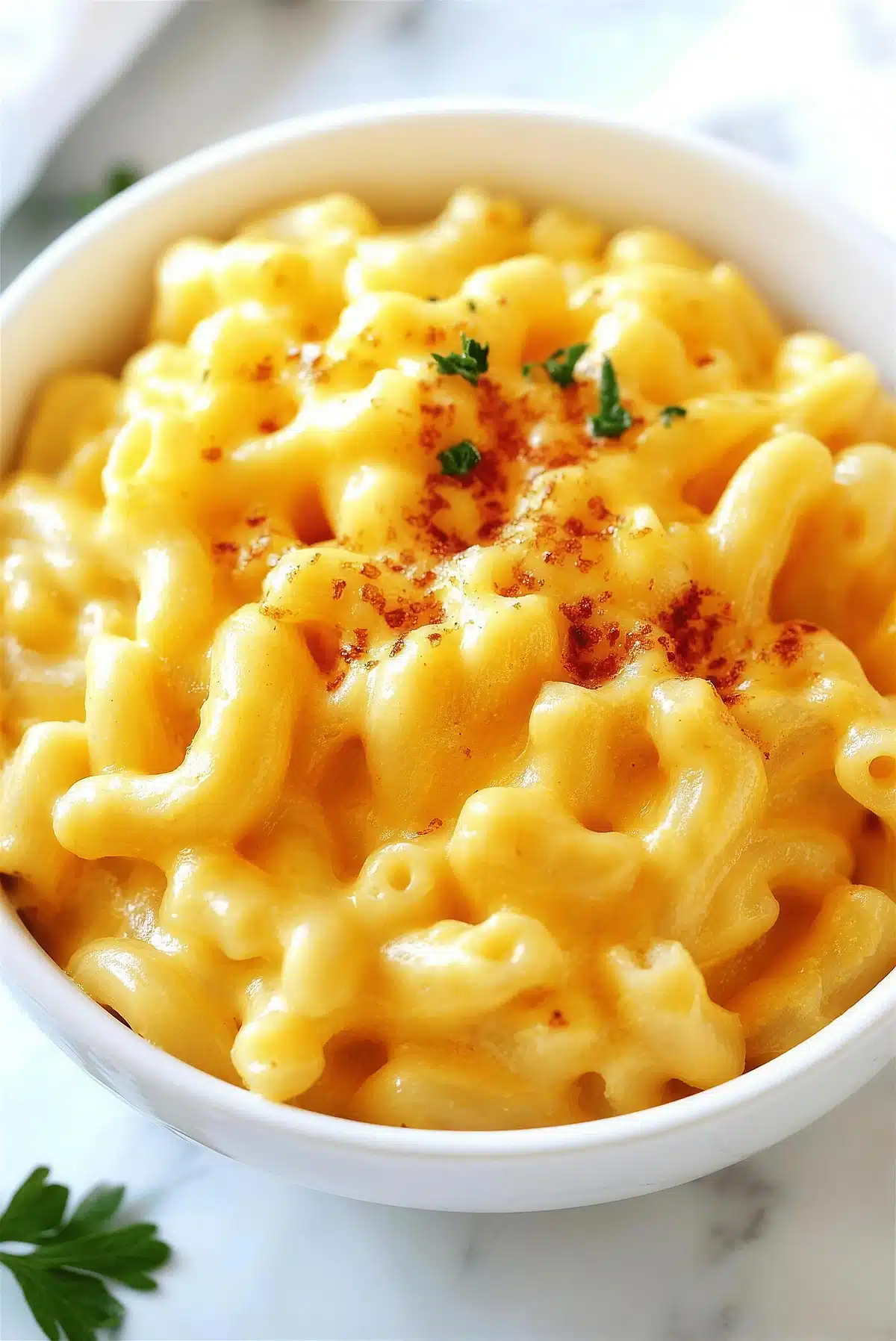
What neither of them is. A baked casserole with a crumb top. Outback mac and cheese arrives stirred and glossy, not browned, which is the single biggest thing home versions get wrong.
Menus change and vary by location, so treat the item names as a snapshot rather than gospel. The recipe below is aimed at the stovetop, glossy, mild character both dishes share.
Save this recipe
Enter your email and I’ll send this recipe straight to your inbox.
Ingredient Notes
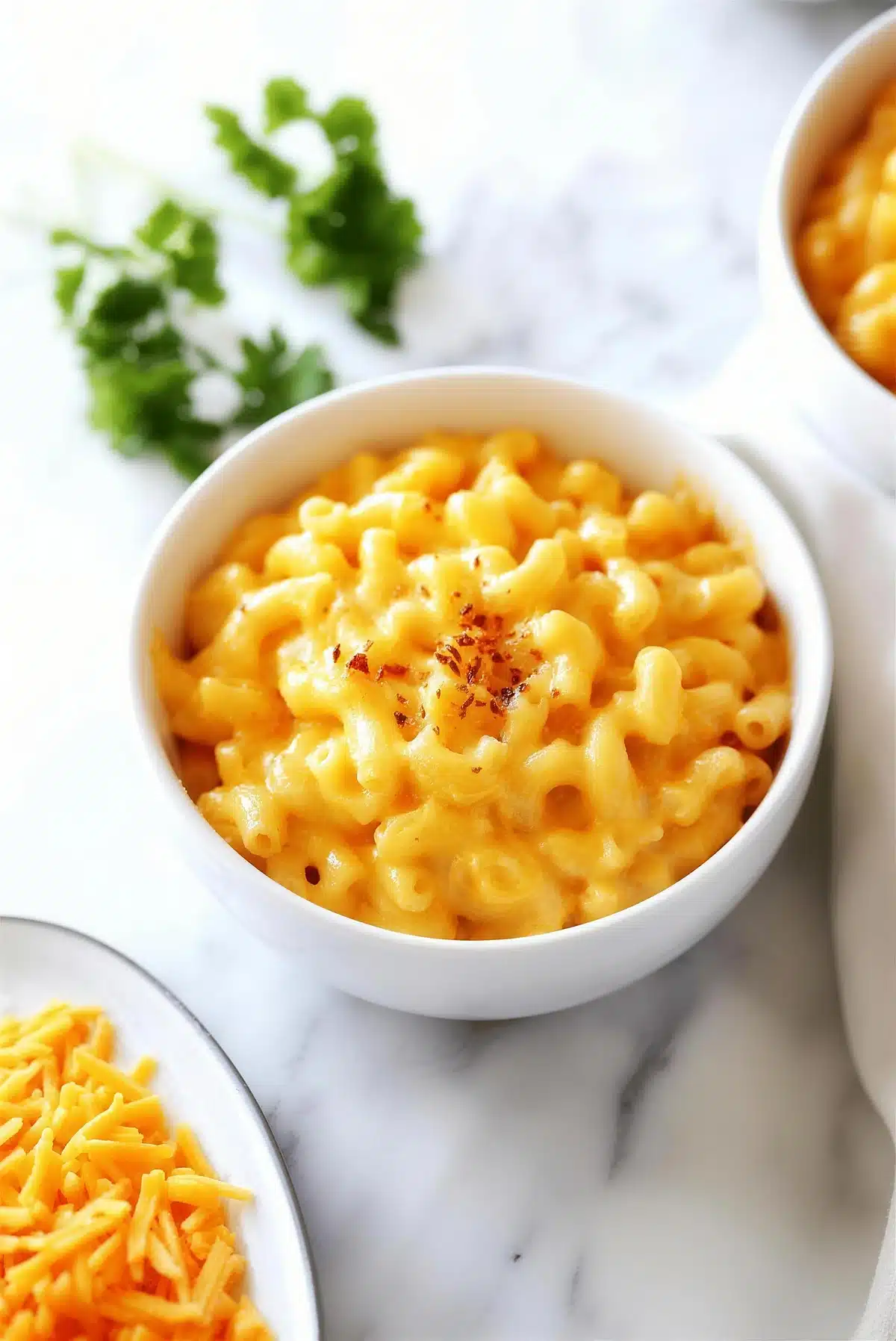
Outback mac and cheese takes six ingredients and no unusual ones. Exact amounts are in the recipe card below.
- Pasta: twelve ounces of elbow macaroni or cavatappi. The restaurant uses a small elbow, and cavatappi is the upgrade, since the corkscrew holds far more sauce per bite. Cellentani, pipette and small rigatoni all work.
- Velveeta: twelve ounces, cubed. This is not a shortcut anyone should apologize for. It is the reason the sauce stays glossy, and no combination of real cheeses reproduces it without extra work.
- Sharp cheddar: half a cup, shredded from a block. Velveeta on its own is very mild, and this is what puts actual cheese flavor back in.
- Whole milk: two and a half cups. Half-and-half makes it richer and closer to the adult side. Skim makes it thin and slightly chalky.
- Butter and flour: two tablespoons of each, cooked into a light roux. The roux is not strictly needed to thicken this, but it stabilizes the sauce for reheating the next day.
- Paprika: half a teaspoon, mostly for color, which is why the restaurant version looks warmer than plain Velveeta ever does.
Shred the cheddar yourself. Bagged shreds are dusted with cellulose to stop them clumping, and that dust is what makes a sauce turn gritty.
Why Velveeta Melts Smooth and Cheddar Does Not
Melt cheddar into hot milk for outback mac and cheese and it usually breaks into stringy curds swimming in oil. Melt Velveeta and it turns into a smooth sauce that stays smooth. That difference is not magic and it is not quality.
Natural cheese holds its casein proteins together with calcium bridges. Heat those proteins and they pull tighter, squeeze out fat and water, and the sauce splits.
Processed cheese has emulsifying salts added, usually sodium citrate or sodium phosphate. PubChem lists trisodium citrate as an emulsifier and sequestrant used as a general purpose food additive, and sequestrant is the operative word. It binds up the calcium, the protein bridges never form, and the casein spreads out and holds fat and water in suspension instead.
That is the whole reason outback mac and cheese has that particular texture, and it is why a restaurant can hold it in a warmer through a dinner service without it turning oily.
You can do the same thing with real cheese by adding a quarter teaspoon of sodium citrate per cup of milk, which is sold as sour salt. It works beautifully. It is also a specialty purchase, and a block of Velveeta is sitting in every supermarket in the country.
How To Make Outback Mac and Cheese
Cube the cheese and measure the milk before the water boils. Outback mac and cheese comes together faster than the pasta drains, and a scramble at the stove is how sauces get scorched.
- First, boil the pasta in well salted water and pull it 1 minute short of the box time, because it keeps cooking in the hot sauce.
- Next, melt the butter in a wide saucepan, whisk in the flour, and cook it for a full minute so the sauce does not taste of raw flour.
- Then pour the milk in gradually, whisking hard after each addition, and bring it to a bare simmer until it coats the back of a spoon.
- After that, drop the heat to low and add the cubed Velveeta a handful at a time, stirring until each addition disappears before the next goes in.
- Finally, take the pan off the heat, stir in the cheddar, the paprika and the salt, then fold the drained pasta through and serve it immediately.
Getting the Sauce to the Right Thickness
Finished outback mac and cheese should pour off a spoon in a thick, unbroken stream and coat the pasta without pooling in the bottom of the bowl.
It will look slightly too loose in the pan. That is correct, because the pasta keeps absorbing liquid for several minutes after it goes in, and a sauce that looks perfect in the saucepan will be stiff on the plate.
Too thick is fixed with a splash of warm milk, off the heat, stirred in a little at a time. Too thin is fixed by letting it sit for three minutes rather than by adding more cheese.
Reserve half a cup of the pasta water before you drain. Starchy water loosens a stiff sauce without diluting the flavor the way plain milk does.
How To Tell When Outback Mac and Cheese Is Done
There is no browning to watch for in outback mac and cheese, so the tests are all about texture.
The cheese. Every cube gone, no lumps against the whisk, and the surface glossy rather than matte. A matte, slightly grainy look means the pan got too hot.
The pasta. Tender with the faintest resistance. Fully soft pasta going into hot sauce comes out mushy two minutes later.
The spoon. Drag a spoon through the pan and the trail should close over slowly. If it closes instantly the sauce is too thin, and if it stays open it is already too thick.
Serve it within about ten minutes. Outback mac and cheese is at its best straight out of the pan, and while it reheats better than most, the first bowl is always the best one.
Make It Ahead
Outback mac and cheese does not improve overnight, but it can be staged so that dinner takes five minutes.
Make the cheese sauce up to two days ahead and refrigerate it in a sealed jar. It sets to the consistency of cold custard and comes back with gentle heat and a splash of milk.
Cook the pasta ahead, toss it with a teaspoon of oil so it does not weld together, and keep it refrigerated for up to two days. Warm it in the sauce rather than reheating it separately.
Do not combine them and hold the finished dish warm for an hour. The pasta keeps drinking the sauce and you end up with something closer to a casserole than to what the restaurant serves.
Storing Outback Mac and Cheese
- Refrigerator: up to 4 days in a sealed container. It sets firm when cold, which is normal and reverses completely with heat.
- Reheating: on the stove over low heat with a splash of milk, stirring. Two minutes of patience beats a microwave, which cooks the edges before the middle moves.
- Freezer: up to 2 months, and this is the rare cheese sauce that survives it, again thanks to the emulsifying salts.
- Thawing: overnight in the refrigerator, then reheat gently with milk. Thawing on the counter gives you a watery layer that never fully reincorporates.
- Portion before freezing. Single servings thaw evenly, and a frozen brick of it heats unevenly no matter how carefully you go.
Variations and Substitutions
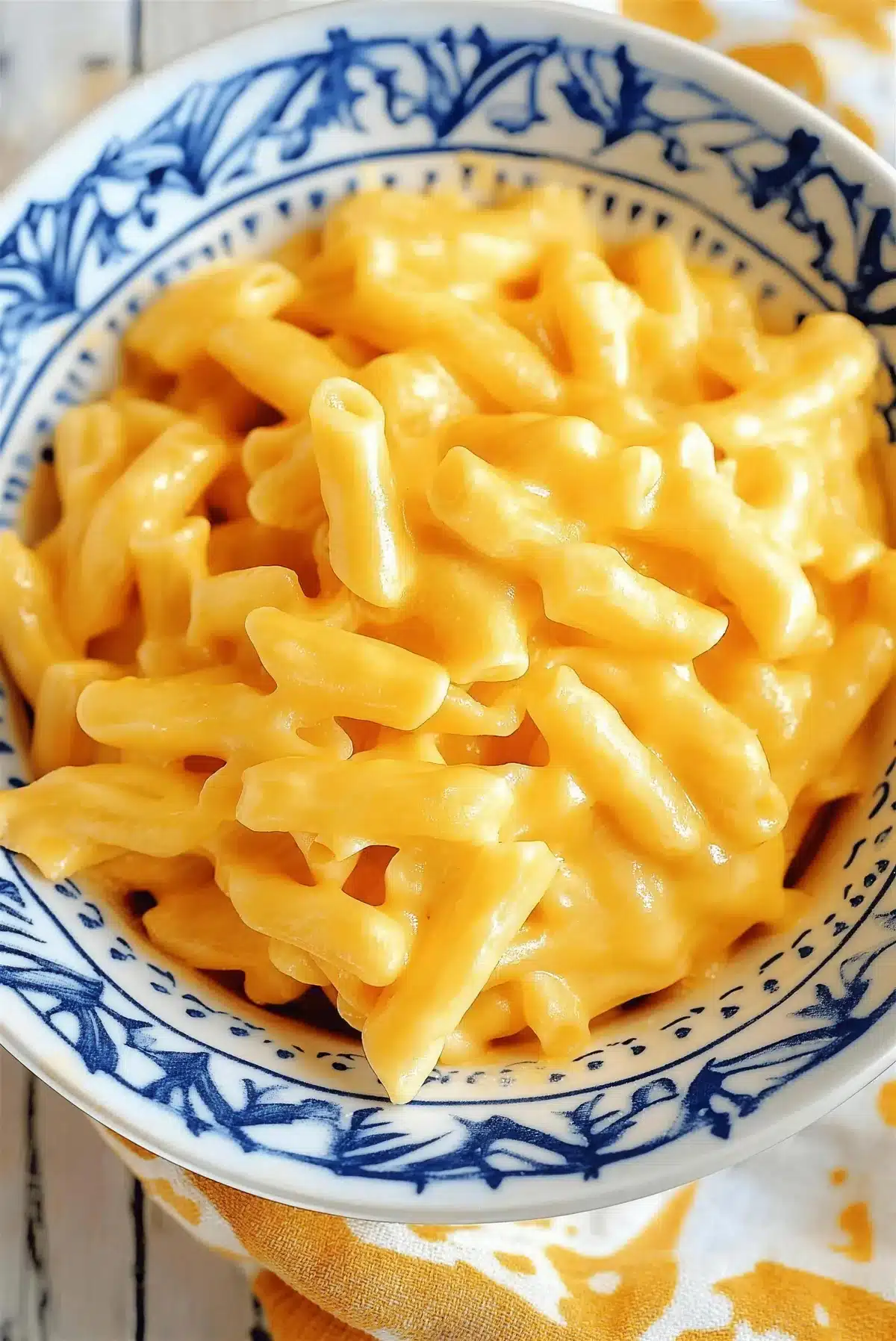
In outback mac and cheese the pasta, the milk and a cheese carrying emulsifying salts are structural. Everything else can move.
- Baked: tip it into a dish, top with buttered panko and broil for three minutes. Not what the restaurant serves, and very good anyway.
- Bacon and scallion: six rashers, crisped and crumbled, with sliced scallion greens. The closest thing to a loaded steakhouse side.
- Without Velveeta: a pound of white American from the deli counter behaves almost identically and tastes cleaner.
- Spicy: a diced jalapeno softened in the butter, or a tablespoon of the adobo from a can of chipotles.
- Extra sharp: raise the cheddar to a full cup and drop the Velveeta to eight ounces, which is as far as you can push flavor before the sauce starts to break.
- Lobster or brisket: fold either through at the end, which is what most steakhouses do to justify charging fourteen dollars for it.
What to Serve with Outback Mac and Cheese
Outback mac and cheese is a side dish pretending to be a main, so treat it as one and put something with a crust or an edge next to it.
- Steak, obviously, and slow cooker steak and potatoes if you want the whole plate to cook itself.
- Something acidic and green. A sharp vinaigrette on plain leaves does more for this plate than another vegetable in butter.
- Alongside Monterey chicken, which is the same family of restaurant comfort food.
- With cheesy scalloped zucchini if you are feeding a crowd and only have one oven.
- Or under a fried egg the next morning, which is the correct use of the container in the refrigerator.
Here is what readers ask most often.
Outback Mac and Cheese FAQ
Frequently Asked Questions
What kind of cheese is in Outback mac and cheese?
The restaurant has never published the recipe, so nobody outside the company can tell you the exact blend. What the texture tells you is that a processed cheese is doing the heavy lifting, because natural cheddar alone will not hold a smooth sauce through a dinner service. Copycat versions almost universally land on Velveeta or deli white American for that reason, usually with a little sharp cheddar added for flavor. That is the combination used here, and it is the closest a home kitchen gets without buying sodium citrate.
Is it only on the kids menu?
No. The kids’ menu carries Mac ‘A’ Roo ‘N Cheese, and the adult Freshly Made Sides list carries a Steakhouse Mac and Cheese, so you can order a full portion without borrowing a child. Prices sit around seven and six dollars respectively, though both the pricing and the lineup vary by location and change over time. Adults ordering the kids’ version is common enough that servers do not blink.
What pasta does Outback use?
A small elbow macaroni, judging by what arrives at the table and by the menu description. Copycat recipes online use everything from cellentani to penne to small rigatoni, which is partly why they all look different in photographs. Any short shape with ridges or a curl holds this sauce well, and cavatappi is the one I would pick if the goal is the best bowl rather than the most faithful one.
More Questions About the Copycat
Frequently Asked Questions
Can I make it without Velveeta?
Yes. Deli white American cheese is the best swap, since it contains the same emulsifying salts and tastes cleaner. Failing that, use a pound of medium cheddar plus a quarter teaspoon of sodium citrate per cup of milk, whisked in before the cheese. Straight cheddar with no help will taste better and split within a few minutes of coming off the heat.
Why did my cheese sauce turn grainy?
Almost always heat. Once cheese is in the pan the sauce must not bubble, and a rolling simmer will squeeze the fat out of even a processed cheese. The other culprit is bagged shredded cheddar, which is coated in cellulose or potato starch to keep the shreds separate and leaves a fine grit behind. Shred from a block and keep the burner low.
Can I bake this instead?
You can, though it stops being a copycat at that point, since the restaurant serves it stirred rather than browned. If you want a crust, spread it in a shallow dish, scatter buttered panko over the top and run it under a hot broiler for about three minutes. Do not bake it for half an hour, because the pasta will drink the sauce and the top will set into a skin.
Make it once and the twelve dollar side dish stops being tempting. For another restaurant plate that is easier at home than it looks, try my Olive Garden lasagna classico.
Outback Mac and Cheese
Save this recipe
Enter your email and I’ll send this recipe straight to your inbox.
Ingredients
For the Pasta
- 12 ounces elbow macaroni or cavatappi, cellentani or small rigatoni
- 1 tablespoon kosher salt for the pasta water
For the Cheese Sauce
- 2 tablespoons unsalted butter
- 2 tablespoons all-purpose flour
- 2 1/2 cups whole milk or half-and-half for a richer sauce
- 12 ounces Velveeta cut into 1/2-inch cubes, or deli white American
- 1/2 cup sharp cheddar cheese shredded from a block, never bagged
- 1/2 teaspoon paprika plus more for the top
- 1/4 teaspoon kosher salt plus more to taste
- 1 pinch white pepper
Equipment
- Large pot
- Medium saucepan
- Whisk
- Wooden spoon or spatula
- Measuring cups
- Measuring spoons
- Colander
Instructions
Cook the Pasta
- First, bring a large pot of water to a rolling boil, add the tablespoon of salt, and cook the macaroni 1 minute short of the time on the box. It carries on cooking once it meets the hot sauce.
- Reserve 1/2 cup of the cooking water before draining. Starchy water is what loosens a stiff sauce later without watering down the flavor.
Build the Sauce
- Next, melt the butter in a wide saucepan over medium heat, whisk in the flour, and cook it for a full minute so the sauce does not taste of raw flour.
- Then pour in the milk gradually, whisking hard after each addition to keep it smooth, and bring it to a bare simmer until it coats the back of a spoon.
Melt the Cheese
- After that, drop the heat to its lowest setting and add the cubed Velveeta a handful at a time, stirring until each addition has completely disappeared before the next goes in. The sauce must not bubble again from this point on.
- Pull the pan off the heat and stir in the cheddar, the paprika, the salt and the white pepper until the surface is glossy rather than matte.
Finish and Serve
- Finally, fold the drained pasta through the sauce. It should look a little loose, because the pasta keeps absorbing for several minutes, so add a splash of the reserved pasta water if it has already tightened.
- Serve within about 10 minutes, dusted with a little more paprika. Drag a spoon through the pan first: the trail should close over slowly rather than instantly.