

Get 5 recipes to simplify your life:

easy, delicious, real food recipes

Latest Recipes

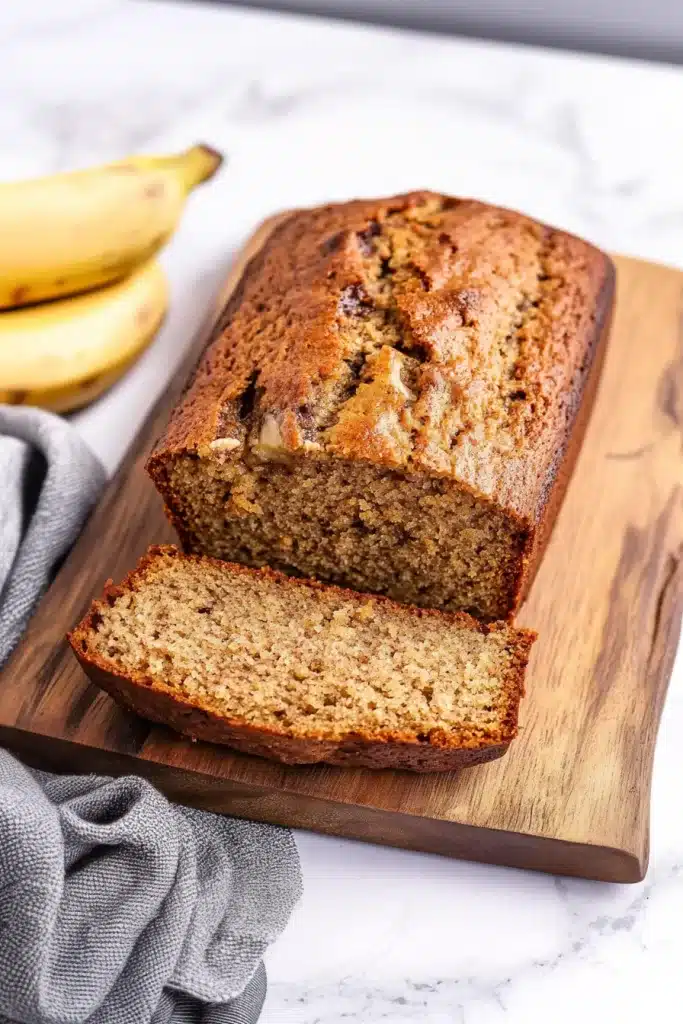
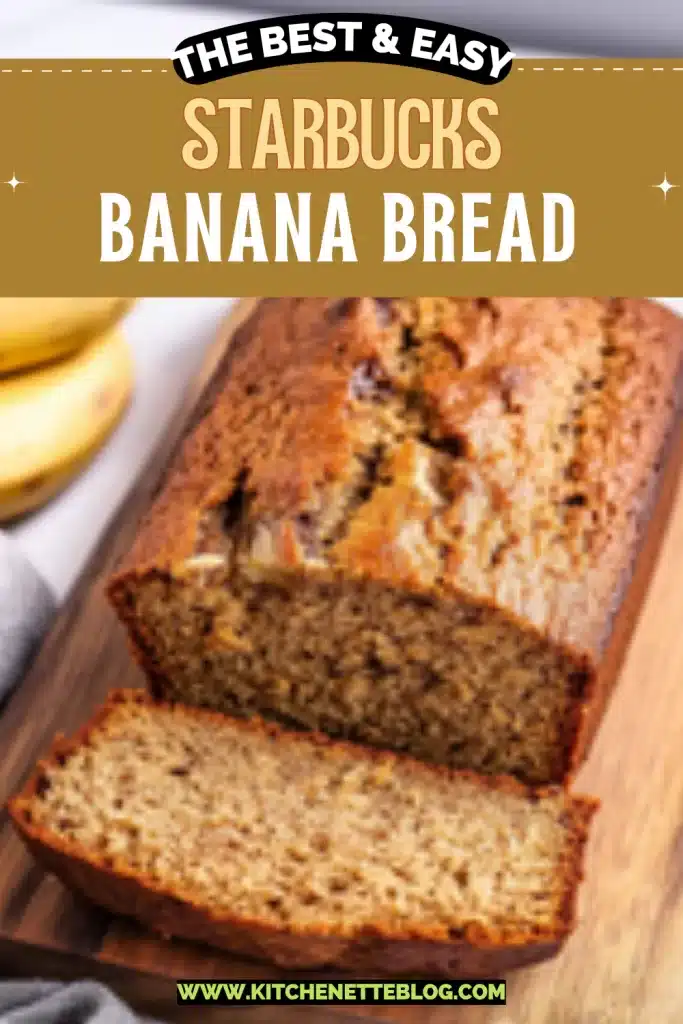
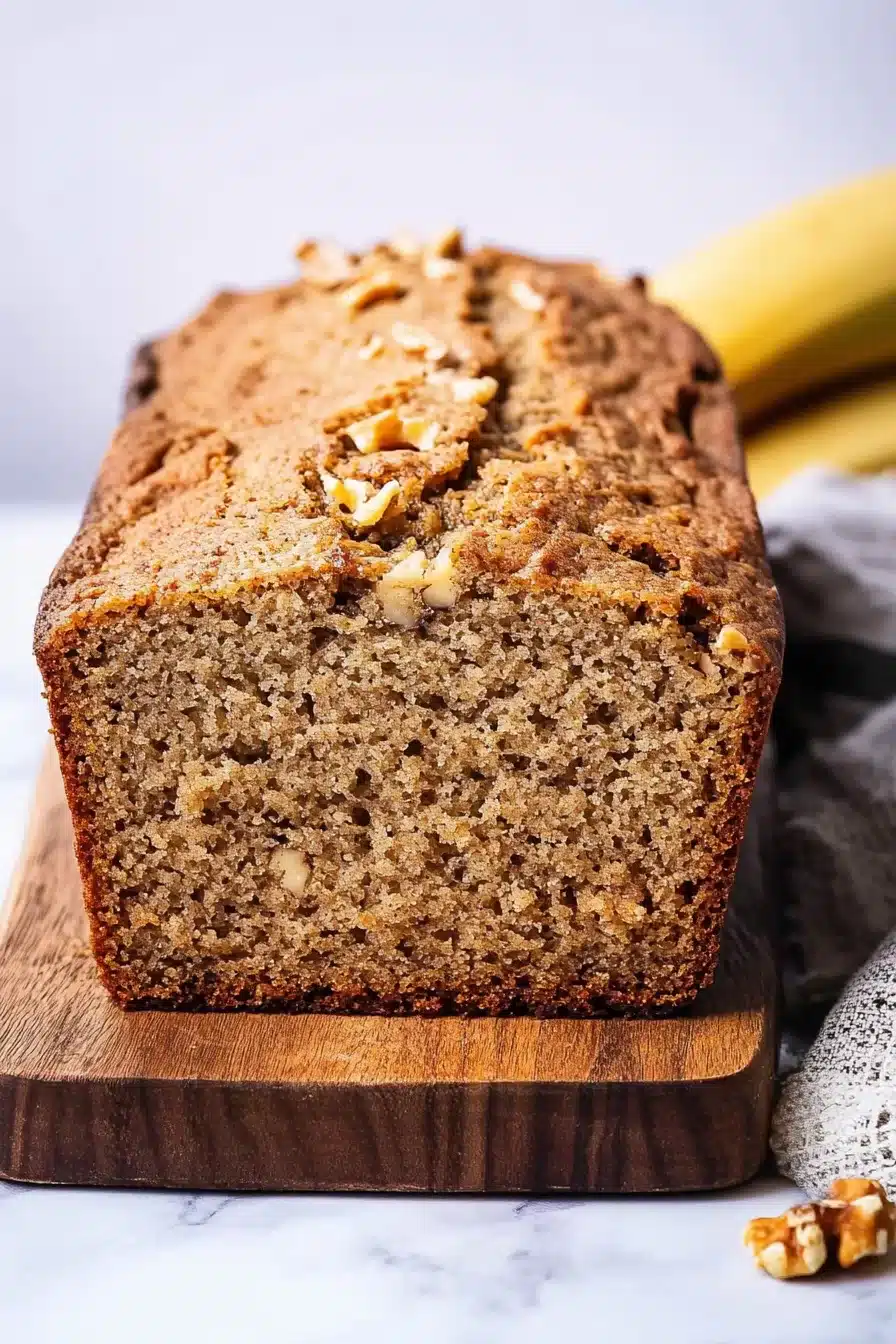
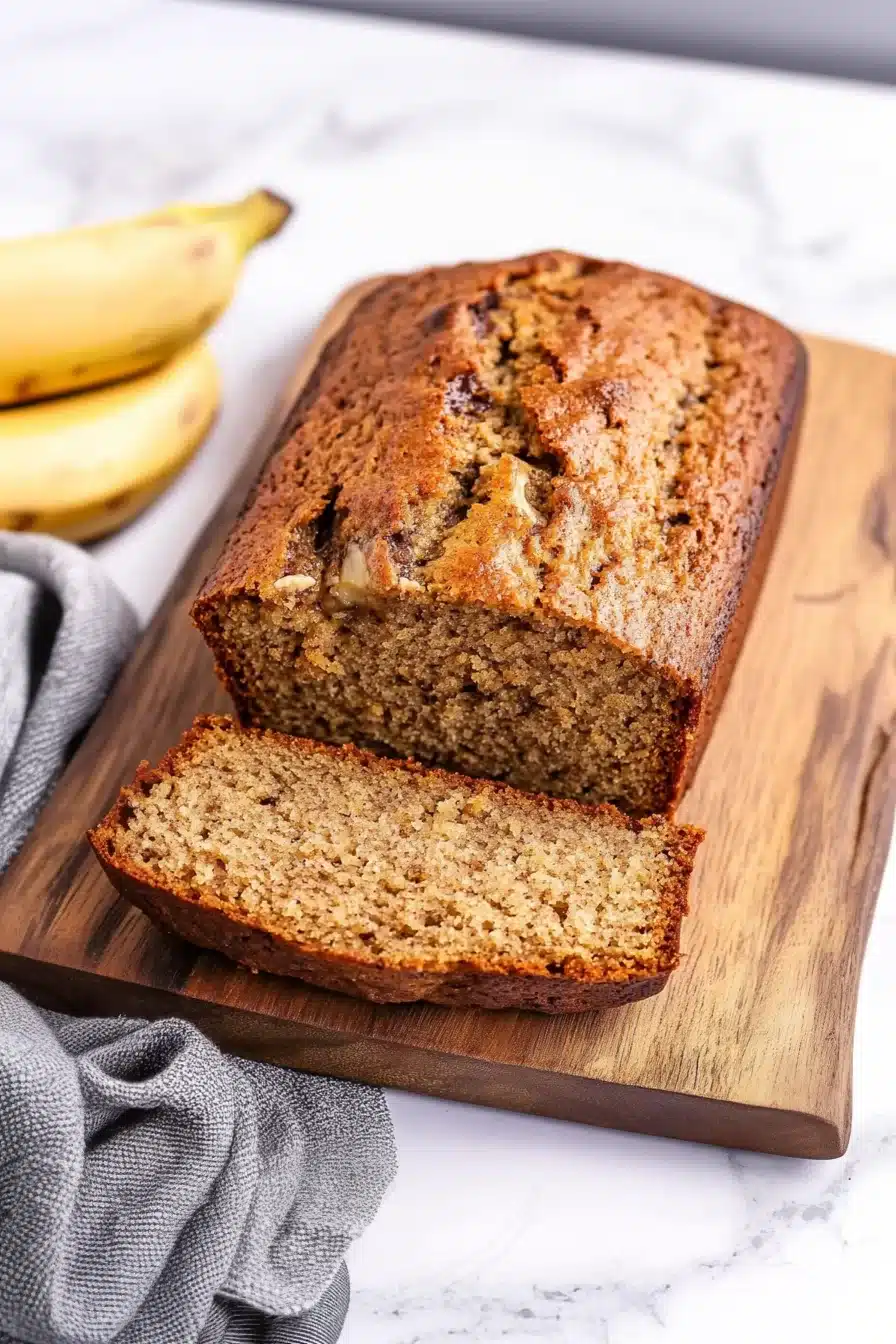
Buttery bananas, toasted walnuts, a hint of vanilla—this Starbucks banana bread is everything you love about the coffee shop version, minus the to-go bag. With just ripe bananas, sugar, flour, eggs, oil, and walnuts, your kitchen is about to smell downright glorious.

There’s something wildly comforting about making banana bread. Maybe it’s the smell—sweet and nutty, like a warm hug from your oven. Or maybe it’s knowing that you’re transforming those neglected brown bananas into something downright magical (and, yes, snack-worthy). This one is true to that rich, moist classic you’d spot behind the glass at Starbucks, with those sweet easy-to-slice edges and crunchy walnut top.

Perfect warm with a slather of butter… or cold from the fridge while you casually stand over the sink. No judgment. Either way, you’re gonna want to keep this one close.
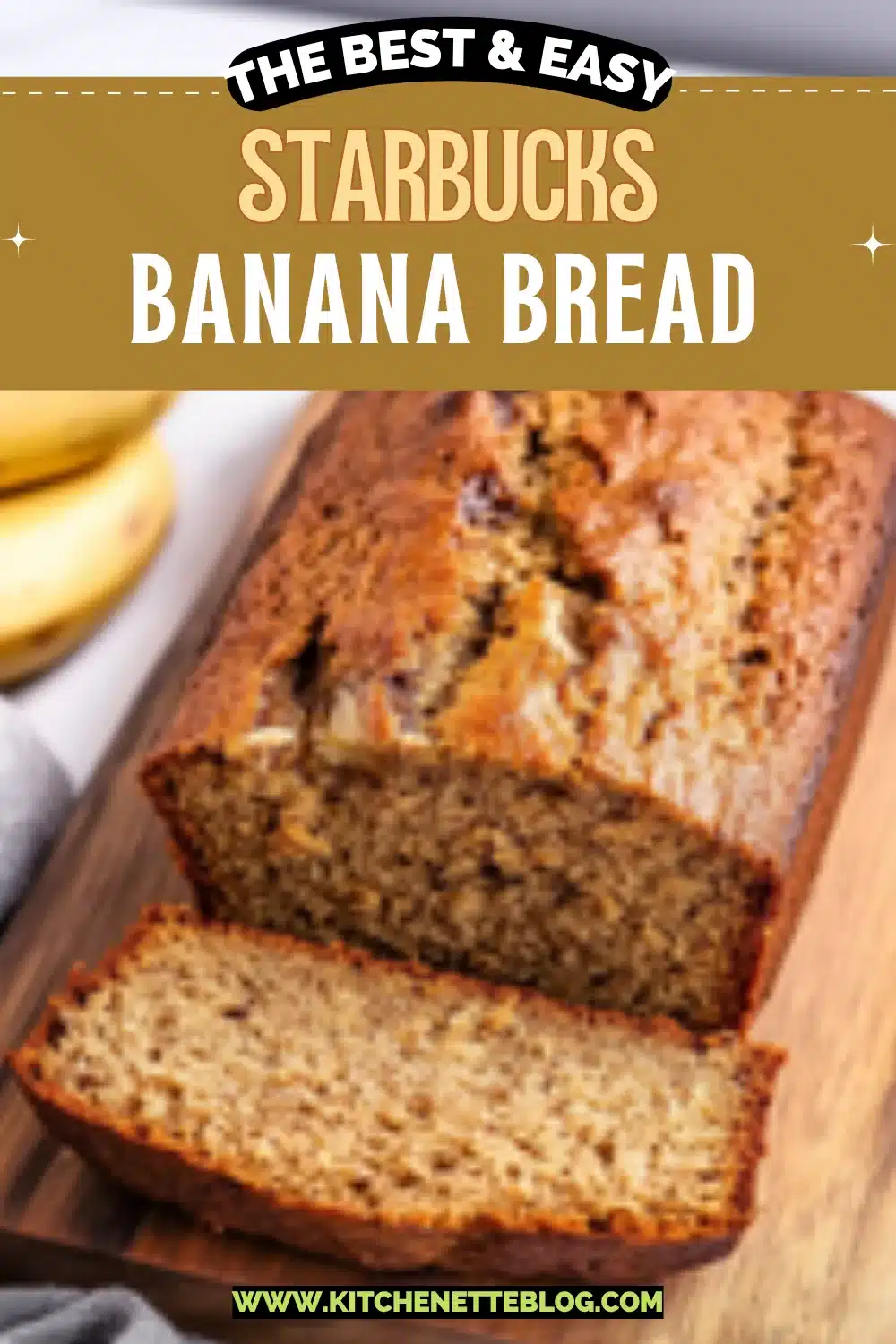
Table of Contents

Starbucks Banana Bread

Why You’ll Love this Starbucks Banana Bread

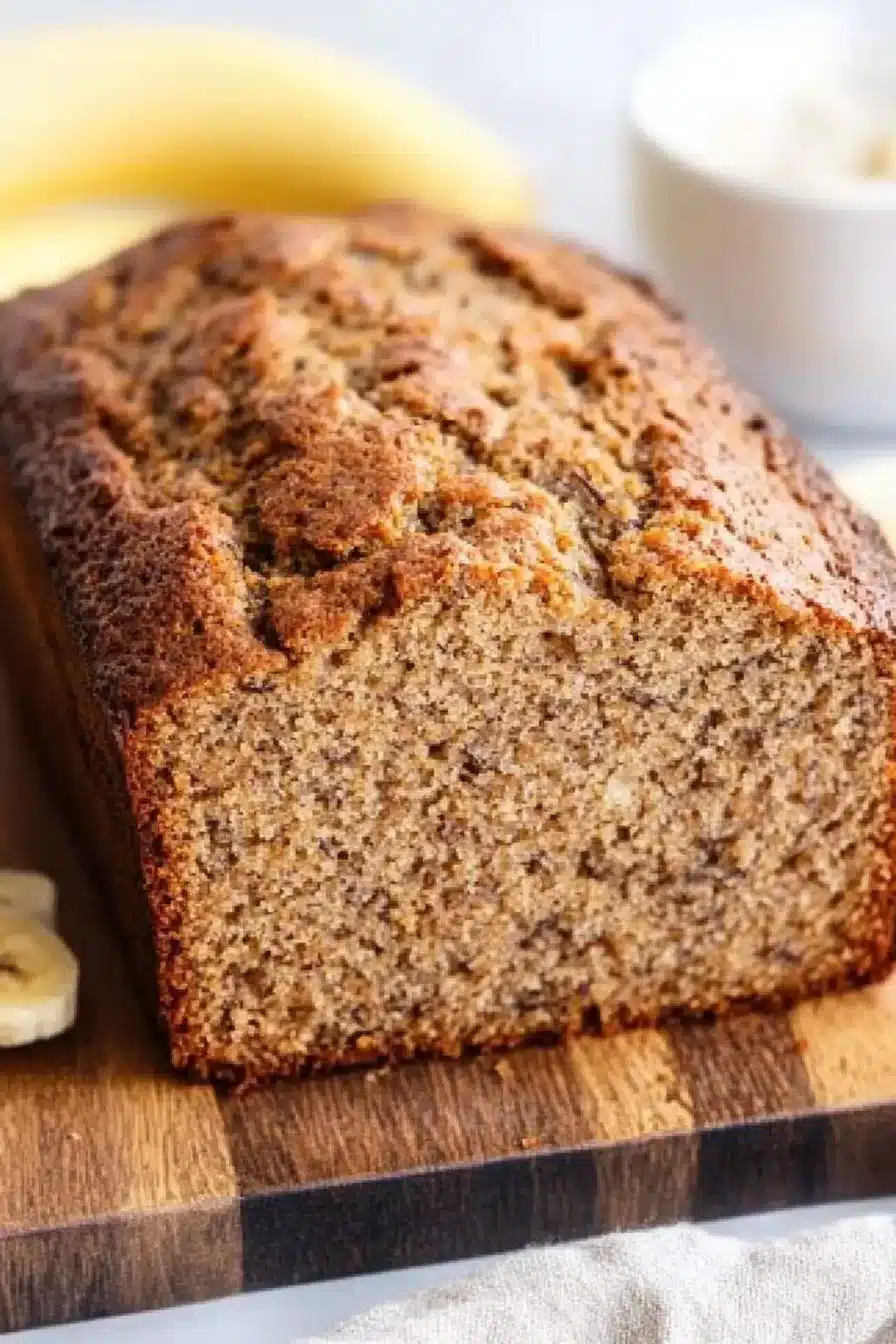
It’s banana bread—of course it’s lovable. But this one? This one hits differently. No fancy gadgets, no secret ingredients (unless you count the gentle chaos of three overly ripe bananas). Just wonderfully moist texture, a nutty crown, and cozy café vibes in your own kitchen.

  • Ridiculously simple to make: You stir a few bowls, mash a few bananas, and the oven does most of the actual work.
  • Deep banana flavor: You’ll really taste the bananas because there’s nothing to hide them—no extra spices or distractions.
  • Walnut lovers, rejoice: There are chopped walnuts inside and a sprinkle on top for a toasty crunch.
  • Moist, tender crumb: Thanks to the oil and buttermilk combo, each slice stays soft without being greasy.
  • Smells like a dream: That warm banana-vanilla smell wrapping around you while it bakes? Pretty sure heaven is scented like this.
Starbucks Banana Bread

Ingredient Notes

Short and sweet (just like the ingredient list). Here’s what’s going in, and why it matters.

  • Flour: All-purpose flour works great here. It creates a tender structure and helps balance all the moisture from the bananas.
  • Baking soda: This gives your loaf its rise and soft crumb. Do check the date—old baking soda means sad, dense bread.
  • Salt: Just a pinch, but it brings out all the flavors, especially the banana.
  • Egg: One is plenty to bind everything nicely. For best results, let it come to room temp.
  • Sugar: Regular white sugar keeps things sweet and classic. No need for brown sugar here—simplicity wins.
  • Vegetable oil: Helps keep the bread extra moist without overwhelming any of the flavors.
  • Buttermilk: Adds the tiniest bit of tang and makes the crumb incredibly soft. You can sub lemon juice + milk if needed.
  • Vanilla extract: Adds warmth and rounds out the sweetness—just a dash makes a big difference.
  • Bananas: The riper the better. Think spotty, even blackened. If they’re fragrant and a little mushy, they’re perfect.
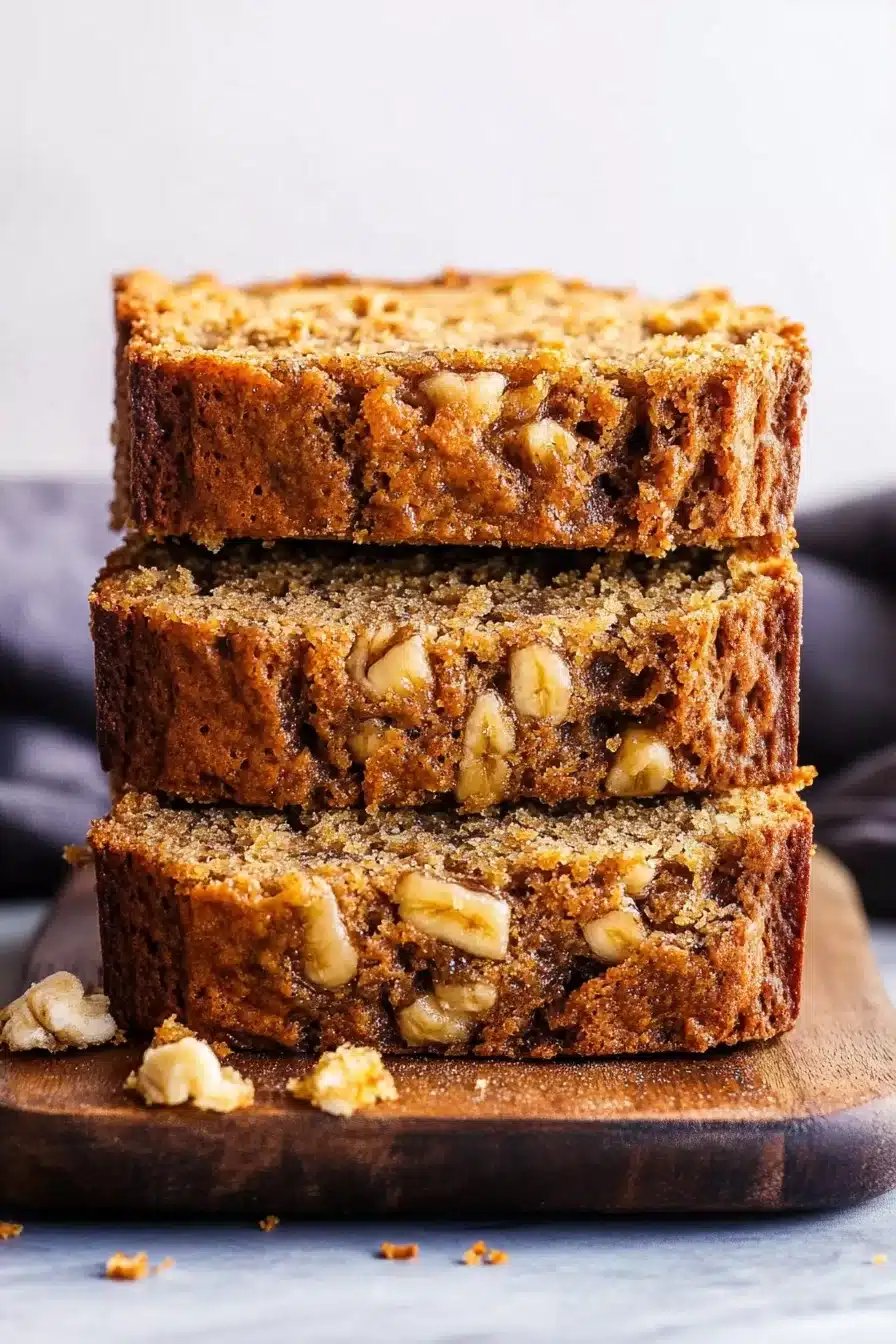
  • Walnuts: You’ll stir them in and sprinkle them on top. Toast them first if you like extra flavor and crunch.
Starbucks Banana Bread

How To Make This Starbucks Banana Bread

Okay, let’s get banana-bready. This process is relaxed, forgiving, and totally doable even if your brain’s half-asleep. Which is usually when I want banana bread anyway.

  • Preheat and prep your pan: Start by setting the oven to 325°F. Grease a standard loaf pan and give it a little flour dusting so nothing sticks.
  • Mix the dry ingredients: In a medium bowl, sift together your flour, baking soda, and salt. This avoids clumps and keeps things light.
  • Whisk the wet base: In a large mixing bowl, combine the egg, sugar, and oil. Stir, don’t beat. You just want it all mixed and glossy-ish.
  • Combine wet and dry: Gently stir in the dry ingredients. No need to over-mix—we want tender, not tough.
  • Add moisture-makers: Now fold in the buttermilk, vanilla, and mashed bananas. Don’t worry if it looks slightly lumpy. That’s banana bread, baby.
  • Stir in walnuts: Fold in half a cup of the chopped walnuts. Save the rest—they’re for a crunchy topping.
  • Get it in the oven: Pour the batter into your prepped loaf pan. Smooth the top a bit, then sprinkle with the remaining walnuts.
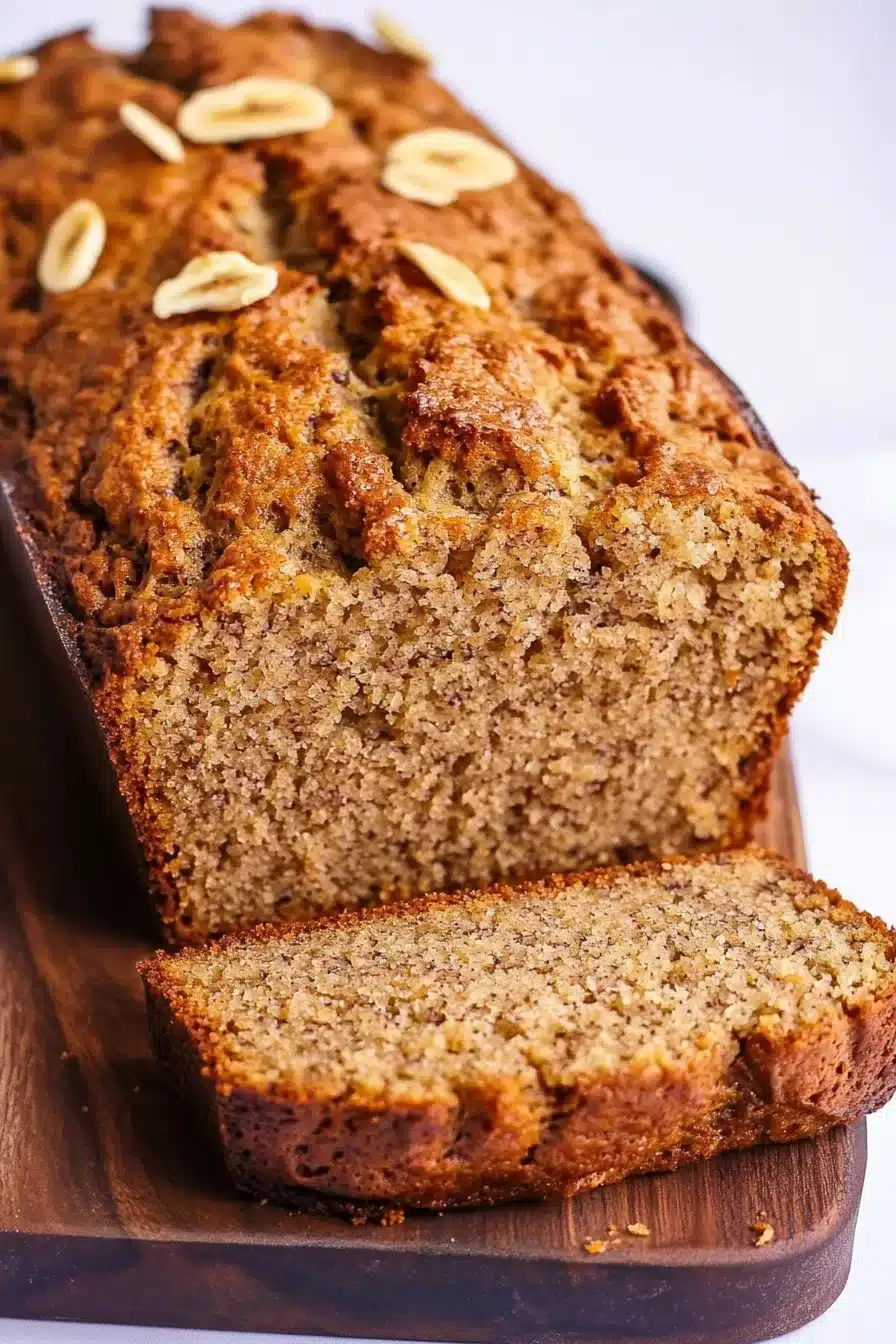
  • Bake ‘til golden and dreamy: It’ll take 45 to 60 minutes. Every oven is different, so start testing at 45 with a toothpick. A few moist crumbs clinging is okay.
  • Cool it down: Let it sit for 10 minutes in the pan, then lift it onto a wire rack. Cool completely before slicing. Or don’t wait. I get it.
Starbucks Banana Bread

Storage Options

Let’s talk leftovers—assuming you somehow don’t eat the whole loaf in one sitting (been there).

Once it’s cooled, wrap your banana bread tightly in plastic wrap or stash it in an airtight container. It’ll stay moist and magical at room temp for about three days. After that, pop it in the fridge to stretch it a few more.

Want to freeze it? Oh yes, it freezes beautifully. Wrap individual slices in plastic, then slide them into a freezer bag. That way, you can thaw just one slice at a time (microwave for 30 seconds and ta-da, banana heaven). You can also freeze the whole loaf, just make sure it’s double-wrapped to prevent freezer funk.

Reheating is simple: A quick zap in the microwave or a few minutes in the toaster oven brings back all the soft, warm glory. Slap on some butter while it’s warm and try not to melt yourself.

Variations and Substitutions

Want to mix it up a little? No judgment here. This recipe is super flexible.

  • Nuts out: Skip the walnuts if you’re not a fan, or swap them with pecans, almonds, or heck—chocolate chips.
  • Dairy-free: Use almond milk with a splash of lemon juice instead of buttermilk, and make sure your oil and vanilla are dairy-free too.
  • Oil swap: You can use melted butter if you’d rather. It’ll add a rich flavor but might make the crumb slightly denser.
  • Sweet tooth tweak: Stir in a handful of white or dark chocolate chips for a dessert-y loaf. Keep them away from the top so they don’t burn.
  • Fruit twist: Try folding in chopped dates or dried cranberries if you’re feeling fancy. Go light—too much and it gets soggy.
Starbucks Banana Bread

What to Serve with Starbucks Banana Bread

Banana bread’s a solo act most days, but every now and then it’s fun to build a breakfast (or snack plate) around it.

  • Pair it with some strong coffee and thick Greek yogurt with honey on the side for a low-effort, high-reward breakfast spread. You’ll feel like you’re having brunch at a café… in socks.
  • Serve it with a cozy bowl of soup or stew. Sounds weird? Hear me out. The slightly sweet bread’s a great sidekick to something savory and warm, like this chicken and dumplings situation.
  • Slice it, toast it lightly, then smear with almond butter and a pinch of flaky salt. Add some sliced strawberries if you’re feeling extra.
  • For a casual party or picnic, cut the loaf into thick cubes, add toothpicks, and serve it as finger food next to savory bites like antipasto squares. Yes, banana bread and meat-cheese squares can coexist.
Starbucks Banana Bread

Frequently Asked Questions

Can I use frozen bananas for this recipe?

Yes, frozen bananas work beautifully! Just thaw them completely and drain any excess liquid. They’ll look gross and mushy, but trust me, that’s the sweet flavor-packed goo you want. And they mash up like a dream.

What if I don’t have buttermilk?

No worries at all. Just add 1/2 tablespoon of lemon juice or white vinegar to 2 tablespoons of regular milk. Let it sit for 5 minutes and bam, instant buttermilk swap. It helps with tenderness and flavor, so don’t skip it entirely.

How do I know when banana bread is done?

Start testing at 45 minutes. Stick a toothpick into the center—if it comes out clean or with a few sticky crumbs, it’s good to go. If it’s still batter-y, give it another 5 to 10 minutes and test again. The top should be golden and firm.

Can I make this without nuts?

Absolutely. Just leave out the walnuts altogether, no need to replace them unless you want to. You could sub in chocolate chips, seeds, or dried fruit if you’re into that. Or keep it classic and smooth—still delicious either way.
Starbucks Banana Bread

Starbucks Banana Bread

Prep Time 15 minutes
Cook Time 55 minutes
Total Time 1 hour 15 minutes
Buttery bananas, toasted walnuts, and a hint of vanilla make this Starbucks-style banana bread rich, moist, and full of cozy coffee-shop vibes. The simple, classic recipe brings you a tender crumb, deep banana flavor, and a crunchy walnut topping—all in your own kitchen.
10 slices

Ingredients

Dry Ingredients

  • 1 1/2 cups (190 g) all-purpose flour
  • 1 tsp baking soda
  • 1/2 tsp (0.5 tsp) salt

Wet Ingredients

  • 1 large egg room temperature preferred
  • 3/4 cup (150 g) granulated sugar
  • 1/2 cup (120 ml) vegetable oil

To Fold In

  • 2 tbsp (30 ml) buttermilk or 2 tbsp milk + 1/2 tbsp lemon juice
  • 1 tsp vanilla extract
  • 3 (300 g) ripe bananas about 1 1/4 cups mashed, very ripe
  • 3/4 cup (85 g) walnuts chopped, divided; toasted if desired

Equipment

  • Loaf Pan
  • Mixing bowls
  • Whisk
  • Rubber spatula
  • Wire rack

Instructions
 

  1. Preheat your oven to 325°F (165°C). Grease and lightly flour a standard loaf pan for easy removal.
  2. In a medium bowl, sift together the flour, baking soda, and salt. Set aside.
  3. In a large bowl, whisk the egg, sugar, and vegetable oil until well combined and glossy. No need to beat—just mix until smooth.
  4. Stir the dry ingredients into the wet mixture gently. Mix until just combined—avoid over-mixing for a tender loaf.
  5. Fold in the buttermilk, vanilla extract, and mashed bananas. If your batter looks a bit lumpy, that's totally normal.
  6. Gently fold in half of the chopped walnuts (about 3/8 cup), reserving the rest for topping.
  7. Pour the batter into the prepared loaf pan, smoothing the top. Sprinkle the remaining walnuts evenly over the top.
  8. Bake in the preheated oven for 45–60 minutes, or until the loaf is golden and a toothpick inserted in the center comes out clean or with just a few damp crumbs.
  9. Cool in the pan for 10 minutes, then transfer to a wire rack to cool completely before slicing—if you can wait that long!


Notes

Let banana bread cool fully for the neatest slices. Store at room temperature, tightly wrapped, for 3 days; refrigerate up to a week, or freeze slices up to 3 months. Variations: Swap walnuts for pecans, add chocolate chips, or leave the nuts out entirely for a classic smooth loaf. Dairy-free? Use milk alternative with lemon juice instead of buttermilk.

Nutrition

Calories: 290kcal | Carbohydrates: 39g | Protein: 4g | Fat: 14g | Saturated Fat: 1.5g | Cholesterol: 15mg | Sodium: 220mg | Potassium: 140mg | Fiber: 2g | Sugar: 15g | Vitamin A: 40IU | Vitamin C: 3mg | Calcium: 20mg | Iron: 1.4mg

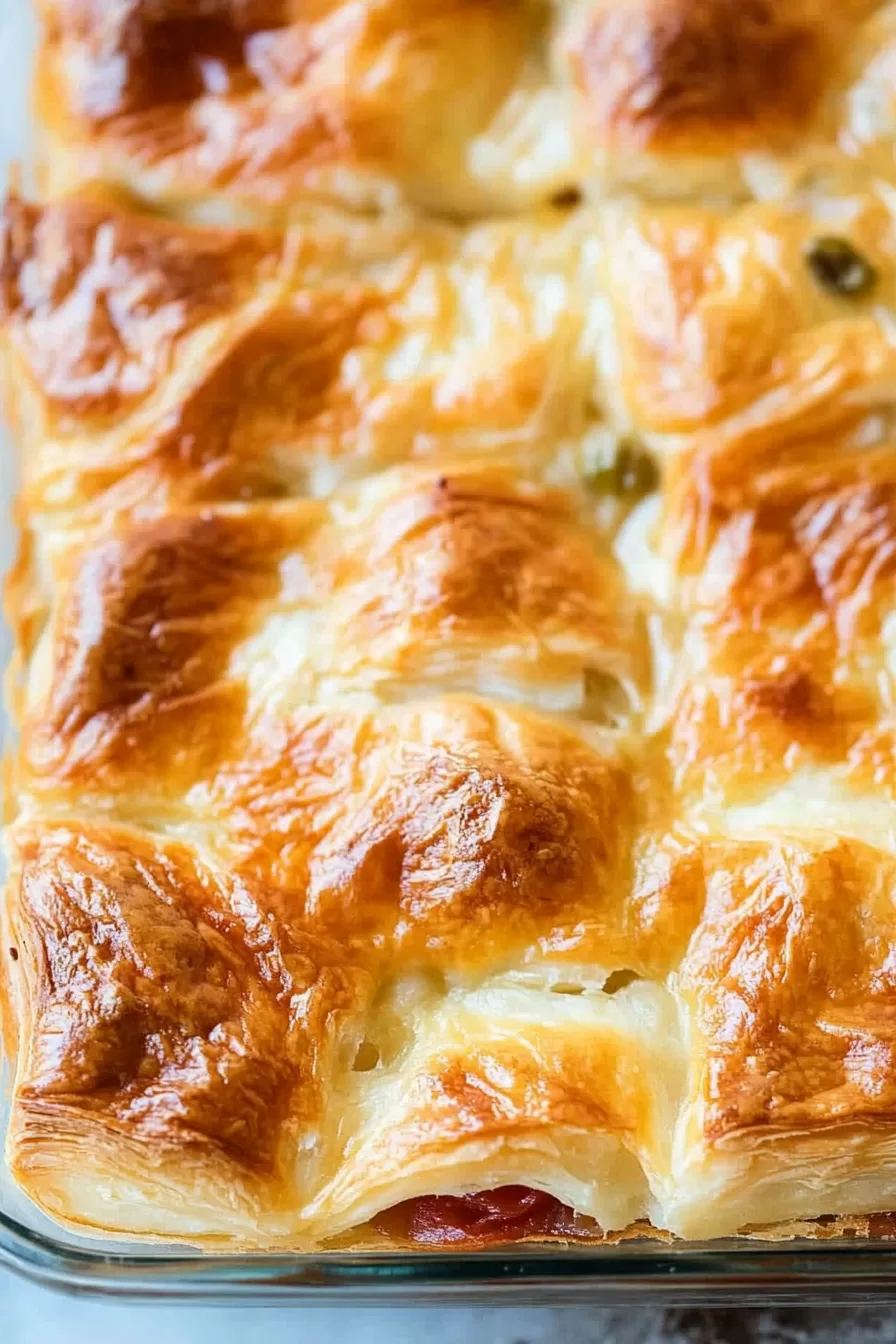
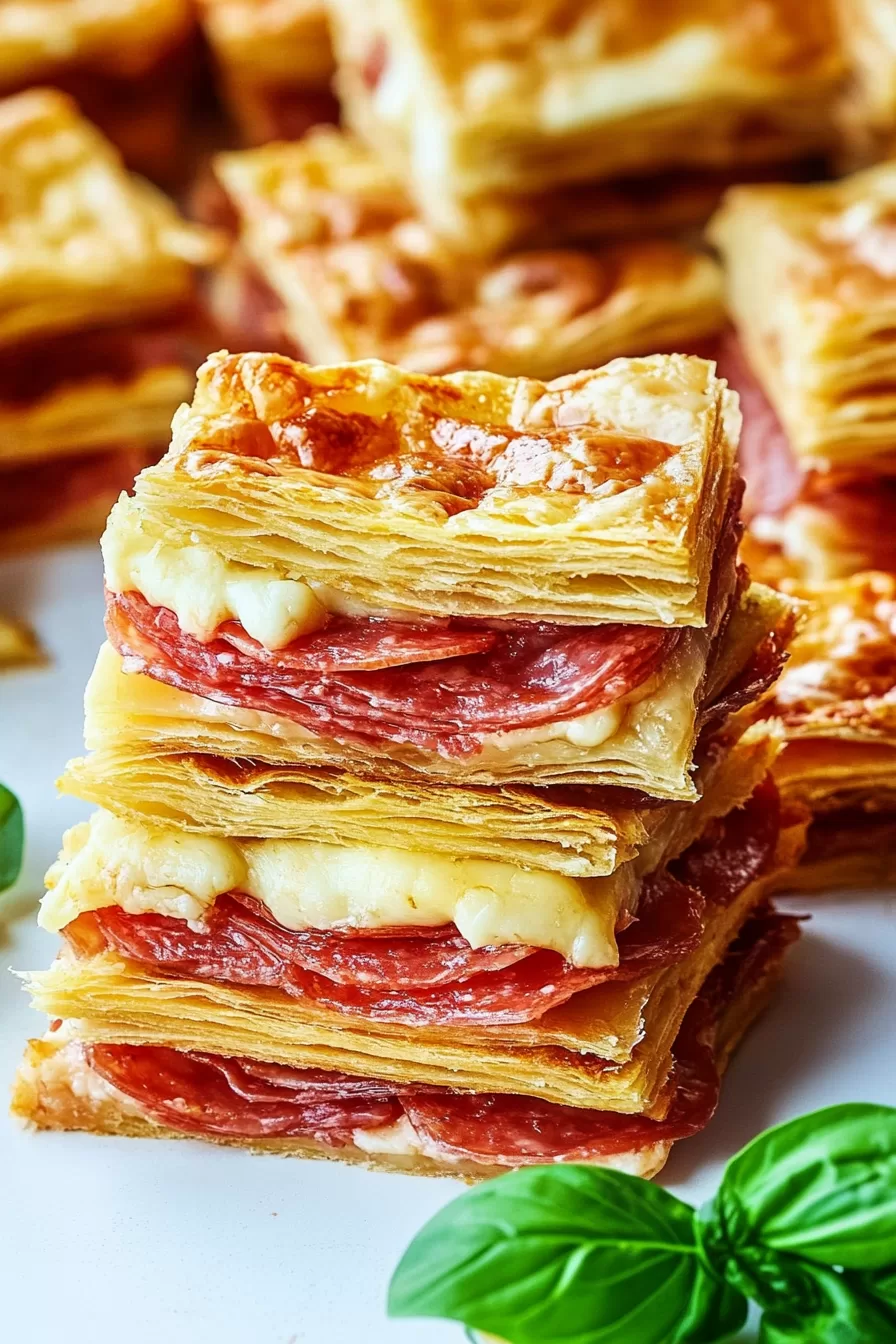
A pillowy crust, a blanket of melty provolone and mozzarella, and layers of salty ham, pepperoni, and salami—antipasto squares smell like an Italian deli just moved into your kitchen. With just crescent dough, deli meat, cheese, and pepperoncini, it’s warm, gooey, and unapologetically snacky.

This one’s for when you want something cozy with a bit of a crisp edge. Between the ole’ layer-and-bake magic and that golden, cheesy top, these squares are halfway between comfort food and party trick. You could pull ‘em out for a low-stress dinner and call it a success. Or slice ’em small and they turn into the first thing to vanish during happy hour. Not fancy, but wildly lovable—like that friend who always shows up with good snacks and zero judgment.

Table of Contents

Antipasto Squares

Why You’ll Love this Antipasto Squares Recipe

Okay, so let’s keep things real: this isn’t one of those delicate, tweezer-plated appetizers. It’s a bold, unapologetically stacked bake that looks like it came from your neighborhood Italian grandma (if she had a deep affection for crescent dough). It’s comfort food with structure. Built to impress. Minimal chaos required.

  • Ridiculously simple to make: We’re mostly assembling. No sautéing, no fancy knife work. Just roll, layer, bake, and done.
  • Big deli energy: Each bite is packed with salty meats, mild tangy cheese, and that signature pepperoncini zing.
  • Works hot or room temp: Which makes it awesome for potlucks, game days, or just pretending you’re hosting something.
  • Make-ahead friendly: It’s surprisingly good the next day. Bonus points if you reheat it just enough to remelt the cheese.
  • Everyone thinks you did something fancy: It’s the flaky crust effect, I swear. Seems way harder than it is.

Antipasto Squares

Ingredient Notes

The beauty of these antipasto squares is how easy they are to tweak. Still, I have a few notes from the kitchen trenches.

  • Crescent roll sheets: These form the top and bottom crusts. Get the solid sheets if you can; if not, just pinch the seams of regular dough.
  • Deli ham: Adds mild saltiness and a soft bite. Go thinner on the slices so it layers neatly.
  • Pepperoni: Brings the spice. You could swap in turkey pepperoni if you’re looking to lighten things up a little.
  • Genoa salami: It’s got that fatty richness and a hint of wine-y flavor—total game changer for texture.
  • Provolone cheese: Slightly sharp and super melty. Helps everything glue together beautifully.
  • Mozzarella cheese: Mild and creamy, it stretches luxuriously without stealing the show.
  • Pepperoncini: These are key. That vinegary punch cuts through all the richness. Drain them well, though—you don’t want a soggy situation.
  • Olive oil, parmesan, and oregano: Think of this trio as your pizza-finishers. They crisp, golden, and season the top layer to total perfection.

Antipasto Squares

How To Make This Antipasto Squares Recipe

Once you’ve got everything laid out, the hardest part is not eating the meat straight from the counter. This one’s more about stacking than stirring, and honestly, that’s a gift.

  • Prebake the bottom layer: Unroll one crescent roll sheet into a greased 9×13 baking dish, then toss it in a 350°F oven for 10 minutes. This little pre-bake step keeps the base firm instead of tragically soggy. Don’t skip it.

  • Layer the good stuff: Start with the ham, then pepperoni, followed by salami. Next up, provolone, mozzarella, and a generous handful of drained pepperoncini. Try to spread them evenly or you’ll get an accidental volcano of heat in one square.

  • Top it off and seal: Unroll the second crescent sheet and gently press it over your meat-and-cheese masterpiece. If it tears a little, don’t panic—a little smoosh and patching works fine here.

  • Oil, cheese, oregano: Brush the top layer with olive oil. Then sprinkle on parmesan and dried oregano like a pizza artist in their prime (or just with confidence).

  • Bake it through: Cover the dish with foil and bake for 30 minutes. Then uncover and bake another 15 to 20 minutes, until the top looks golden and slightly crunchy.

  • Rest before slicing: Patience, friend. Let the dish cool at least 15 minutes so the layers can settle—and so you don’t burn your face off.

Antipasto Squares

Storage Options

You’ve got leftovers? First off, good for you. These antipasto squares tend to disappear faster than I can say “just one more bite.”

Slide any extras into an airtight container, then store them in the fridge for up to 4 days. The layers actually hold up pretty well. If anything, the flavors mellow a bit in the best way.

To reheat, pop a slice into the oven at 350°F for about 10 minutes or until warm. You can microwave them too, but the crust may get a little sad and soft. If using the microwave, a paper towel under the slice helps absorb some steam and keep things from turning into mush.

Thinking of freezing them? Honestly, go for it. Wrap individual squares in foil, stash in a freezer bag, and freeze for up to 2 months. Reheat directly from frozen in the oven (maybe toss on a bit more cheese to refresh the top).

Variations and Substitutions

This recipe has big “just use what’s in the fridge” energy. You can totally customize without offending the food gods.

  • Different dough: Puff pastry makes it extra buttery and crisp, while pizza dough gets denser and chewier (still great though).
  • Veggies, please: Throw in some sautéed mushrooms or roasted red peppers for a little earthy sweetness. Just don’t overload the moisture.
  • Skip the spice: If pepperoncini aren’t your thing, try sliced black or green olives. Still briny, just not tangy-hot.
  • Cheese experiments: Add sharp provolone or shredded fontina for a bolder flavor. Even a little asiago grated on top works wonders.
  • Meat swap: Mortadella, capicola, or even leftover grilled chicken strips could totally pinch-hit here if you’re out of something.

Antipasto Squares

What to Serve with Antipasto Squares

These squares are rich, cheesy, and a little spicy, so they pair well with crisp, fresh, or tangy sides. You don’t need much—just something to round out the plate.

  • A big bowl of mixed greens with vinaigrette really balances the richness. Add some cherry tomatoes and shaved fennel if you’re feeling snazzy—total textural contrast.

  • Roasted veggies are A+. Think asparagus, zucchini, or even crispy Brussels sprouts tossed in lemon juice. You need that brightness to slice through the cheese.

  • Soup works, especially something brothy and Italian-ish. Or, if you’re craving something extra comforting, a warm bowl of cheeseburger soup on the side makes this feel like the coziest combo ever.

  • For a starch-on-starch moment (we’re not judging), serve these with garlicky pasta salad or seasoned rice pilaf. Unexpected, but oddly good.

  • And if you want to go all-in on that rustic, cheese-laden vibe, serve them next to a small ramekin of marinara. For dipping. Obvious, but always right.

Antipasto Squares

Frequently Asked Questions

Can I make these antipasto squares ahead of time?

Absolutely, and actually, they hold up really well. You can assemble the whole thing a few hours ahead and stash it in the fridge (covered, please). Then just bake it when you’re ready. If you’re baking it straight from the fridge, tack on an extra 5–10 minutes of cook time to make sure everything is heated through. Already baked and want to serve later? Just reheat gently in the oven to keep the crust crisp.

Can I use puff pastry instead of crescent dough?

You bet! It’ll turn out super flaky and buttery, maybe even a bit more indulgent. Just make sure to thaw the puff pastry according to the package directions—it needs to be pliable but still cool. And don’t forget to prick it all over with a fork so it doesn’t puff into a pastry balloon during baking.

What’s the best way to keep the bottom from getting soggy?

The prebake step is your secret weapon. That 10-minute head start crisps the base enough to hold its dignity once the fillings arrive. Also, make sure your pepperoncini (or any veggies) are well-drained. Extra moisture is the real sog culprit here.

What other meats or cheeses can I use?

So many options! Think soppressata, mortadella, or even turkey—whatever fits your vibe or fridge situation. For cheese, fontina, asiago, or even pepper jack can add a cool twist. Just make sure the cheese melts well, and aim for balance so no one flavor steamrolls the others.

Antipasto Squares

Antipasto Squares

Prep Time 20 minutes
Cook Time 45 minutes
Cooling Time 15 minutes
Total Time 1 hour 20 minutes
A pillowy crust, a blanket of melty provolone and mozzarella, and layers of salty ham, pepperoni, and salami—antipasto squares smell like an Italian deli just moved into your kitchen. Built on crescent dough, deli meats, cheese, and pepperoncini, these warm, gooey, and unapologetically snacky squares are a comfort food party trick, perfect for dinner, parties, or anytime you want something easy and crowd-pleasing.
12 squares

Ingredients

Base & Topping

  • 2 cans (2) crescent roll dough sheets if using regular crescent rolls, pinch seams

Filling

  • 8 oz (225 g) deli ham thinly sliced
  • 4 oz (115 g) pepperoni thinly sliced
  • 4 oz (115 g) Genoa salami thinly sliced
  • 6 oz (170 g) provolone cheese sliced
  • 6 oz (170 g) mozzarella cheese shredded or sliced
  • 1/2 cup (75 g) pepperoncini drained and sliced

For the top

  • 1 tbsp (15 ml) olive oil
  • 2 tbsp (12 g) parmesan cheese finely grated
  • 1 tsp dried oregano
  • nonstick cooking spray for pan

Equipment

  • 9x13 inch Baking Dish
  • Pastry brush
  • Foil

Instructions
 

  1. Preheat oven to 350°F (175°C). Grease a 9x13 inch baking dish with nonstick spray.
  2. Unroll one can of crescent dough and press it into the bottom of the prepared pan, stretching to cover entire surface.
  3. Bake bottom crust for 10 minutes. Remove from oven but keep oven on.
  4. Layer ham evenly over the baked crust, followed by pepperoni, then Genoa salami.
  5. Layer provolone, then mozzarella cheese, and scatter pepperoncini over the top.
  6. Unroll the second can of crescent dough and gently place on top. Press down to seal edges (patch as needed).
  7. Brush with olive oil. Sprinkle parmesan and oregano evenly over the dough.
  8. Cover pan loosely with foil and bake for 30 minutes. Remove foil; bake for an additional 15–20 minutes, or until the top is golden brown and slightly crisp.
  9. Remove from oven. Let cool at least 15 minutes before slicing into squares. Serve warm or at room temperature.

Notes

Storage: Leftovers keep in an airtight container in the fridge for up to 4 days. Reheat in the oven at 350°F for best texture.
Freezing: Wrap squares in foil, freeze up to 2 months. Reheat directly from frozen.
Customization: Try different meats (mortadella, capicola), cheeses (fontina, asiago), or swap in olives for the pepperoncini.

Nutrition

Calories: 340kcal | Carbohydrates: 22g | Protein: 15g | Fat: 20g | Saturated Fat: 8g | Cholesterol: 50mg | Sodium: 1100mg | Potassium: 230mg | Fiber: 1g | Sugar: 5g | Vitamin A: 380IU | Vitamin C: 2mg | Calcium: 235mg | Iron: 2mg

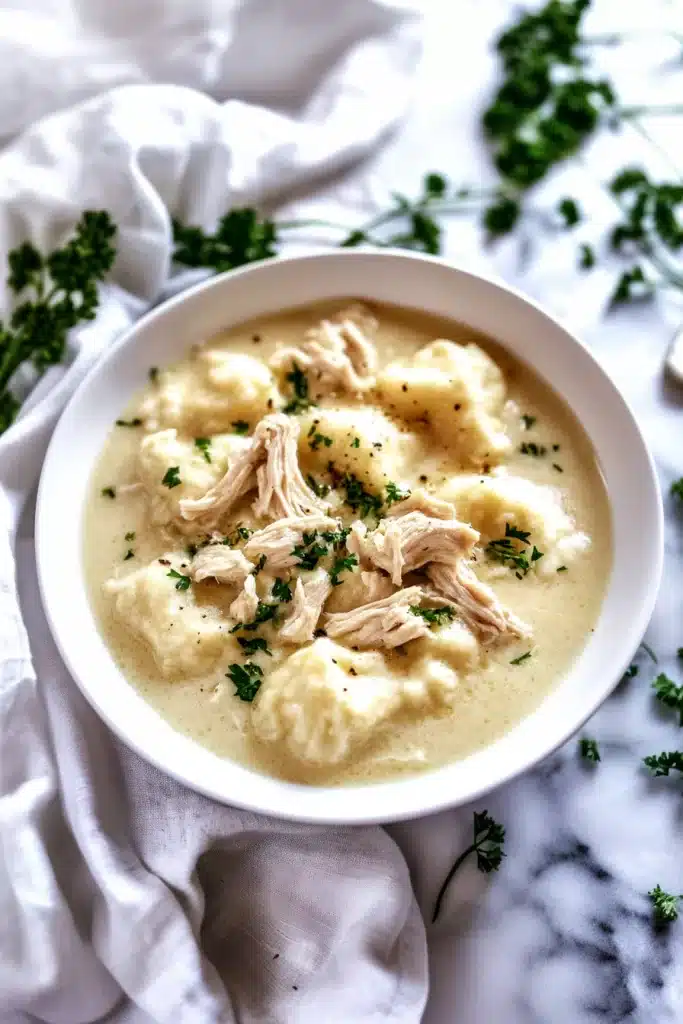
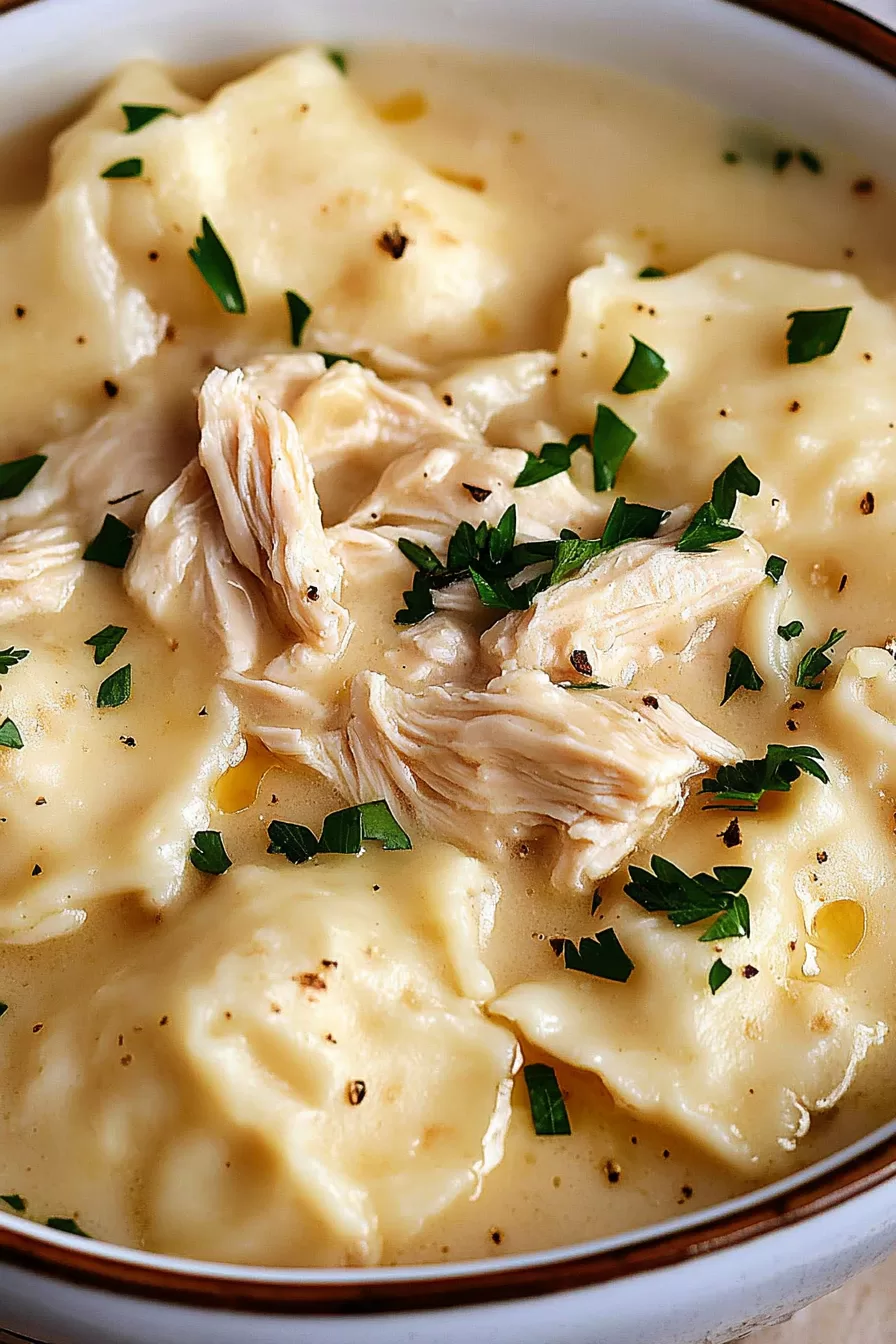
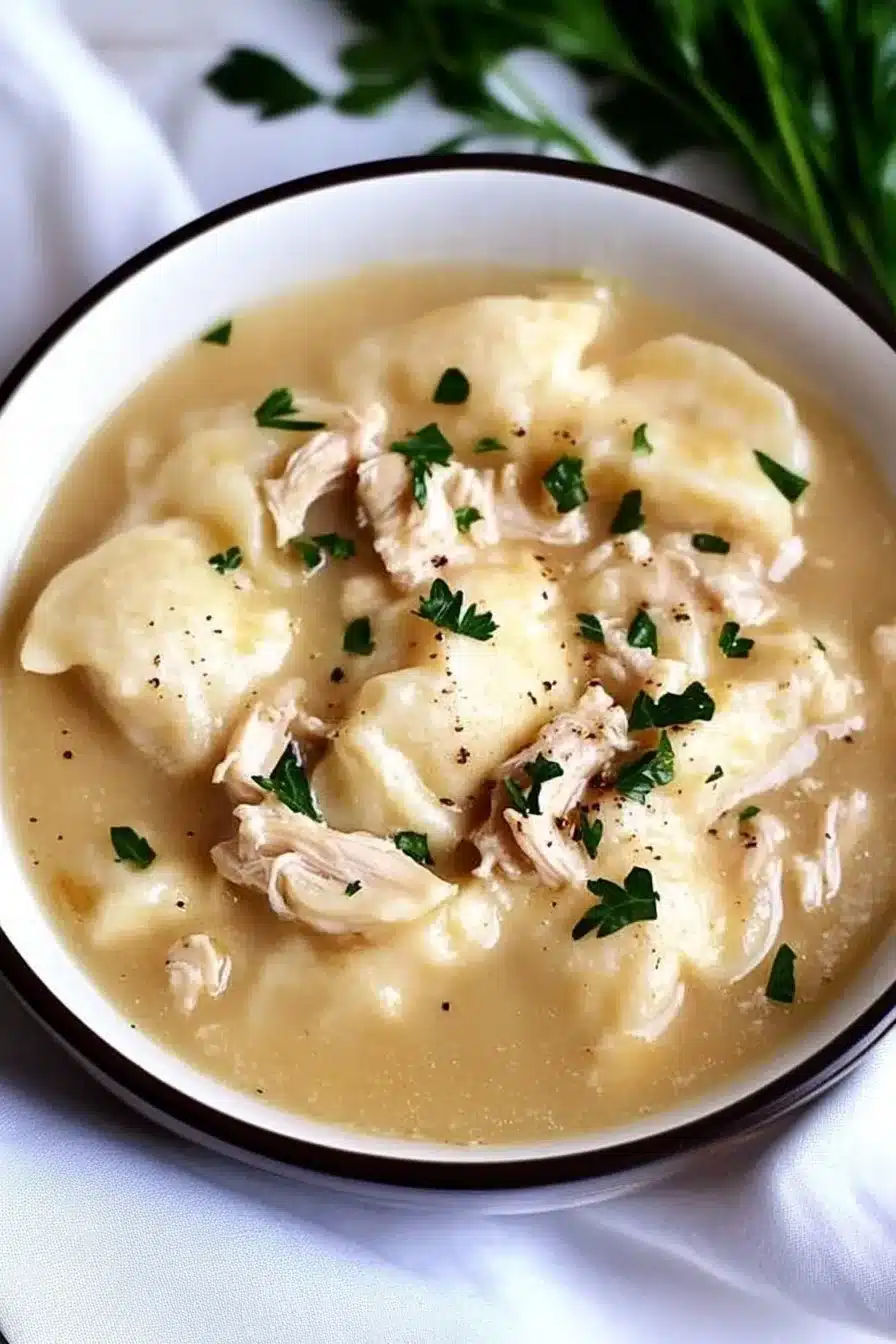
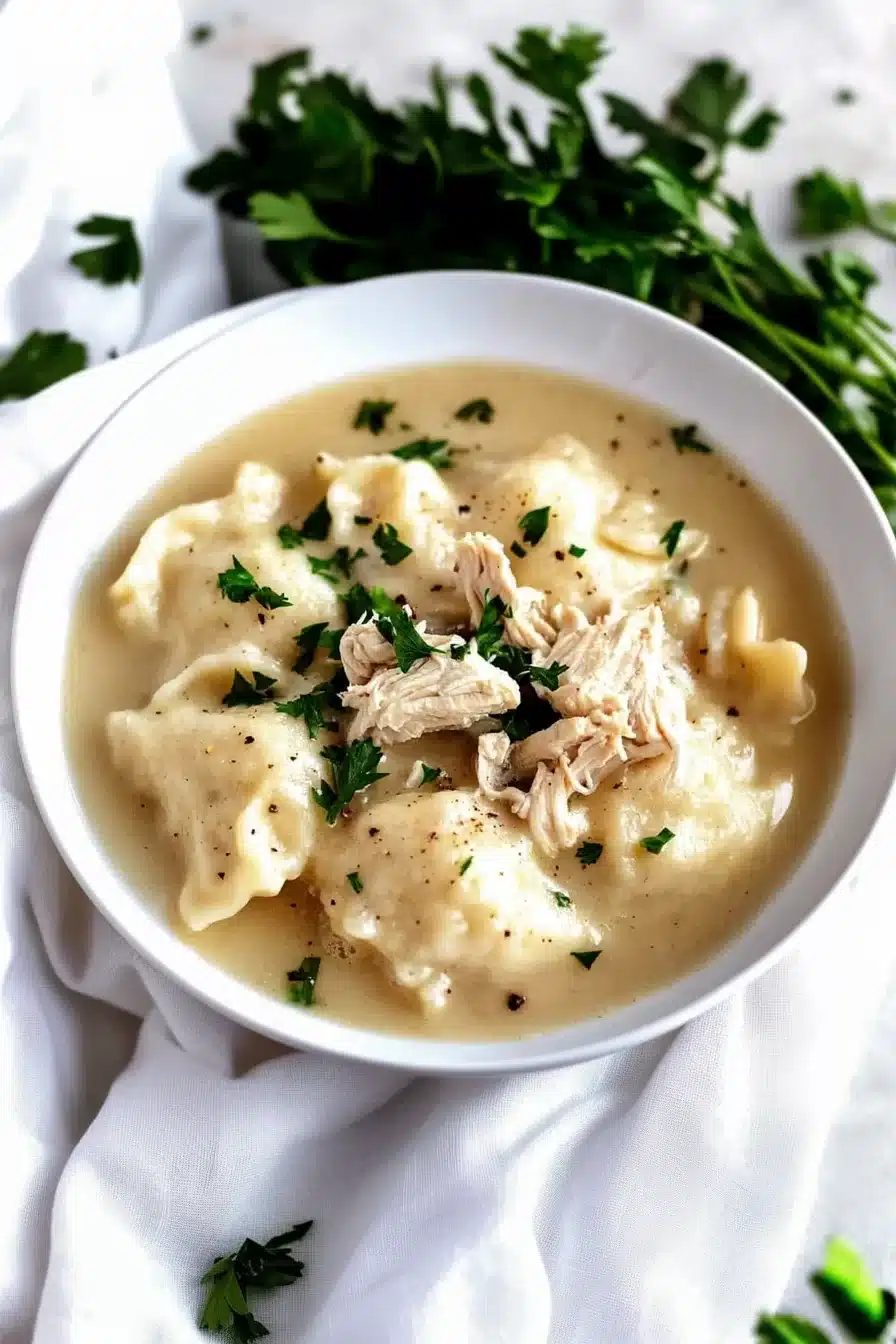
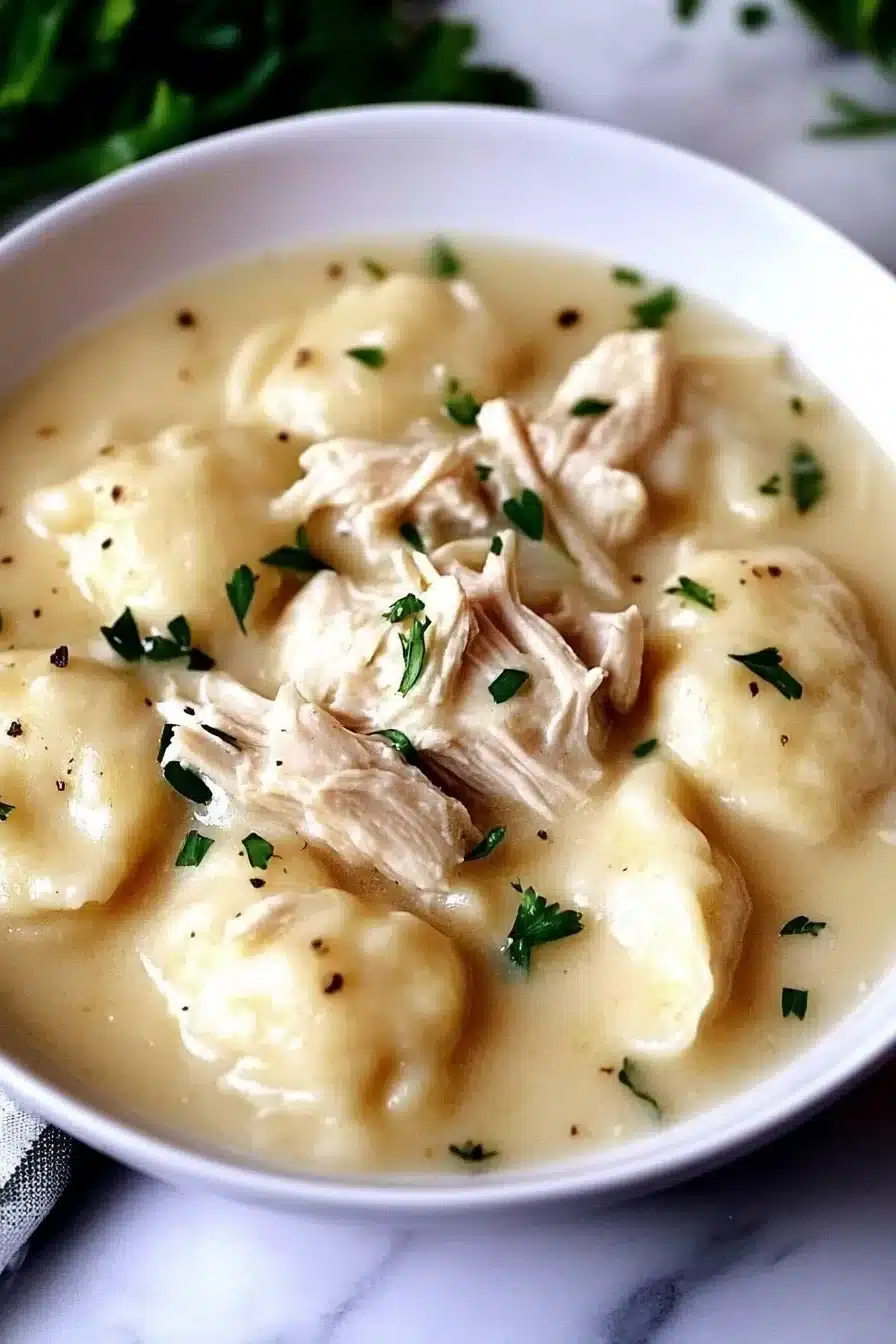
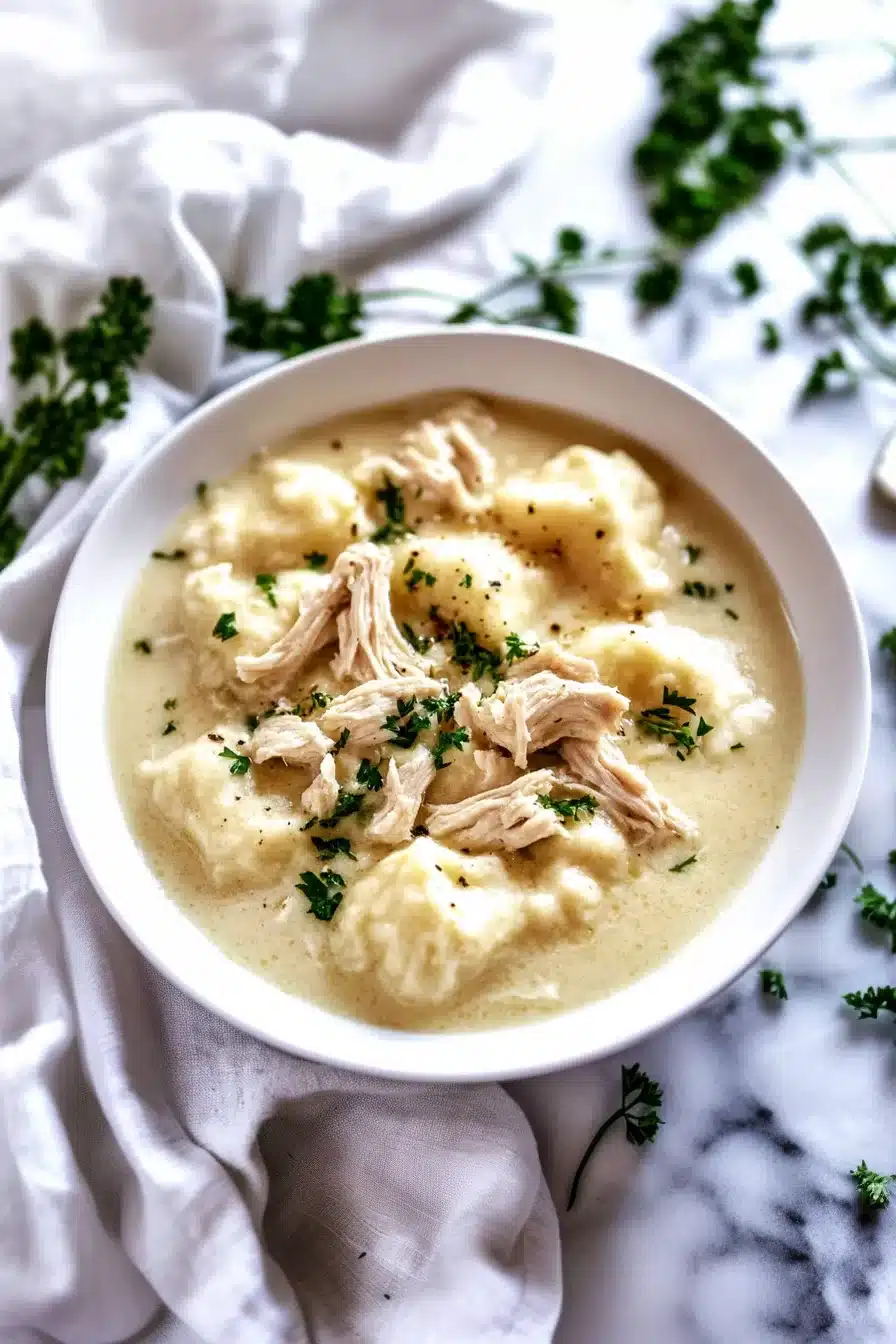
Simmered in rich chicken stock with fluffy, buttery dumplings and tender shredded chicken—Cracker Barrel Chicken and Dumplings smells like Sunday supper dreams. Just 7 familiar ingredients.

If you’ve ever leaned over a cozy bowl of thick, doughy dumplings swimming in golden broth and thought, “Could I just live here now?”—well, I see you. This isn’t fancy food, but it’s comfort in its truest, spoon-grabbing form. What makes Cracker Barrel Chicken and Dumplings extra lovable is how it manages to be both rustic and oddly elegant. It’s soft, savory, and unapologetically homey. Whether you need a go-to for chilly evenings or are just craving something you can eat unapologetically in your pajamas, this’ll do just fine. Bonus: if you’ve got leftover buttermilk from another recipe (like those crispy chicken tenders), this is a worthy excuse to use it.

Table of Contents

Cracker Barrel Chicken and Dumplings

Why You’ll Love this Cracker Barrel Chicken and Dumplings

There’s no backstory here about Grandma’s back porch or some life-altering road trip to Cracker Barrel. This is just a comfy, flour-dusted recipe that tastes like you’ve known it forever.

  • Perfect texture combo: The dumplings are soft but sturdy, and the shredded chicken gets all cozy in the rich broth.
  • Minimal ingredients, big flavor: Just a handful of pantry basics turns into something irresistible and (dangerously) slurpable.
  • Budget-friendly and hearty: Feeds a small crowd without making your wallet cry.
  • Make-ahead potential: It actually tastes even better the next day after hanging out in the fridge.
  • No fussy techniques required: If you can stir and roll out dough, you’re already halfway there.

Cracker Barrel Chicken and Dumplings

Ingredient Notes

Super simple, no mysterious surprises hiding in here—just exactly what you’d expect. But let’s talk about the why behind these basics.

  • Cooked chicken: Shredded rotisserie chicken works great for ease. But any leftover roasted or boiled chicken will do the trick.
  • Chicken stock: Go for low-sodium if you’re worried about salt. The better the broth, the cozier the dish. Homemade is gold, but store-bought sings too.
  • All-purpose flour: Essential for the dumplings. Don’t swap with cake flour or anything fancy. We need structure here.
  • Baking powder: This fluffs the dumplings ever so slightly. Not biscuit-puffy, but pleasantly pillowy.
  • Cold butter: Adds a little richness to the dough. Cut it in while it’s still cold for tender layers.
  • Buttermilk: The tang gives the dumplings a subtle depth. If you’re stuck, you can fake it with milk and lemon juice, but I suggest the real deal.
  • Salt: Yep, keep it basic. It balances out the richness.

Cracker Barrel Chicken and Dumplings

How To Make This Cracker Barrel Chicken and Dumplings

Here’s where things get floury. You don’t need a Michelin star, just a little hot chicken stock and some good instincts.

  • Warm the broth: Pour the chicken stock into a big ol’ pot and set it over low heat while you summon your inner dumpling-maker. No need to boil it just yet.

  • Make the dry mix: In a large bowl, toss together your flour, baking powder, and salt. Smells oddly comforting even before you bake it. Then add your cold cubed butter and work it in with a pastry cutter or fork until it looks like coarse crumbs.

  • Add the buttermilk: Pour in that cup of buttermilk and mix until the dough comes together into a shaggy, flour-splotched heap. It shouldn’t look smooth—that’s cool.

  • Roll and cut the dumplings: Lightly flour your surface and roll the dough to about ¼ inch thick. Use a pizza cutter or knife to slice it into rustic squares. 1 to 2 inches each is just right. They don’t have to be perfect. Seriously.

  • Drop in the dumplings: Bring the warm broth to a gentle boil and start slipping in those dough pieces, a few at a time. Stir to keep them from forming one big sticky clump (ask me how I know).

  • Simmer and stir: Cook for about 20 minutes, gently stirring now and then. The dumplings will puff ever so slightly and soak up all that brothiness.

  • Add the chicken: Toss your shredded chicken into the pot and simmer everything together for another 5 to 10 minutes. The broth will get a bit thicker, almost like a very lazy stew. Smell that? You’re close.

  • Serve it hot: Grab your favorite bowl, plop some dumplings in, and spoon that golden liquid over top. Honestly, it doesn’t need anything else.

Cracker Barrel Chicken and Dumplings

Storage Options

So, you made a big pot and shocked yourself by not inhaling it all. Good news—this stuff stores like a champ.

Pop leftovers into an airtight container once cooled. In the fridge, they’ll stay happy for about 3 to 4 days. You’ll probably notice the dumplings soak up a bit more broth overnight, so they turn into these thick, soft, stew-like bites. Still fantastic.

Reheating is easy: Stove or microwave both work. If using the stove, add a splash of water or extra broth as it warms up to loosen things. Stir gently. Microwave folks, same goes—add a touch of liquid and reheat in short bursts to keep those dumplings from getting rubbery.

And yes, you can freeze it. Let the whole thing cool completely first, then ladle it into freezer containers or zip-top bags (flat is best for stacking). It’ll keep for about 2 to 3 months. Thaw overnight in the fridge and reheat gently to avoid turning the dumplings into mush.

Variations and Substitutions

Nothing wrong with sticking to the script, but if you like to riff, here are a few dumpling twists and chicken detours.

  • Bone-in chicken pieces: Instead of mixing in cooked chicken at the end, simmer bone-in thighs or breasts in the broth for richer flavor, then shred.
  • Herbed dumplings: Mix chopped parsley, thyme, or chives into the flour before adding butter. It gives a fresh twist without feeling too different.
  • Creamy broth base: Stir a splash of heavy cream or a knob of cream cheese into the broth right before serving for ultra-luxurious vibes.
  • Drop dumplings instead of rolling: Feeling lazy? Just drop spoonfuls of dough straight into the bubbling broth and let them poof. They’ll be fluffier and less structured.
  • Veggie add-ins: Diced carrots or peas totally work if you want to sneak in some color (and fiber).

Cracker Barrel Chicken and Dumplings

What to Serve with Cracker Barrel Chicken and Dumplings

This is a full-belly kind of dish already, but if you’re feeling generous (or feeding a table), here’s how to build a little extra around it.

  • Simple green salad: Something like peppery arugula or mixed greens with lemon vinaigrette cuts through the richness, and honestly, you’ll feel kinda sophisticated for a minute.

  • Bacon Basil Cornbread Muffins: OK, these are a little extra, but worth it. Warm, buttery muffins will cozy up to those dumplings and feel right at home. Recipe’s right over here.

  • Stewed green beans: Think tender, long-cooked string beans with onions and a little butter. Very southern. Very satisfying.

  • Roasted root veggies: Roast up carrots, parsnips, or sweet potatoes with olive oil and thyme. Their sweetness plays off the savory broth beautifully.

  • A light dessert, maybe: So if you made this for dinner and want to finish with something fun but chill, try these peanut butter banana ice cream sandwiches. Kid-friendly and a little nostalgic.

Cracker Barrel Chicken and Dumplings

Frequently Asked Questions

Can I make Cracker Barrel Chicken and Dumplings ahead of time?

Yes, and honestly, the flavor gets even better after a night in the fridge. Just let it cool completely before storing in a sealed container. When reheating, add a splash of broth or water to loosen it up and stir gently so those dumplings stay tender and glorious. It reheats well on the stove or in the microwave.

Do I have to use buttermilk for the dumplings?

Buttermilk gives the dumplings a subtle tang and tenderness, but if you don’t have any, you can DIY it! Just add a tablespoon of lemon juice or vinegar to a cup of milk, stir, and let it sit for 5 minutes. It’s not quite the same, but it’s a solid workaround in a pinch.

Can I use pre-cooked rotisserie chicken?

Absolutely. It actually helps make this dish a lot faster to throw together on a busy night. Just shred the meat off the bone (skip the skin if you want it less greasy) and stir it in during the final simmer. Voila—shortcut dinner, no complaints.

Will the dumplings hold up if I freeze this?

They’ll change a bit in texture—slightly softer after thawing—but they definitely hold up. Just be sure to cool everything first, freeze in a flat container or bag, and thaw overnight in the fridge before reheating. Spoon gently when warming so you don’t break them up too much. Still very satisfying!

Cracker Barrel Chicken and Dumplings

Cracker Barrel Chicken and Dumplings

Prep Time 20 minutes
Cook Time 35 minutes
Total Time 55 minutes
Simmered in a rich chicken stock with fluffy, buttery dumplings and tender shredded chicken, Cracker Barrel Chicken and Dumplings is comfort food in its truest form. Just seven simple ingredients come together for a cozy, crowd-pleasing meal that's as perfect for Sunday suppers as it is for chilly weeknights. Bonus: it’s just as good (maybe even better) the next day.
6 bowls

Ingredients

For the Stew

  • 6 cups (1.4 liters) chicken stock preferably low-sodium or homemade
  • 2 cups (300 g) cooked chicken shredded (rotisserie or leftover roasted/boiled)

For the Dumplings

  • 2 cups (250 g) all-purpose flour
  • 1.5 tsp (6 g) baking powder
  • 1 tsp (6 g) salt
  • 3 tbsp (42 g) cold butter cut into small cubes
  • 1 cup (240 ml) buttermilk

Equipment

  • Large pot

Instructions
 

  1. Warm the broth: Add chicken stock to a large pot and set over low heat while you prepare the dumplings. No need to boil yet.
  2. Make the dry mix: In a large bowl, combine flour, baking powder, and salt. Add the cold cubed butter and work it in with a pastry cutter or fork until the mixture resembles coarse crumbs.
  3. Add the buttermilk: Pour in the buttermilk and stir gently until a soft, shaggy dough forms. It should not be smooth—some clumps are okay.
  4. Roll and cut the dumplings: Flour your work surface and roll the dough to about 1/4-inch thick. Use a pizza cutter or sharp knife to cut dough into squares (1 to 2 inches each).
  5. Drop in the dumplings: Bring broth to a gentle boil. Carefully drop in the dough squares, a few at a time, stirring gently to prevent clumping.
  6. Simmer and stir: Cook the dumplings for 20 minutes, stirring occasionally. They will puff slightly as they cook and soak up the broth.
  7. Add the chicken: Stir the shredded chicken into the pot and simmer 5-10 minutes more, until the chicken is heated through and the broth has thickened. Taste and adjust seasoning as needed.
  8. Serve: Ladle dumplings and chicken into bowls with plenty of broth. Enjoy hot!

Notes

Leftovers store well in an airtight container in the fridge for 3 to 4 days, though dumplings will soak up more broth. Reheat gently with a splash of extra stock or water. To freeze, cool completely before packing in airtight containers; thaw overnight in the fridge before reheating.
For variations: Use bone-in chicken and simmer for enriched broth, add herbs to dumplings, stir in veggies, or swap in drop dumplings for a fluffier texture.

Nutrition

Calories: 390kcal | Carbohydrates: 38g | Protein: 23g | Fat: 15g | Saturated Fat: 7g | Cholesterol: 63mg | Sodium: 1170mg | Potassium: 435mg | Fiber: 1g | Sugar: 3g | Vitamin A: 325IU | Vitamin C: 2mg | Calcium: 112mg | Iron: 2mg

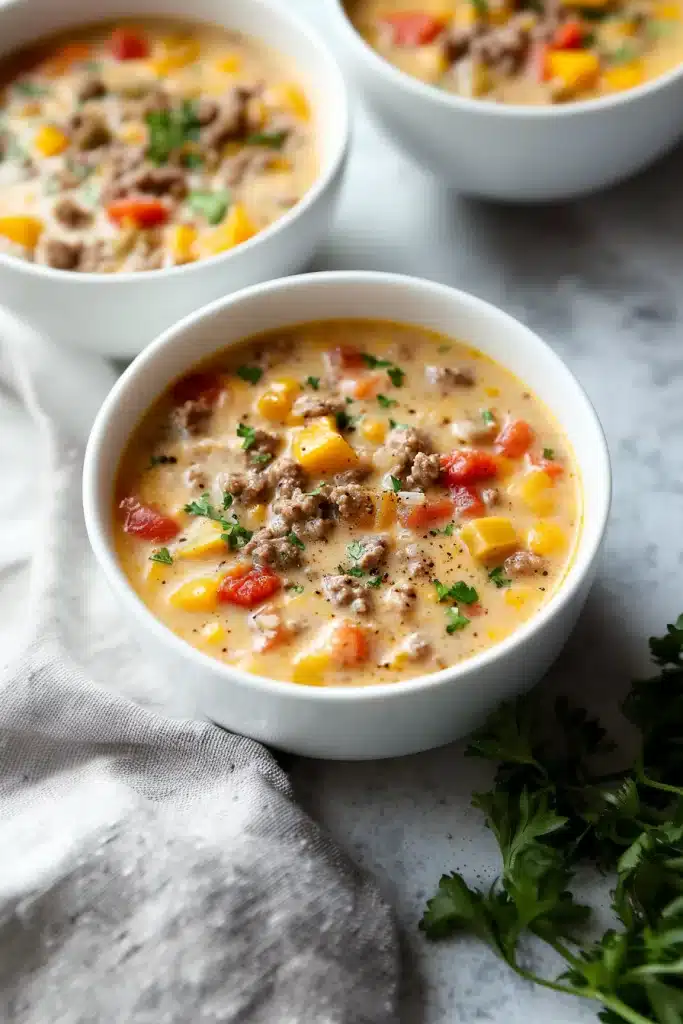
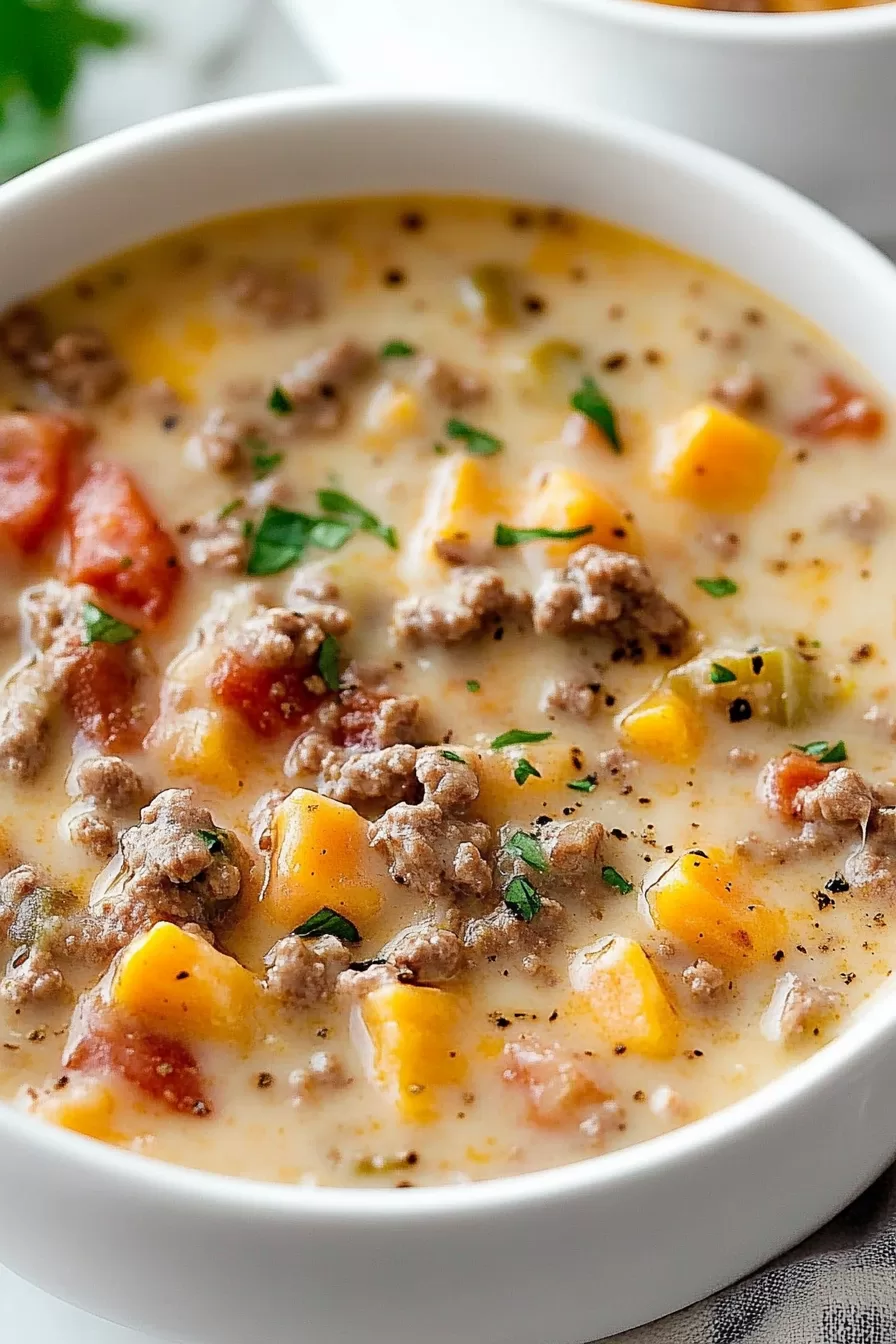
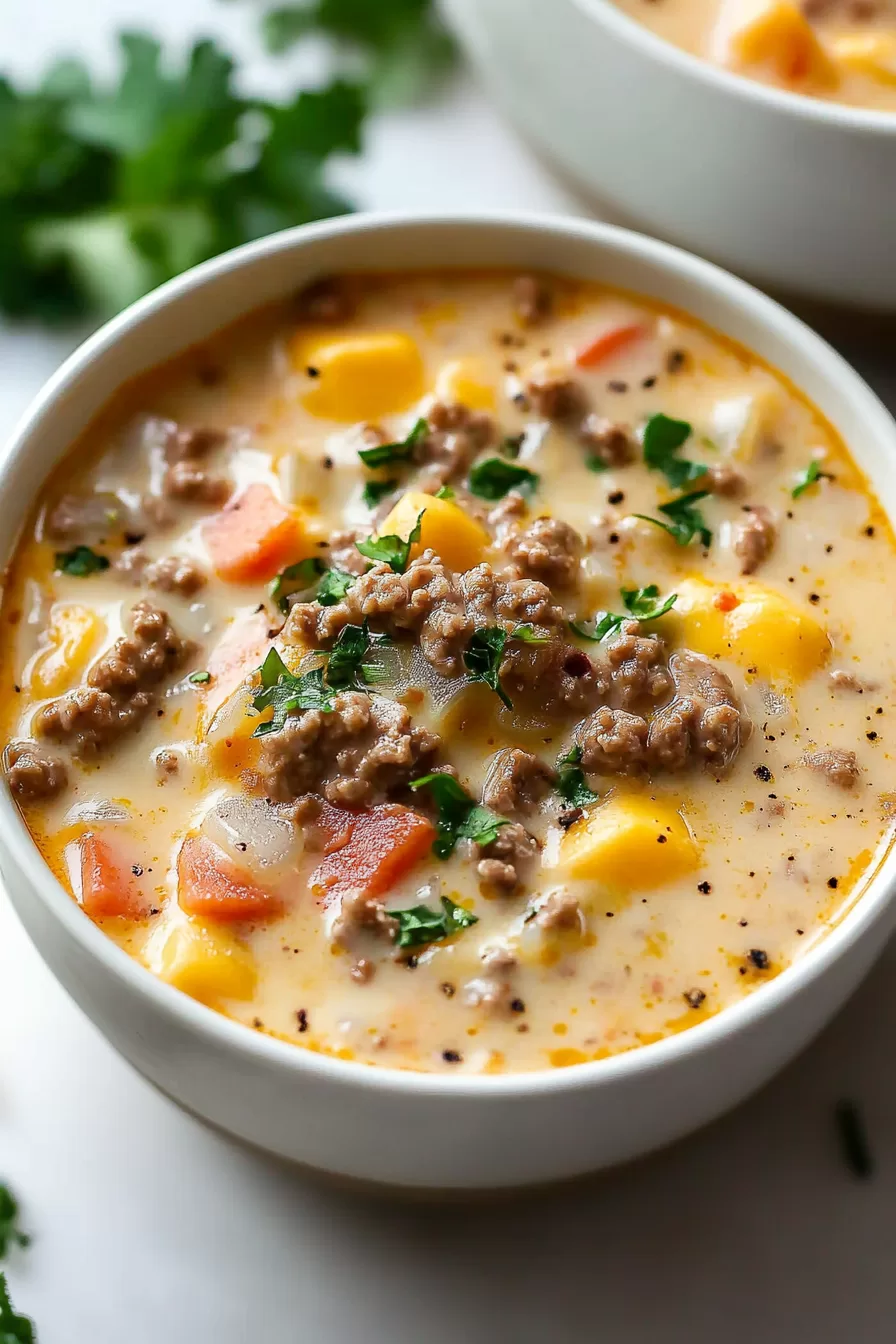
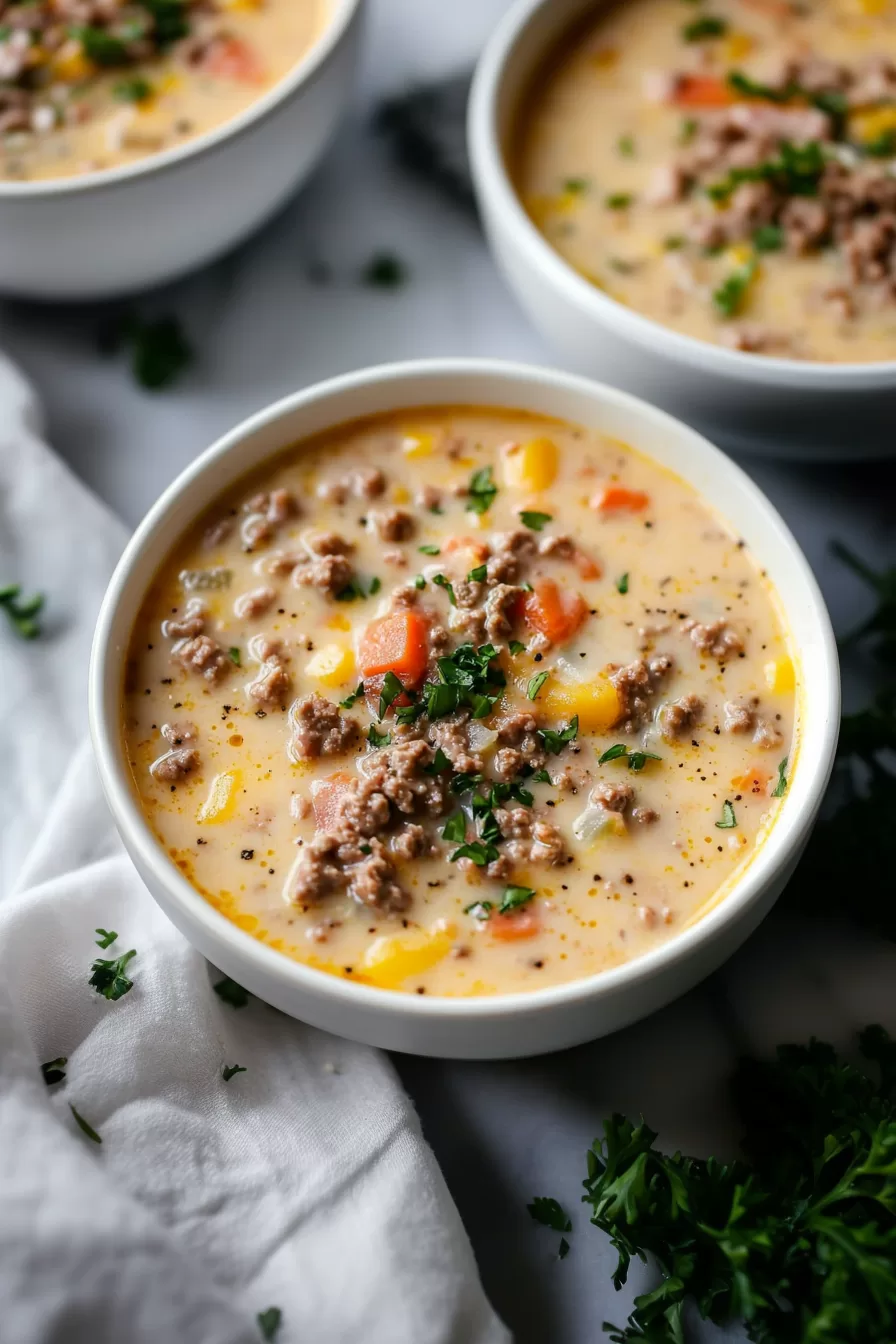
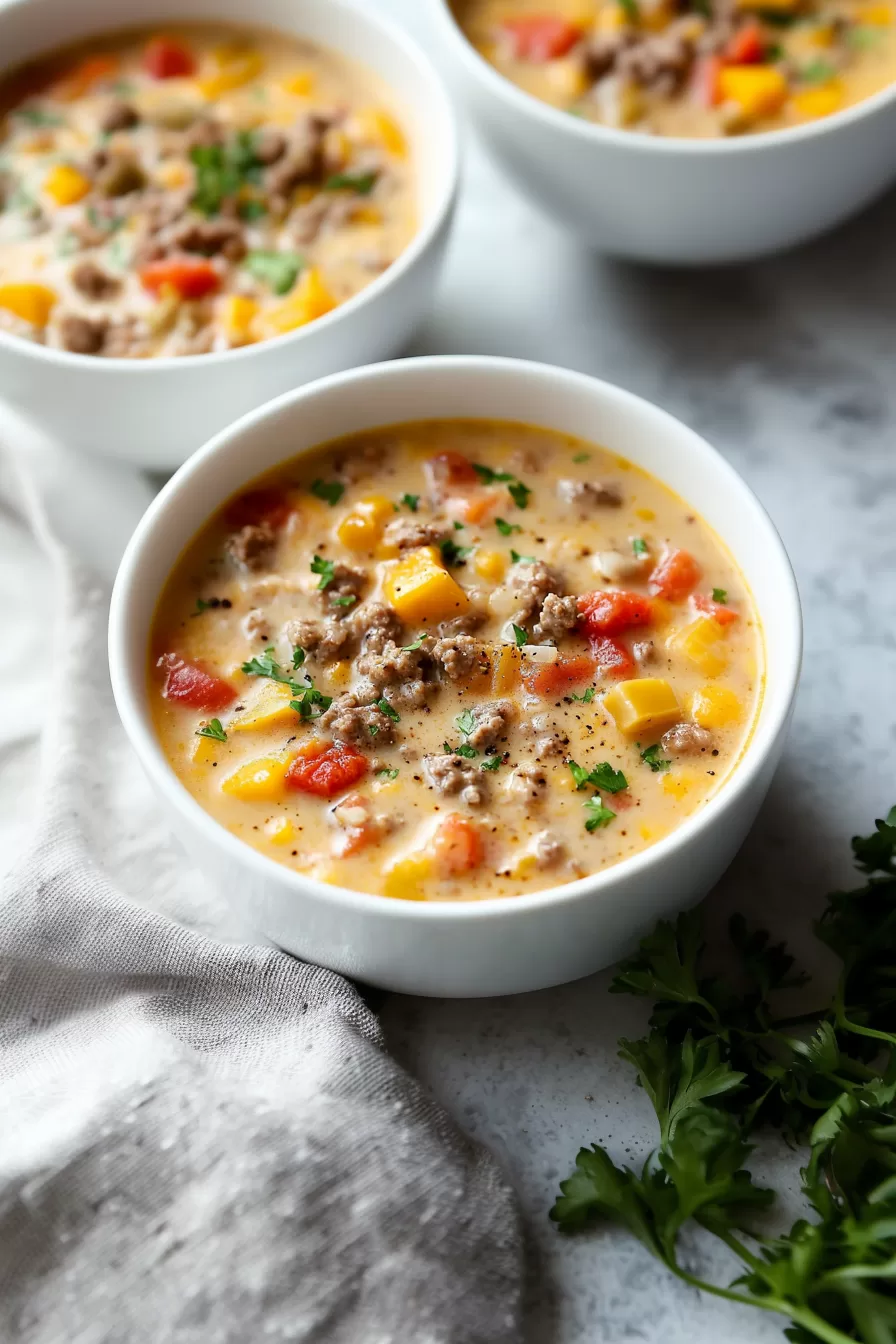
Rich, creamy, and savory, this cheeseburger soup bubbles with juicy ground beef, tender potatoes, gooey Velveeta, and buttery vegetables. It smells like your favorite diner met a cozy cabin and had a soup baby.

It’s cozy sweater weather in a bowl—and yes, it tastes like a cheeseburger made a glorious mess in a pot. Picture the aroma of sizzling beef mingling with bubbling cheese, butter-soft carrots, and warm, herby undertones. It’s a one-pot wonder that doesn’t overthink itself. Great for cold nights, casual dinners, or when you’re craving something ultra-comforting and just a little kitschy. Let’s keep it casual and cheesy, shall we?

Table of Contents

Cheeseburger Soup

Why You’ll Love this Cheeseburger Soup

Nothing fancy here—it’s a cheesy, meaty soup that knows exactly what it’s doing. And frankly, we love it for that.

  • Ridiculously simple to make: You just brown, simmer, stir, and eat (okay, cool down first, then eat).
  • Weeknight dinner gold: It only asks for pantry basics and a little love from your knife and cutting board.
  • Velveeta magic: Embrace the cube. It melts into the gentlest, velvetiest cheese sauce ever.
  • One-pot coziness: Fewer dishes, more soup slurping. Your sink thanks you in advance.
  • Customizable toppings: Make it extra with crispy bacon, green onions, or a single dramatic onion ring balanced on top like a tiny crown.
  • Comfort in five bites: Because your third bite will still be cooling, let’s be honest.

Cheeseburger Soup

Ingredient Notes

Everything here plays a role: flavor, texture, good vibes. No ingredient left behind.

  • Ground beef: Use 80/20 for that blissful balance of juicy and rich. If you’ve got leftover burger patties, crumble those in instead!
  • Butter: Divided for double duty—softening veggies and thickening the broth like a dairy-powered magician.
  • Carrots, celery, and onion: This trio sneaks in veggies and builds a base that’s savory, slightly sweet, and totally soup-worthy.
  • Dried basil and parsley: These folks go in early to mingle with the butter and soften right up. Don’t skip ‘em—they bring floral balance to the richness.
  • Potatoes: Use waxy spuds like Yukon Golds so they hold their shape in the hot tub. Nobody wants mealy potatoes in their cheeseburger soup.
  • Chicken broth: The liquid trust fund the whole soup inherits. Adds flavor faster than water and makes it taste like you cooked it all day.
  • Flour: The thickener that pulls it all together. Stirring it into hot butter before adding keeps things smooth.
  • Velveeta: Yes, it’s processed. Also yes, it’s divine here and melts like a dream.
  • Whole milk: Keeps everything lush without being heavy. Cream would work, but milk feels lighter on a weeknight.
  • Salt and black pepper: Adjust to taste! Always taste. Taste again. Then taste once more to “double-check.”
  • Sour cream: Swirled in at the end, it adds a final mellow tang and dreamy finish.

Cheeseburger Soup

How To Make This Cheeseburger Soup

Got your biggest pot? Grab it. We’re layering flavor here like it’s an edible quilt.

  • Brown the ground beef: In a large pot, cook the beef over medium heat until it’s no longer pink, about 6 to 8 minutes. Break it up as you go, so it’s nice and crumbled. Drain off the fat and set the beef aside for its next entrance.

  • Sauté the veggies: Melt 1 tablespoon of butter in that same glorious pot. Toss in the carrots, onions, celery, dried basil, and parsley. Stir it all around and let it soften for about 10 minutes. They should smell sweet and look tender but still hold their shape.

  • Add potatoes, beef, and broth: Bring the gang back together! Add diced potatoes, the cooked beef, and all the chicken broth. Crank the heat to bring it to a happy boil, then reduce and cover. Simmer for 10 to 12 minutes, or until the potatoes pierce easily with a fork.

Make the thickener and finish it up

  • Make a roux: In a small pan, melt the remaining 3 tablespoons of butter. Whisk in the flour and cook, stirring nonstop (yes, nonstop!) for 3 to 5 minutes. It should bubble and smell toasty but not burnt. Stir this into your soup pot gently.

  • Bring to a low boil and thicken: Let it all boil for about 2 more minutes, stirring now and then. It should start to thicken up into something spoon-coating and creamy.

  • Cheese it up: Lower the heat. Add in your Velveeta cubes, whole milk, salt, and pepper. Stir constantly until the cheese melts into that glorious velvet texture.

  • Finish with sour cream: Take the pot off heat and fold in the sour cream. Give it a taste. Add more salt or pepper if needed. Then taste again. Because why not?

Cheeseburger Soup

Storage Options

This soup puts up with a lot and still tastes amazing the next day. Let’s talk leftovers.

Once it cools, store the cheeseburger soup in an airtight container in the fridge for up to 4 days. It’ll thicken a bit as it sits, thanks to the starch from the potatoes and all that dairy getting cozy. When reheating, just warm it gently on the stove or in the microwave and add a splash of milk or broth if it’s too thick.

Now, about freezing…it’s doable, sort of. The texture might change a little because of the dairy and potatoes (they can get a bit grainy post-freezer nap). If that doesn’t bother you, go for it. Freeze in single portions for easier thawing, and use within 2 months.

To reheat frozen soup, thaw it in the fridge overnight. Then reheat low and slow on the stove, stirring often. Resist the urge to boil—it can curdle that cheese faster than you can say “Velveeta.”

Variations and Substitutions

No need to run to the store if you’re missing one thing. This soup forgives and adapts.

  • Ground turkey or chicken: Swap out the beef if that’s what you have on hand or prefer. It’ll still soak up all those cheesy, creamy vibes.

  • Cheddar instead of Velveeta: If you’re on Team Real Cheese, go for a sharp cheddar. Just grate it yourself so it melts right.

  • Add pickles: I know, sounds weird. But a spoonful of finely chopped dill pickles stirred into each bowl adds burger-shop pizzazz.

  • Skip the flour with a gluten-free thickener: Cornstarch slurry works well. Mix 2 tablespoons of cornstarch with cold milk, then stir it in during the boiling step.

  • Toss in bacon: Stir in cooked crumbled bacon for extra richness. Or just throw it on top with wild abandon.

  • Spice it up: Add diced jalapeño when you sauté the veggies, or finish with a dash of hot sauce in your bowl.

Cheeseburger Soup

What to Serve with Cheeseburger Soup

Honestly, you don’t need much. It’s a full meal in a bowl. But if you’re feeling enthusiastic (or feeding someone with a bottomless appetite), here’s what I love:

  • Bacon basil cornbread muffins: Sounds fancy, right? But they’re pure comfort. These soft little muffins pair nicely with all the creamy-cheesy richness, and the sweet corn flavor balances the soup.

  • Extra crispy tater tots: Hear me out. It’s soup and hash browns. Bake ’em until golden brown and dunk ’em straight into your bowl. Completely appropriate and weirdly wonderful.

  • Simple green salad with tangy vinaigrette: This brings brightness and crunch. Use whatever greens you have, but toss in something tart like pickled onions or fresh cherry tomatoes.

  • Dill pickle spears or relish tray: They sound like a joke but honestly they make the whole thing feel like cheeseburger night, not soup night.

  • For dessert, why not homemade vanilla pudding? It’s creamy, nostalgic, and breezy to whip up after dinner.

Cheeseburger Soup

Frequently Asked Questions

Can I make this cheeseburger soup ahead of time?

Totally. In fact, the flavors get even cozier after a night in the fridge. Just cook it all the way through, then cool and store it in the fridge for up to 4 days. When you reheat it, do so gently on the stovetop and stir often. Add a splash of broth or milk if it thickens too much.

What kind of potatoes work best for this soup?

Yukon Golds or red potatoes are my go-tos. They hold their shape beautifully and don’t fall apart into mush. Russets are okay if that’s what you’ve got, but they tend to get softer and soak up more liquid.

Is Velveeta the only cheese option?

Not at all. Velveeta makes it extra smooth and nostalgic, but sharp cheddar, Monterey Jack, or even a smoked Gouda can work too. Just be sure to melt them slowly and stir constantly so they don’t separate.

Can I freeze this cheeseburger soup?

You can, with a little caution. Because it has cheese and potatoes, the texture might change slightly when frozen and thawed. It’s still tasty, just not quite as silky. I recommend freezing it in individual portions and reheating low and slow for the best results.

Cheeseburger Soup

Cheeseburger Soup

Prep Time 15 minutes
Cook Time 35 minutes
Total Time 50 minutes
Rich, creamy, and savory, this cheeseburger soup bubbles with juicy ground beef, tender potatoes, gooey Velveeta, and buttery vegetables. It’s a one-pot winter comfort classic that tastes just like your favorite diner cheeseburger—messy, cheesy, and totally nostalgic.
6 bowls

Ingredients

Soup Base

  • 1 lb (450 g) ground beef (80/20)
  • 1/4 cup (56 g) unsalted butter, divided (1 tbsp for veggies, 3 tbsp for roux)
  • 3/4 cup (90 g) carrots, peeled and diced about 2–3 medium carrots
  • 1/2 cup (55 g) celery, diced about 2 stalks
  • 3/4 cup (105 g) yellow onion, diced about 1 medium onion
  • 1 tsp dried basil
  • 1 tsp dried parsley
  • 3 cups (400 g) Yukon Gold potatoes, peeled and diced about 3–4 medium potatoes
  • 3 cups (720 ml) chicken broth low sodium preferred

Thickener & Finish

  • 1/4 cup (32 g) all-purpose flour
  • 8 oz (227 g) Velveeta cheese, cubed
  • 1 1/2 cups (360 ml) whole milk
  • 1 tsp salt or to taste
  • 1/2 tsp black pepper
  • 1/2 cup (120 ml) sour cream

Optional Toppings

  • Cooked bacon, crumbled
  • Green onions, sliced
  • Dill pickles, finely chopped
  • Extra shredded cheddar cheese

Equipment

  • Large pot or Dutch oven
  • Small Saucepan

Instructions
 

  1. Brown the ground beef: In a large pot over medium heat, cook the beef until no longer pink, 6–8 minutes, breaking it up as you go. Drain fat and set beef aside.
  2. Sauté the veggies: In the same pot, melt 1 tablespoon of butter. Add carrots, celery, onion, dried basil, and parsley. Stir and cook until veggies are softened, about 10 minutes.
  3. Add potatoes, beef, and broth: Return beef to the pot, then add potatoes and chicken broth. Increase heat to bring to a boil, then cover and reduce to a simmer. Cook for 10–12 minutes, until potatoes are fork-tender.
  4. Make a roux: In a small saucepan, melt remaining 3 tablespoons butter. Whisk in flour and cook, stirring constantly, for 3–5 minutes until bubbly and golden (not browned).
  5. Thicken the soup: Slowly stir the roux into the soup pot. Increase heat and let it gently boil for 2 minutes, stirring occasionally, until slightly thickened.
  6. Cheese it up: Reduce heat to low. Add Velveeta, milk, salt, and pepper. Stir constantly until the cheese melts and soup is creamy.
  7. Finish with sour cream: Remove soup from heat and fold in the sour cream. Taste and adjust seasoning if needed.
  8. Ladle into bowls and garnish with desired toppings like bacon, green onions, or pickles. Serve hot and enjoy!

Notes

Storage: Store cooled soup in an airtight container in the fridge for up to 4 days. Reheat gently; add a splash of milk or broth if needed. Freezing is possible, but the texture may change due to dairy and potatoes.
Variations: Replace ground beef with turkey or chicken, swap Velveeta for sharp cheddar, or add cooked bacon and pickles for extra pizzazz.
Gluten-free option: Omit the flour and thicken with a cornstarch slurry (2 tablespoons cornstarch mixed with cold milk, stirred in while boiling).

Nutrition

Calories: 470kcal | Carbohydrates: 25g | Protein: 22g | Fat: 30g | Saturated Fat: 15g | Cholesterol: 110mg | Sodium: 970mg | Potassium: 786mg | Fiber: 2g | Sugar: 7g | Vitamin A: 4300IU | Vitamin C: 12mg | Calcium: 380mg | Iron: 2.1mg

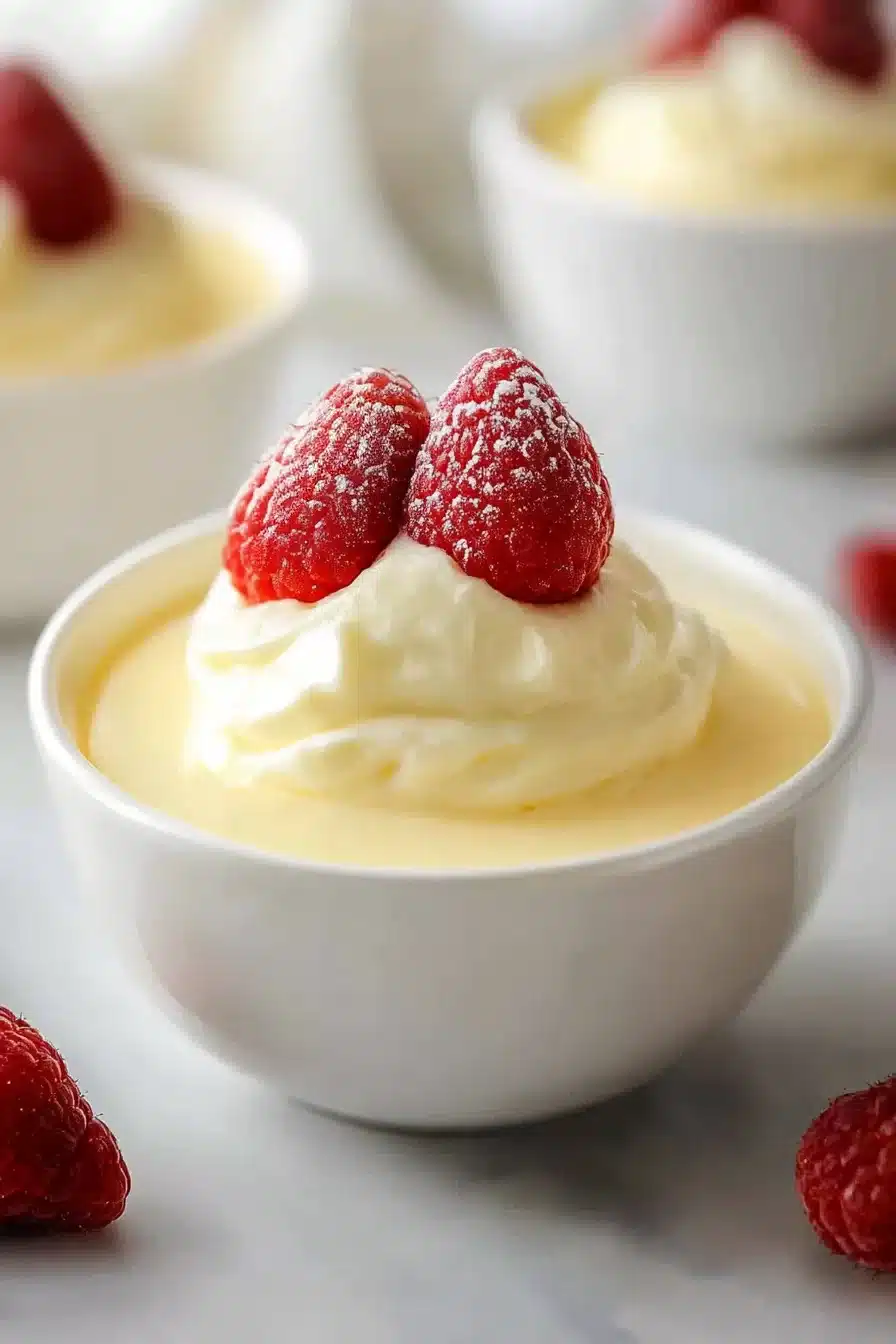
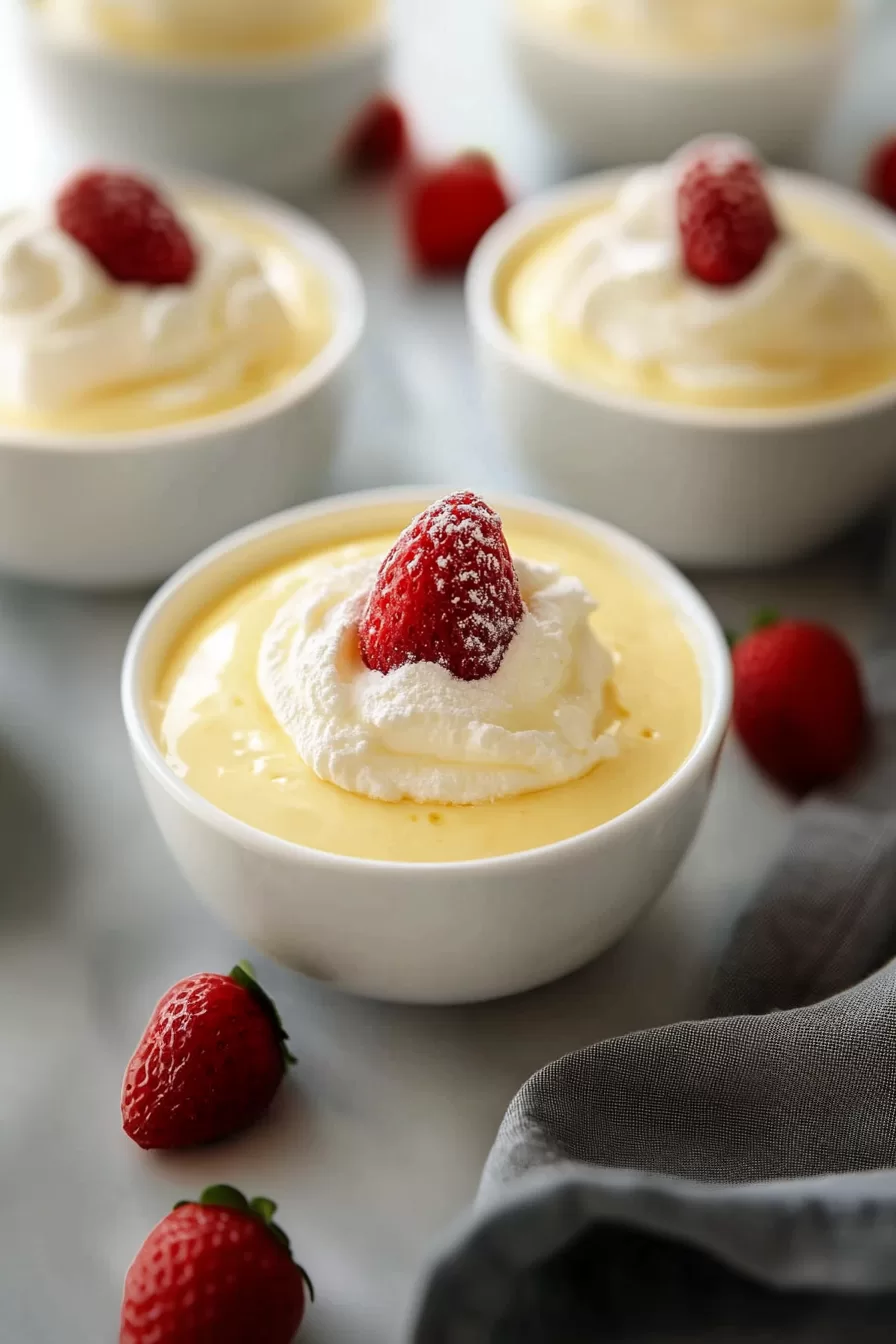
A silky, spoon-licking vanilla pudding made with whole milk, egg yolks, and a little butter is basically the hug your afternoon needed. Sweet, creamy, and quietly nostalgic.

This easy stovetop treat smells like warm vanilla and childhood dreams (the good kind). Don’t be surprised if it becomes your new go-to craving on chilly evenings or after a long Tuesday.

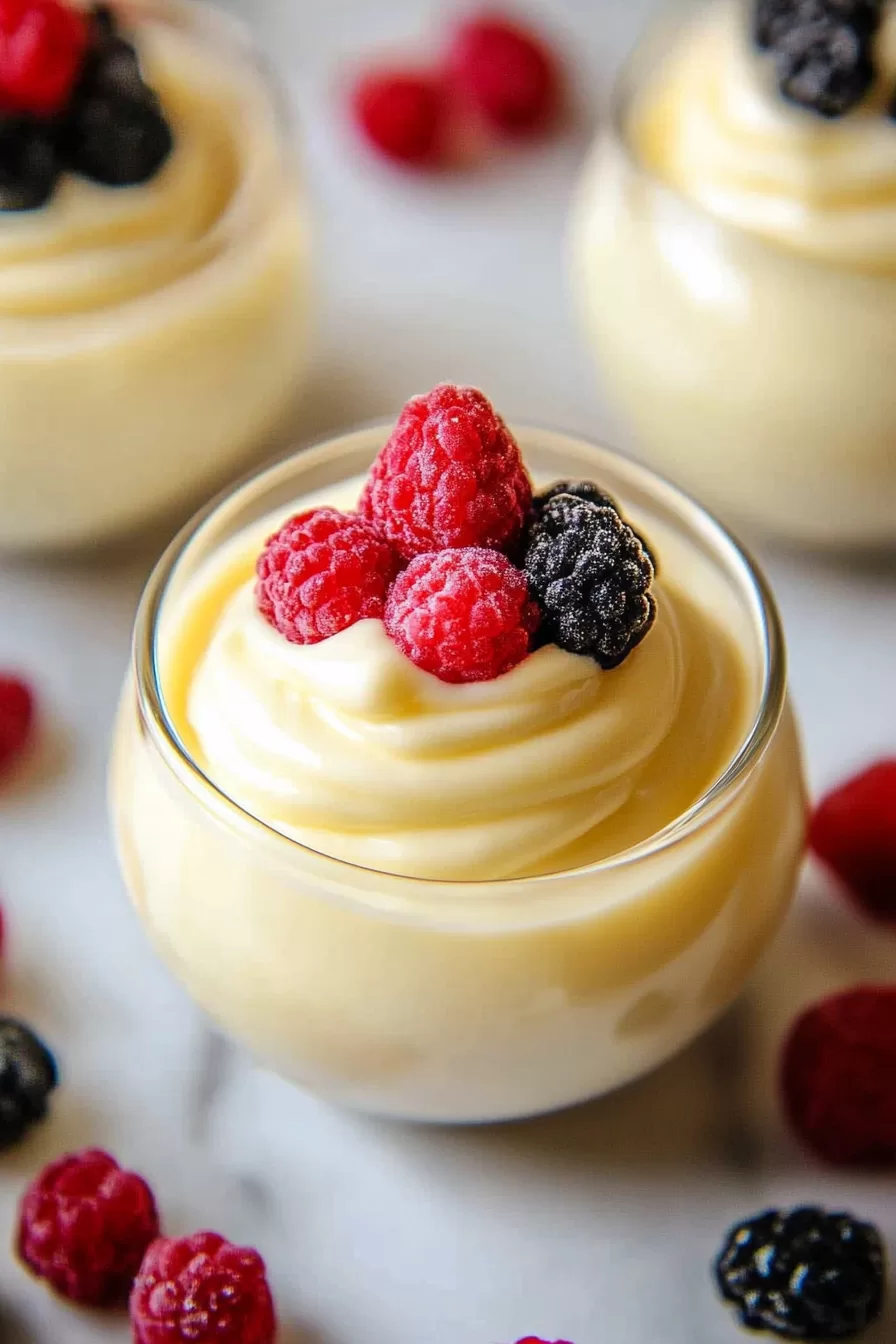
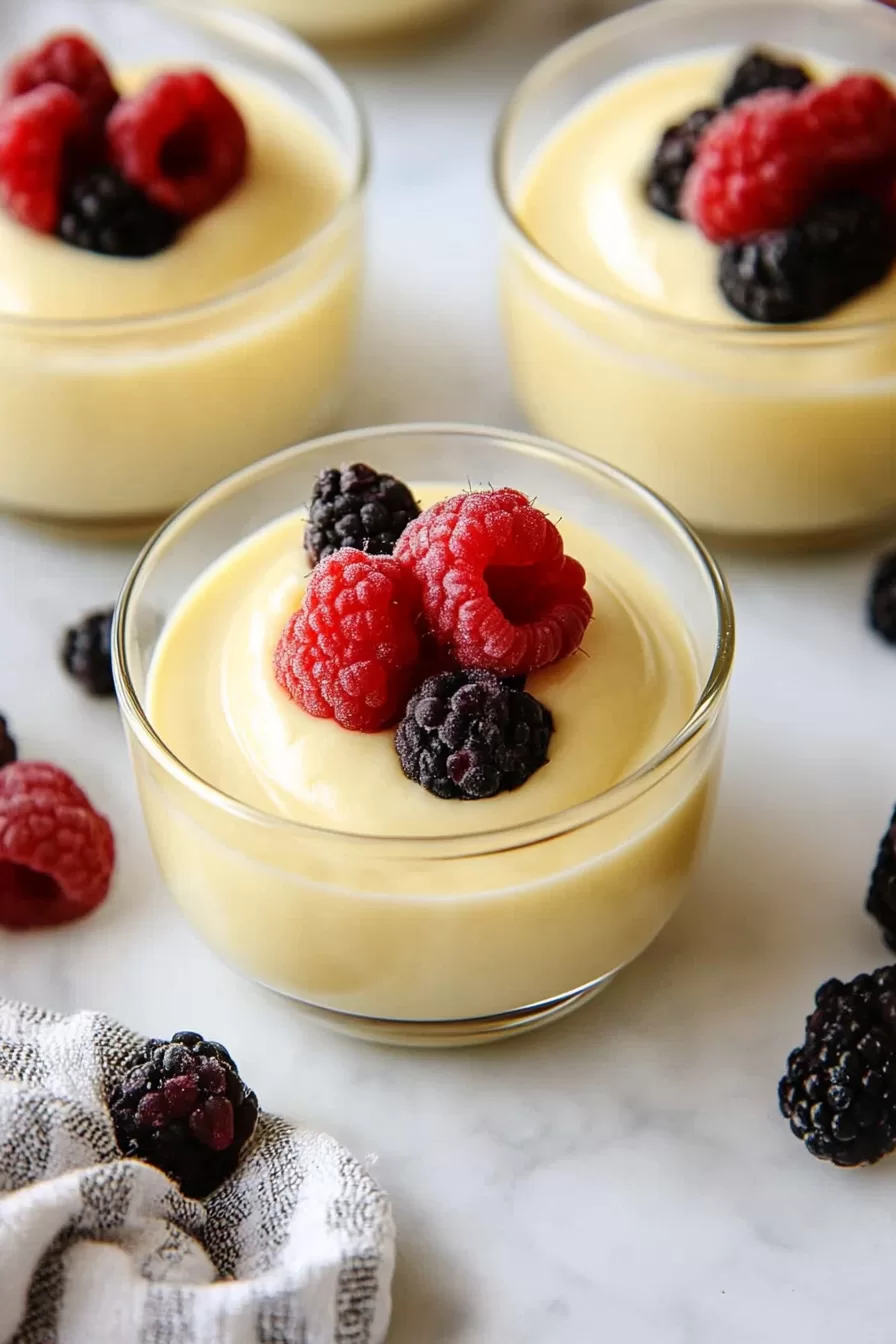
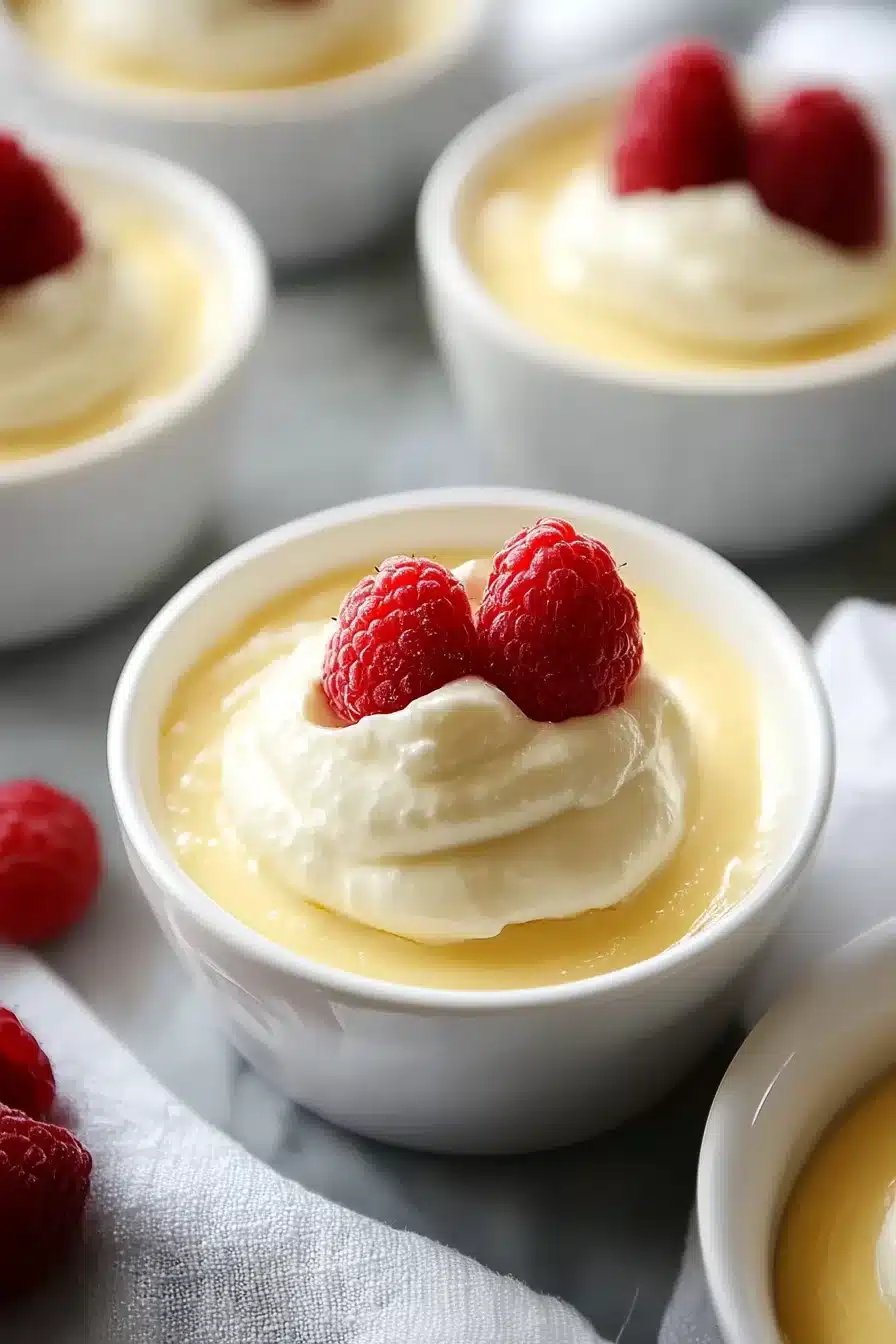
Honestly, you’re just gently whisking your way to something soft, sweet, and unfussy. This vanilla pudding is smooth, soothing, and slightly luxurious—all without a mixer or a ton of dishes. The kind of dessert that feels like comfort food but tastes like you planned ahead. Have it straight from the fridge with whipped cream, or be fancy and add berries. No wrong answers here.

Table of Contents

Vanilla Pudding

Why You’ll Love this Vanilla Pudding

Look, there are a lot of desserts out there trying too hard. This vanilla pudding doesn’t. It just quietly wins your heart.

  • Ridiculously simple to make: You just whisk, heat gently, and try not to scramble the eggs (I’ll walk you through it).
  • Super smooth and creamy: Like, soft-blanket-for-your-mouth level creamy.
  • Versatile toppings welcome: Berries, crushed cookies, whipped cream, or a drizzle of caramel if you’re feeling chaotic.
  • No fancy ingredients needed: Everything’s probably already hanging out in your pantry or fridge.
  • Tastes like real vanilla: Because it uses, you know, actual vanilla. Not some questionable “vanilla-like essence.”
  • Feels fancy, requires zero drama: Serve in a teacup or eat it straight from the pot. Either way, it’s elegant-ish.

Vanilla Pudding

Ingredient Notes

The ingredient list is refreshingly short, but each thing actually matters, so here’s a quick rundown.

  • Granulated sugar: Adds just the right sweetness, and helps the pudding set with a smooth finish.
  • Cornstarch: This is your thickener. Skip it, and you’ll end up with sweet vanilla soup.
  • Whole milk: Adds richness, but if you need to sub with 2%, it works. Just a little less creamy.
  • Salt: Don’t skip it. A tiny bit brings all the sweet and vanilla flavor to life.
  • Egg yolks: These mellow the sweetness and help create that custard-like texture. Whisked late to prevent scrambling.
  • Unsalted butter: For that final silkiness and just a touch of indulgence.
  • Vanilla extract: Please, use real vanilla extract. You’ll taste the difference instantly.

Vanilla Pudding

How To Make This Vanilla Pudding

This whole thing comes together peacefully on your stovetop. No rushing, no chaos—just a steady whisk and a little patience.

  • Whisk your dry ingredients and milk: In a medium saucepan, whisk together sugar, cornstarch, milk, and salt over medium heat. Stir often. You want it smooth, not lumpy (lumps = sadness).

  • Start warming things up: Once you see a little bubbling around the edges (just flirty little bubbles, not a full boil), remove the pan from heat. You’re going to temper the eggs now, which sounds intense but just means “don’t make scrambled eggs.”

  • Temper the egg yolks: In a separate heat-safe bowl, lightly whisk the egg yolks. Ladle in half the hot milk mixture slowly, whisking constantly so the yolks gradually warm up without cooking too fast.

  • Recombine everything: Pour the egg mixture back into the rest of the milk in the pot while whisking. Return everything to medium-low heat. Keep whisking until the pudding thickens and coats your spoon. This takes a few minutes but trust the process.

  • Finish with vanilla and butter: Take the pot off the heat. Stir in the butter and the vanilla extract until smooth and glossy. If you’re going for extra-smooth pudding, go ahead and strain it through a fine mesh sieve now.

  • Chill and set: Pour the pudding into bowls (or one big dish if you’re lazy like me) and press plastic wrap right on the surface. This stops that weird skin from forming. Let it cool, then refrigerate until fully chilled and set.

Vanilla Pudding

Storage Options

This pudding plays a long game in the fridge. Once cooled and covered (don’t forget the plastic wrap touching the surface), it’ll keep happily in the fridge for up to four days. Longer than that, and the texture can get a little…questionable, especially once it starts trying to separate.

As for freezing? I mean, technically yes. But when thawed, the texture turns a bit grainy and weepy. It won’t hurt you, it just won’t be that luxurious spoonful you remember. I usually recommend keeping this one in the cold but not icy zone.

And if you’re the kind of person who microwaves cold things “just a bit”—you can gently reheat the pudding in short microwave bursts or over low heat on the stovetop. Stir it often, and don’t let it boil, or you’ll end up in scrambled egg territory again.

Variations and Substitutions

Once you’ve got the rhythm of this pudding down, it’s a blank canvas waiting for your weird (or wonderful) add-ins.

  • Plant-based milk: Oat milk can work pretty well if you’re aiming for dairy-free. Just make sure it’s one with some body—not the watery kind.
  • Brown sugar instead of white: This adds a caramelly twist and makes it feel a little like butterscotch pudding’s cousin.
  • Infused milk: Before you start, try warming the milk with split vanilla beans or even steeped Earl Grey tea. Strain before using. Fancy.
  • Chocolate swirl effect: Drizzle in a spoonful of melted chocolate during the cooling phase and give it a light stir, so it ribbons through.
  • Coconut pudding vibes: Use half coconut milk and top with toasted coconut shreds. Extra good in tiny tiki glasses.

Vanilla Pudding

What to Serve with Vanilla Pudding

Pudding alone is solid. But if you want to zhuzh it up, here are some personal favorites (and a few happy accidents).

  • A warm, buttery something: Think shortbread cookies or a crisp biscotti on the side. That contrast—the cold creaminess and the crunchy bite—just works. Bonus if you dip.

  • Berries like it’s summer: A handful of fresh raspberries or sliced strawberries instantly makes vanilla pudding feel fancier than it is. Try macerating the fruit with a little sugar to make them glossy and jammy.

  • Crushed cookies or graham crackers: Sprinkle them on top for texture. Or layer them parfait-style like a lazy trifle. Vanilla pudding + crushed chocolate chip cookies? Yes, please.

  • Something savory-ish first: If you’re planning this for dessert, pair it after something like Greek sheet-pan chicken or anything bright and herby. Pudding makes that contrast feel extra special.

Vanilla Pudding

Frequently Asked Questions

Why is my vanilla pudding lumpy?

If your pudding turned out lumpy, it’s likely because the mixture heated too quickly or the egg tempering step was rushed. Next time, keep the heat medium-low and whisk the hot milk into the egg yolks very gradually. You can also strain the finished pudding through a fine mesh sieve to smooth it out if lumps sneak in.

Can I use non-dairy milk?

Yes, non-dairy milk like oat or almond can work, though the pudding may be a touch less creamy. Go for unsweetened and unflavored varieties so the vanilla shines through. Oat milk tends to give the best results thanks to its natural richness.

How do I make it thicker?

If your pudding didn’t set up as thick as you’d like, you can increase the cornstarch slightly next time. Just don’t overdo it, or you’ll end up with a gluey texture. A balance between cornstarch and milk is key—also, make sure it cooks long enough to truly thicken before chilling.

Can I make this ahead for a party?

Absolutely. In fact, it gets better after a few hours in the fridge. Make it the day before, cover with plastic wrap (touching the pudding to avoid a skin), and chill. When ready to serve, just top with whatever extras you love—maybe some whipped cream and berries for a little drama.

Vanilla Pudding

Classic Vanilla Pudding

Prep Time 10 minutes
Cook Time 15 minutes
Chilling Time (minimum) 2 minutes
Total Time 2 hours 30 minutes
A silky, spoon-licking classic vanilla pudding made with whole milk, egg yolks, and a touch of butter. Sweet, creamy, and quietly nostalgic—this easy stovetop treat delivers pure comfort with every bite.
4 servings

Ingredients

  • 1/2 cup (100 g) granulated sugar
  • 3 tbsp (24 g) cornstarch
  • 1/4 tsp (1.5 g) salt
  • 2 cups (475 ml) whole milk 2% milk works, just a little less creamy
  • 3 large egg yolks
  • 2 tbsp (28 g) unsalted butter cut into pieces, at room temperature
  • 2 tsp (10 ml) pure vanilla extract

Equipment

  • Medium saucepan
  • Whisk
  • Fine mesh sieve (optional)
  • Mixing bowl

Instructions
 

  1. In a medium saucepan (off heat), whisk together the sugar, cornstarch, and salt. Gradually whisk in the milk to make a smooth mixture with no lumps.
  2. Place the saucepan over medium heat and cook, whisking frequently, until the mixture starts to bubble gently around the edges. Do not let it fully boil. Remove from heat.
  3. In a separate heat-safe bowl, lightly whisk the egg yolks. Slowly ladle about half of the hot milk mixture into the yolks, whisking constantly to prevent scrambling.
  4. Pour the egg mixture back into the saucepan with the remaining milk mixture. Return to medium-low heat. Cook, whisking constantly, until the pudding thickens and coats the back of a spoon, about 2-4 minutes.
  5. Remove pudding from the heat. Whisk in the butter and vanilla extract until fully melted and smooth. For extra-smooth pudding, strain through a fine mesh sieve into a clean bowl if desired.
  6. Pour pudding into individual bowls or a single serving dish. Press plastic wrap directly onto the surface of the pudding to prevent a skin from forming. Let cool to room temperature, then refrigerate until fully chilled and set, at least 2 hours.
  7. Serve chilled, topped with whipped cream, berries, or crushed cookies as desired.

Notes

This pudding keeps in the fridge (covered and with plastic wrap on the surface) for up to 4 days. Longer storage may result in separation. Freezing is not recommended, as the texture turns grainy when thawed. For make-ahead, prepare a day in advance and chill well before serving.
Variations: Try replacing some milk with coconut milk for a tropical twist, or swap brown sugar for a caramel vibe. Infuse the milk with vanilla bean or tea for extra flavor. Oat milk can be used for a dairy-free version (texture will vary).

Nutrition

Calories: 217kcal | Carbohydrates: 28g | Protein: 5g | Fat: 9g | Saturated Fat: 5g | Cholesterol: 137mg | Sodium: 159mg | Potassium: 201mg | Sugar: 21g | Vitamin A: 430IU | Calcium: 138mg | Iron: 0.3mg

Buttermilk-brined, spice-kissed, and fried to golden, craggy perfection, these buttermilk fried chicken tenders are made with juicy chicken, garlic, paprika, and a crispy flour coating.

Grab a napkin (maybe two). These buttermilk fried chicken tenders are the crispy-on-the-outside, ridiculously-juicy-on-the-inside kind of magic that fills the kitchen with smells no one can resist. You’ve got that creamy tang from the buttermilk, a little back-of-the-throat nudge from cayenne and hot sauce (if you’re going bold), and the kind of crunch that’s just… audible. Like, “wait, did someone just bite into joy?” kind of audible.

This isn’t some complicated three-day ordeal. Just a simple marinade, a flavorful dredge you can whip up with pantry staples, and a shallow pan of hot oil. Fry a batch and serve ‘em with your favorite dunking sauces (I won’t tell if you mix ranch with Sriracha). Great for weeknights, weekends, and basically any time the craving strikes. Which is often. Honestly.

Table of Contents

Buttermilk Fried Chicken Tenders

Why You’ll Love this Buttermilk Fried Chicken Tenders

No fuss, no fancy tricks—just crispy, juicy chicken that tastes like it came from your favorite diner minus the sticky vinyl booths.

  • Tender, juicy chicken every time: The buttermilk marinade isn’t just for kicks. It makes the chicken unbelievably tender and subtly tangy.
  • That big-crunch texture: Thanks to cornstarch and a heavy-hitting dredge, you get that satisfying golden crust.
  • Pantry spice magic: Garlic, paprika, cayenne… they’re all in there, doing the good work in the background.
  • Flexible flavor profile: Want it spicy? Add extra hot sauce. Prefer it plain? Skip the cayenne. You’re in charge here.
  • Doesn’t need a deep fryer: A simple skillet with oil does the trick and makes the house smell like comfort.
  • Kid-friendly but grown-up approved: You can plate these with ketchup or aioli and everyone’s oddly quiet for a bit—because they’re chewing.

Buttermilk Fried Chicken Tenders

Ingredient Notes

You’ll be surprised how many of these are already in your cupboard, whispering “make tenders” every time you grab the cinnamon.

  • Buttermilk: Not just for biscuits. It tenderizes and adds that tangy background note. If you’re in a pinch, a mix of milk plus lemon juice or vinegar works.
  • Hot sauce (optional): Brings a subtle heat to the marinade. Add more if you like it fiery or skip if you’re keeping it chill.
  • Garlic powder & onion powder: These help build a deep, savory base. They show up in both the marinade and dredge for all-around flavor.
  • Smoked paprika: Adds warm, smoky depth that plays beautifully with the crispy fried coating.
  • All-purpose flour: Our main dredge player. Gives body but needs a little help for the ultimate crunch.
  • Cornstarch: The real MVP of cowabunga-level crispiness. Combines beautifully with flour to create that snappy crust.
  • Cayenne pepper (optional): Just enough to keep things interesting without stealing the spotlight.
  • Baking powder: Yes, a little lift in the coating makes things extra flaky and light—trust the process.
  • Chicken tenders: Pre-portioned, quick-cooking, and easy to marinate. Just make sure they’re fully thawed.

Buttermilk Fried Chicken Tenders

How To Make This Buttermilk Fried Chicken Tenders

Okay, apron on? Let’s do the dance. Set aside a little marinating time and we’ll take it from there in crispy, golden strides.

  • Make your buttermilk marinade: In a big bowl, whisk together the buttermilk, hot sauce (if you’re into that), garlic powder, onion powder, smoked paprika, salt, and pepper. Dunk the chicken tenders in there like they’re taking the world’s coziest bath. Make sure they’re fully submerged.

  • Marinate and chill: Cover the bowl or slide everything into a zip-top bag. Pop it in the fridge for at least 2 hours. Overnight is even better if you’ve got the time—but I won’t judge if you only remember an hour ahead.

  • Mix up the dredge: In a shallow dish, stir together the flour, cornstarch, more smoked paprika, garlic and onion powders, cayenne, salt, pepper, and baking powder. Give it a whisk or fork mix so it’s nicely combined.

  • Heat the oil: In a heavy skillet or Dutch oven, pour vegetable oil about 2–3 inches deep. Heat it over medium-high until it reaches 350°F. A thermometer helps here; we want crisp, not burnt.

  • Dredge the chicken: Take the chicken out of the marinade and let the excess drip off. Now coat each piece in the flour mix, pressing gently so it sticks well and thoroughly. Let them hang out on a baking sheet for 10 minutes while the oil finishes heating. This little rest makes all the difference.

  • Fry in batches: Carefully lower the tenders into the oil, working in small batches to avoid crowding. Fry for about 4–5 minutes per side, until the outside is golden-brown and the inside hits 165°F. Use tongs or a slotted spoon to flip and retrieve them.

  • Drain and serve: Transfer the fried tenders to a wire rack over a baking sheet (better than paper towels—it keeps them crisp). Let them cool slightly before digging in. Serve hot with sauces of your choice. Or just, you know, straight up.

Buttermilk Fried Chicken Tenders

Storage Options

So you’ve made a mountain of tenders and somehow didn’t inhale them all? First of all, impressive restraint.

Let leftovers cool completely before storing. Then tuck them into an airtight container and pop them in the fridge. They’ll keep well for about 3 days. I recommend reheating in the oven (350°F for around 10–12 minutes) or an air fryer to get that crunch back. Microwaving is fast, sure, but it’ll turn your dazzling coating into mush-town. Just saying.

Now, for the freezer folks: Yes, you can absolutely freeze these. Let the tenders cool, then flash-freeze them on a baking sheet before transferring to a freezer bag. That prevents clumping. Reheat straight from frozen in the oven or air fryer (tack on an extra 4–5 minutes). They’ll be ready when sizzling and hot through the center.

Variations and Substitutions

You can play with the mood and spice level of these tenders depending on who’s at the table (and what you’ve got in the pantry).

  • Non-dairy option: Swap buttermilk for a plant-based milk mixed with a tablespoon of lemon juice or apple cider vinegar. Almond milk works great.
  • Extra crispy coating: Double-dip the tenders: dredge, chill, then dredge again before frying for that hefty crunch people go wild for.
  • Heat lovers, rejoice: Add more cayenne or pickled jalapeño juice to the marinade. Feel free to dust with chili powder post-fry for bonus drama.
  • Herby seasoning swap: Sub smoked paprika with Italian herbs for a more mellow, savory vibe. Basil + oregano hits different (in a good way).
  • Baked instead of fried: Not quite the same, but still tasty. Bake at 400°F on a greased rack for 20–25 minutes, flipping halfway through.

Buttermilk Fried Chicken Tenders

What to Serve with Buttermilk Fried Chicken Tenders

Let’s talk sides because, let’s be honest, tenders need friends on the plate. And maybe a sauce or three on the side.

Pair these with something cozy, something punchy, or… both. Why not.

  • Creamy coleslaw does wonders—the crunch-on-crunch combo just works. The creamy dressing cools down spicy tenders and adds that creamy-tangy contrast.

  • Sweet potato fries, seasoned with a little cinnamon and cayenne, are a perfect partner. Slightly sweet, nicely crisp, and great for dunking in honey mustard.

  • A big pickle-y cucumber salad or dill-heavy potato salad freshens up the plate. That brightness offsets the rich, golden crust like a dreamy palate cleanser.

  • Biscuits, obviously. Or if you’re feeling adventurous, a batch of these bacon basil cornbread muffins plays ridiculously well with fried chicken.

  • And for a sweet finish? Try these peanut butter & banana ice cream sandwiches. Salty-sweet heaven after a fried feast.

Buttermilk Fried Chicken Tenders

Frequently Asked Questions

Can I make the marinade ahead of time?

Sure can. Just mix everything together and store it in the fridge up to 24 hours before you’re ready to use it. When you’re ready, drop the chicken right in and give it at least 2 hours of soak-time. Overnight is great if you’re planning ahead, but even those 2 hours make a noticeable difference in tenderness and flavor.

What oil is best for frying chicken tenders?

Go for a neutral oil with a high smoke point like vegetable, canola, or peanut oil. They won’t mess with the flavor of the coating and can handle the heat. Stay away from olive oil here—it breaks down quickly at high temps and can turn bitter.

Do I really need a thermometer?

You don’t absolutely need one to fry, but it sure helps to keep things consistent. If frying without one, drop in a small piece of dredged chicken—it should sizzle eagerly but not spit violently. If it browns before 4 minutes, the oil’s too hot. If it just floats and sighs, too cool. A thermometer just takes out the guesswork.

Can I use this coating on other proteins?

Absolutely. This dredge works well on boneless pork chops, tofu (press it first), or chicken thighs. If using fish, go easy on the cayenne and fry a little cooler to keep the crust crispy but delicate. And if you’re getting wild, try it with mushrooms for a veggie twist.

Buttermilk Fried Chicken Tenders

Buttermilk Fried Chicken Tenders

Prep Time 20 minutes
Cook Time 20 minutes
Marinating Time 2 hours
Total Time 2 hours 40 minutes
Buttermilk-brined, spice-kissed, and fried to craggy golden perfection, these buttermilk fried chicken tenders are juicy inside, crunchy outside, and crave-worthy every time. With a simple marinade, a well-seasoned flour dredge, and a quick fry, you get diner-quality chicken at home—no deep fryer needed. Serve with your favorite sauces!
4 servings

Ingredients

Buttermilk Marinade

  • 1 cup (240 ml) buttermilk or milk + 1 tbsp lemon juice or vinegar
  • 1-2 tbsp (15-30 ml) hot sauce optional, add to taste
  • 1 tsp garlic powder
  • 1 tsp onion powder
  • 1 tsp smoked paprika
  • 1 tsp kosher salt
  • 1/2 tsp (0.5 tsp) black pepper freshly ground

Chicken

  • 1 1/2 lbs (680 g) chicken tenders or boneless, skinless chicken breasts cut into strips

Crispy Dredge

  • 1 1/2 cups (187 g) all-purpose flour
  • 1/2 cup (60 g) cornstarch
  • 1 tsp smoked paprika
  • 1 tsp garlic powder
  • 1 tsp onion powder
  • 1/2 tsp (0.5 tsp) cayenne pepper optional, more or less to taste
  • 1 1/2 tsp (1.5 tsp) kosher salt
  • 1 tsp black pepper freshly ground
  • 1 tsp baking powder

For Frying

  • 2-3 cups (500-750 ml) vegetable oil or other neutral oil for frying, as needed

Equipment

  • Mixing bowls
  • Whisk
  • Shallow Dish
  • Heavy Skillet or Dutch Oven
  • Tongs
  • Wire rack
  • Baking sheet
  • Meat Thermometer (optional)

Instructions
 

  1. Make the marinade: In a large bowl, whisk together buttermilk, hot sauce (if using), garlic powder, onion powder, smoked paprika, salt, and black pepper. Add chicken tenders and toss to coat thoroughly. Cover and refrigerate at least 2 hours, up to overnight.
  2. Prepare the dredge: In a shallow dish, mix flour, cornstarch, smoked paprika, garlic powder, onion powder, cayenne (if using), salt, black pepper, and baking powder. Whisk or use a fork to combine evenly.
  3. Heat oil: In a heavy skillet or Dutch oven, pour vegetable oil 2–3 inches deep and heat to 350°F (175°C) over medium-high. A thermometer is helpful for accuracy.
  4. Dredge the chicken: Remove each tender from the marinade, letting excess drip off. Thoroughly coat in the flour mixture, pressing well for maximum coverage. Place coated tenders on a baking sheet and let rest 10 minutes while oil comes to temperature.
  5. Fry: Fry tenders in batches, without crowding, for 4–5 minutes per side until golden brown and internal temperature reaches 165°F (74°C). Flip halfway through using tongs or a slotted spoon.
  6. Drain & serve: Transfer fried tenders to a wire rack set over a baking sheet. Cool slightly. Serve hot with your favorite sauces and sides.

Notes

Storage: Cool leftovers completely, store in an airtight container, and refrigerate up to 3 days. For best results, reheat in a 350°F oven or air fryer for 10–12 minutes for crispiness. Freeze cooked tenders in a single layer and transfer to a freezer bag; reheat from frozen, adding 4–5 more minutes.
Variations: Double-dip in the dredge for extra crispy tenders; swap buttermilk for non-dairy milk + lemon juice for a dairy-free version.

Nutrition

Calories: 410kcal | Carbohydrates: 31g | Protein: 33g | Fat: 16g | Saturated Fat: 3g | Cholesterol: 90mg | Sodium: 1126mg | Potassium: 560mg | Fiber: 1g | Sugar: 2g | Vitamin A: 480IU | Vitamin C: 2mg | Calcium: 72mg | Iron: 2.7mg

Let's Get Cooking!

100+ Recipes for Busy Nights

In a time crunch? Take a look around and browse plenty of recipes to help you get dinner ready and on the table on those busy nights!

Sweet Recipes

Pumpkin Banana Muffins

Pumpkin Banana Muffins Recipe

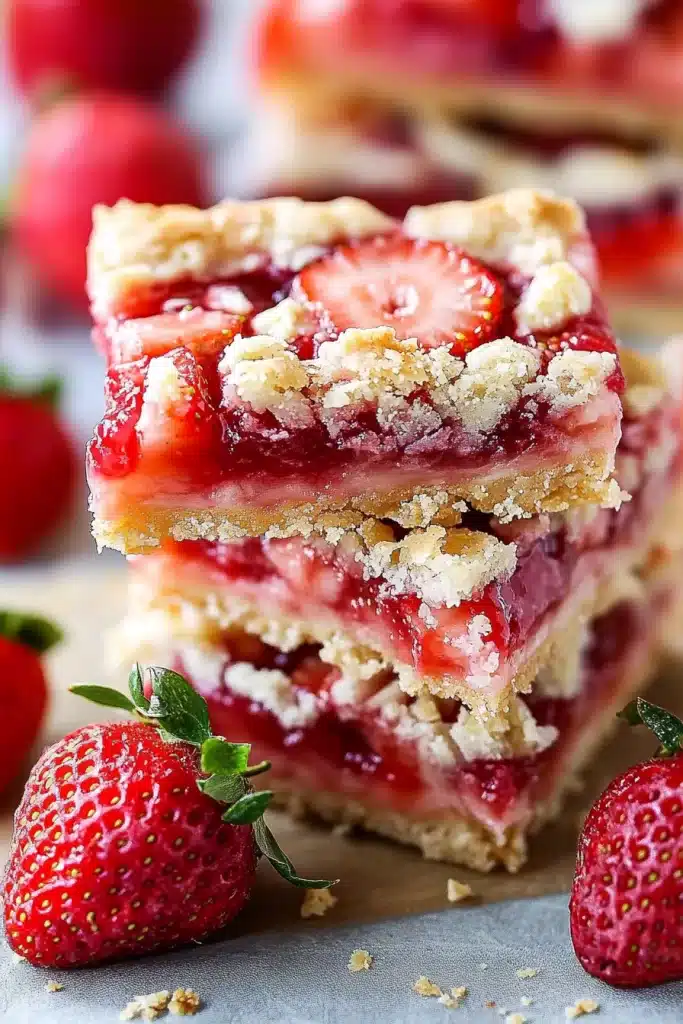
Strawberry Pie Bars

Strawberry Pie Bars Easy Oven Recipe

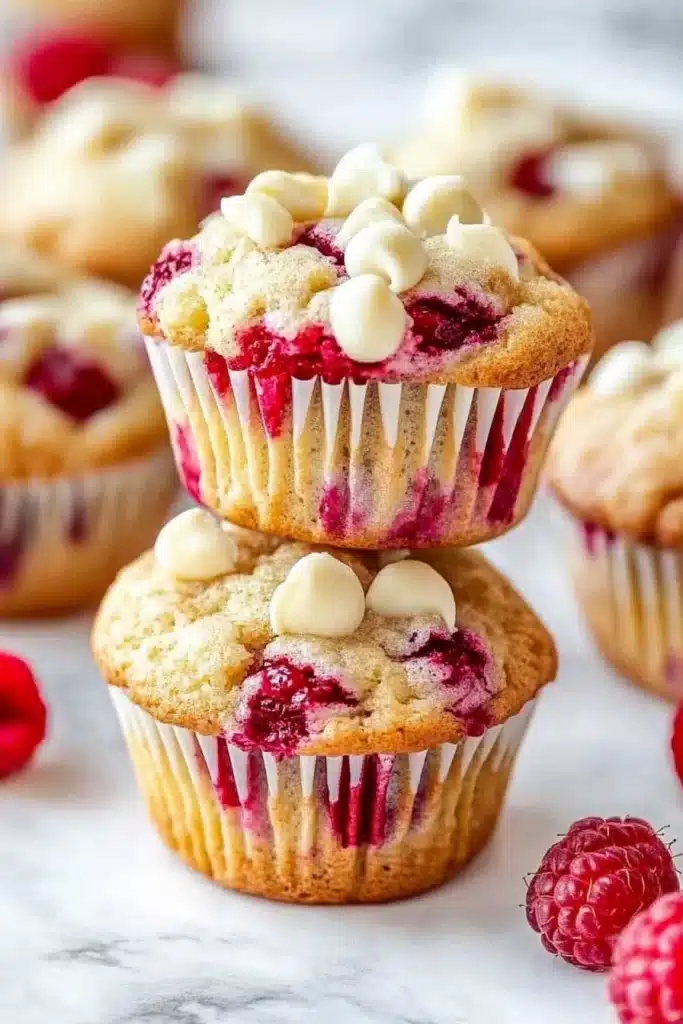
White Chocolate Raspberry Muffins

White Chocolate Raspberry Muffins Recipe

Snickerdoodle Muffins

Snickerdoodle Muffins Recipe for Oven

PIN NOW

Follow KitchenetteBlog on Pinterest

Love cozy recipes that actually make it to the table? On Pinterest, I share new comfort-food ideas every week—desserts, dinners, and those little snack cravings that hit at midnight. Come pin with me and never run out of kitchen inspo.

Savory Recipes

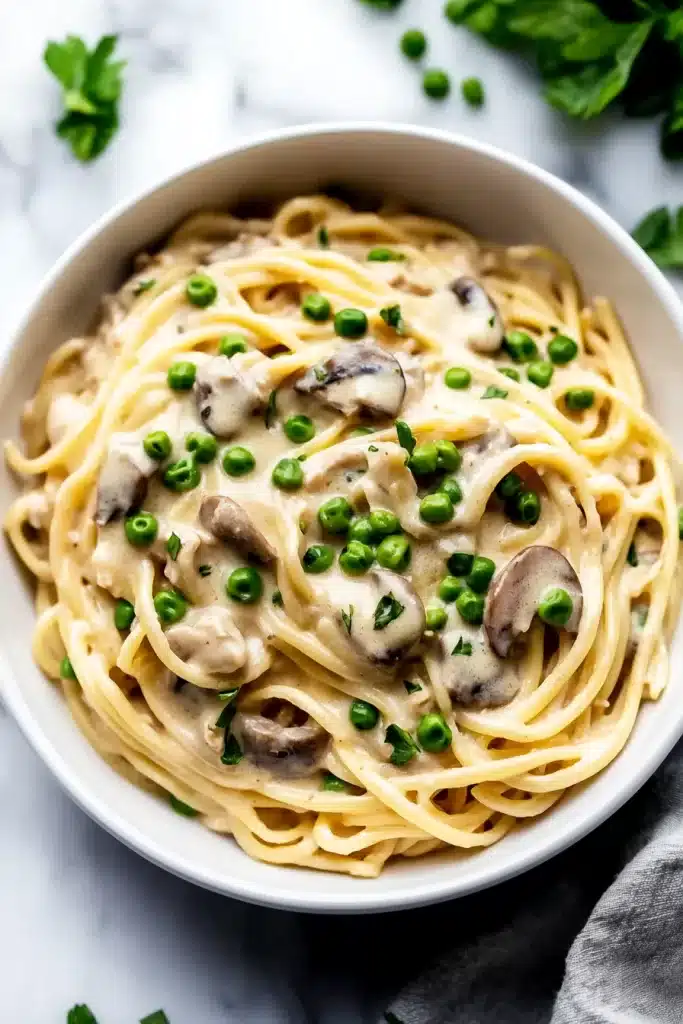
Turkey Tetrazzini

Turkey Tetrazzini Baked Pasta Recipe

Grilled Chicken Panini Sandwich

Grilled Chicken Panini Sandwich Recipe

Sweet Potato Cornbread

Sweet Potato Cornbread Recipe Oven Baked

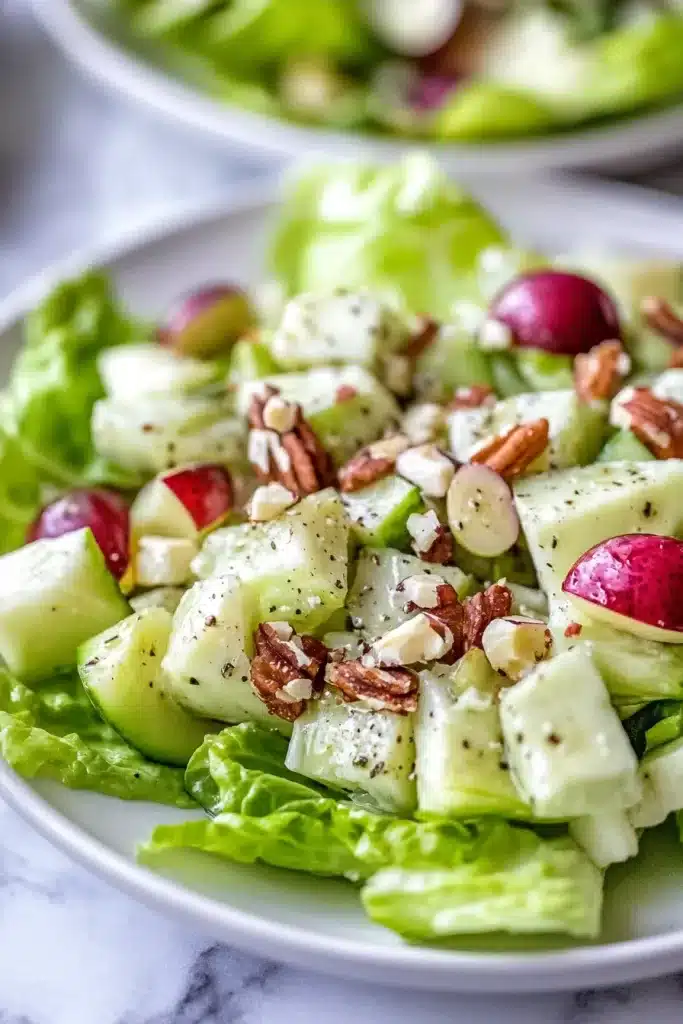
Classic Waldorf Salad

Waldorf Salad Simple Classic Recipe

Get 5 Recipes to Simplify Your Life!

Delicious, versatile recipes you can make over and over.