
A good ginger cranberry sauce should taste like fruit that has been cooked, not like jam that happens to be red. That means less sugar than most recipes call for, a much shorter time on the stove, and crystallized ginger going in at two different moments so some of it dissolves and some of it stays chewy.
The ginger cranberry sauce that used to sit on this page simmered for close to thirty minutes and carried a cup and a quarter of sugar. That produces something stiff, sweet and slightly scorched, because the cranberries are made to sit in a heavy syrup with almost no liquid before they have released any of their own. Turning the order around fixes it: dissolve the sugar in the red wine and orange juice first, then give the berries ten or twelve minutes, then stop while it still looks too loose.
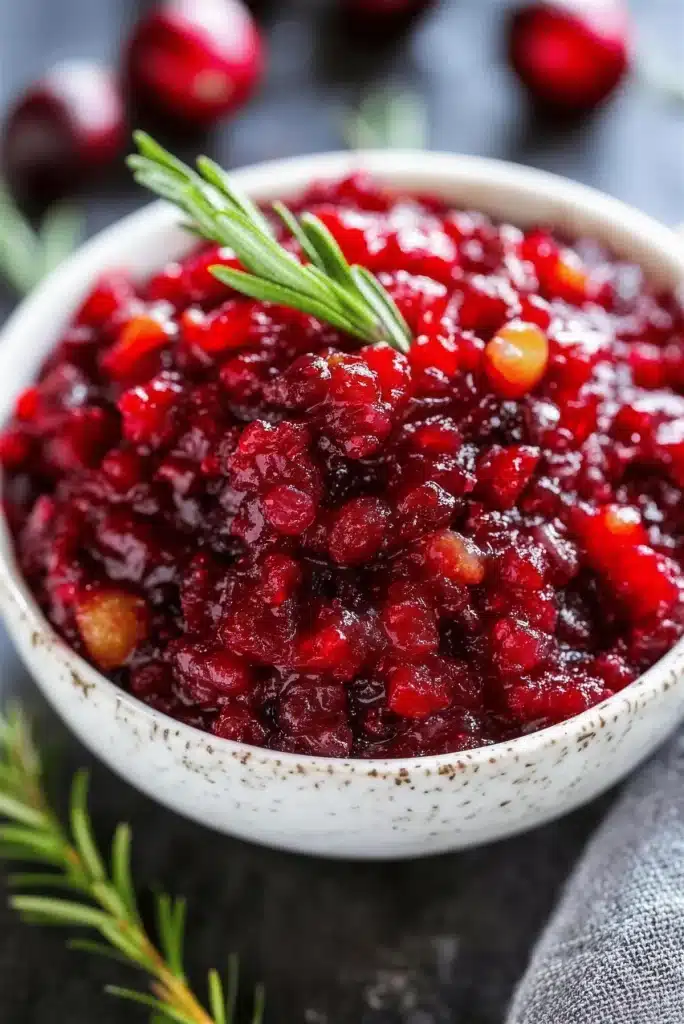
- Twenty minutes on the stove, most of which is unattended
- Half the sugar of the usual recipe, so the fruit still tastes sour
- Crystallized ginger added twice, so you get both warmth and chew
- Red wine and orange juice instead of water, which is the whole flavor
- Better on day three than on day one, so it is genuinely a make-ahead job
- One pan, and it freezes for three months


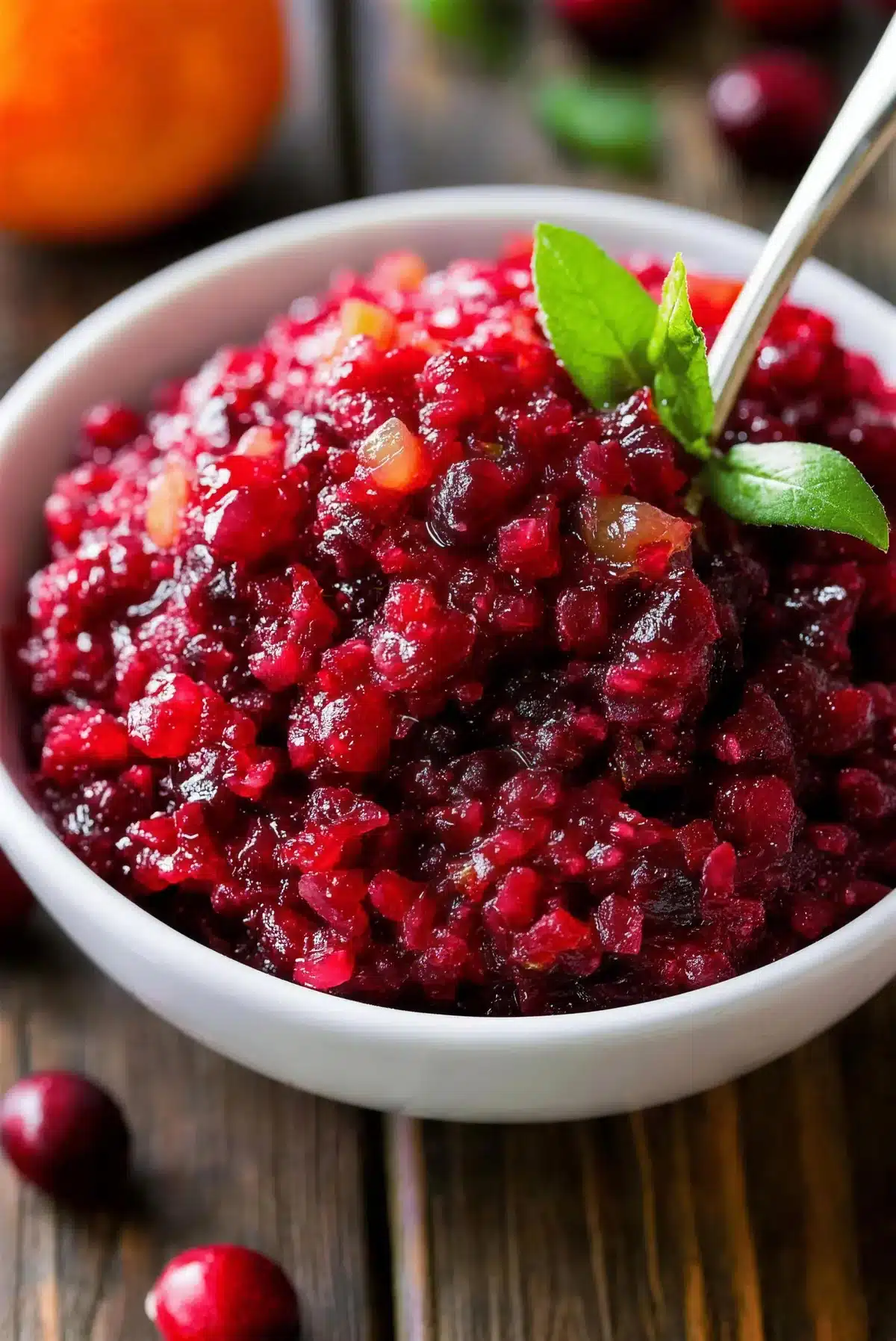
Everything below assumes you want a chunky, spoonable sauce rather than a smooth jelly out of a can.
- What Makes This Ginger Cranberry Sauce Different
- Ingredient Notes
- Sauce, Relish or Jelly: Which One Is This
- How To Make Ginger Cranberry Sauce
- Why It Looks Too Loose in the Pan
- Make It Ahead
- Storing Ginger Cranberry Sauce
- Variations and Substitutions
- What to Serve with Ginger Cranberry Sauce
- Ginger Cranberry Sauce FAQ
What Makes This Ginger Cranberry Sauce Different
Three decisions separate a bright ginger cranberry sauce from the dull, sticky kind.
The syrup goes first. Sugar dissolved into wine and juice before the fruit arrives means the pan never has 3/4 cup of liquid trying to carry a cup of sugar around dry berries. That is where scorching comes from, and it happens well before anyone notices.
Ten to twelve minutes, not thirty. Cranberries burst within about eight minutes of hitting a simmer. Everything after that is evaporation, and evaporation is what turns a sauce into a firm, dark jam that has to be spread rather than spooned.
The ginger goes in twice. Half the crystallized ginger simmers with the fruit and melts into it. The other half goes in off the heat, so it stays in identifiable chewy pieces. Put it all in at the start and you get a vaguely warm sauce with no ginger in it at all.
Get those right and this ginger cranberry sauce is worth making rather than buying.
Save this recipe
Enter your email and I’ll send this recipe straight to your inbox.
Ingredient Notes
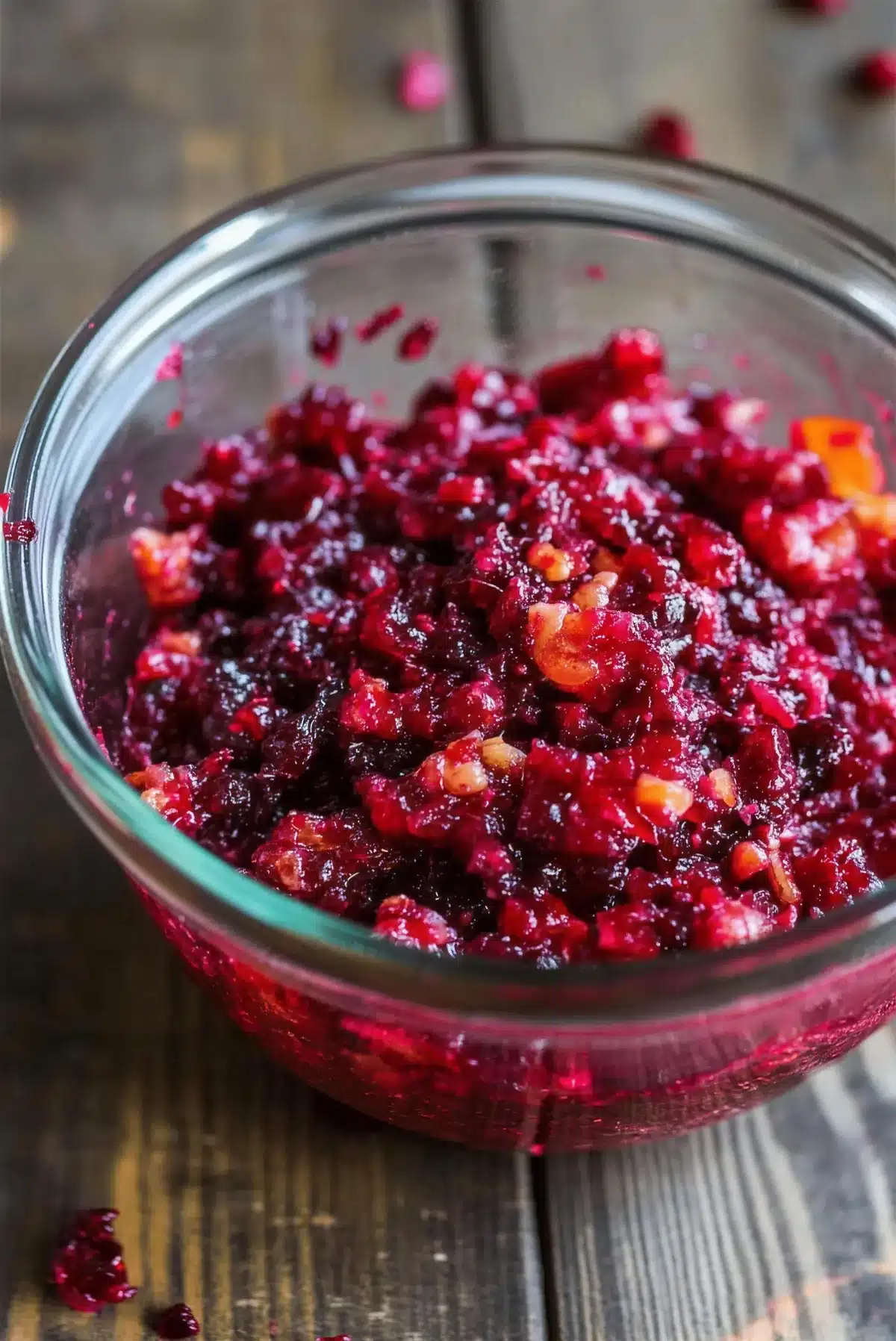
A ginger cranberry sauce is a short list, so each thing has to earn its place. Exact amounts are in the recipe card below.
- Cranberries: one 12-ounce bag, fresh or frozen. Frozen go in without thawing and need about two extra minutes.
- Sugar: 3/4 cup, which is a third less than most recipes. The crystallized ginger brings its own sugar with it, and a cranberry that still tastes sour is the point of putting it next to turkey.
- Dry red wine: half a cup. Something with tannin and not much oak. A leftover pinot noir or a cheap cotes du rhone is ideal, and non-alcoholic works if you add an extra teaspoon of lemon juice.
- Crystallized ginger: a quarter cup, minced small. Not fresh ginger, which gives heat but no chew, and not ground, which turns the whole thing muddy.
- Orange and lemon: zest from both, juice from both. The lemon juice is not in the original recipe and it should be, because sugar plus wine plus cooked fruit needs something sharp to land against.
- Cinnamon stick: one, whole, fished out at the end. Ground cinnamon makes it gritty and dulls the color.
- Salt and pepper: half a teaspoon and a quarter teaspoon. Both were listed as “to taste” before, which is not an amount.
One saucepan and a zester cover the equipment.
Sauce, Relish or Jelly: Which One Is This
Sauce, relish and jelly get used interchangeably on menus and they mean different things, which matters if you are deciding what to make.
A relish is raw. Traditional cranberry relish is uncooked fruit ground with orange and sugar, sharp and slightly bitter, with a crunchy texture. It is made in five minutes in a food processor.
A sauce is cooked. Fruit simmered with sugar and liquid until the skins burst. That is what this recipe is, despite the name it has carried for years, and it is what the photographs show.
A jelly is strained. Cooked, pushed through a sieve and set firm enough to slice. The canned log at the supermarket is a jelly.
Which to make: a cooked ginger cranberry sauce holds better, freezes properly and carries spice far more convincingly, because the ginger and cinnamon need heat to get into the fruit at all. A raw relish is brighter and crunchier and lasts about four days.
How To Make Ginger Cranberry Sauce
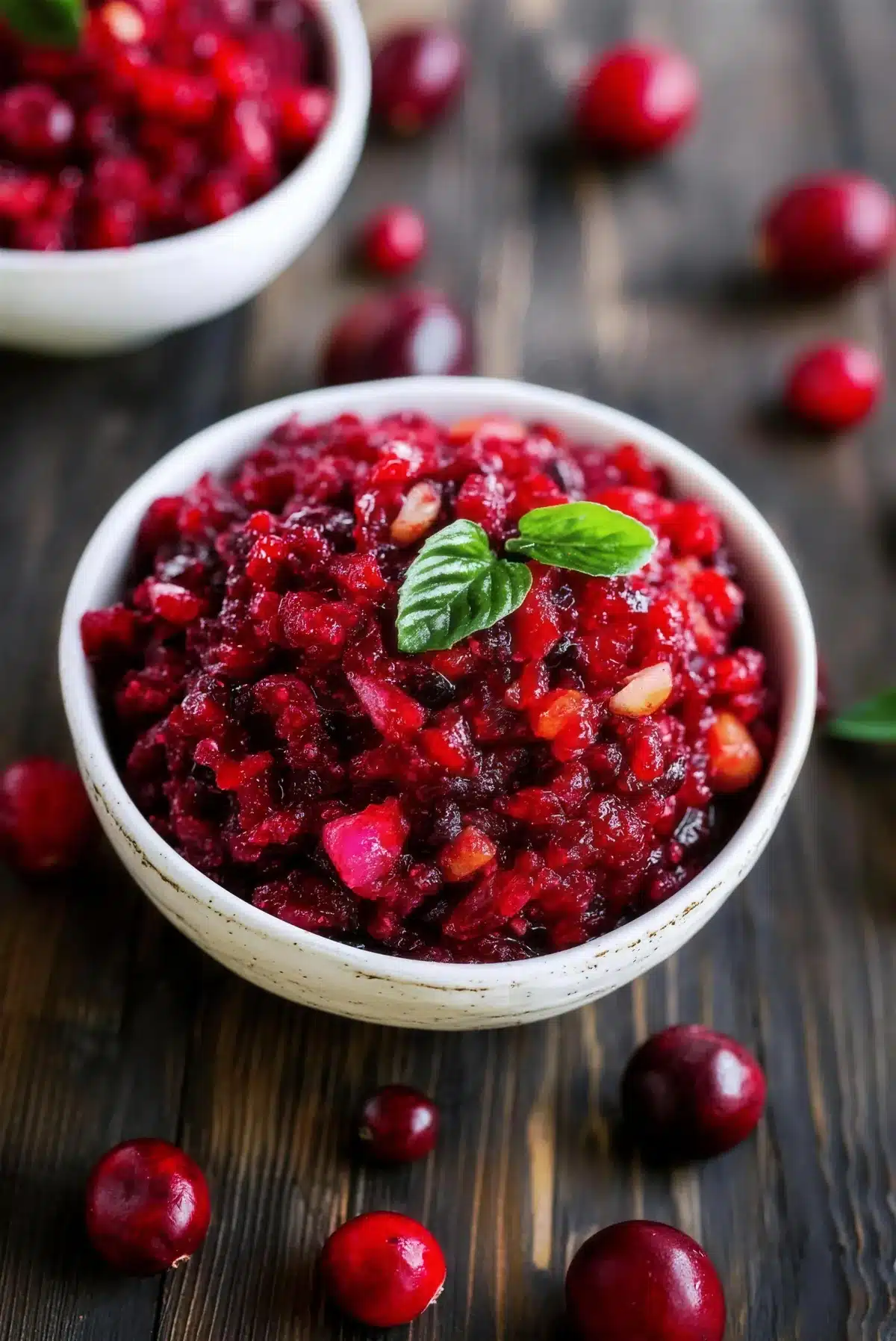
A ginger cranberry sauce is an order of operations more than a recipe. Nothing here is difficult, but doing it in the old order is what produced the sticky version.
- First, put the sugar, red wine, orange juice, both zests, the lemon juice, the cinnamon stick, salt and pepper in a medium saucepan and stir over medium heat for 3 to 4 minutes, until the sugar has completely dissolved.
- Next, add the cranberries and half the crystallized ginger, bring it to a gentle simmer and cook for 10 to 12 minutes, stirring now and then.
- Then stop when most of the berries have burst but a handful are still whole, and the sauce still slides loosely around the pan. It will look underdone. It is not.
- After that, pull it off the heat, take out the cinnamon stick, and stir in the rest of the crystallized ginger so those pieces stay chewy.
- Finally, let it cool to room temperature in the pan, which takes about an hour and is when it actually thickens. Taste it cold and add salt or lemon juice then, not while it is hot.
Why It Looks Too Loose in the Pan
This is the single most common reason people overcook a ginger cranberry sauce, so it is worth spelling out.
Cranberries are full of natural pectin. The fruit itself carries plenty of the setting agent that jams normally need added, which is why nobody adds pectin to cranberry sauce.
Pectin sets on cooling, not on heating. While the pan is hot the network has not formed, and it only builds as the temperature drops. Illinois Extension’s growers’ notes explain that the beds are flooded with six to eight inches of water at harvest, which is why so many people assume cranberries grow in water. What comes out of those beds is a fruit acidic enough and rich enough in pectin to gel without any help.
Judge it by the berries, not the thickness. When most of the skins have split, it is done, whatever the liquid is doing.
Cool it in the pan. Do not chase thickness with more heat. An hour at room temperature will do it.
If it does set too hard, stir in a tablespoon of orange juice at a time until it loosens. It comes back completely.
Make It Ahead
A ginger cranberry sauce is one of the few Thanksgiving dishes that is genuinely better made in advance, which is why it should be the first thing you cook.
Refrigerated: two weeks. The flavor keeps improving for about three days as the ginger and cinnamon move through the fruit, then holds steady.
Frozen: three months. Freeze it in a tub with a little headspace. Thaw in the refrigerator overnight and stir hard, because it separates slightly.
Doubling: straightforward. Use a wider pan rather than a deeper one so the evaporation rate stays similar, and add two minutes.
Serving temperature: cold or barely cool. A ginger cranberry sauce served warm tastes noticeably sweeter and less interesting than the same sauce out of the refrigerator.
What you cannot rush is the cooling. Made an hour before dinner it will still be warm and loose when it reaches the table, so make it the day before if you possibly can.
Storing Ginger Cranberry Sauce
- Refrigerated in a sealed jar: 2 weeks. The sugar and the fruit’s own acidity do most of the preserving.
- Frozen: 3 months in a tub with headspace, thawed overnight in the refrigerator.
- Not shelf stable. This is not a canning recipe. There is not enough sugar in it for that, which is deliberate.
- If it separates, stir it hard. A little liquid at the edges after freezing is normal and disappears.
- Leftovers are better on a sandwich than back on the plate, so keep them in a small jar rather than a large one.
Variations and Substitutions
In a ginger cranberry sauce the fruit, the acid and the short cooking time are structural. Everything else moves.
- No wine: pomegranate juice or unsweetened cranberry juice, plus an extra teaspoon of lemon juice for the acidity the wine was providing.
- Port instead of red wine: richer and sweeter, so cut the sugar to 1/2 cup.
- Add fresh ginger too: a teaspoon grated, in with the syrup, for heat on top of the sweet warmth of the crystallized kind.
- Star anise or a strip of orange peel in place of the cinnamon stick, both fished out at the end.
- Add texture: a handful of toasted pecans or chopped dried apricots stirred in cold.
- Make it a glaze: thin it with a little stock and brush it onto meatballs, as in my prosciutto meatballs with cranberry glaze.
What to Serve with Ginger Cranberry Sauce
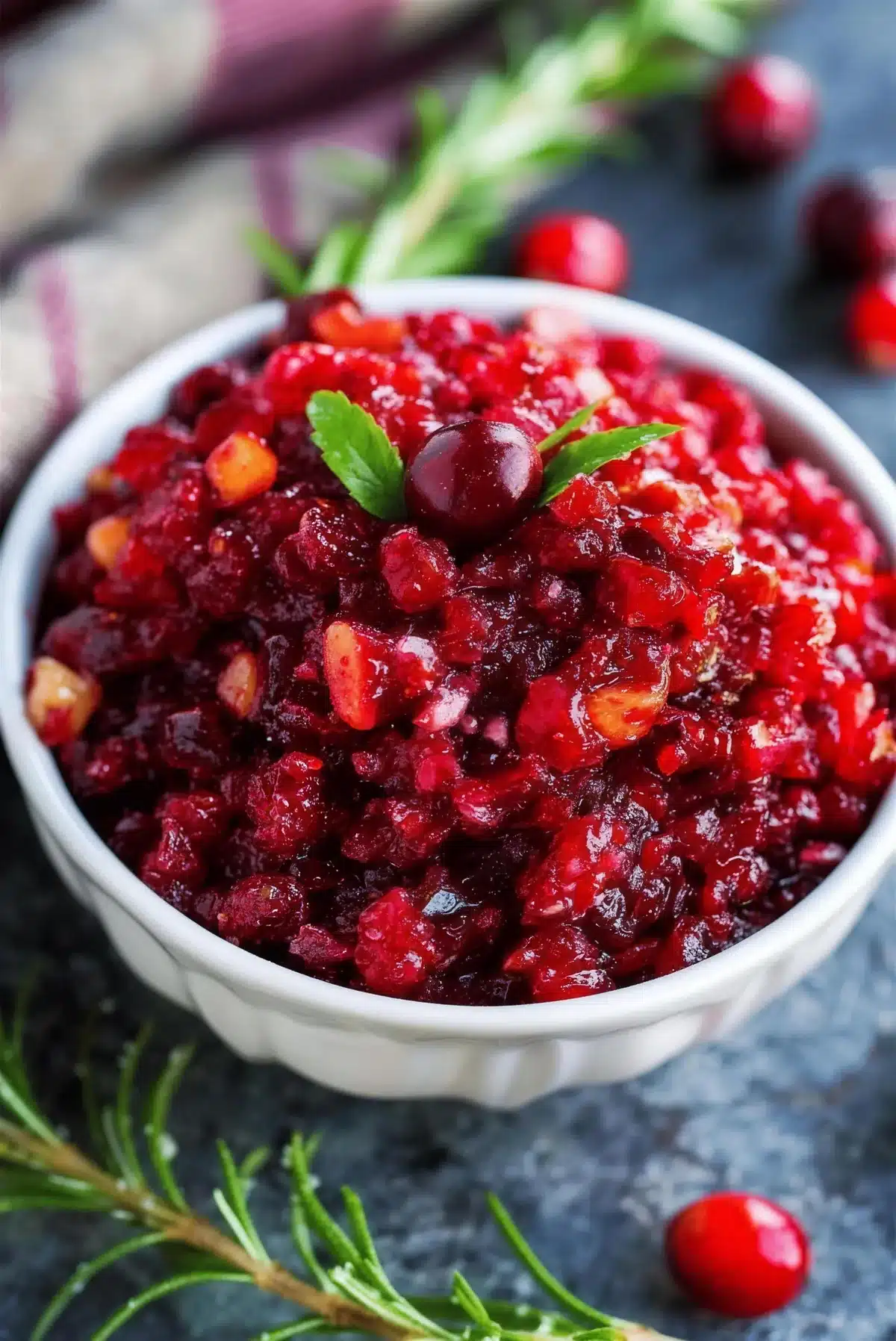
A ginger cranberry sauce is sweet, sour and spiced at once, so it belongs next to anything fatty or plain.
- Roast turkey, obviously, and the day after in a turkey pot pie where a spoonful under the crust is a small revelation.
- Pork loin or a baked ham, where it does the same job a fruit chutney would.
- A cheese board, particularly with aged cheddar or a washed rind.
- Brie on toast, warmed, with a spoonful on top.
- Alongside a spiced cider cocktail, since the two share cinnamon and citrus.
- Or thinned with vinegar and used the way you would a plum sauce substitute, with roast duck or pork.
Here is what readers ask most often.
Ginger Cranberry Sauce FAQ
Frequently Asked Questions
How do I know when to stop cooking it?
When most of the skins have split and a few berries are still whole, usually 10 to 12 minutes after it reaches a simmer. It will still look far too thin, and that is correct. Cranberries carry a great deal of natural pectin, and pectin only forms its network as the sauce cools, so the thickening happens in the hour after it leaves the stove rather than on it.
Can I use fresh ginger instead of crystallized?
You can, and it makes a different sauce. Fresh ginger gives heat and a clean bite but nothing to chew on, so a teaspoon of it grated into the syrup is a good addition rather than a replacement. Crystallized ginger is what gives this ginger cranberry sauce its chewy amber pieces, and there is no substitute for that texture.
Is it too sweet or not sweet enough at 3/4 cup of sugar?
It is deliberately less sweet than the standard bag-and-a-cup ratio. The crystallized ginger contributes sugar of its own, and a cranberry sauce sitting next to turkey and gravy is doing a job that requires it to stay sour. Taste it cold and add a tablespoon of sugar at a time if you want it sweeter, since it tastes sweeter hot than it will on the plate.
More Questions About Cranberries and Set
Good to Know
Fresh or frozen cranberries?
Either works in a ginger cranberry sauce. Frozen berries go into the pan without thawing and need about two extra minutes, and they burst slightly more readily because the ice crystals have already damaged the cell walls. Do not thaw them first, because they weep and you lose juice to the colander. Fresh berries should be firm and bounce when dropped; soft or shriveled ones are past it.
My sauce set like a brick. Can I fix it?
Yes, completely. Stir in orange juice a tablespoon at a time, off the heat, until it loosens to where you want it. Warming it very gently in a pan makes this faster. Over-setting is a cooking-time problem rather than a ruined batch, and next time take it off the stove five minutes earlier than feels comfortable.
How far ahead can I make it?
Two weeks refrigerated, and three days ahead is the sweet spot. This ginger cranberry sauce improves for the first seventy-two hours as the cinnamon and ginger work through the fruit, then holds. It also freezes for three months, so it is the one Thanksgiving dish you can genuinely deal with in October.
The old version of this recipe was not wrong so much as impatient, and a ginger cranberry sauce punished for impatience turns into candy. Cook it briefly, stop early, cool it slowly, and taste it cold. For the other end of the same flavor, try my spiced cider cocktail with the same cinnamon and citrus in it.
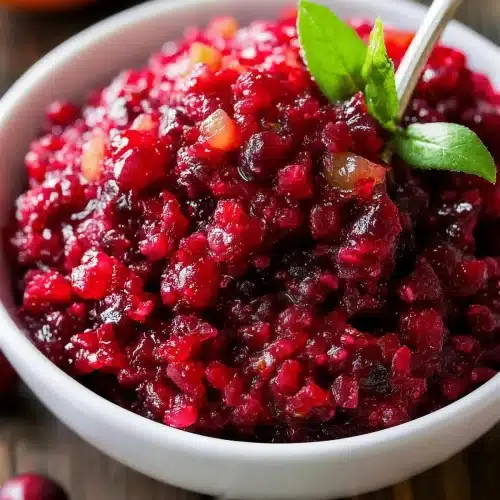
Ginger Cranberry Sauce with Red Wine and Orange
Save this recipe
Enter your email and I’ll send this recipe straight to your inbox.
Ingredients
The Spiced Syrup
- 3/4 cup granulated sugar
- 1/2 cup dry red wine something with tannin and little oak
- 2 teaspoons orange zest finely grated
- 1/4 cup orange juice freshly squeezed
- 1/2 teaspoon lemon zest finely grated
- 1 tablespoon lemon juice
- 1 stick cinnamon whole, removed at the end
- 1/2 teaspoon kosher salt
- 1/4 teaspoon black pepper freshly ground
The Fruit and Ginger
- 12 ounces fresh cranberries one bag, or frozen straight from the freezer
- 1/4 cup crystallized ginger minced small, divided
Equipment
- Medium saucepan
- Citrus zester
- Measuring cups
- Measuring spoons
- Wooden spoon or silicone spatula
Instructions
Build the Syrup
- Put the sugar, red wine, orange zest, orange juice, lemon zest, lemon juice, cinnamon stick, salt and pepper in a medium saucepan over medium heat.
- Stir for 3 to 4 minutes, until the sugar has completely dissolved and the liquid is clear. Doing this before the fruit goes in is what keeps a heavy syrup from sitting on dry berries and scorching.
Cook the Cranberries
- Add the cranberries and half the crystallized ginger. Bring to a gentle simmer and cook for 10 to 12 minutes, stirring occasionally. Frozen berries need about two minutes longer.
- Stop when most of the skins have split but a handful of berries are still whole, and the sauce still slides loosely around the pan. It will look far too thin at this point, which is correct.
Cool and Finish
- Take the pan off the heat, fish out the cinnamon stick and stir in the remaining crystallized ginger so those pieces stay chewy rather than dissolving.
- Cool to room temperature in the pan, about an hour, which is when the pectin sets and the sauce thickens. Taste it cold and adjust with salt or lemon juice then, never while it is hot. Refrigerate in a sealed jar.