



Get 5 recipes to simplify your life:

easy, delicious, real food recipes

Latest Recipes

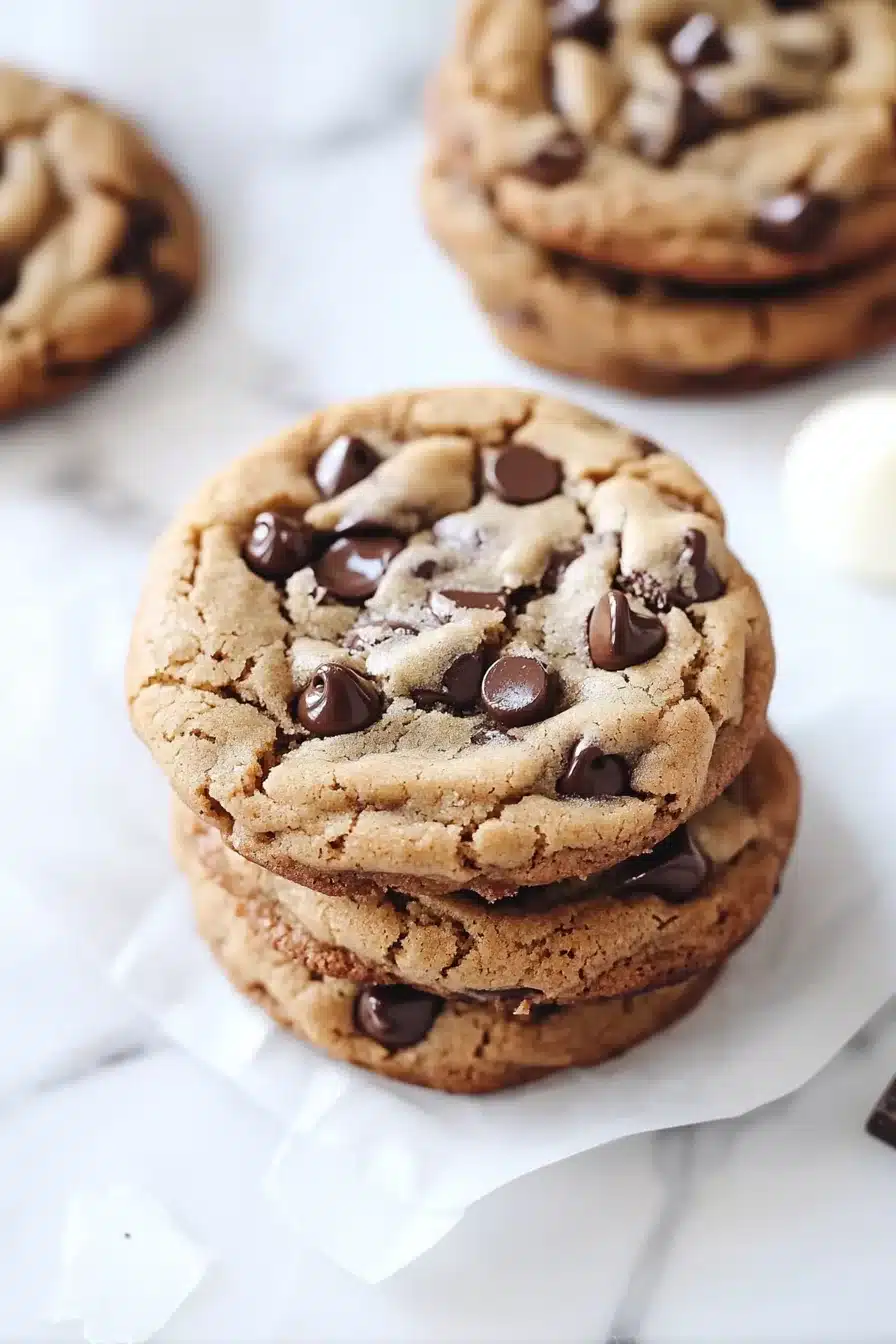
Buttery, crisp-edged, and melt-in-your-mouth soft inside, these Jacques Torres chocolate chip cookies use bread flour, cake flour, and loads of rich chocolate. Just the right hit of salt, too.

You know that bakery smell? The warm, sweet, slightly nutty one that makes you pause mid-stride? Yeah, that’s what’s about to roll through your kitchen. These are no plain ol’ cookies—they’re deep in flavor, slightly chewy with tender middles, and studded with glossy shards of bittersweet chocolate. You’ll need a bit of patience with the chilling time (I know, I know), but trust me, it’s so very worth it.

Table of Contents

Jacques Torres Chocolate Chip Cookies

Why You’ll Love this Jacques Torres Chocolate Chip Cookies

Okay, no wild stories here—just a seriously solid cookie recipe that lives up to the hype. It’s Jacques Freaking Torres, after all.

  • Two flours = cookie magic: Using both cake flour and bread flour gives you delicate lift plus that chewy center we all chase.
  • Bittersweet chocolate chunks: No basic chips allowed. These melt into silky pockets, especially if you turn ’em sideways before baking.
  • Rested dough, richer flavor: That overnight chill makes everything deeper, toastier, just… more cookie-ish.
  • Texture heaven in every bite: Crisp edges, chewy middle, melty chocolate, a little salt on your lips—yep, the whole shebang.
  • Make ’em massive or mini: Giant bakery-style or palm-sized for sharing. Says who you have to choose?

Jacques Torres Chocolate Chip Cookies

Ingredient Notes

These Jacques Torres chocolate chip cookies are all about quality and contrast—rich, light, chewy, crisp, sweet, salty.

  • Cake flour: This brings tenderness! Its low protein keeps the cookie from getting tough. Don’t have it? In a pinch, sub 1 cup all-purpose minus 2 tablespoons plus 2 tablespoons cornstarch.
  • Bread flour: The opposite of cake flour, it gives chew and structure. A little unusual for cookies, but it makes a big difference.
  • Baking soda & baking powder: They work together for just the right lift and spread. We love a cookie that puffs then settles with crackly promise.
  • Unsalted butter: Softened butter beats up into a creamy dream that helps the cookie brown and turn nutty around the edges.
  • Light brown sugar: Adds moisture, a touch of molasses flavor, and helps that chewy texture along.
  • Granulated sugar: For crisp edges and contrast, working right alongside its brown sugary buddy.
  • Eggs: Binding, richness, a bit of puff—eggs do a lot more than we give them credit for. Room temp helps them mix more smoothly.
  • Vanilla extract: Use good stuff if you can. It elevates everything and adds backbone to the chocolate.
  • Bittersweet chocolate discs or fèves: These melt slowly into wide, glossy puddles. They’re luxe. Use at least 60% cacao or go darker if you like drama.
  • Flaky sea salt: That final sprinkle balances the sweet. Maldon is a fave—for flavor and for the satisfying crunch.

Jacques Torres Chocolate Chip Cookies

How To Make This Jacques Torres Chocolate Chip Cookies

Once your butter is softened and your chocolate is standing by, the whole thing comes together pretty easily. We mix, chill, scoop, bake, and then do that “just staring at them while they cool” moment.

  • Mix the dry ingredients: Sift your cake flour, bread flour, baking soda, baking powder, and salt into a big bowl. This gives the cookie a more even, pillowy texture and helps avoid weird lumps of leaveners later.

  • Cream the butter and sugars: In your stand mixer (or with a hand mixer and a bit of patience), beat the butter with both sugars until light and very fluffy. Like pale and pillowy. This can take up to 5 minutes—scrape the sides a couple times as you go.

  • Add the eggs and vanilla: Beat in the eggs one at a time, making sure each one disappears completely before adding the next. Add the vanilla, and let that mix in until the batter smells like heaven.

  • Add the dry to the wet: With the mixer on low (don’t rush this), slowly add in the dry mix. Let it just barely combine. You don’t need a perfect mix—actually, stop mixing before it looks perfect and finish folding by hand.

  • Fold in the chocolate: Use a spatula to gently fold in the chocolate discs. Try not to break them. We want big, dramatic melts, not a chocolatey smear.

  • Cover and rest the dough: Press plastic wrap directly against the dough’s surface. Pop it in the fridge for at least 24 hours. Yep, this sounds like a pain. But it’s so worth it. The texture, the depth, the golden magic—it all depends on that chill.

  • Preheat and prep: Once you’re finally ready (yay!), preheat the oven to 350°F and line a sheet with parchment or a silicone mat.

  • Scoop and shape: Use a scale if you’ve got one. These are hefty cookies—3½ ounces for big bakery style. Roll smooth balls and space them out well. Turn any peeking chocolate to face up for swoon-worthy puddles.

  • Sprinkle and bake: Sprinkle each ball with flaky sea salt, then bake until the edges are browned and the center looks set but soft—about 18–20 minutes for big guys, or 10–12 for minis.

  • Cool and devour: Let them sit on the tray for about 10 minutes before transferring to a wire rack. Or don’t. I mean, who’s really waiting that long?

Jacques Torres Chocolate Chip Cookies

Storage Options

These cookies store beautifully, assuming you don’t eat the whole batch in one sitting (no judgment if you do).

If you’ve baked them, let them cool completely. Then stash them in an airtight container at room temp—they’ll be soft and perfect for about 3–4 days. You can pop a slice of bread in the container to help keep them moist.

Want to freeze them for later? Totally doable. Shape the dough balls and place them on a baking sheet. Freeze until solid, then transfer to a freezer bag. When ready to bake, you can pop them straight into the oven—just tack on an extra 1–2 minutes.

And yes, baked cookies freeze well too. Let them cool fully first. Wrap them individually or layer with parchment in a container so they don’t stick. Then reheat in a 300°F oven for 4–5 minutes if you want that fresh-out-of-the-oven gooeyness back.

Variations and Substitutions

There’s room to play! If you feel like tweaking or have some pantry limitations, these ideas might help.

  • Different chocolate: Swap out bittersweet disks for semi-sweet chunks, chopped bars, or even white chocolate. Just avoid regular chips if you want those dramatic pools.

  • Nut addition: Toasted pecans or walnuts go beautifully here. Roughly chop and fold in about 1 cup with the chocolate.

  • Make ’em smaller: Instead of jumbo bakery size, scoop 1¾-ounce portions. Bake a bit shorter, and enjoy twice as many.

  • Add espresso powder: Just ½ teaspoon really deepens the chocolate flavor without making it taste like coffee.

  • Gluten-free swap: Sub in a 1:1 gluten-free flour blend for both flours. The texture shifts a little, but they still turn out delicious.

Looking for a savory contrast? These bacon basil cornbread muffins would be an absolutely quirky (but delightful) sidekick.
Jacques Torres Chocolate Chip Cookies

What to Serve with Jacques Torres Chocolate Chip Cookies

You don’t need much to go with these, truly—but here are a few pairings that just make sense (or at least feel fun).

  • Milk, obviously: Hot or cold, classic or oat, something about milk and cookies just works. The creamy sip cuts the rich chew beautifully. It’s comfort, squared.

  • Coffee station treat: I love these with a cup of pour-over or espresso. The cookie brings sweetness, the coffee hits bitter—everyone wins. Bonus if you warm the cookie just a bit so it gets extra gooey.

  • Movie night sidekick: Popcorn in one hand, cookie in the other. Especially good with a salty-sweet combo like this TikTok-famous cheddar biscuit chicken bake to round out the snacky vibe.

  • A scoop of ice cream on top: I mean, is it still a cookie if it’s also dessert? Vanilla or caramel swirl, nestled on a warm cookie? Irresistible.

  • For brunch (hear me out): Can you imagine one of these next to soft scrambled eggs, bacon, and fruit? It’s indulgent, yes. It’s also joy.

Jacques Torres Chocolate Chip Cookies

Frequently Asked Questions

Can I skip the 24-hour dough rest?

You can, but it truly changes the cookie’s character. Without the rest, they’re still good—but less nuanced. That rest time hydrates the flour, deepens flavor, and helps the cookies bake up with better texture: chewy centers, crispy edges, all that good stuff. So if you’re short on time, bake a few right away, but keep the rest chilling. You’ll notice the difference.

What if I can’t find cake flour or bread flour?

If you’re in a pinch, you can fake cake flour by replacing 2 tablespoons per cup of all-purpose flour with cornstarch. For bread flour, you can sub all-purpose, but just know the cookies will be a little less chewy and structured. The combo of both flours is part of what makes this recipe stand out, but your cookies will still be tasty without it.

Can I make the cookie dough in advance and freeze it?

Absolutely—and I highly recommend it. Portion the dough into mounds, set them on a tray, freeze until solid, then pop them into a zip-top bag. When the craving strikes, bake from frozen, just add an extra minute or two. You’ll always have warm cookies on demand, which feels like a tiny life upgrade.

Why are chocolate discs better than chips?

Chocolate chips are made to hold their shape, which means they don’t melt as beautifully. Discs (or fèves) melt into wide pools that blend into the dough and create fudgy bites. Plus, they look super elegant when they peek through the surface. Those glossy lakes of chocolate? That’s thanks to the discs.

Jacques Torres Chocolate Chip Cookies

Jacques Torres Chocolate Chip Cookies

Prep Time 15 minutes
Cook Time 20 minutes
Dough Rest (hours) 24 minutes
Total Time 1 day
Buttery, crisp-edged, and melt-in-your-mouth soft inside, these Jacques Torres chocolate chip cookies use bread flour, cake flour, and loads of rich chocolate with just the right hit of salt. The overnight dough rest makes for an unbeatable bakery taste and texture at home.
18 large cookies

Ingredients

Dry Ingredients

  • 2 cups (240 g) cake flour sifted
  • 1 2/3 cups (210 g) bread flour sifted
  • 1.25 tsp baking soda
  • 1.5 tsp baking powder
  • 1.5 tsp kosher salt

Wet Ingredients

  • 1.25 cups (284 g) unsalted butter softened (2 1/2 sticks, 284g)
  • 1.25 cups (250 g) light brown sugar packed
  • 1 cup (200 g) granulated sugar
  • 2 large eggs room temperature
  • 2 tsp pure vanilla extract

Mix-Ins & Topping

  • 1.25 pounds (570 g) bittersweet chocolate discs or fèves at least 60% cacao, or use chopped bars (about 570g)
  • flaky sea salt for finishing (such as Maldon)

Equipment

  • Stand Mixer or Hand Mixer
  • Large mixing bowls
  • Parchment or silicone baking mats
  • Baking sheet
  • Spatula
  • Plastic Wrap

Instructions
 

  1. Sift together the cake flour, bread flour, baking soda, baking powder, and salt into a large bowl. Set aside.
  2. In a stand mixer fitted with the paddle attachment (or using a hand mixer), cream the softened butter with brown sugar and granulated sugar until very light and fluffy, about 5 minutes, scraping sides as needed.
  3. Add eggs, one at a time, beating well after each addition. Beat in the vanilla extract until combined and the batter smells fragrant.
  4. With mixer on low, gradually add the sifted dry ingredients. Mix until just combined—stop before fully mixed, then finish the last bit of folding by hand with a spatula.
  5. Gently fold in the chocolate discs or fèves, being careful not to break them so the cookies have large, dramatic chocolate pools.
  6. Press plastic wrap directly onto the dough's surface and refrigerate for at least 24 hours—36 is even better, but 24 is the minimum for best results.
  7. When ready to bake, preheat oven to 350°F (175°C). Line a baking sheet with parchment paper or a silicone mat.
  8. Scoop dough into large balls about 3½ ounces each for bakery size (use a scale if possible), or around 1¾ ounces for smaller cookies. Leave plenty of space between cookies. Face up any chocolate pieces showing for dramatic puddles.
  9. Sprinkle each dough ball lightly with flaky sea salt.
  10. Bake in the preheated oven until edges are golden and centers look set but soft—about 18–20 minutes for large cookies, 10–12 minutes for smaller ones.
  11. Allow cookies to cool on the baking sheet for 10 minutes, then transfer to a wire rack to finish cooling, if you can wait. Enjoy warm!

Notes

If you can't find cake flour or bread flour: for cake flour, use 1 cup all-purpose minus 2 tablespoons, plus 2 tablespoons cornstarch. For bread flour, substitute with all-purpose—the cookies will be less chewy but still delicious. For extra flavor, fold in 1 cup toasted walnuts or pecans. Dough freezes beautifully: scoop balls, freeze on a tray, then bag. Bake from frozen with 1–2 extra minutes.

Nutrition

Calories: 310kcal | Carbohydrates: 42g | Protein: 4g | Fat: 15g | Saturated Fat: 9g | Cholesterol: 35mg | Sodium: 200mg | Potassium: 110mg | Fiber: 2g | Sugar: 25g | Vitamin A: 285IU | Calcium: 30mg | Iron: 2.2mg

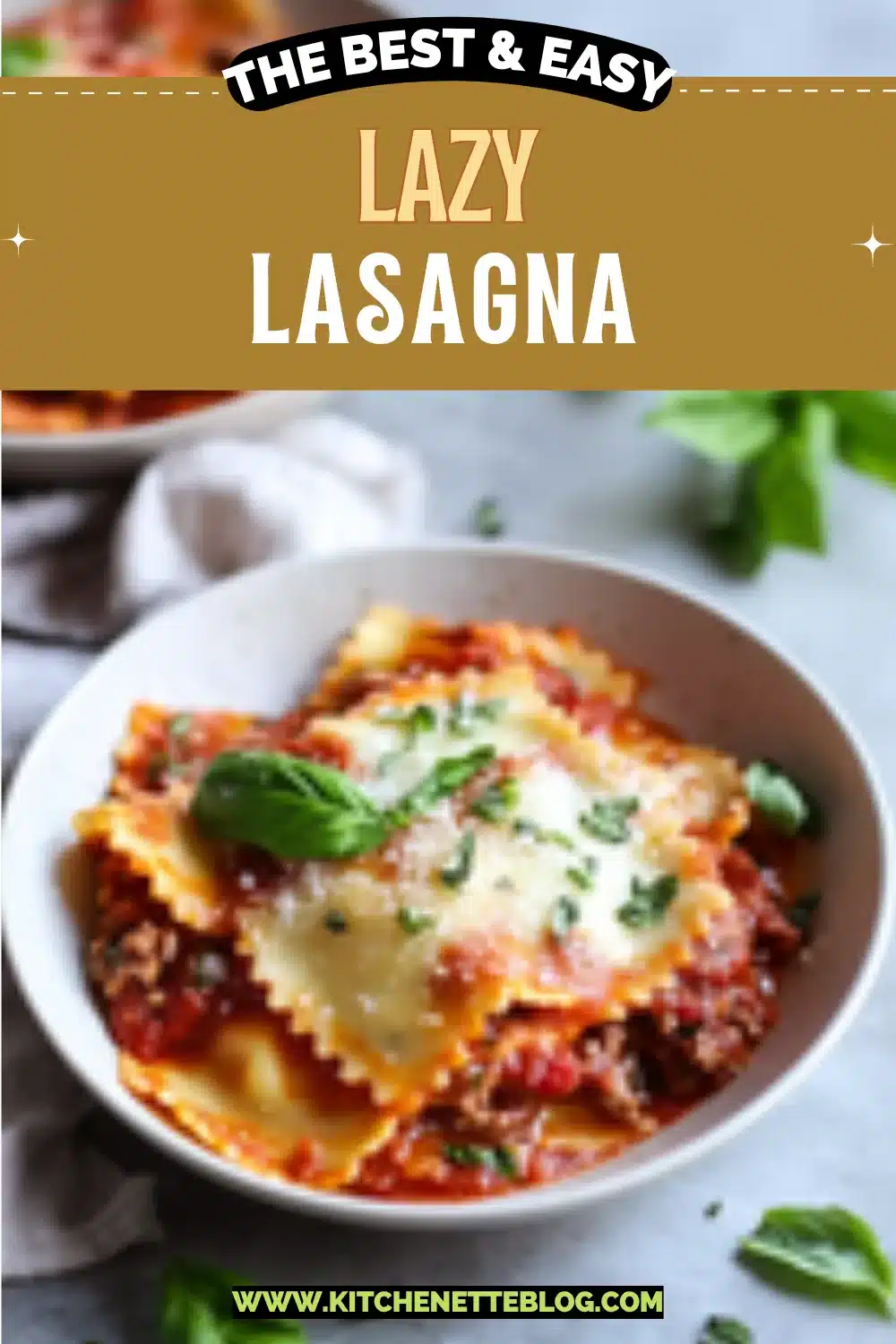
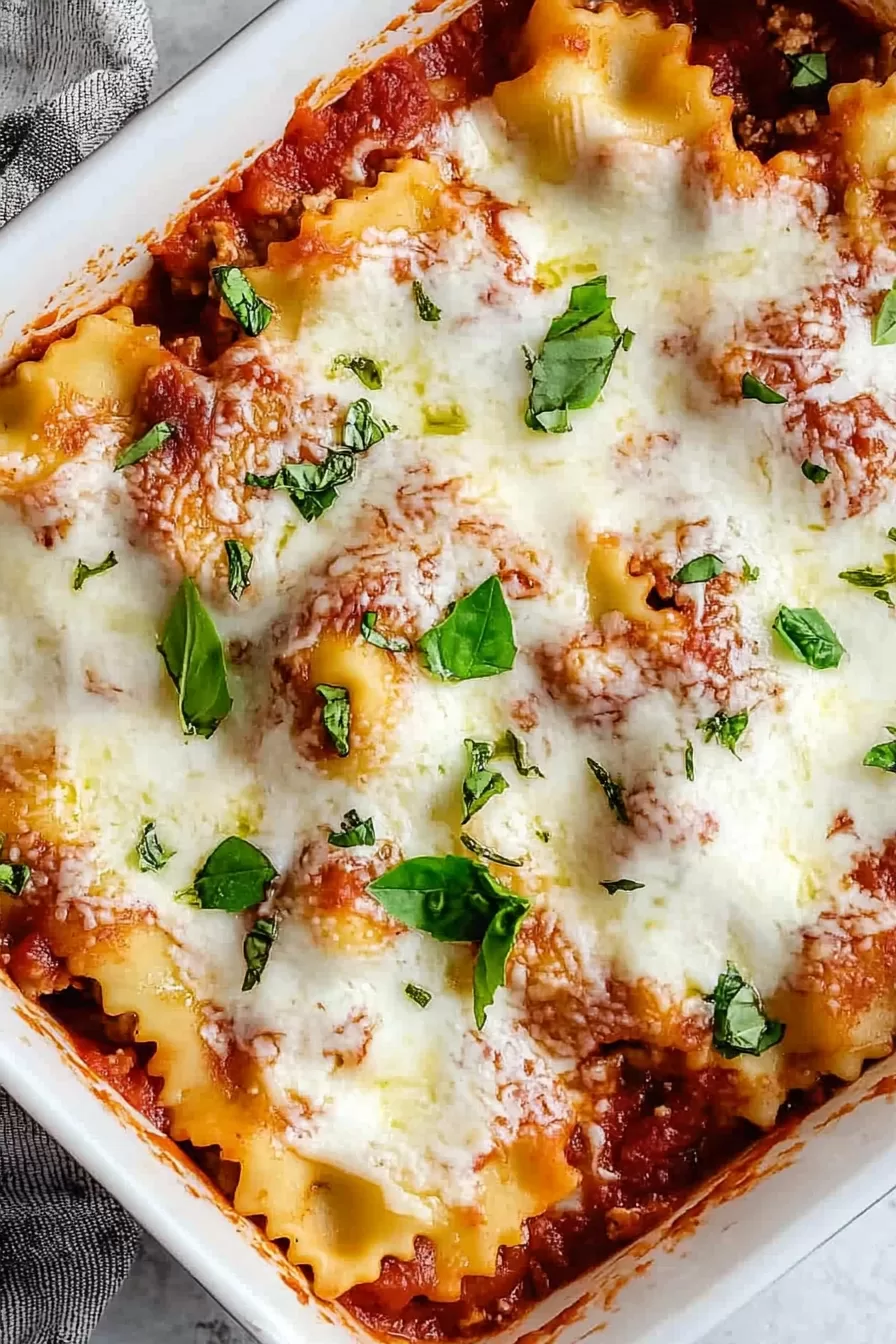
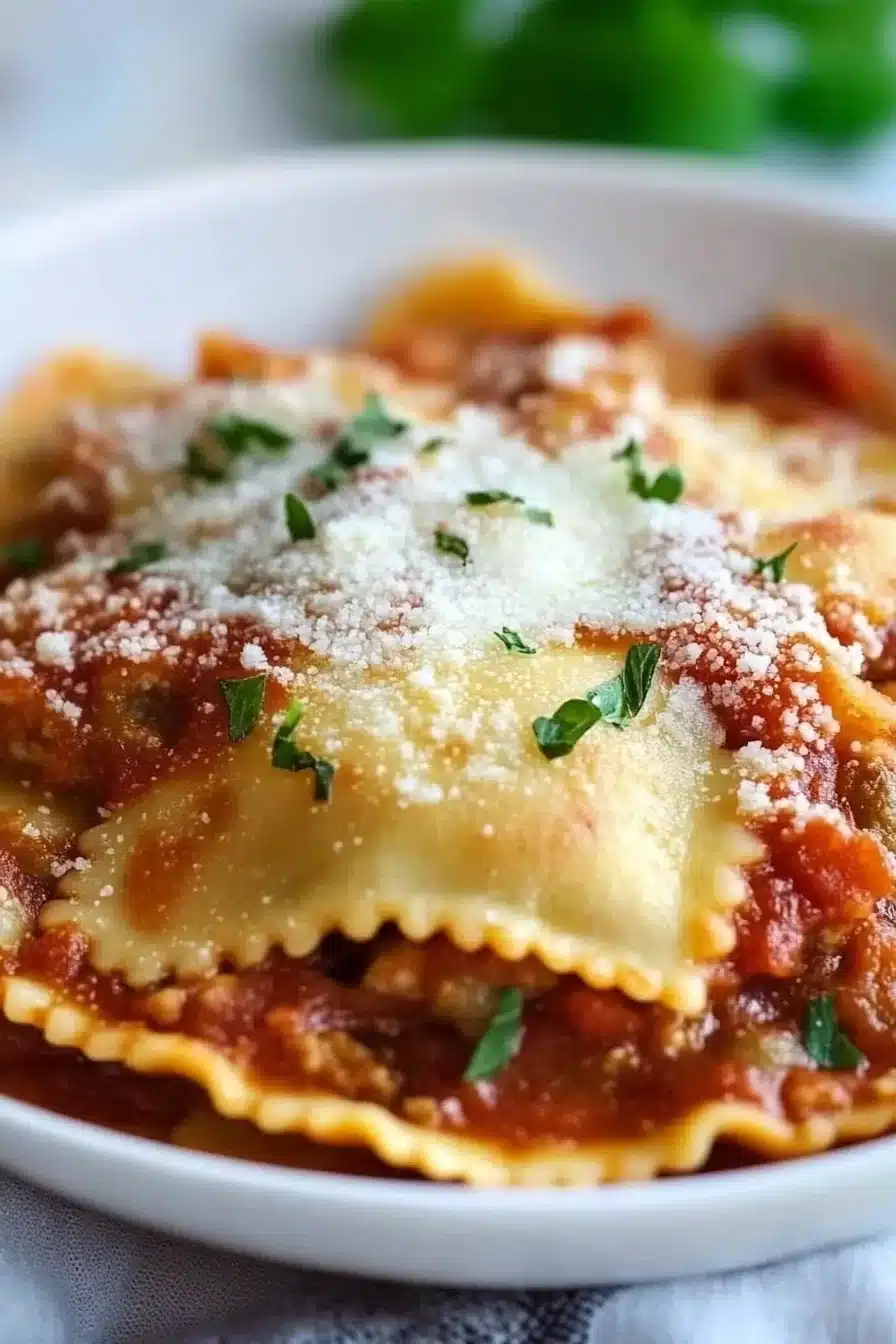
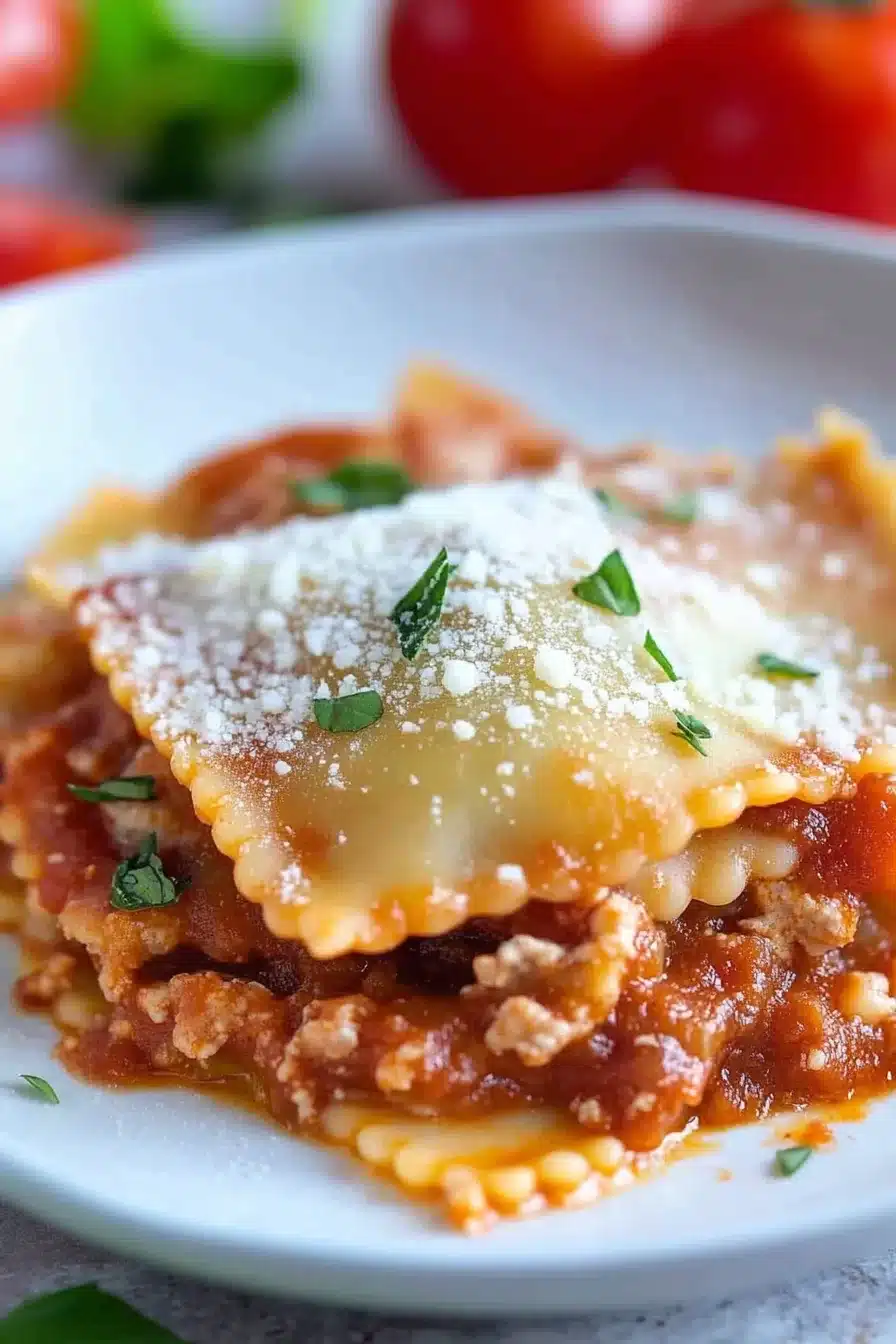
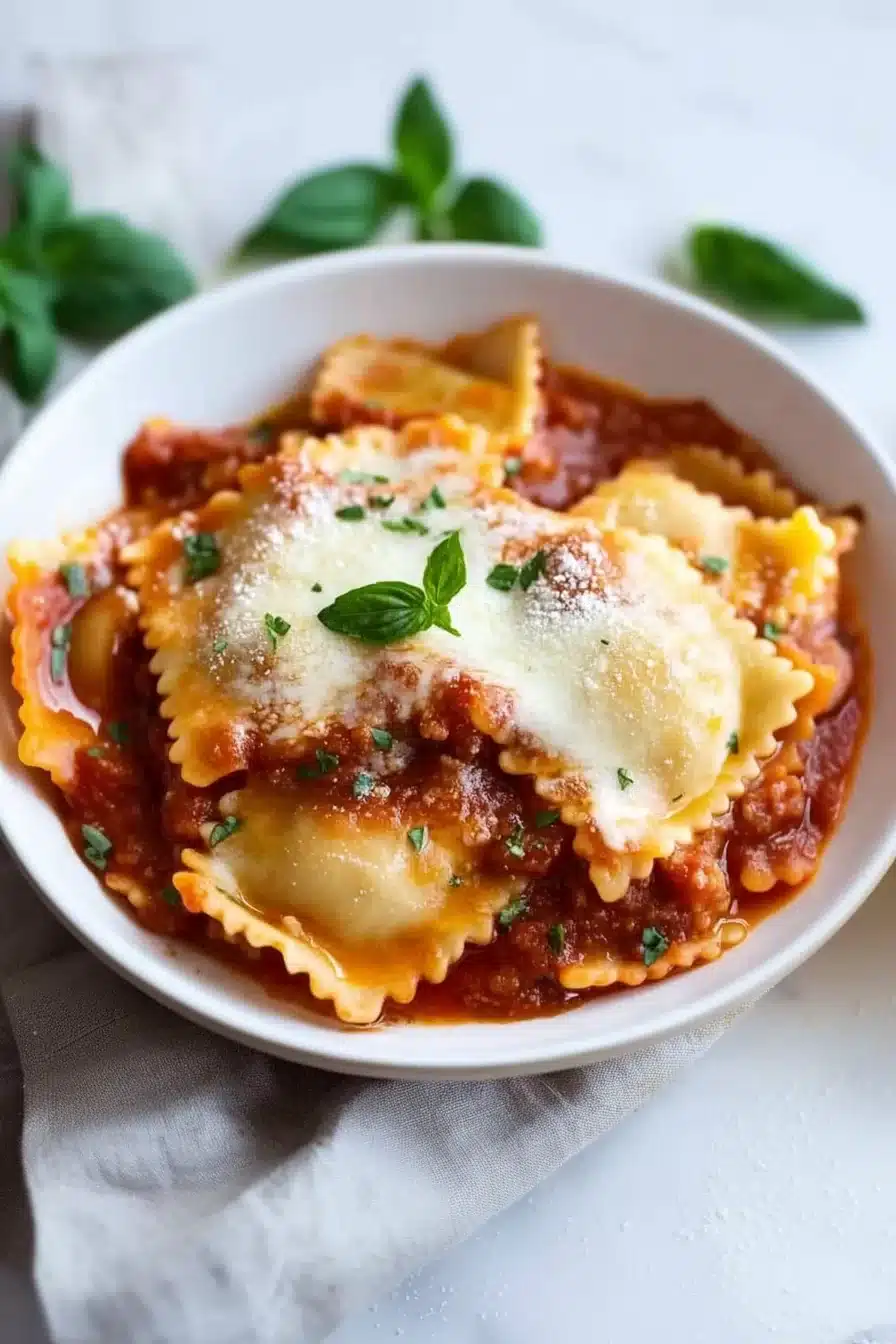
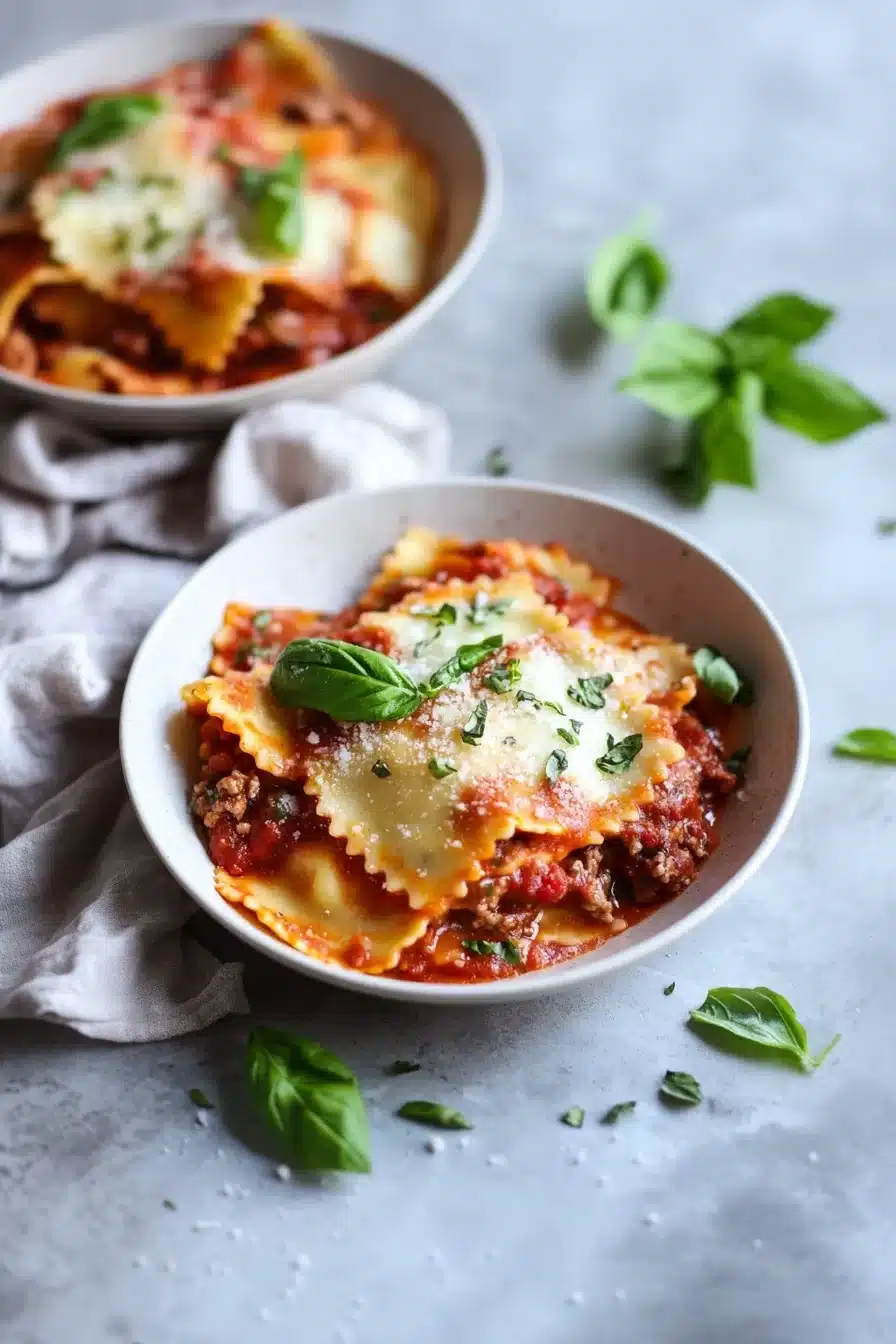
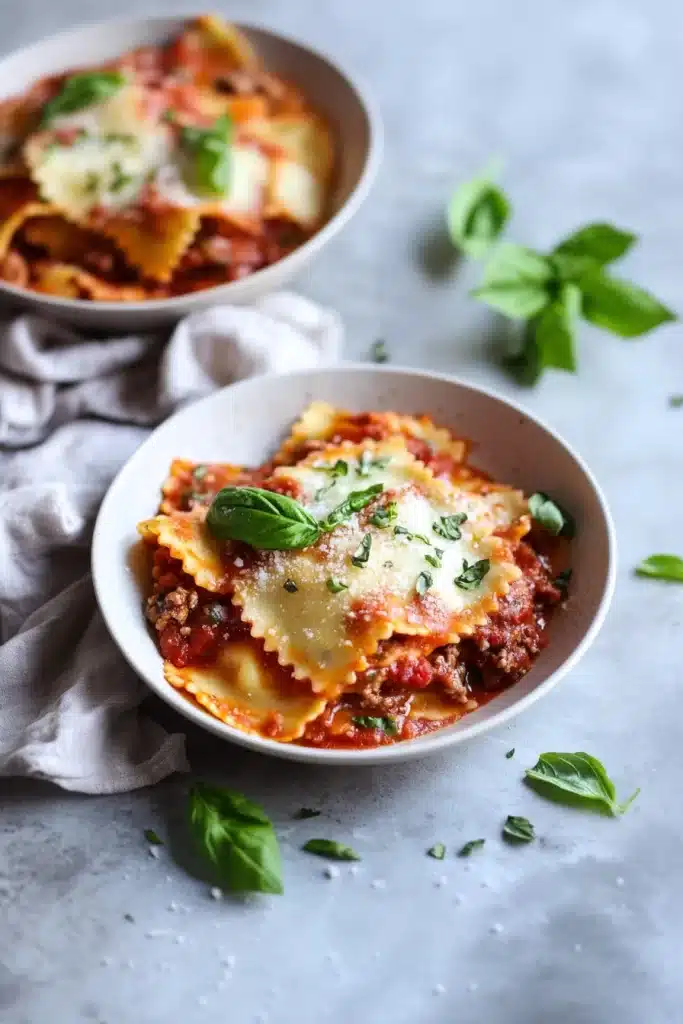
An ultra-cozy lazy lasagna made with frozen cheese ravioli, marinara, mozzarella, and a sprinkle of Parmesan. Gooey, golden, and blissfully low-effort.

This is what I call “couch-friendly lasagna.” Picture it: sheet-pan hot, melty cheese bubbling near the corners, and that first whiff of garlicky tomato sauce wafting through your kitchen (or your tiny apartment-that-wishes-it-were-a-loft). It’s what I turn to when the stove and I aren’t speaking on a weeknight. You don’t boil noodles. You don’t layer fillings like a structural engineer. You just stack, sprinkle, and pop it in the oven. The lazy lasagna life picks you, not the other way around.

Table of Contents

Lazy Lasagna

Why You’ll Love this Lazy Lasagna

It’s not revolutionary, it’s not bougie, but wow does it check all the right boxes.

  • Ridiculously simple to make: No pots to boil, no ricotta drama, just grab a few things and build it up in minutes.
  • Uses pantry and freezer staples: If you’ve got a jar of sauce and a bag of frozen ravioli, you’re already halfway there.
  • Cheesy in the best way: Melty mozzarella and nutty Parmesan unite for that molten cheesy top we all sneak forkfuls from.
  • Cozy comfort food vibes: Slightly crispy corners, saucy middles, and enough heft to make you sigh contentedly after.
  • Great for leftovers: Pop it in the fridge and it magically tastes even better tomorrow, like lasagna always seems to.
  • Customizable without fuss: Toss in spinach, spice it up, or make it meaty without turning it into A Project.

Lazy Lasagna

Ingredient Notes

Here’s a quick peek at what brings this thing together (spoiler: it’s like four ingredients, truly living up to the “lazy” title).

  • Marinara sauce: Go for a jarred version you love—whether it’s herby, garlicky, or Mom-approved. Thinner sauces work best here so everything bakes evenly.
  • Frozen cheese ravioli: These double as “pasta and filling” in one. No defrosting needed! Toss them in frozen straight from the bag.
  • Mozzarella cheese: It melts into that dreamy blanket of stretchy, bubbling goodness. I use pre-shredded for ease, but fresh works too if you’re feeling fancy.
  • Parmesan cheese: Adds a salty, nutty finish on top. That golden crisp layer? All thanks to this beauty.

Lazy Lasagna

How To Make This Lazy Lasagna

No need to overthink it. If you can layer a sandwich or stack a messy pile of nachos, you’ve got this. Let’s party (quietly, in a 400ºF oven for 45 minutes)!

  • Preheat the oven: Set it to 400°F. Grab a 9×13 baking dish and lightly grease it, just so nothing sticks in protest later.
  • Start with sauce: Pour in about 3/4 cup of marinara and spread it around the base. Think of it like pizza—the saucy bed keeps things from drying out.
  • First ravioli layer: Place half the frozen ravioli in a single layer over the sauce. Don’t overthink the layout… just Tetris them in as best you can.
  • Add sauce and cheese: Spoon on half the remaining marinara. Then shower it lovingly with half the mozzarella. Let those little pillows get cozy.
  • Second layer repeat: Add the rest of the frozen ravioli, more sauce, and finally, the rest of the mozzarella. Top with all the Parmesan like you’re snowing on it.
  • Bake covered first: Cover the dish snugly with foil and bake for 30 minutes. This helps the ravioli cook through and the cheese melt evenly.
  • Uncover and finish: Remove the foil, then bake uncovered for 15 minutes more until the top gets just slightly golden and bubbly. Translation: cheesy perfection.
  • Cool briefly (if you can wait): Let it rest for a few minutes before scooping in. It’ll set a bit, and your tongue will thank you later.

Lazy Lasagna

Storage Options

If you somehow don’t eat half the pan in one sitting (I’m impressed), this lazy lasagna holds up beautifully. In the fridge, cover the dish with foil or transfer slices into containers. It’ll stay good for up to 4 days, and honestly, the flavor deepens over time, like your favorite leftover spaghetti.

Reheating can be blissfully low-maintenance. Just zap a slice in the microwave with a little splash of water on the side (keeps it from drying out). Or reheat it in a 350ºF oven, covered with foil, for 15–20 minutes.

And YES, you can absolutely freeze it. Before baking, wrap the entire dish tightly in foil and freeze it flat. When you’re ready, bake straight from frozen—just add 15–20 minutes extra, foil on for the first hour, then off to finish. Already baked lasagna also freezes fine, though I recommend slicing it first and wrapping portions individually. That way, future-you only reheats what’s needed. Cozy meal planning at its finest.

Variations and Substitutions

You can dress this lazy lasagna up or down, depending on what your fridge is whispering. Here are a few ideas to get started.

  • Meat sauce instead of marinara: Brown some ground beef or sausage, stir it into your jarred sauce, and suddenly it’s meaty lasagna with minimal extra work.
  • Spinach sneak-in: Layer a handful (or two?) of fresh baby spinach between the ravioli. It wilts down nicely and makes you feel like a Person Who Ate Greens.
  • Spicy twist: Add a pinch of red pepper flakes between layers or opt for a spicy arrabbiata sauce if your tastebuds like drama.
  • Vegan version: Use plant-based ravioli, dairy-free mozzarella shreds, and a vegan-friendly marinara. Boom: comfort food, no cow required.
  • More cheese, more better: Add a layer of ricotta or cottage cheese between the ravioli for a more traditional lasagna vibe, if you’re feeling industrious.

Lazy Lasagna

What to Serve with Lazy Lasagna

This humble pan of cheesy baked greatness pairs well with all sorts of sides, depending on the kind of meal you’re dreaming of. Balanced weekday dinner? Check. Full carb-feast? Also yes.

  • Garlic bread, obviously: Crackly, golden, buttery. Honestly, sweeping up the extra sauce with a crusty piece should be a required step. Bonus points if you throw in some roasted garlic.
  • Simple green salad: A crisp romaine or arugula salad with a tangy vinaigrette cuts through the richness and gives your palate a little reset between cheesy bites.
  • Roasted veggies: Think zucchini, bell peppers, or even broccoli tossed in oil and salt and roasted until just charred at the edges. They add balance—promise.
  • Bacon Basil Cornbread Muffins: Hear me out: the savory-sweet corn + cheesy-lasagna combo? It slaps. Try these bacon basil cornbread muffins for your next cozy dinner night.
  • A light dessert (or ice cream sandwich): When you’ve fully leaned into lazy comfort, nothing hits like a peanut butter banana ice cream sandwich straight from the freezer.

Lazy Lasagna

Frequently Asked Questions

Can I use meat ravioli instead of cheese?

Absolutely! Meat ravioli works really well here. Just keep in mind that it’s already got a bit more richness, so I’d pair it with a lighter marinara (skip the cheesy béchamel layering—you don’t need it). Frozen or refrigerated varieties both work fine, just don’t thaw them before baking.

Do I have to thaw the ravioli first?

Nope, toss those frozen cuties straight into the dish. That’s the whole joy of this recipe—you don’t need to boil or thaw. The baking time is designed to bring everything up to temp slowly, so they cook through inside the sauce. Lazy but thoughtful, right?

How can I make it more “lasagna-like”?

If you’re chasing classic lasagna vibes, try adding a ricotta layer between the ravioli levels. Just mix ricotta with a little egg, salt, and Italian seasoning, and blob it on top of the ravioli before the second cheese layer. It gets creamy and dreamy and closer to the real-deal lasagna experience.

Can I make this ahead of time?

You sure can. Assemble the whole thing, cover it tightly with foil, and pop it in the fridge for up to 2 days ahead. When ready to bake, add about 10 extra minutes to the cook time if it’s still chilly from the fridge. You can also freeze it before baking for longer storage.

Lazy Lasagna

Lazy Lasagna (with Frozen Ravioli)

Prep Time 10 minutes
Cook Time 45 minutes
Total Time 55 minutes
An ultra-cozy lazy lasagna made with frozen cheese ravioli, marinara, mozzarella, and a sprinkle of Parmesan. Gooey, golden, and blissfully low-effort. No boiling, no layering drama—just stack, bake, and enjoy actual couch comfort food.
6 servings

Ingredients

Main Ingredients

  • 1 jar (680 g) marinara sauce about 24 ounces (680g); choose a thin, flavorful variety
  • 1 bag (650 g) frozen cheese ravioli about 22-25 ounces (620-710g); do not thaw
  • 2 cups (225 g) shredded mozzarella cheese about 225g; pre-shredded or fresh
  • 1/2 cup (50 g) grated Parmesan cheese about 50g, for topping

Optional Add-ins (choose any)

  • Fresh baby spinach a few handfuls, layered between ravioli
  • Red pepper flakes sprinkled in for heat
  • Ricotta cheese blobbed between layers for a classic twist

Equipment

  • 9x13 baking dish
  • Aluminum foil
  • Oven

Instructions
 

  1. Preheat the oven: Set oven to 400°F (204°C). Lightly grease a 9x13 baking dish.
  2. Start with sauce: Spread about 3/4 cup of marinara sauce over the base of the dish.
  3. First ravioli layer: Arrange half of the frozen ravioli in a single layer over the sauce. No need to thaw!
  4. Add sauce and cheese: Spoon on half of the remaining marinara and sprinkle with half the mozzarella.
  5. Repeat layers: Lay down the rest of the frozen ravioli, top with remaining sauce, then sprinkle with the rest of the mozzarella.
  6. Parmesan topping: Sprinkle all the Parmesan evenly over the top.
  7. Bake covered: Cover the dish snugly with foil. Bake for 30 minutes.
  8. Bake uncovered: Remove foil and bake another 15 minutes, until the cheese is melted, bubbly, and golden at the edges.
  9. Cool briefly: Rest the lasagna 5–10 minutes before scooping. Enjoy!

Notes

This lazy lasagna is endlessly customizable—try adding cooked ground beef to your sauce for a meaty dish, or toss in a layer of baby spinach for some veggie action. Store leftovers tightly covered in the fridge for up to 4 days, or wrap and freeze before baking for easy meal prep. To reheat, microwave individual slices or bake covered at 350°F for 15–20 minutes. For vegan, use plant-based ravioli and cheese.

Nutrition

Calories: 370kcal | Carbohydrates: 38g | Protein: 18g | Fat: 16g | Saturated Fat: 8g | Cholesterol: 54mg | Sodium: 1000mg | Potassium: 550mg | Fiber: 3g | Sugar: 8g | Vitamin A: 650IU | Vitamin C: 6mg | Calcium: 350mg | Iron: 2mg

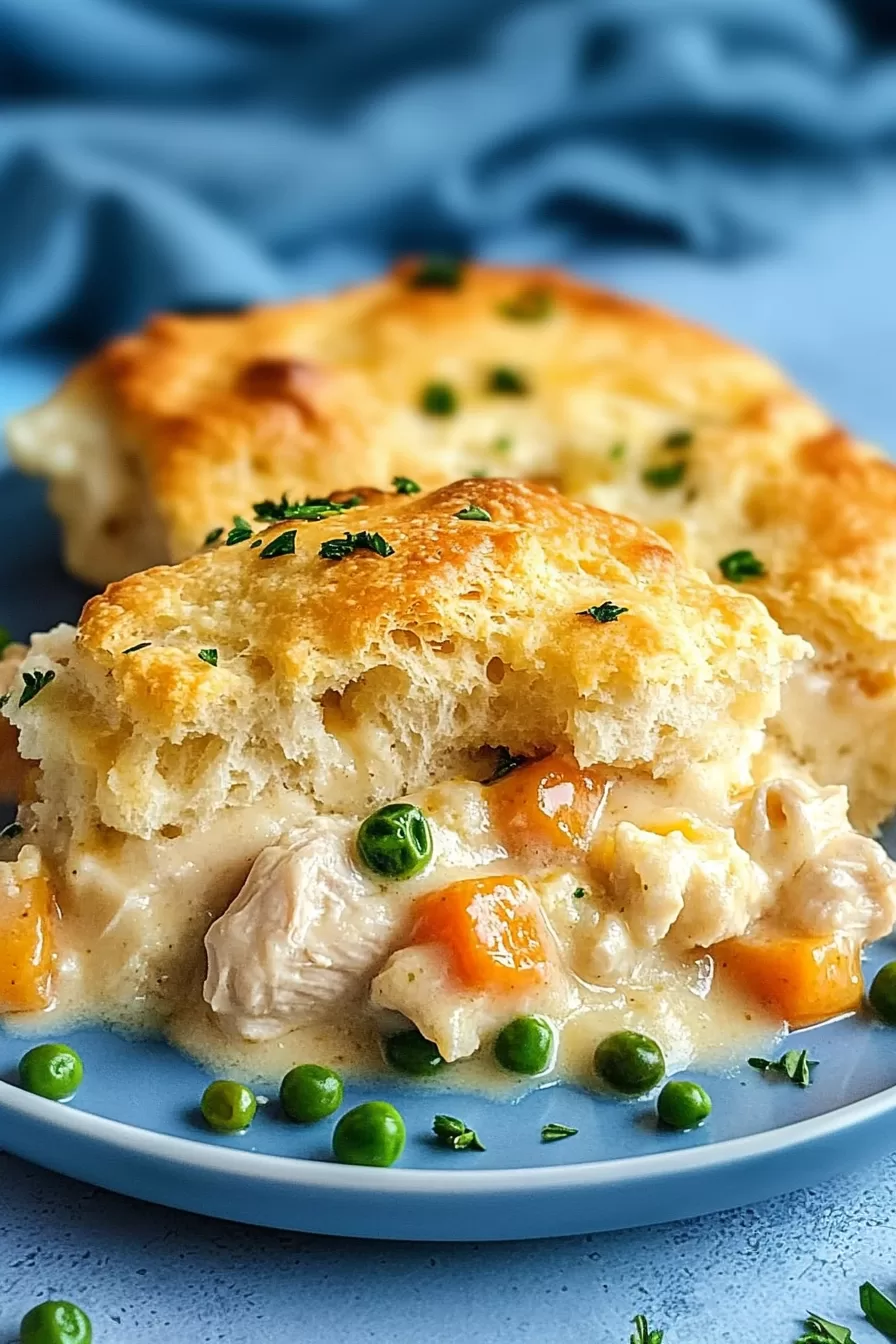
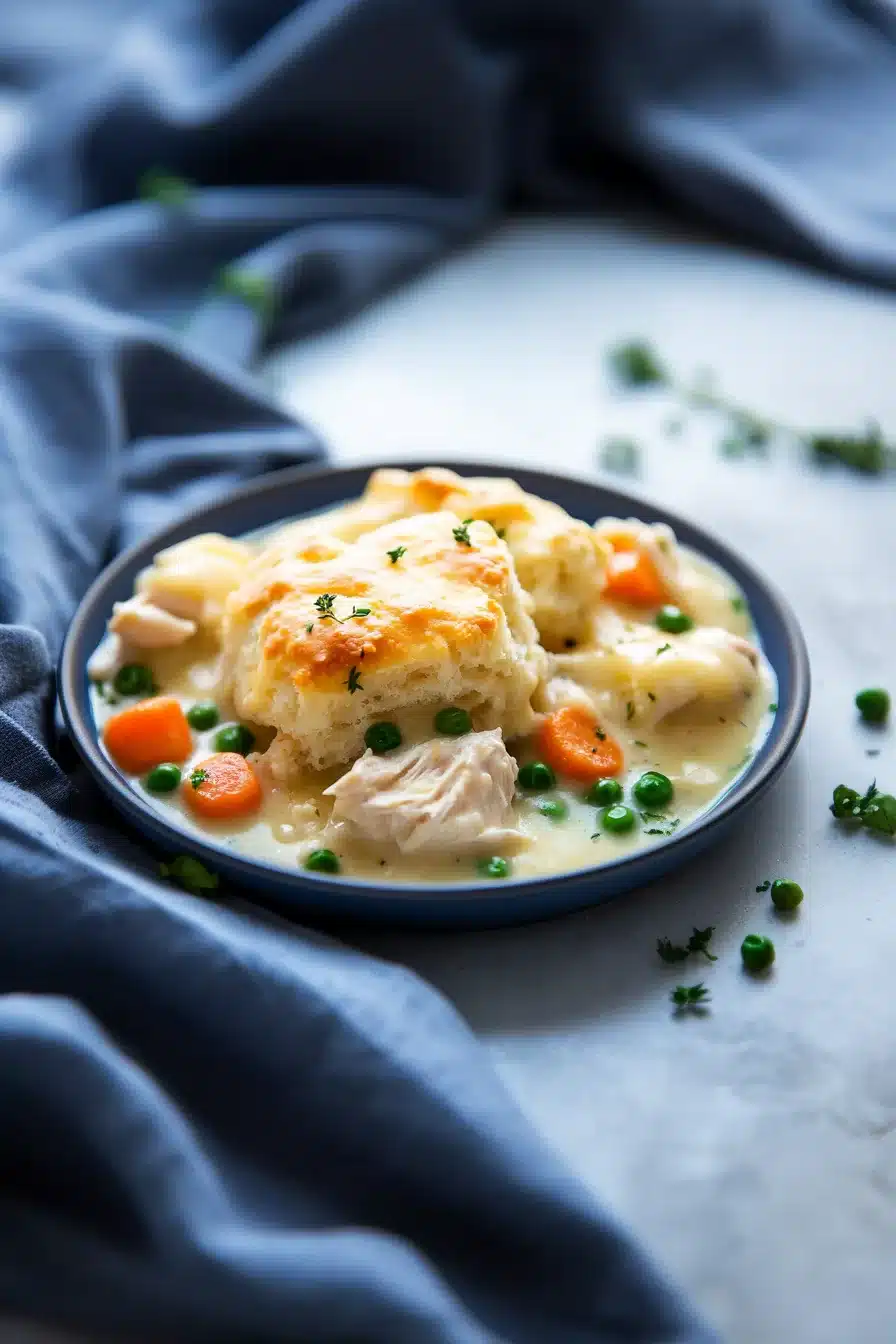
Warm cheddar biscuits, tender chicken, and creamy comfort all in one bite? Yes please. This cozy tiktok cheddar bay biscuit chicken cobbler hits all the good notes with rotisserie chicken, frozen veggies, and that iconic Red Lobster biscuit mix.

You’ll smell buttery goodness wafting from the oven before it even hits 30 minutes. And that golden, craggy biscuit top? Swoon. It’s kind of like if pot pie and biscuit casserole had a cheesy baby—and we are absolutely here for it.

It’s half casserole, half lazy biscuit bake, and completely something you’ll want to eat straight out of the dish with a spoon. This tiktok cheddar bay biscuit chicken cobbler came into my life (okay, my kitchen) on a day I had zero desire to fuss, and I was shocked at how unfussy and satisfying it turned out. It’s rich, savory, cozy, and satisfying without being heavy. Perfect for pajamas and a second helping… even if it’s straight from the fridge.

Table of Contents

Cheddar Bay Biscuit Chicken Cobbler

Why You’ll Love this TikTok Cheddar Bay Biscuit Chicken Cobbler

Sometimes you just need a warm, carby hug in a casserole dish. This one’s got you.

  • Ridiculously simple to make: You just layer things up and let the oven do its thing. No crusts, no fussy steps.
  • Buttery biscuit top: That Cheddar Bay mix puffs up golden and savory, with edges that are slightly crisp and centers that stay fluffy.
  • No chopping required: Grab a rotisserie chicken and frozen veggies, and that’s it. You can keep the knife in the drawer today.
  • It’s a fridge-clearer: Have leftover chicken, random bits of cheese? Into the cobbler they go. Customization is kind of the point.
  • Comfort food, reimagined: Think chicken pot pie with a flavorful biscuit exclamation point on top (plus cheese, which makes everything better).
  • Leftovers rock: It might be even better on day two, when the biscuit has soaked up all that creamy goodness.

Cheddar Bay Biscuit Chicken Cobbler

Ingredient Notes

This is a pantry-friendly, freezer-friendly kind of situation, but here’s what each part brings to the cobbler table.

  • Unsalted butter: Helps create that sizzling, golden base layer. Salted could work too, just ease up on added salt elsewhere.
  • Shredded rotisserie chicken: It’s convenient, juicy, and already seasoned. Perfect shortcut for a weeknight meal.
  • Milk: Creates that pourable biscuit batter. Whole milk gives a richer result, but any milk will technically do.
  • Red Lobster Cheddar Bay Biscuit Mix: The MVP. Includes a seasoning packet that adds loads of garlicky, herby flavor.
  • Frozen peas and carrots: No chopping, all comfort. Substitute with a frozen veggie mix if you’re feeling reckless.
  • Chicken stock: Blends with the soup to create that silky, savory middle layer. Low-sodium lets you control flavor better.
  • Cream of chicken soup: Don’t overthink it. It’s what makes the filling creamy, nostalgic, and super satisfying.
  • Shredded cheddar cheese (optional): Optional, yes… but kind of amazing. Especially if you like a little gooey cheese in your cobbler pockets.

Cheddar Bay Biscuit Chicken Cobbler

How To Make This TikTok Cheddar Bay Biscuit Chicken Cobbler

Okay, ready? Apron on, oven preheating, let’s do this together. This comes together in layers—no mixing, no stirring between—because biscuit science (and TikTok wisdom) says trust the process.

  • Melt the butter in your dish: Pop the stick of butter right into a 9×13-inch baking dish and toss it in the oven while it preheats to 350°F. Keep an eye on it—browned butter = great, but burnt butter = sad cobbler.

  • Mix up the biscuit batter: In a bowl, whisk together the biscuit mix, included seasoning packet, and milk until smooth. It’ll be a pourable batter—not too thick, not runny—kind of like pancake batter with ambition.

  • Layer the chicken and veggies: Once the butter’s melted, take the dish out and swirl it around to coat. Then evenly scatter the shredded rotisserie chicken across the bottom. On top of that, sprinkle your frozen peas and carrots. No need to thaw them; they’ll do their thing in the oven.

  • Sprinkle the cheese (if using): If you’re in a melty cheese mood (highly recommend), go ahead and toss that cup of shredded cheddar over the veggies.

  • Pour the biscuit batter on top: Gently, evenly pour it over the chicken and vegetables. The trick here is: don’t stir. Not even a little bit. Let the layers exist in peace; they bake up best that way.

  • Whisk the soup and stock: In another bowl, whisk the chicken stock and cream of chicken soup until smooth. Then pour it right over the top of everything. Again, resist the urge to stir. It looks weird now, but magic is coming.

  • Bake until golden and set: Into the oven it goes, uncovered, for 45 minutes. Your kitchen will smell like buttery biscuits and nostalgia. The top should be golden, the sides slightly bubbly.

  • Let it sit: This part’s important. Once out of the oven, give the cobbler 15 minutes to set. It’ll firm up, making it easier to scoop while keeping those dreamy layers intact.

Cheddar Bay Biscuit Chicken Cobbler

Storage Options

So you’ve got leftovers? Good. This dish might even be better after a little fridge nap.

Let it cool to room temperature first (we’re not sealing steamy hot food). Then cover the dish tightly or transfer to airtight containers. It’ll last in the fridge for up to 4 days. Reheat it in the microwave or, if you want to regain that crispy biscuit top, pop it in a 325°F oven for about 10–15 minutes instead.

Now, can you freeze it? Yes, totally. For best results, freeze individual portions so you can grab one when the cozy craving hits. Let it thaw in the fridge and then reheat as above. Slight heads-up: the biscuit top may soften a bit, but honestly, it’s still deeply satisfying. A little mushy biscuit is never a dealbreaker in this house.

Variations and Substitutions

Not into peas? Want something spicier? There’s plenty of room to play here.

  • Use a different protein: Leftover turkey, shredded pork, or cooked ground beef all work well. Just keep the same quantity.

  • Add spice: If you like heat, mix a teaspoon of hot sauce or a pinch of cayenne into the biscuit batter or cheese layer.

  • Try other frozen veggies: Corn, green beans, or a stir-fry mix (yeah, really) all fit. Just aim for about 12 ounces total.

  • Make it vegetarian: Use cooked mushrooms or canned white beans instead of chicken, and swap the cream of chicken soup for cream of mushroom.

  • Swap the biscuit mix: Can’t find the Red Lobster box? Any cheddar or buttermilk biscuit mix will work—you can jazz it up with garlic powder and dried parsley.

  • Extra cheese layer: Feeling wildcard-ish? Swirl a few cream cheese dollops into the middle layer for major richness.

Cheddar Bay Biscuit Chicken Cobbler

What to Serve with TikTok Cheddar Bay Biscuit Chicken Cobbler

Since this cobbler really covers the starch, protein, and veggie bases, you don’t need much on the side. But if you’re feeding a crowd or want to round things out, here are a few cozy ideas.

  • A crisp green salad with tart vinaigrette: Something about the freshness and acidity really balances the richness of the cobbler. Add sliced apples or dried cranberries in there if you’re feeling fancy.

  • A big batch of bacon basil cornbread muffins: Okay, yes, it’s biscuit and cornbread—that’s a lot of bread, but who’s judging? The bacon pops against the creaminess of the casserole.

  • Roasted green beans or asparagus: Just something simple and snappy to add a little crunch. No need to overthink it.

  • Apricot-glazed chicken (for leftovers night): If you’ve got leftover cobbler and want to stretch it into another meal, some sweet-savory chicken on the side pairs surprisingly well.

Cheddar Bay Biscuit Chicken Cobbler

Frequently Asked Questions

Can I use homemade biscuit dough instead of the Red Lobster mix?

Yes, totally! If you’ve got a go-to cheddar biscuit recipe, pour that over instead of the boxed mix. Just aim for a similar consistency—think thick pancake batter. You might want to toss in some garlic powder and dried parsley to mimic that classic Cheddar Bay seasoning situation.

Do I need to thaw the veggies before adding them?

Nope, toss ’em in frozen! They’ll cook through just fine in the oven. That’s part of the beauty of this recipe—less prep, more eating. Plus, the extra moisture from frozen veg actually helps steam things gently from the inside.

What can I use instead of cream of chicken soup?

You can sub in cream of mushroom, cream of celery, or even make a quick roux-based homemade version. A good basic one: cook 2 tablespoons of butter and 2 tablespoons flour, whisk in a cup of broth and a bit of cream or milk, and stir until it thickens. Works like a charm.

How do I know when the biscuit layer is fully cooked?

The top should be golden brown and lightly crisped, especially at the edges. Press gently in the center—it should feel set, not jiggly or wet. If you’re unsure, a toothpick inserted in the center of the biscuit layer should come out clean or with just a few moist crumbs.

Cheddar Bay Biscuit Chicken Cobbler

TikTok Cheddar Bay Biscuit Chicken Cobbler

Prep Time 10 minutes
Cook Time 45 minutes
Resting Time 15 minutes
Total Time 1 hour 10 minutes
Warm cheddar biscuits, tender chicken, and creamy comfort all in one bite. This cozy TikTok-inspired Cheddar Bay Biscuit Chicken Cobbler is a mash-up of pot pie and biscuit casserole, loaded with rotisserie chicken, frozen veggies, and that iconic Red Lobster biscuit mix. Layer everything, bake, and get ready for buttery, nostalgic comfort food with gooey, cheesy pockets. Minimal prep—maximum coziness.
8 servings

Ingredients

Base

  • 1 stick (113 g) unsalted butter can use salted, then reduce added salt

Filling

  • 3 cups (375 g) shredded rotisserie chicken or use cooked chicken of choice
  • 2 cups (300 g) frozen peas and carrots sub any frozen mixed vegetables, about 12 oz
  • 1 cup (100 g) shredded cheddar cheese optional, but delicious

Biscuit Batter

  • 1 box (240 g) Red Lobster Cheddar Bay Biscuit Mix 8.5-ounce box, with seasoning packet
  • 1 packet Cheddar Bay biscuit seasoning from package; or use 1 tsp garlic powder + 1 tsp dried parsley
  • 1.5 cups (360 ml) milk whole milk preferred

Creamy Layer

  • 1 can (298 g) cream of chicken soup 10.5-ounce can
  • 2 cups (480 ml) low sodium chicken stock

Equipment

  • 9x13 inch Baking Dish
  • Mixing bowls
  • Whisk

Instructions
 

  1. Preheat the oven to 350°F (175°C). Place the stick of butter into a 9x13-inch baking dish and put it in the oven to melt as it preheats. Keep an eye on it to prevent burning.
  2. Meanwhile, in a bowl, whisk together the Cheddar Bay biscuit mix, included seasoning packet, and milk until smooth to form a pourable batter (like thick pancake batter).
  3. Once the butter is melted, remove the dish from the oven and swirl so the bottom is coated. Evenly scatter shredded chicken in the bottom of the dish, then layer on frozen peas and carrots (no need to thaw).
  4. If using, sprinkle the shredded cheddar cheese evenly over the veggies.
  5. Pour the biscuit batter evenly over the chicken and veggies. Do not stir. Let the layers stay in place.
  6. In another bowl, whisk together the chicken stock and cream of chicken soup until smooth. Pour gently over the top of everything in the baking dish. Again, do not stir.
  7. Bake uncovered for 45 minutes, until the biscuit top is puffy, golden, and the edges are bubbling.
  8. Remove from oven and let the cobbler rest for 15 minutes so it can set before serving.

Notes

Make it your own: Add spices to the batter, swap veggies, use other proteins, or add extra cheese inside or on top. Leftovers keep in the fridge for up to 4 days and can be reheated in the microwave or oven. Freezes well, but the biscuit top may become softer after thawing.

Nutrition

Calories: 420kcal | Carbohydrates: 32g | Protein: 27g | Fat: 20g | Saturated Fat: 11g | Cholesterol: 85mg | Sodium: 1100mg | Potassium: 450mg | Fiber: 2g | Sugar: 5g | Vitamin A: 3200IU | Vitamin C: 4mg | Calcium: 250mg | Iron: 2.5mg

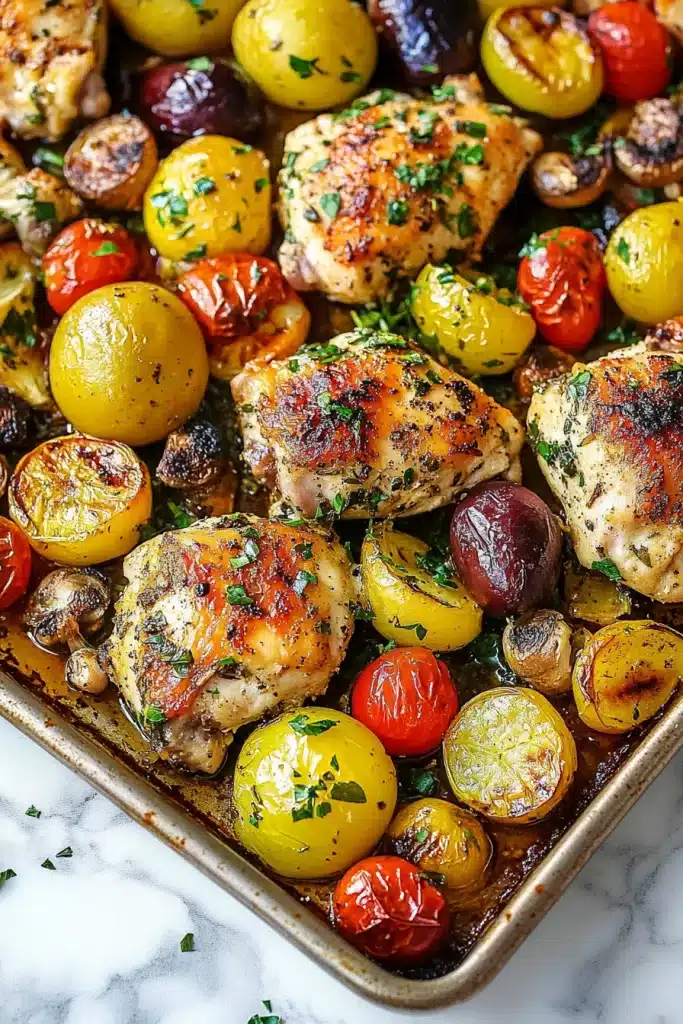
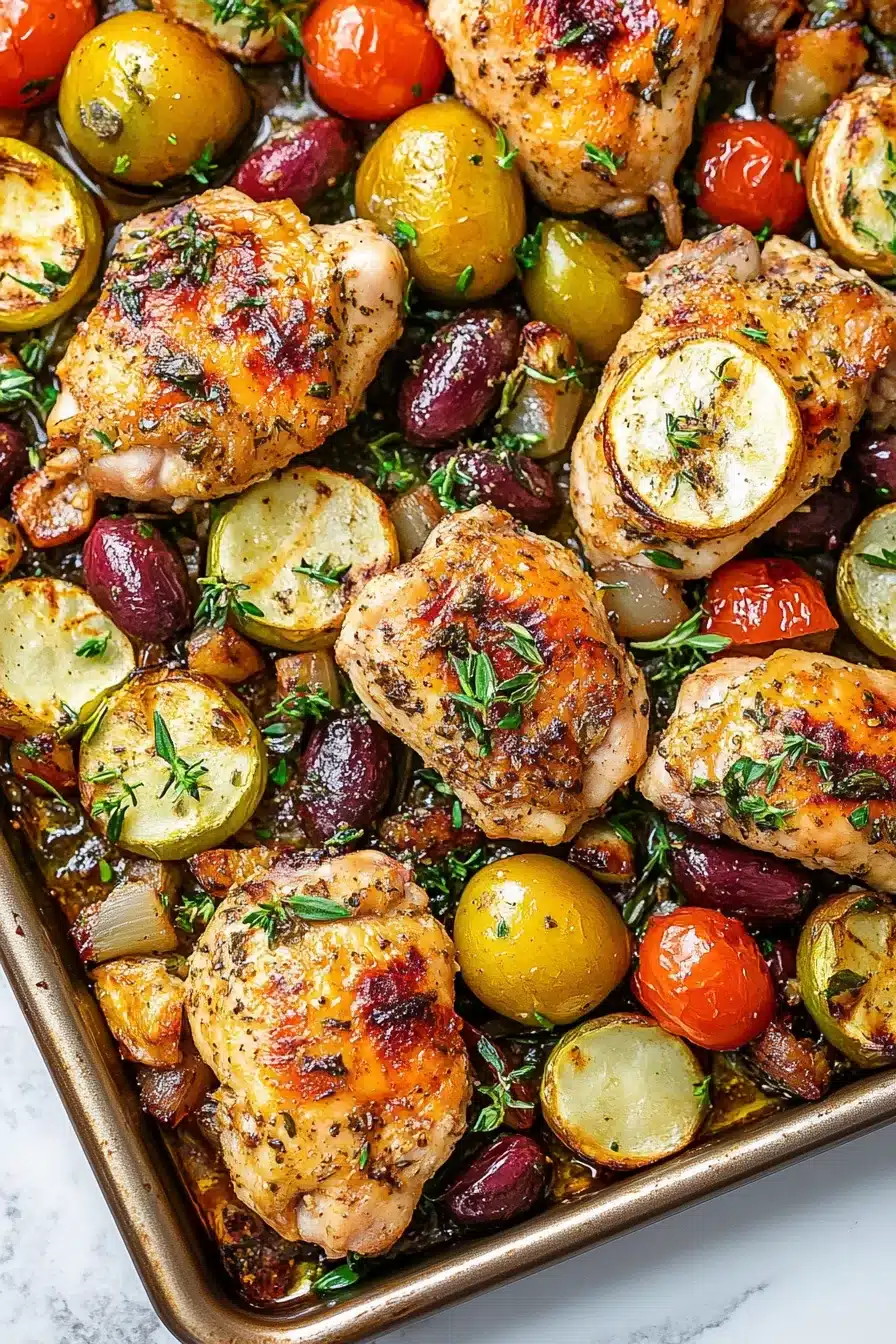
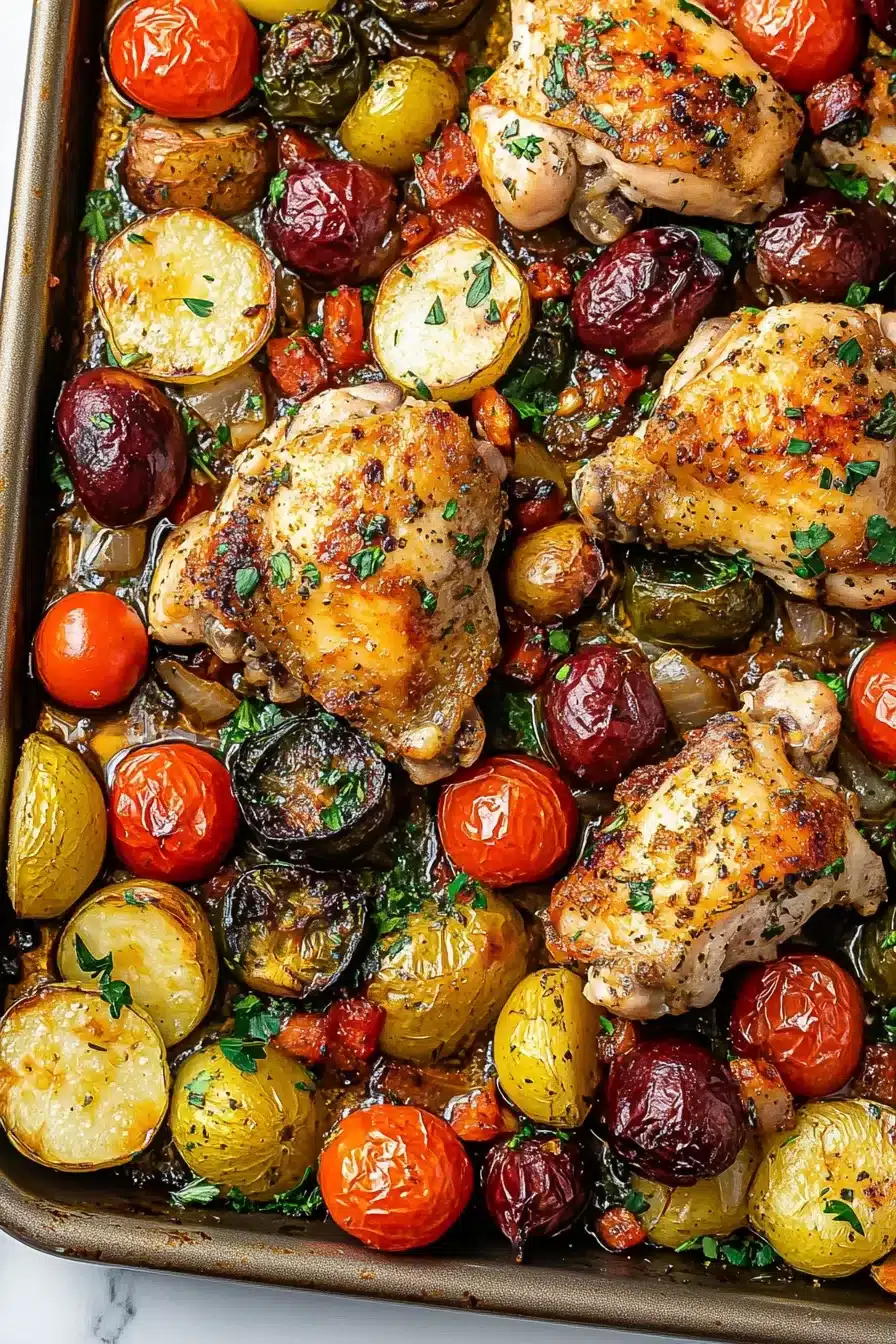
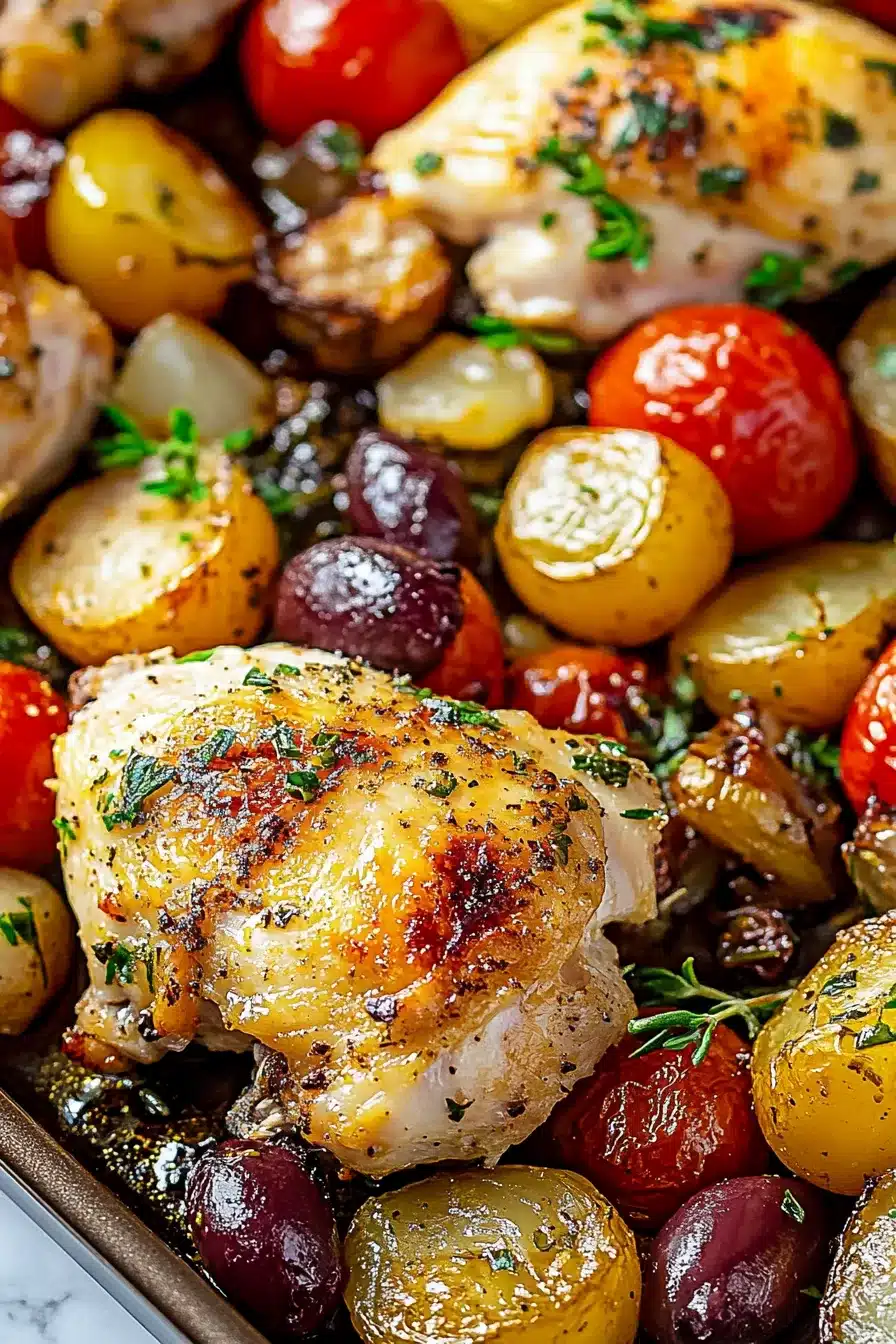
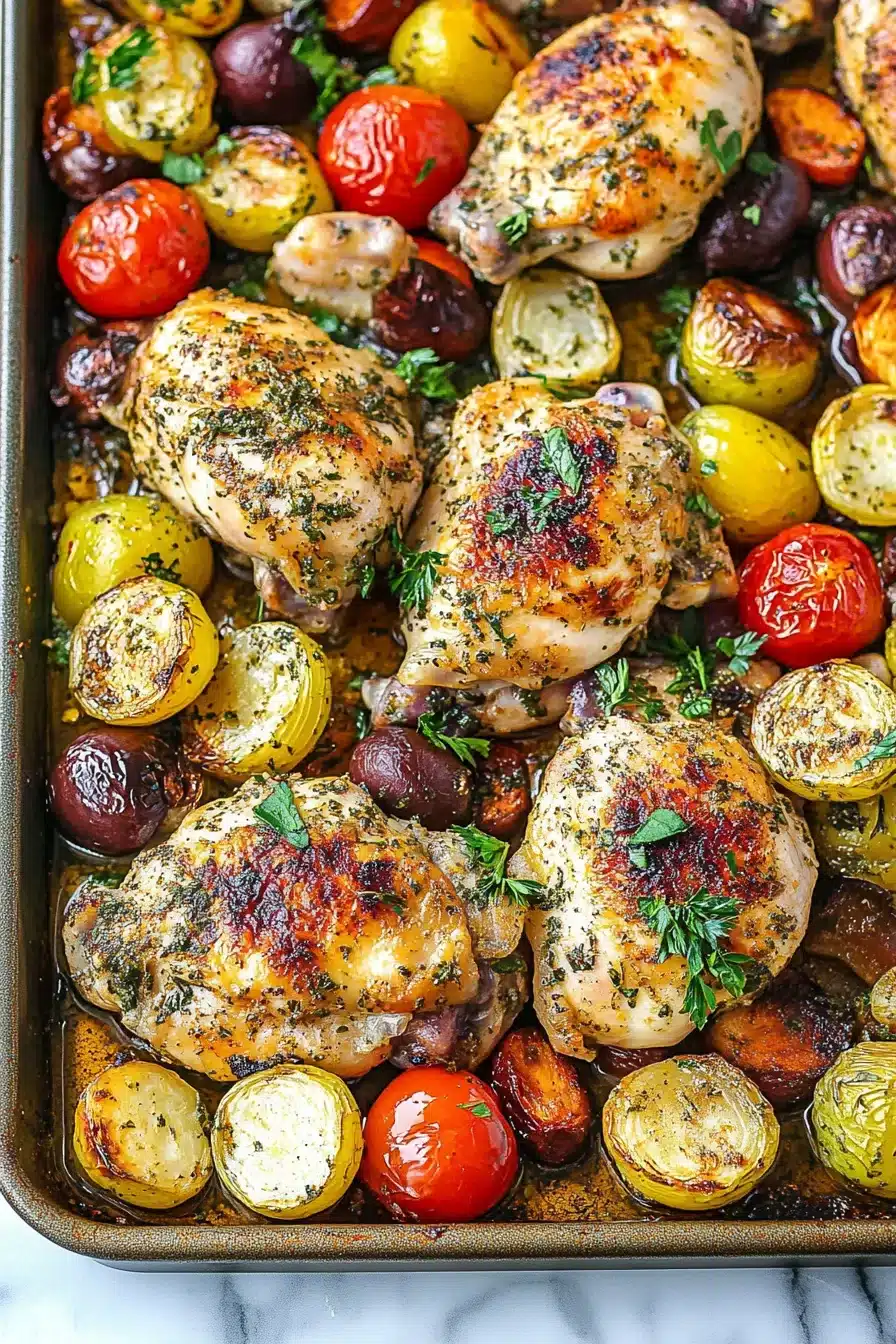
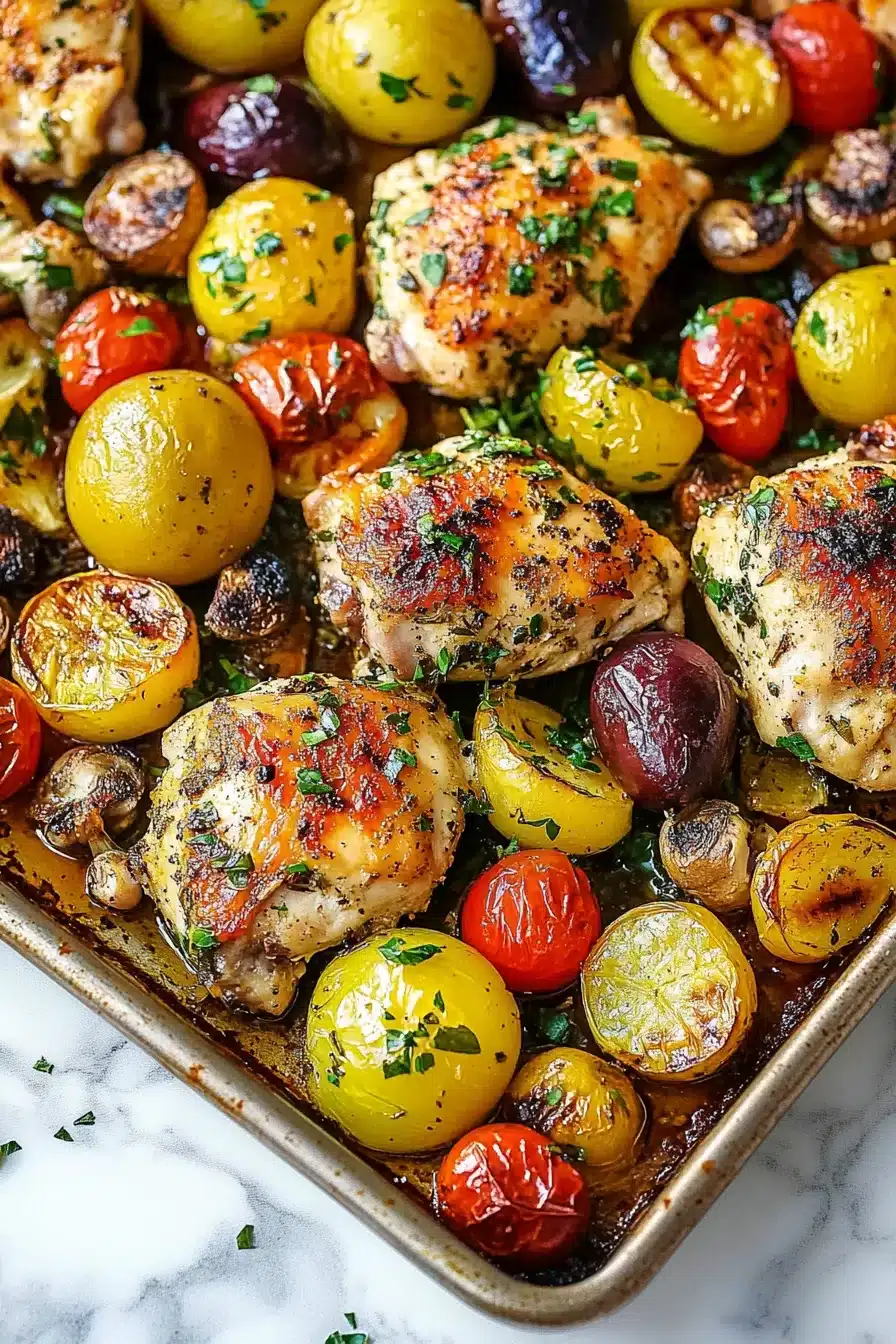
Bright citrus, warm spices, and juicy roasted chicken—this Greek sheet pan chicken is loaded with flavor from lemon, garlic, and herbs, plus roasted veggies.

The kitchen smells like a Mediterranean vacation rental (you know the one, white stucco walls and that breezy outdoor table) as everything roasts together in one glorious pan.

This is the kind of dish you pull out of the oven and people just kind of migrate toward. The edges of the potatoes get all crispy and golden while the tomatoes burst and get jammy. The chicken? That skin goes crackly in the best possible way. It’s got weeknight ease but also enough flair to stand tall on a Saturday night table with wine and a no-fuss salad. And yes, the feta goes on at the end, all tangy and salty and chef’s kiss. Let’s do this.

Table of Contents

Greek Sheet Pan Chicken

Why You’ll Love this Greek Sheet Pan Chicken

This is one of those recipes you keep in rotation because it checks every box without making a mess.

  • Ridiculously simple to make: Toss everything on a pan and let the oven do its thing. Minimal prep, delicious results.
  • Only one pan to wash: Truly, there’s something very satisfying about tossing your dinner in the dishwasher all at once.
  • Flavor-packed marinade: The lemon, oregano, garlic, and spices soak into the chicken, making it taste like it came from a seaside taverna.
  • Veggies roast right alongside: No need for separate sides. The potatoes and peppers soak up the juices and crisp up beautifully.
  • Stunning presentation with zero effort: A rainbow of veggies, golden chicken, sparkly feta… it looks fancier than it is.
  • Meets everyone’s cravings: It’s cozy yet vibrant, hearty but not heavy. Basically, it’s dinner magic.

Greek Sheet Pan Chicken

Ingredient Notes

Let’s chat ingredients for just a minute. Nothing too fancy here, but together they create something pretty special.

  • Chicken thighs (bone-in, skin-on): Super juicy, full of flavor, and the skin crisps up like a dream. Breasts or drumsticks work too.
  • Olive oil: Adds richness and helps everything roast up nicely. Use something tasty since it’s the base of the marinade.
  • Lemon juice: Brings brightness and zing. Fresh-squeezed only—this is not the time for bottled.
  • Garlic: Four cloves, minced finely, for bold savory flavor.
  • Oregano and thyme: Classic Greek herbs that make everything smell incredible as they roast.
  • Smoked paprika: Adds a soft, earthy depth and a whisper of smokiness.
  • Cumin and coriander: These two sneak in a warm, toasty background note that rounds out the whole dish.
  • Salt and black pepper: Don’t hold back—they bring out everything else.
  • Yukon gold potatoes: Creamy, golden, and perfect for roasting. Wedges help them match the chicken’s cook time.
  • Red onion, red bell pepper, zucchini, cherry tomatoes: Color, texture, and sweet roasted goodness.
  • Feta, Kalamata olives, parsley, lemon wedges: Those final little toppings take it from good to great. Don’t skip them!

Greek Sheet Pan Chicken

How To Make This Greek Sheet Pan Chicken

Okay, sleeves up (or down, honestly, we’re not frying anything here). Here’s how we get this saucy situation on your table.

  • Make the marinade: In a really big bowl, whisk together your olive oil, lemon juice, garlic, herbs, and spices. It’ll smell bright and earthy all at once—hello flavor town.

  • Toss the chicken in: Get those thighs in there and coat ’em well. Massage gently if needed. Let them chill in the fridge for at least 30 minutes. If you have 4 hours, even better.

  • Prep your oven and veggies: Oven to 425°F, thank you very much. Spread your prepped potatoes, onions, zucchini, and bell peppers on a big rimmed baking sheet. Drizzle with olive oil, salt, pepper, and toss to coat. Don’t crowd the pan too much—caramelization needs breathing room.

  • Add the chicken: Pull the chicken from the marinade and shake off any excess. Nestle the pieces between the veggies. Pour any remaining marinade over the top. It’ll sizzle into everything while roasting.

  • Roast it all: Pop the tray in the oven for 40–45 minutes. Your kitchen now smells like lemon, garlic, and cozy comfort. The chicken should be golden and cooked through (165°F internally), and the potatoes fork-tender. Want crispy chicken skin? Blast it under the broiler for 3–5 minutes right at the end.

  • Top it off: Scatter feta, parsley, and olives across the roasted goodness. Serve with lemon wedges on the side and maybe a bread situation if you’re feeling fancy.

Greek Sheet Pan Chicken

Storage Options

So let’s say you have leftovers (I know… unlikely, but let’s dream). This stuff stores like a champ.

Pop any cooled leftovers into an airtight container and keep them in the fridge for up to 4 days. The flavors actually deepen a bit overnight, especially those veggies that soak up all the chicken drippings.

Reheating is easy: the oven is best. Toss it back onto a sheet pan at 375°F for about 10–15 minutes or until the edges crisp back up. You can microwave it if needed, but the skin will lose its crunch (still tasty, just… different).

And yes, you can freeze it. Remove the feta and fresh toppings first, then pack airtight. It’ll keep about 2 months. Thaw in the fridge overnight, then reheat in the oven until warmed through. Ideal for lazy future-you.

Variations and Substitutions

You’ve got options, friend. Here’s how to mix things up without messing things up.

  • Boneless chicken thighs: They cook faster and stay juicy. Just reduce roasting time by about 10 minutes, so they don’t dry out.

  • Sweet potatoes instead of Yukon Gold: If you like a touch of sweetness with your savory, sweet potatoes roast up beautifully here.

  • Other veggies: Cauliflower, eggplant, or green beans would all be delicious. Just cut them to match the size and cook time of the others.

  • Fresh herbs at the end: A sprinkle of dill or mint would add a different brightness, especially if parsley isn’t your thing.

  • No feta? No problem: You could skip it, or swap in goat cheese crumbles or a little shaved parmesan. Just give it some salty finish.

Greek Sheet Pan Chicken

What to Serve with Greek Sheet Pan Chicken

This dish honestly covers most of the bases, but if you’re feeling ambitious (or just hungry), here are a few things that pair really well.

  • A crisp green salad: Something lemony and sharp like arugula with a mustard vinaigrette is perfect next to this dish. Keeps things feeling light and fresh.

  • Pita or crusty bread: You’ll want something to mop up those pan juices. Bonus if it’s warm and toasty. I like tearing it with my hands because… rustic chic?

  • Tzatziki or yogurt dip: A cool, creamy sauce on the side is lovely with the spicy-salty roasted mixture. It’s also a great way to stretch leftovers later.

  • A glass of white wine or chilled rosé: Optional, of course, but highly encouraged. It matches the sunny vibes. If not wine, even sparkling water with lemon is delightful.

  • Tapenade or roasted red pepper dip: If you’re entertaining, add a board with dips and olives. It’ll feel like a casual mezze moment and nobody will know how easy it was.

Greek Sheet Pan Chicken

Frequently Asked Questions

Can I use chicken breasts instead of thighs?

Totally. Just keep an eye on your cook time. Breasts tend to cook faster, especially if they’re boneless. Depending on thickness, you might want to check for doneness at 25–30 minutes so they don’t dry out. You can also pound them a bit to even out the thickness—it helps them cook evenly with the veggies.

Why is my chicken not browning on top?

This usually means two things: not enough heat from the top (hi broiler!) or moisture from the marinade keeping the skin soggy. Pat the chicken skin with a paper towel before roasting if you’re worried. And definitely broil the last few minutes—it makes a world of difference in crisping things up.

Can I make this ahead of time?

Yep! You can marinate the chicken up to 4 hours ahead, even overnight if needed. You can also chop all your veggies earlier in the day and store them in the fridge. Then when you’re ready, just toss everything on the pan and go. Leftovers reheat like champs too, FYI.

What other dishes go well if I want a full Greek-inspired meal?

If you want to round it out a bit, a big bowl of rice or grains can help catch all that saucy goodness. For dessert, something simple like ice cream sandwiches actually works well—nothing too fussy. And hey, if you’re feeling it, try some grilled halloumi or even a little lentil salad.

Greek Sheet Pan Chicken

Greek Sheet Pan Chicken

Prep Time 20 minutes
Cook Time 45 minutes
Marinating Time 30 minutes
Total Time 1 hour 5 minutes
Bright citrus, warm spices, juicy roasted chicken, and a rainbow of veggies—this Greek sheet pan chicken is loaded with flavor from lemon, garlic, and herbs. Everything roasts together so your kitchen smells like a Mediterranean vacation, and the pan delivers crispy potatoes, jammy tomatoes, golden chicken, and a scattering of feta, olives, and fresh herbs. Easy enough for a weeknight, stunning enough for Saturday night with wine.
4 servings

Ingredients

Marinade

  • 1/4 cup (60 ml) olive oil
  • 3 tbsp (45 ml) fresh lemon juice about 1 large lemon
  • 4 cloves garlic finely minced
  • 2 tsp dried oregano
  • 1 tsp dried thyme
  • 1 tsp smoked paprika
  • 1 tsp ground cumin
  • 1/2 tsp (0.5 tsp) ground coriander
  • 1 1/2 tsp (1.5 tsp) kosher salt plus more to taste
  • 1 tsp black pepper freshly ground

Sheet Pan

  • 2 lbs (900 g) chicken thighs bone-in, skin-on (about 4–6 pieces), or substitute drumsticks or breasts
  • 1 1/2 lbs (680 g) Yukon Gold potatoes cut into wedges
  • 1 medium red onion cut into wedges
  • 1 red bell pepper cut into thick strips
  • 1 zucchini cut into thick half-moons
  • 1 cup (150 g) cherry tomatoes halved
  • 2 tbsp (30 ml) olive oil for drizzling over vegetables

Toppings (after baking)

  • 4 oz (115 g) feta cheese crumbled
  • 1/2 cup (75 g) Kalamata olives pitted and halved
  • 1/4 cup (10 g) fresh parsley chopped
  • 1 lemon cut into wedges for serving

Equipment

  • Rimmed Baking Sheet
  • Large mixing bowl
  • Whisk
  • Oven

Instructions
 

  1. Make the marinade: In a large bowl, whisk together olive oil, lemon juice, garlic, oregano, thyme, smoked paprika, cumin, coriander, salt, and black pepper until well combined.
  2. Marinate the chicken: Add chicken thighs to the bowl and toss to coat well. Massage marinade into the chicken if needed. Cover and refrigerate at least 30 minutes or up to 4 hours.
  3. Prep oven and veggies: Preheat oven to 425°F (220°C). On a large rimmed baking sheet, arrange potatoes, onion, zucchini, and red bell pepper. Drizzle with olive oil, season with salt and pepper, and toss to coat. Spread veggies out in an even layer.
  4. Add chicken and tomatoes: Nestle marinated chicken thighs (skin side up) among the vegetables on the sheet pan. Scatter cherry tomatoes around as well. Pour any extra marinade over everything.
  5. Roast: Bake for 40–45 minutes, or until chicken skin is golden and crisp, veggies are tender, and potatoes are cooked through (chicken should read 165°F in the thickest part). For extra crispy skin, place under the broiler for 3–5 minutes at the end.
  6. Finish and serve: Immediately scatter crumbled feta, Kalamata olives, and fresh parsley over the hot pan. Serve with lemon wedges on the side.

Notes

Change up the veggies (try cauliflower, green beans, or eggplant), swap Yukon Golds for sweet potatoes, or use boneless thighs/breasts (decrease cooking time a bit). For dairy-free, skip the feta or sub in a sprinkle of nutritional yeast. Leftovers reheat beautifully in the oven.

Nutrition

Calories: 520kcal | Carbohydrates: 28g | Protein: 34g | Fat: 30g | Saturated Fat: 9g | Cholesterol: 140mg | Sodium: 1080mg | Potassium: 1150mg | Fiber: 4g | Sugar: 5g | Vitamin A: 1470IU | Vitamin C: 52mg | Calcium: 140mg | Iron: 3mg

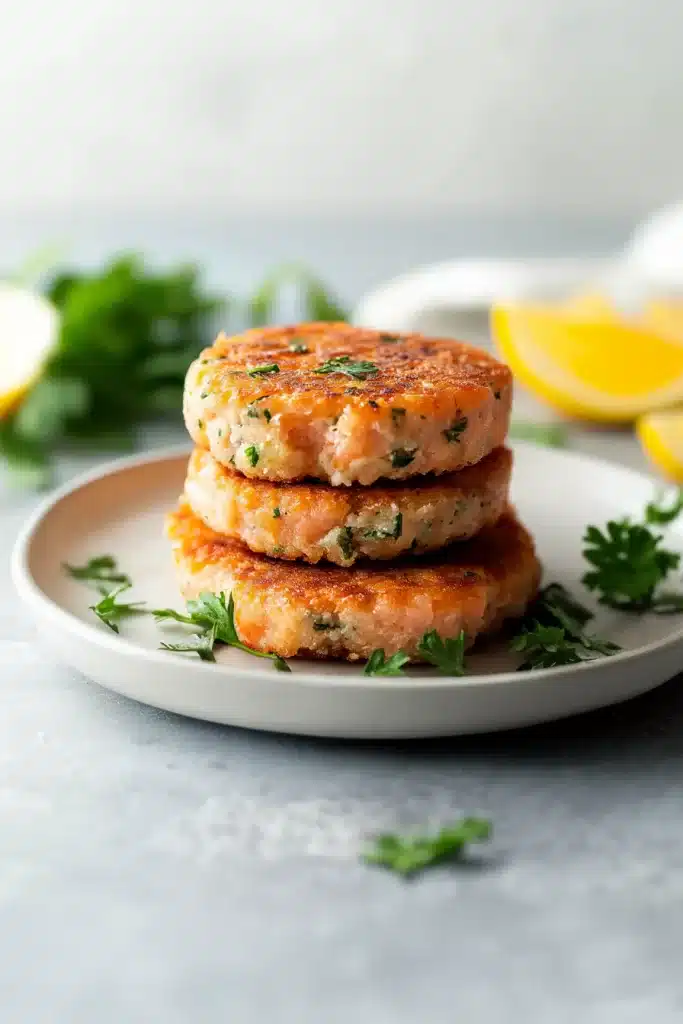
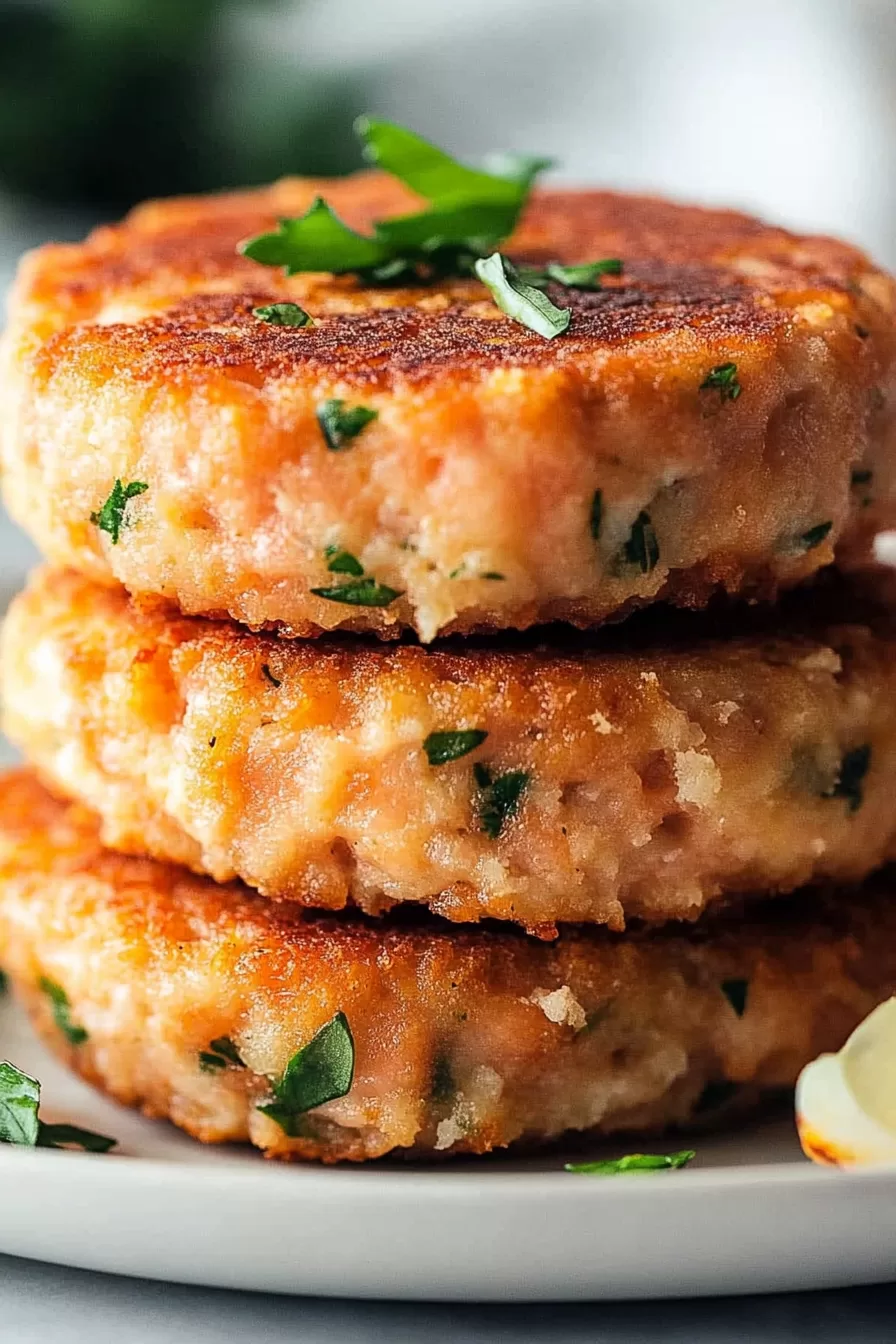
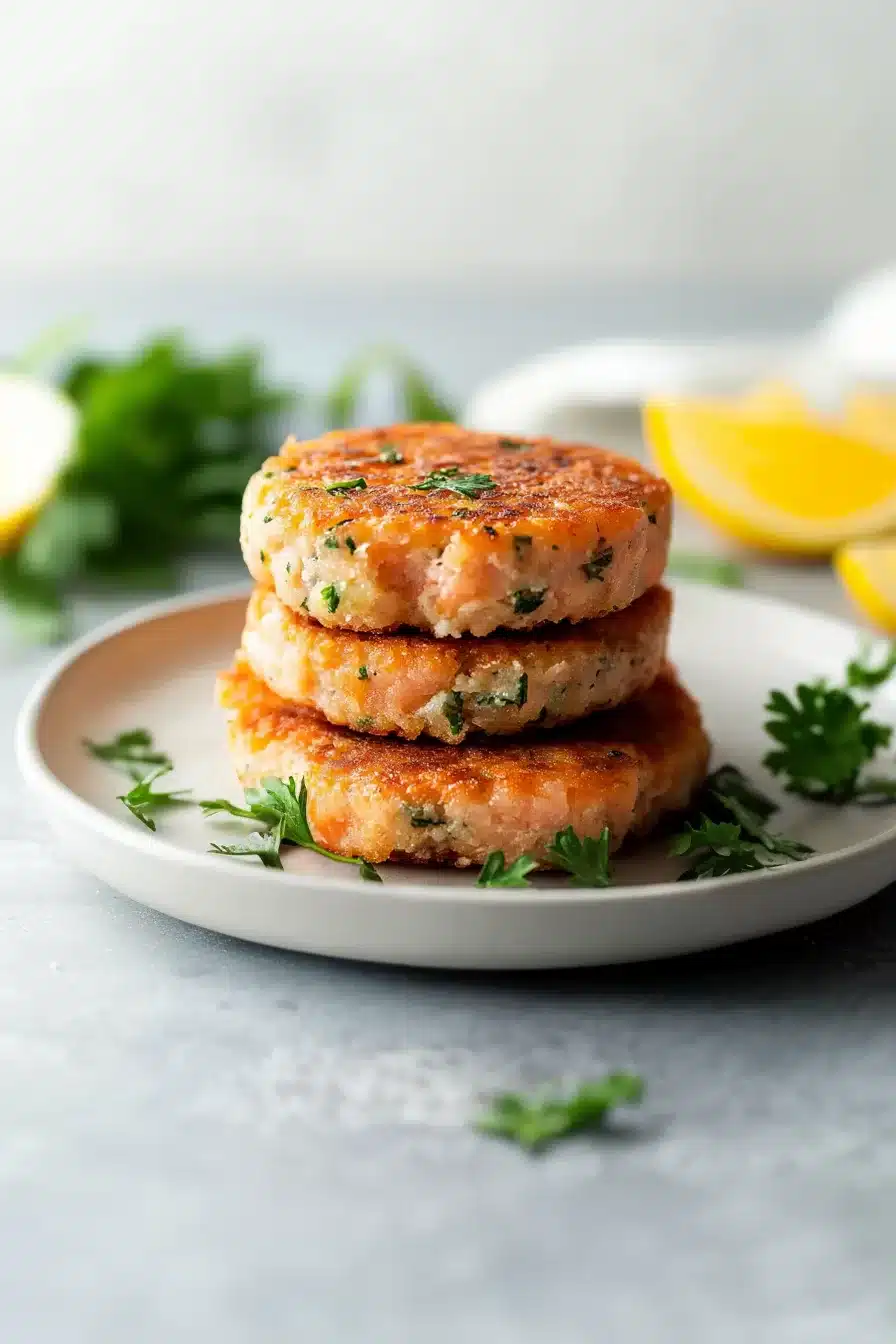
Crispy on the outside, tender and savory on the inside, these salmon cakes mix canned salmon with panko, onion, Dijon, and a whisper of Old Bay. They’re golden, zesty, and completely weeknight-worthy.

Imagine something lightly crunchy giving way to velvety flakes of fish, threaded with parsley, garlic, and a little heat if you’re bold. Pile them on a plate with lemon wedges and something creamy to dip. It’s dinner without the dinner drama.

Salmon cakes are like the cozy sweater of quick meals—warm, reliable, and never weirdly clingy. You just mix, shape, fry, and boom. They’re ideal when you’ve had enough of chicken but don’t quite want to fuss with fillets. There’s texture from the panko, brightness from lemon juice, and a little kick if you like things that way. Plus, canned salmon means it’s pantry-friendly and budget-kind. Casual enough for a Tuesday, tasty enough for a Friday, and not mad about being served with avocado.

Table of Contents

Salmon Cakes

Why You’ll Love this Salmon Cake Recipe

Okay, real talk: these aren’t your fancy dinner party fish patties. They’re more “grab a fork and keep nibbling while standing next to the stove” kind of good.

  • Ridiculously simple to make: You just stir everything in a bowl, shape into patties, and get ‘em sizzling.
  • Pantry-friendly ingredients: Got some canned salmon and breadcrumbs? You’re halfway there.
  • Customizable spice level: Keep it mellow or sneak in some red pepper flakes—your call.
  • Perfect texture combo: Crisp outside with a moist, tender middle that doesn’t fall apart on the way to your mouth.
  • Freezer-friendly: These reheat like a dream, so make extra. Future You will be thankful.
  • Great with all kinds of toppings: Aioli? Yep. Avocado slices? Hello. Tartar sauce? Absolutely.

Salmon Cakes

Ingredient Notes

You don’t need a million ingredients here—just the right ones. A few fresh bits, a couple of pantry staples, and some flex space to riff if needed.

  • Canned salmon: Look for the kind packed in water for better texture. Skin and bone are fine (they mash right in and add calcium).
  • Panko breadcrumbs: They give the cakes that satisfying crunch factor. Regular breadcrumbs work, but panko’s got that extra puff.
  • Eggs: Acts like culinary glue. They keep things holding hands rather than falling to pieces in the skillet.
  • Mayonnaise: Adds richness and moisture. It kind of disappears but makes everything better. Promise.
  • Dijon mustard: Tangy and sharp, it cuts through the richness. Don’t skip it, even if you’re not a mustard person.
  • Onion & celery: Adds a little crunch and a lot of savoriness. Grate or mince fine so they melt in.
  • Garlic & parsley: Bright and aromatic. Use fresh parsley if you can—it makes a big difference.
  • Old Bay seasoning: The secret flavor booster. It’s salty, spicy, and mysteriously addictive.
  • Smoked paprika: Just a touch for that deep, smoky undercurrent.
  • Parmesan cheese: Not traditional but delightful. Adds umami and depth.
  • Hot sauce or red pepper flakes: Optional, but adds grown-up flair if you like a little zing.
  • Olive oil or butter (for frying): Butter adds flavor, oil adds crispness. Use what speaks to your soul (or pantry).

Salmon Cakes

How To Make This Salmon Cake Recipe

Let’s get into it. This process is mostly mix-pat-sizzle-enjoy, but I’ll walk you through so you’re not second-guessing anything mid-spatula.

  • Mix everything together: In a big bowl, combine the flaked salmon with breadcrumbs, eggs, mayo, Dijon, onion, celery, garlic, parsley, Old Bay, paprika, lemon juice, Parmesan (if bending the rules), and the optional spicy bits. If it looks too wet, toss in a little more panko. Too dry? A spoonful more mayo won’t hurt anyone.

  • Form into patties: Use your hands (yep, we’re getting cozy) to pat the mix into 8 uniform-ish patties. About half an inch thick is the sweet spot—they hold together and brown nicely. Pop them on a tray or plate and refrigerate for 15–20 minutes so they firm up a little.

  • Fry ‘em till golden: Heat oil or butter in a skillet over medium heat. Not too hot—we want sizzle, not smoke. Cook the patties in batches if needed, 3–4 minutes per side, until they’re golden brown and heated through. They should smell amazing by now.

  • Serve and savor: Plate them with lemon wedges and your chosen sauce. Tartar’s classic, but an herby aioli shines too. I like mine with mixed greens, or maybe this rainbow chard situation when I need a veggie moment.

Salmon Cakes

Storage Options

Leftovers can be glorious—if you treat them right. Once cooled, stash your salmon cakes in an airtight container in the fridge. They’ll keep happily for about 3 days.

Reheating? A quick pass through a skillet over medium heat brings back that golden crust beautifully. Microwave works too, but the texture softens—so maybe save that method for less crispy cravings.

And yes, you can totally freeze these. Lay uncooked cakes on a tray and freeze until firm, then pop them into a freezer bag. They’ll keep a solid 2 months. When you’re ready, cook them straight from frozen—just add 1–2 extra minutes per side and maybe lower the heat a notch so they don’t brown too fast before warming through.

In all honesty, I’ve even eaten one straight from the fridge with a blob of spicy mayo. Cold. No regrets.

Variations and Substitutions

The base is solid, but it’s friendly to all kinds of tweaks. Shake things up if you’re bored, missing something, or just love to riff.

  • Fresh salmon: Use cooked, flaked fillets if you’ve got them. Great use for leftovers—especially if someone overestimated dinner portions last night.
  • Swap the breadcrumbs: Crushed crackers, almond flour, or even oatmeal can pinch hit. You might need to tweak the moisture a bit.
  • Herbs and seasonings: Try dill, chives, cilantro, or even basil. Your fridge herb backstock just found its destiny.
  • Make it dairy-free: Skip the Parmesan and go for extra seasoning instead. Nutritional yeast could add that cheesy wink without the actual cheese.
  • Go spicy or smoky: Chipotle powder instead of paprika? Yes, please. Or toss in chopped jalapeño for bold bites.
  • Add veggies: Finely shredded zucchini (squeeze it dry first!) or carrot sneaks in some color and sweetness.

Salmon Cakes

What to Serve with Salmon Cakes

Okay, the main star’s on the plate, now what rides shotgun? These guys are ultra-flexible. You can dress them up or down depending on your dinner vibe.

  • A crisp green salad: Keep it simple—think arugula, shaved fennel, lemon vinaigrette. That peppery crunch balances the rich, savory cakes without stealing the show.

  • Roasted vegetables: Something cozy like roasted broccoli or Brussels sprouts adds contrast. Bonus points if you toss them in garlic and lemon before roasting.

  • Light grains or starches: Quinoa, couscous, or even buttery mashed potatoes play really nicely here. Or scoop them on polenta like a boss.

  • Bright sauces and dips: Tartar sauce is classic, but a lemony aioli, horseradish yogurt sauce, or even avocado crema makes these extra fun. If you’re a hot sauce hoarder… let that flag fly.

  • Side of something sweet: Sometimes, a subtle sweet finish works wonders. These salmon cakes follow nicely after a slice of sweet potato cake—just don’t eat it before dinner (unless it’s been that kind of day).

Salmon Cakes

Frequently Asked Questions

Can I use fresh salmon instead of canned?

Absolutely! If you’ve got some cooked salmon leftovers (like from grilling or roasting), just flake them up and use an equal amount in the mix. The flavor will be a bit richer, and the texture just slightly firmer. Just make sure it’s fully cooked before adding it to the bowl—no one wants salmon tartare surprise.

How do I keep the salmon cakes from falling apart?

The trick is balance: not too wet, not too dry. The eggs and mayo help act as binders, and the breadcrumbs soak up extra moisture. If your mixture feels too loose while forming patties, mix in a spoonful more panko. And chilling them before frying is a big help—it firms everything up so they hold together in the pan.

Can I bake these instead of frying?

Yep—baking’s totally doable. Place the patties on a parchment-lined sheet, brush lightly with oil or spray, and bake at 400°F (200°C) for about 15–18 minutes, flipping halfway. They won’t get quite as crisp as pan-fried, but they’ll still brown and firm up beautifully. Great option if you’re trying to use fewer pans or avoid stovetop splatter.

Do I need to remove the skin and bones from canned salmon?

Not at all. Most canned salmon comes with small, soft bones and skin still in—the bones are packed with calcium, and they mash right into the mixture. If the idea freaks you out, you can pick them out, but honestly, after mixing, you won’t even notice them.

Salmon Cakes

Crispy Salmon Cakes

Prep Time 20 minutes
Cook Time 10 minutes
Chill Time 15 minutes
Total Time 40 minutes
Crispy on the outside, tender and savory on the inside—these salmon cakes are weeknight wonders. Made with canned salmon, panko, onion, Dijon, and a touch of Old Bay, each bite is golden, zesty, pantry-friendly, and just the right balance of cozy and fresh.
4 servings

Ingredients

Main Ingredients

  • 2 cans (400 g) salmon about 14–15 oz total, packed in water, drained and flaked (skin and bones are fine)
  • 1 cup (60 g) panko breadcrumbs plus more as needed
  • 2 large eggs
  • 1/4 cup (60 ml) mayonnaise
  • 1 tbsp (15 ml) Dijon mustard
  • 1/3 cup (50 g) finely diced onion
  • 1/4 cup (30 g) finely diced celery
  • 2 cloves garlic minced
  • 1/4 cup (15 g) chopped fresh parsley
  • 1 tsp (4 g) Old Bay seasoning
  • 1/2 tsp (2 g) smoked paprika
  • 1 tbsp (15 ml) fresh lemon juice plus more for serving
  • 1/4 cup (22 g) finely grated Parmesan cheese optional
  • hot sauce or red pepper flakes to taste, optional

For frying

  • 2 tbsp (30 ml) olive oil or butter as needed for frying

To serve

  • lemon wedges
  • your favorite sauce (tartar, aioli, etc.)

Equipment

  • Large mixing bowl
  • Skillet
  • Spatula

Instructions
 

  1. Mix everything together: In a large bowl, combine the flaked salmon, panko, eggs, mayo, Dijon, onion, celery, garlic, parsley, Old Bay, smoked paprika, lemon juice, Parmesan if using, and optional hot sauce or red pepper flakes. Stir until well mixed. If the mixture seems too wet, add a little more panko; if it's too dry, add a spoonful of mayo.
  2. Form into patties: With your hands, shape the mixture into 8 even patties, about 1/2 inch thick. Place on a tray or plate and refrigerate for at least 15–20 minutes so they firm up.
  3. Fry the cakes: Heat oil or butter in a skillet over medium heat. Working in batches if necessary, add the patties and cook for 3–4 minutes per side, until golden brown and heated through. Transfer to a paper towel-lined plate.
  4. Serve: Serve hot with lemon wedges and your favorite sauce. Great with a green salad, roasted veggies, or your choice of grain.

Notes

Storage: Refrigerate cooked cakes in an airtight container for up to 3 days, or freeze uncooked for up to 2 months. Reheat in a skillet for best texture.
Variations: Use fresh-cooked salmon, swap breadcrumbs for cracker crumbs or almond flour, and play with herbs, seasonings, or veggies. For a dairy-free option, skip the Parmesan.
Baking option: Bake at 400°F (200°C) for 15–18 minutes, flipping halfway.

Nutrition

Calories: 260kcal | Carbohydrates: 13g | Protein: 19g | Fat: 14g | Saturated Fat: 3g | Cholesterol: 110mg | Sodium: 570mg | Potassium: 358mg | Fiber: 1g | Sugar: 1g | Vitamin A: 410IU | Vitamin C: 5mg | Calcium: 136mg | Iron: 2.5mg

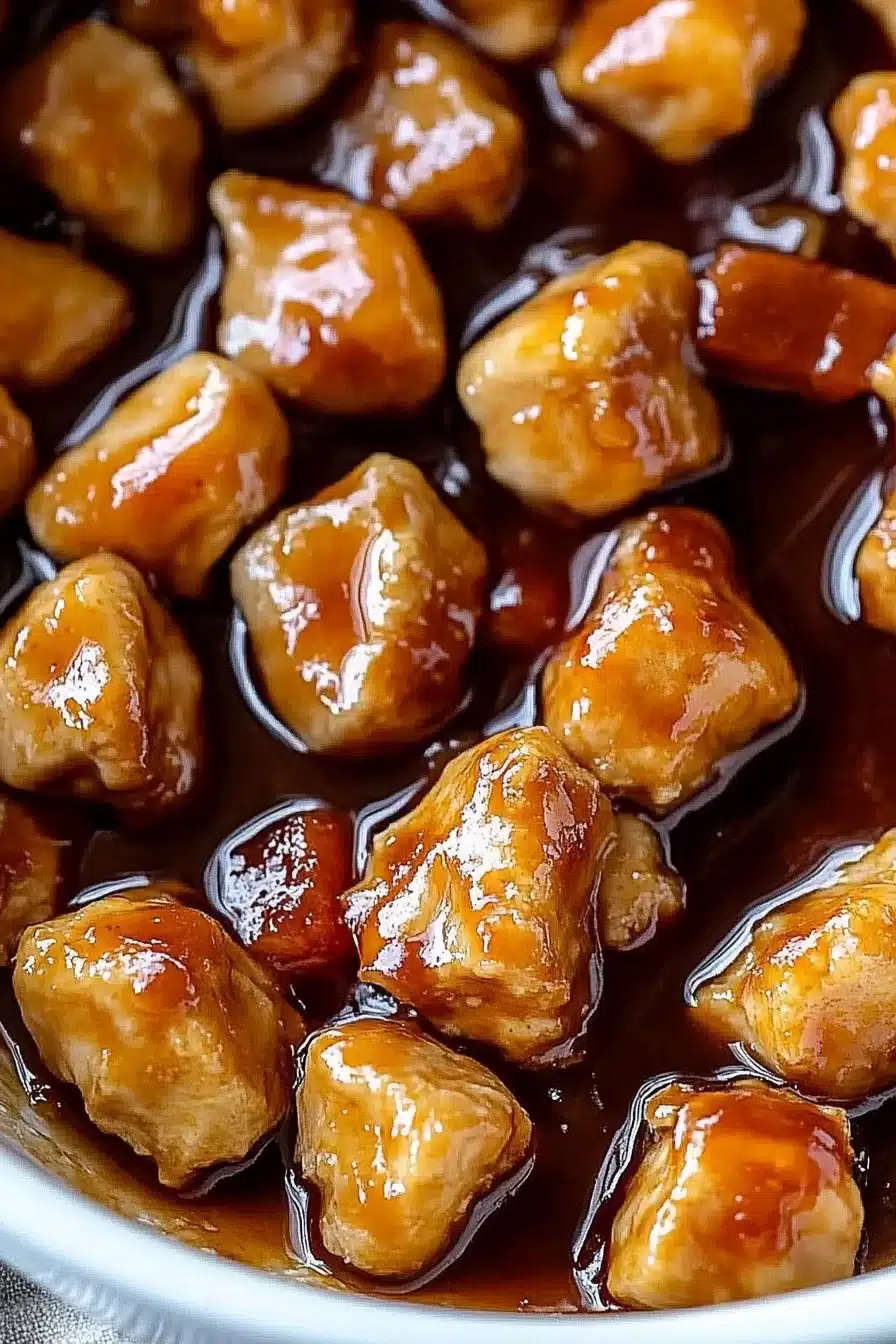
Succulent bites of seasoned chicken, seared until golden and coated in a glossy, sweet-tangy sauce—this apricot chicken comes alive with savory onion, sticky apricot preserves, and zesty Catalina dressing.

Toss in crisp broccoli, a warm bed of rice, and that first forkful hits with a little zing, a little comfort, and a big cozy kitchen hug. Think weeknight ease meets retro dinner magic.

This one’s got all the makings of a permanent weeknight rotation regular. The kind of dish that makes the house smell like someone’s cooking with intent (even if you just threw it together in 25 minutes flat, while answering emails and hunting down a rogue sock). The sauce gets sticky and lush, like a happy collision between sweet-and-sour and Sunday roast vibes. And lemme just say: that caramelized edge on the chicken after it simmers? Yup, you’re gonna want a bite before it even hits the plate.

Table of Contents

Apricot Chicken

Why You’ll Love this Apricot Chicken

This meal doesn’t have to shout to get your attention. It’s the kind of quietly brilliant dinner that surprises you with flavor and doesn’t ask much in return.

  • Ridiculously simple to make: You just sizzle, whisk, and stir—no secret techniques, and absolutely no need to preheat the oven.
  • The sauce is a sleeper hit: It’s sweet, savory, sticky, bright, and comforting, all on the same fork (wild, I know).
  • Balanced without trying too hard: Broccoli brings that welcome crunch and green, rice cozies up to soak the sauce—everyone’s doing their job.
  • Adaptable for picky palates: Not too spicy, not too weird, but just interesting enough to make folks ask what’s in it.
  • Preps ahead like a dream: Make the sauce in advance and toss in chicken when you’re ready to ride.
  • Better leftovers, somehow: I don’t know how or why, but it gets even tastier after a nap in the fridge.

Apricot Chicken

Ingredient Notes

You really don’t need anything fancy here. Most of these are pantry or fridge staples with a little 70s charm (looking at you, Catalina).

  • Olive oil: Used twice—once to blister the broccoli and once to sear the chicken. Stick with something neutral or savory for balance.
  • Broccoli: I like using fresh crowns and chopping them into florets, but frozen works too (just thaw and pat them dry first).
  • Garlic powder, onion powder, salt: These simple seasonings are low-effort flavor boosters, especially on that broccoli where they really cling and shine.
  • Chicken breast: Chop it into bite-sized pieces so it cooks faster and grabs onto that sweet-savory glaze with every edge.
  • Apricot preserves: The sticky-sweet backbone of the sauce. Go for one without added high-fructose syrup; you want fruit-led flavor.
  • Catalina salad dressing: Zippy, tangy, and just the right pop of acid. Definitely part of the “retro magic” I mentioned.
  • Dry onion soup mix: Adds salty-sweet umami with zero measuring fuss. It’s old school in the best way.
  • Dijon mustard: Optional but recommended. It cuts the sweetness and gives the sauce a touch of grown-up attitude.
  • Salt and pepper: Add these at the end once everything’s cooked through—taste first, then adjust.
  • Cooked rice and chopped scallions: White, brown, jasmine—whatever rice you love will soak up the saucy goodness. Scallions give a fresh smack right on top.

Apricot Chicken

How To Make This Apricot Chicken

This all comes together in one pan. A little sautéing, a bit of simmering—and boom, dinner’s ready. Let’s break it down.

  • Sauté the broccoli: Heat 2 tablespoons of olive oil in a big skillet over medium-high heat. Once it’s hot, toss in the broccoli and let it get some color (2 to 3 minutes). Stir now and then, but give it time to char just a bit—it’s worth it.

  • Season and steam slightly: Sprinkle in the garlic powder, onion powder, and salt, then add 2 to 3 tablespoons of water. The water helps steam the florets, making them fork-tender without overcooking. Give it another 3 to 4 minutes on medium heat. Remove and keep warm under foil (or a plate cover if you’re fancy like that).

  • Sear the chicken: Pour your remaining 2 tablespoons olive oil into the same pan. Add the cubed chicken and cook it until nicely browned on all sides. No need to crowd the pan—do this in two rounds if needed. Queue the sizzling aromatherapy.

  • Mix and simmer the sauce: Stir in the apricot preserves, Catalina dressing, dry onion soup mix, and Dijon (if using). Give that a good mix so everything loves each other in the pan. Simmer gently for 3 to 4 minutes. The sauce will thicken, cling to the chicken, and smell like dinner is officially happening.

  • Taste and season: Once the chicken’s cooked through and the sauce is lush, take a taste. Add salt and pepper to your heart’s content.

  • Serve and admire: Layer over warm rice, top with your broccoli, and sprinkle chopped scallions. Step back. Admire. (Optional: take a bite before plating. I usually do.)

Apricot Chicken

Storage Options

Leftovers? Honestly, get excited. This apricot chicken somehow gets saucier and more satisfying the next day.

Cool the leftovers completely before storing. In the fridge, the chicken and sauce will keep nicely for 3 to 4 days in an airtight container. For the broccoli, store it separately if you want it to stay a little firmer (it softens quite a bit in sauce land).

And yep—you absolutely can freeze it. Let the chicken and sauce mixture cool, then portion it into freezer-safe bags or a rigid lidded container. It’ll last a snug 2 to 3 months. Thaw overnight in the fridge or give it a warm bath on the stove over low heat.

When reheating, toss in a splash of water or chicken broth to loosen the sauce back up. You can microwave, sure, but stovetop wins for that freshly-made texture and caramel-y goodness coming back to life.

Variations and Substitutions

This dish is endlessly tweakable. Honestly, half the fun is realizing how many ways you can spin that sweet-savory sauce wheel.

  • Chicken thighs: Use boneless, skinless chicken thighs if you prefer richer, juicier meat. They can stand up to the simmering like champs.
  • Peach or mango preserves: No apricot jam on hand? Swap in peach or even mango for a similar sunny sweetness with a subtle twist.
  • No Catalina? No problem: Ranch-style French dressing or even Russian dressing work well. Just aim for something sweet and vinegary.
  • Add heat: Stir in chili flakes, sriracha, or hot honey if you want a spicy kick to balance the sweet.
  • More veg please: Toss in sliced bell peppers or snap peas in the pan with the broccoli. It bulks up the veggies and adds color.

Apricot Chicken

What to Serve with Apricot Chicken

So you’ve made your glossy, golden chicken. Now what to put around it? Here’s where things get fun and tasty.

  • Fluffy white rice: It’s the fastest, most classic pairing. The sauce soaks in like a sponge and gives plain rice a whole new personality. You could even go a little wild with jasmine or sticky rice if you’re feeling extra.

  • Garlic butter noodles: If you’re skipping rice for any reason, a heap of short pasta tossed in garlic and olive oil totally works. Bonus: that sauce gets into every nook.

  • Crispy roasted potatoes: For a cozier combo, crispy smashed potatoes or wedges add a savory base that loves the sauce just as much as rice does.

  • Simple side salad: Thinly sliced cucumbers with vinegar and sesame oil bring brightness and crunch. Or just toss some greens with lemon juice and olive oil and call it a day.

  • A sweet ending: Something nutty, caramelly, or buttery fits the mood. These pecan pie bark treats would be glorious alongside a cup of tea after dinner.

Apricot Chicken

Frequently Asked Questions

Can I use chicken thighs instead of breasts?

Absolutely. Chicken thighs are juicier and more forgiving than breasts, so they work beautifully in this recipe. Just make sure they’re boneless and skinless, and cook them all the way through. They’ll soak up the sauce just as well, and maybe even better thanks to their extra richness.

What if I don’t have apricot preserves?

No worries—peach or mango jam can step in and do the job. The main goal is something fruity and sweet with a bit of body. If you want to level it out a bit, just add an extra dash of mustard or a splash of vinegar to balance the flavor.

Can I make this in advance?

Oh yes, and it might even be better the next day. You can make the sauce ahead of time, refrigerate it for up to 3 days, then reheat with fresh-cooked chicken when you’re ready. Or make the whole dish and reheat it gently. It reheats really well without losing texture or flavor.

Is there a lower-sugar option for the sauce?

You can use a lower-sugar or no-sugar-added apricot preserve—just look for ones that still use real fruit. You could also go light on the Catalina and balance with extra Dijon and spices if you’re watching sweetness levels. It won’t be identical but still super tasty.

Apricot Chicken

Apricot Chicken

Prep Time 10 minutes
Cook Time 15 minutes
Total Time 25 minutes
Succulent bites of chicken breast, pan-seared and glazed in a sticky-sweet apricot sauce with a zip from Catalina dressing and savory onion. Toss with crisp broccoli and serve over warm rice for a weeknight dinner that’s wildly simple, retro in spirit, and sure to become a new favorite.
4 servings

Ingredients

For the Broccoli

  • 2 tbsp (30 ml) olive oil
  • 3 cups (300 g) broccoli florets fresh or thawed from frozen
  • 1/2 tsp (2 g) garlic powder
  • 1/2 tsp (2 g) onion powder
  • 1/4 tsp (1 g) salt
  • 2-3 tbsp (35 ml) water for steaming broccoli

For the Chicken & Sauce

  • 2 tbsp (30 ml) olive oil
  • 1.5 lbs (680 g) chicken breast cut into bite-sized pieces
  • 2/3 cup (210 g) apricot preserves
  • 1/2 cup (120 ml) Catalina salad dressing
  • 1 packet (28 g) dry onion soup mix about 1 oz (25-30g)
  • 1 tbsp (15 ml) Dijon mustard optional, but recommended
  • salt and black pepper to taste

For Serving

  • 3 cups (500 g) cooked rice white, brown, or jasmine
  • 2 scallions thinly sliced, for garnish

Equipment

  • Large skillet

Instructions
 

  1. Heat 2 tablespoons olive oil in a large skillet over medium-high heat. Add chopped broccoli and sauté until it begins to char in spots, about 2–3 minutes.
  2. Sprinkle broccoli with garlic powder, onion powder, and salt. Add 2–3 tablespoons water to the pan, cover, and steam until fork-tender, about 3–4 minutes more. Transfer broccoli to a plate and cover to keep warm.
  3. Add remaining 2 tablespoons olive oil to the skillet. Add the diced chicken in a single layer (work in batches if needed) and cook until browned on all sides and cooked through.
  4. Reduce heat to medium. Stir in apricot preserves, Catalina dressing, dry onion soup mix, and Dijon mustard (if using). Mix well to fully coat chicken.
  5. Simmer mixture for 3–4 minutes until sauce thickens and clings to the chicken, stirring occasionally.
  6. Taste and adjust with salt and pepper as needed. Remove from heat.
  7. To serve, spoon chicken and sauce over a bed of warm rice. Pile on the sautéed broccoli and top with scallions. Enjoy while warm!

Notes

This dish is endlessly customizable: swap in chicken thighs, sub peach or mango preserves for apricot, or use French or Russian dressing if Catalina isn’t handy. To store, refrigerate leftovers in an airtight container for up to 4 days or freeze for up to 3 months (store broccoli separately for best texture). Reheat gently on the stovetop, adding a splash of water or broth to loosen the sauce.

Nutrition

Calories: 435kcal | Carbohydrates: 55g | Protein: 32g | Fat: 11g | Saturated Fat: 2g | Cholesterol: 76mg | Sodium: 971mg | Potassium: 840mg | Fiber: 3g | Sugar: 19g | Vitamin A: 545IU | Vitamin C: 63mg | Calcium: 53mg | Iron: 2.3mg

Let's Get Cooking!

100+ Recipes for Busy Nights

In a time crunch? Take a look around and browse plenty of recipes to help you get dinner ready and on the table on those busy nights!

Sweet Recipes

Pumpkin Banana Muffins

Pumpkin Banana Muffins Recipe

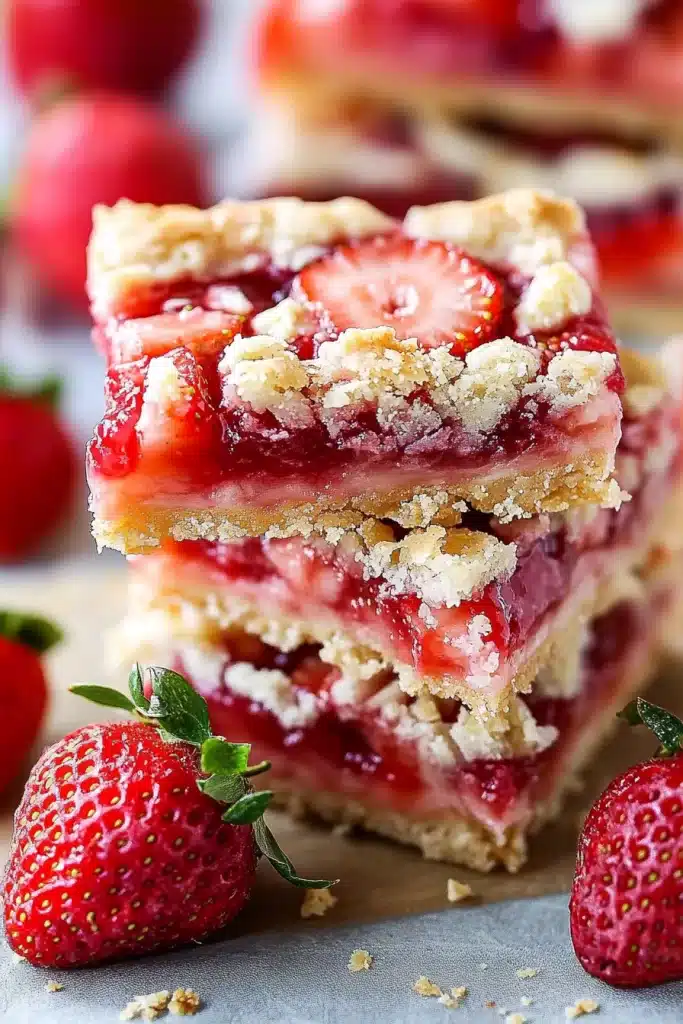
Strawberry Pie Bars

Strawberry Pie Bars Easy Oven Recipe

White Chocolate Raspberry Muffins

White Chocolate Raspberry Muffins Recipe

Snickerdoodle Muffins

Snickerdoodle Muffins Recipe for Oven

PIN NOW

Follow KitchenetteBlog on Pinterest

Love cozy recipes that actually make it to the table? On Pinterest, I share new comfort-food ideas every week—desserts, dinners, and those little snack cravings that hit at midnight. Come pin with me and never run out of kitchen inspo.

Savory Recipes

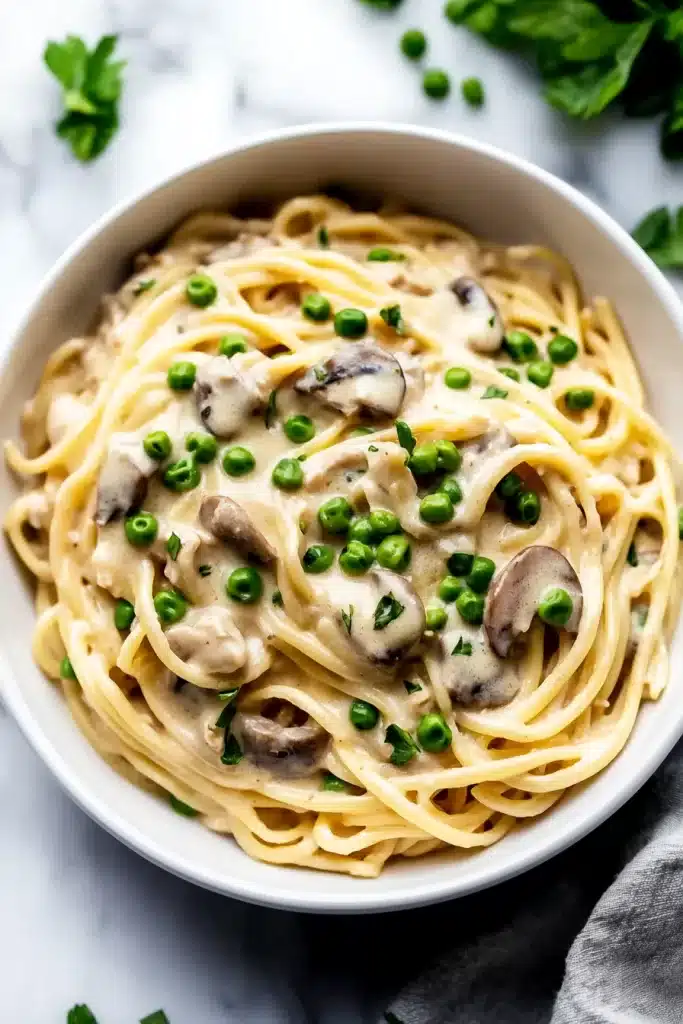
Turkey Tetrazzini

Turkey Tetrazzini Baked Pasta Recipe

Grilled Chicken Panini Sandwich

Grilled Chicken Panini Sandwich Recipe

Sweet Potato Cornbread

Sweet Potato Cornbread Recipe Oven Baked

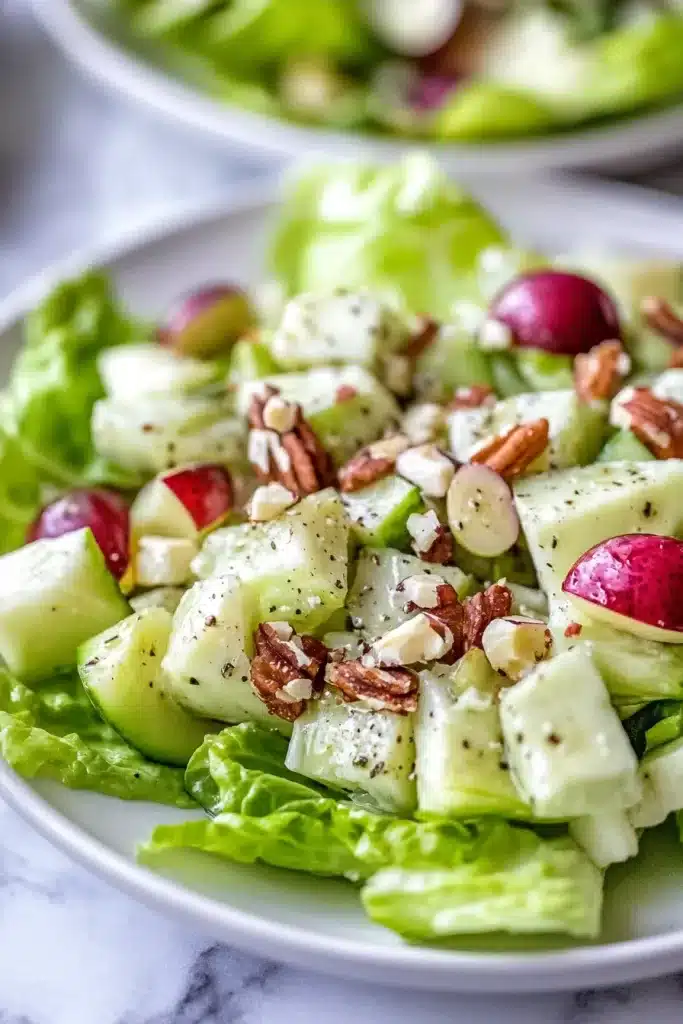
Classic Waldorf Salad

Waldorf Salad Simple Classic Recipe

Get 5 Recipes to Simplify Your Life!

Delicious, versatile recipes you can make over and over.