
Red beans and rice is a Monday dish, and that is not an accident. Monday was wash day in New Orleans, and a pot of beans could sit on the back of the stove all morning while the laundry got done. The ham bone from Sunday dinner went in, the beans went soft, and dinner cooked itself.
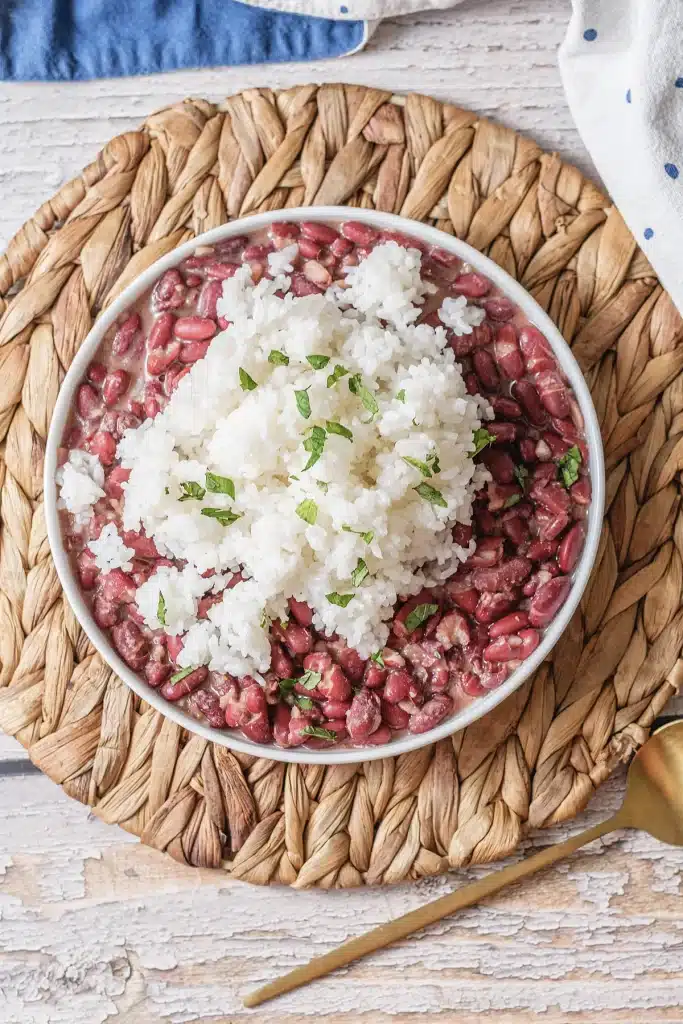
- One pot, a pound of dried beans, and a dinner that feeds six for the price of a sandwich
- The texture is thick and creamy without a spoonful of cream in it
- Better on day two, so a Sunday pot covers half the week
- Freezes cleanly for three months when you keep the rice separate
- Easy to make vegetarian by pulling the sausage and using a smoked paprika instead
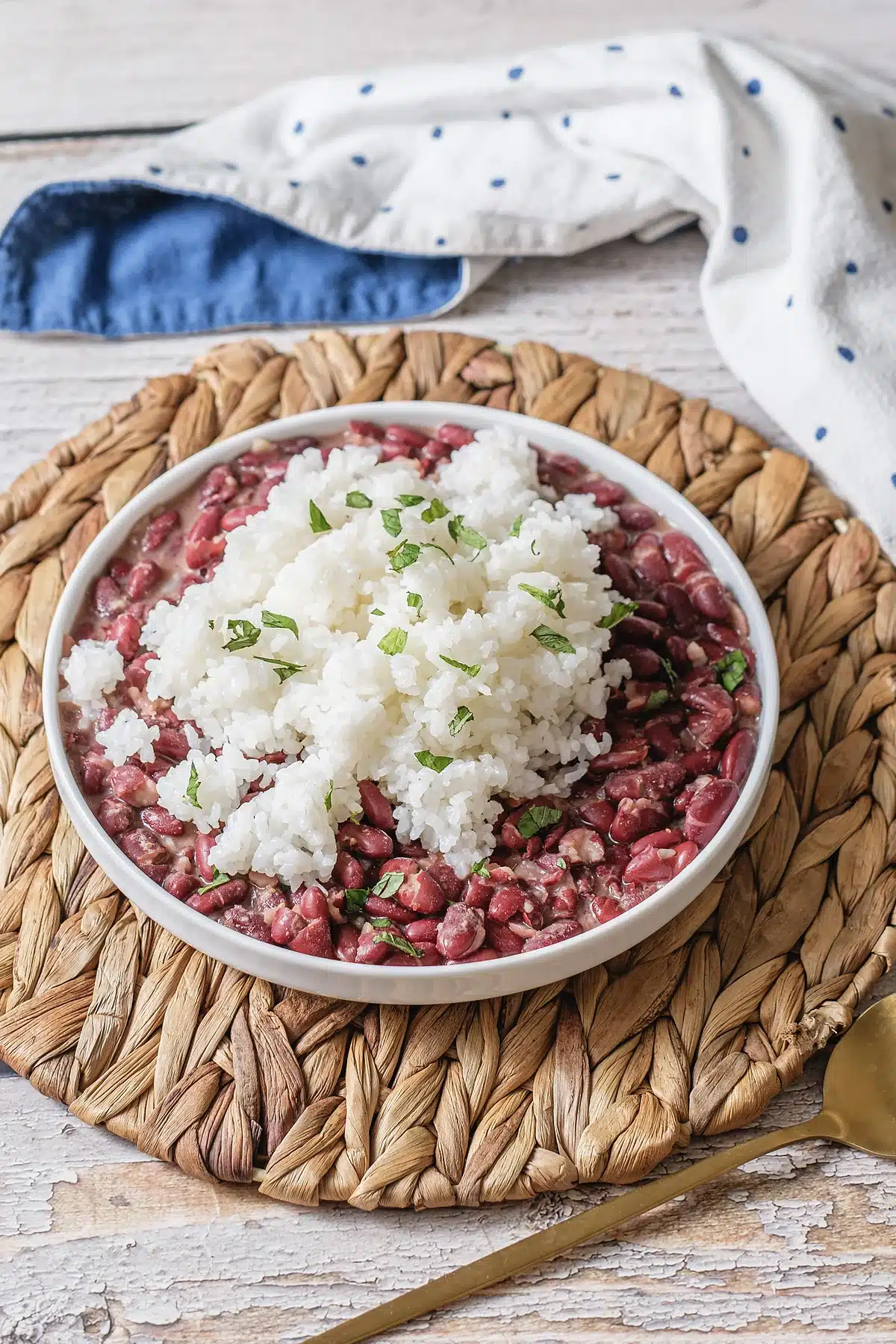
The version people remember is not soupy and it is not a chili. Real red beans and rice is thick, almost creamy, with the beans broken down enough to coat the rice rather than roll off it. That texture is the whole game, and it comes from time and from one small trick most recipes never mention. Everything else in red beans and rice is a pound of beans, the holy trinity, a good smoked sausage, and patience.

- What Makes New Orleans Red Beans and Rice Different
- Ingredient Notes
- Why Monday Is Red Beans Day
- How To Make Red Beans and Rice
- How To Tell When the Beans Are Done
- Getting the Creamy Texture Right
- Make It Ahead
- Storing Red Beans and Rice
- Variations and Substitutions
- What to Serve with Red Beans and Rice
- Red Beans and Rice FAQ
What Makes New Orleans Red Beans and Rice Different
Plenty of cultures cook beans with rice, so the name alone does not explain much. What sets Louisiana red beans and rice apart is that the beans are deliberately broken down until the liquid around them turns into a thick gravy, and then the rice is served under that gravy rather than cooked in it.
Cook the rice in with the beans and you get jambalaya territory: one grain, one flavor, everything the same texture. Keep them apart and you get contrast. Fluffy, plain, slightly sweet rice underneath, and a dense savory bean gravy on top. Anyone who grew up eating red beans and rice will notice immediately if you get that wrong.
The second difference is the seasoning. This is not a chili powder dish. The flavor is built from the trinity of onion, bell pepper and celery, then thyme, bay, sage and a little cayenne, with the smoke coming from the sausage rather than from a spice jar. Red beans and rice is savory and herbal rather than hot, and the heat that is there sits at the back.
The third is the meat. Andouille is the classic, but any good smoked sausage works, and a ham hock or a leftover bone in the pot for the first two hours adds a depth that sausage alone cannot.
Save this recipe
Enter your email and I’ll send this recipe straight to your inbox.
Ingredient Notes
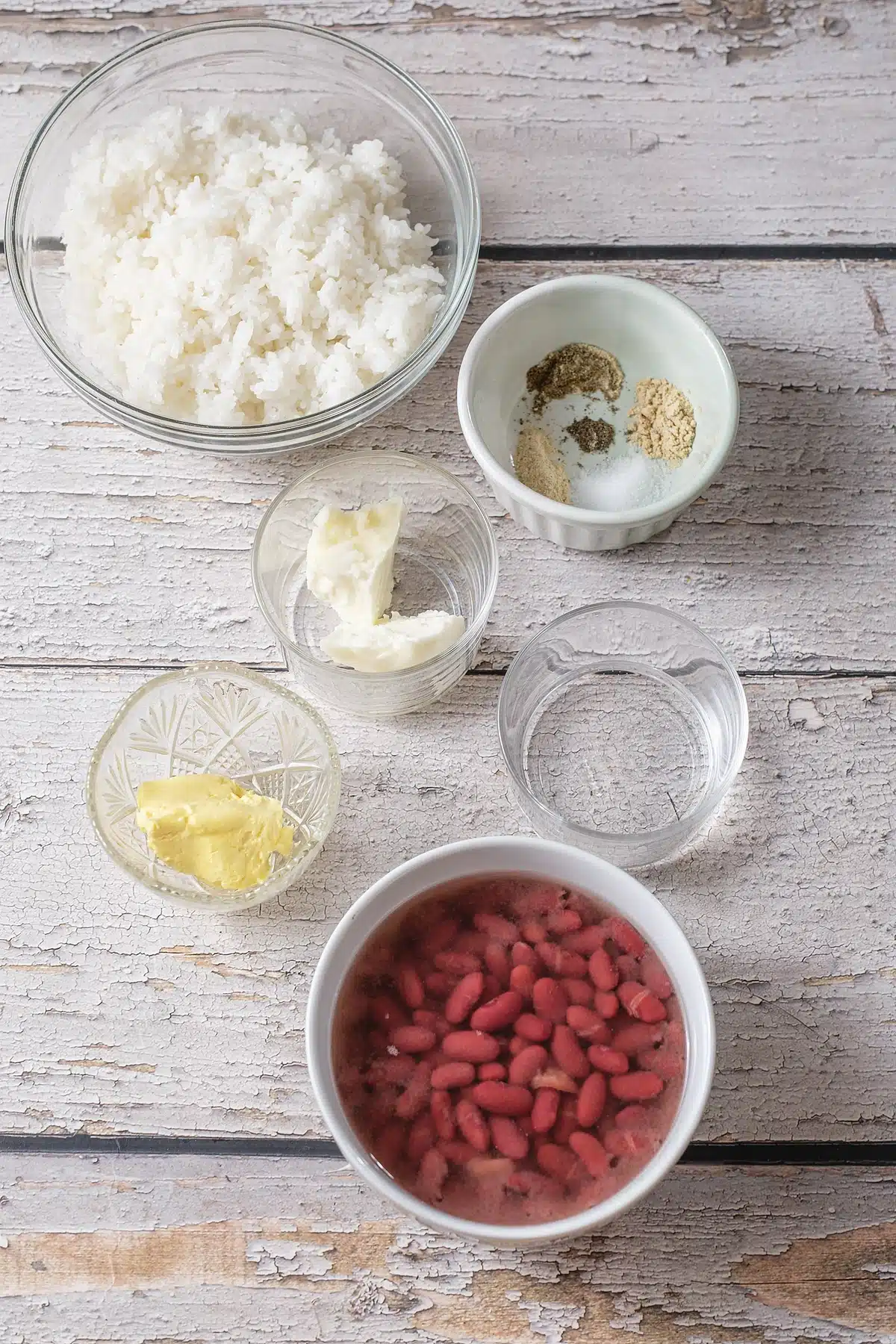
- Dried red kidney beans. One pound, soaked overnight. Camellia is the New Orleans standard, though any fresh bag works. Beans that have sat in a pantry for two years will never soften properly, so buy from somewhere with turnover. Kidney beans also need a real boil rather than a low slow cooker warm, because raw ones carry a lectin that only breaks down at a rolling boil; Illinois Extension explains why kidney beans and slow cookers are a bad match.
- The holy trinity. One onion, one green bell pepper, two stalks of celery. Chop them roughly the same size so they collapse at the same rate. This is the Louisiana answer to mirepoix and it is not optional.
- Andouille sausage. Twelve ounces, sliced into coins. Andouille is coarsely ground and heavily smoked. Kielbasa is the easiest substitute, and a smoked turkey sausage works if you want it lighter.
- Bay, thyme and sage. Two bay leaves and a teaspoon each of the dried herbs. Sage is the one people leave out, and it is the note that makes a pot taste like Louisiana rather than like generic bean soup.
- Cajun seasoning. One tablespoon, plus more at the end. Most blends are salt heavy, so hold back on the added salt until you have tasted the pot at the two-hour mark.
- Long-grain white rice. Two cups, cooked separately. Long grain stays separate and fluffy under the gravy. Short grain turns sticky and the whole plate goes gluey.
- Water, not broth. Six cups. Good beans make their own stock as they cook, and broth on top of that plus a salty sausage often lands the pot too salty to fix.
Why Monday Is Red Beans Day
The red beans and rice tradition is practical rather than ceremonial. Monday was laundry day, which meant a full day of physical work and no time to stand at a stove. A pot of beans needed one round of chopping and then almost nothing, and Sunday’s ham bone was sitting right there waiting to be used.
New Orleans still runs on it. Plenty of restaurants put red beans and rice on the menu as a Monday special and take it off on Tuesday, and plenty of home cooks in the city would not think of making it on any other day. The habit outlasted the reason by about a century, which is how the best food traditions usually go.
How To Make Red Beans and Rice
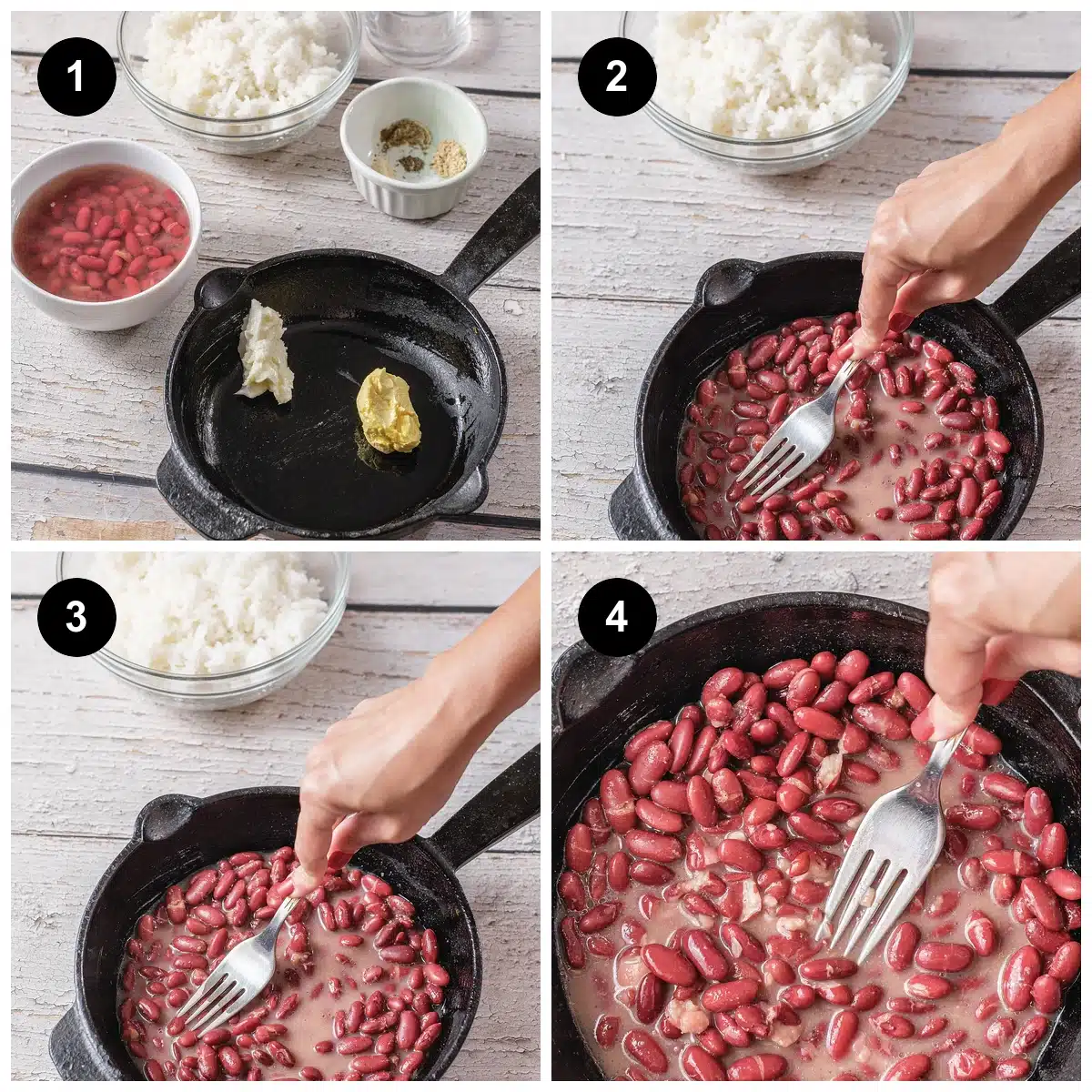
First, soak the beans, because every good pot of red beans and rice starts the night before. Cover them with at least two inches of cool water and leave them on the counter for eight hours or overnight. Drain and rinse them before they go in the pot. Soaked beans cook in roughly half the time and, more importantly, cook evenly, which is what stops you from having a pot of mush studded with hard ones.
Next, build the base. Warm the olive oil in a heavy pot over medium heat and cook the onion, bell pepper and celery for about 6 minutes, until they have softened and lost their raw edge. Add the garlic and give it one more minute, no longer, because burnt garlic will sit on top of everything else for the next three hours.
Then add the beans and the seasoning. In go the drained beans, six cups of water, the bay leaves, thyme, sage, Cajun seasoning, cayenne and parsley. Bring the pot to a hard boil for at least ten minutes before you drop the heat, which is the step that deals with the lectins in raw kidney beans.
The Long Simmer
After the boil, drop the heat to low and leave the pot partially covered for about two and a half hours, stirring every twenty minutes or so and scraping the bottom. The beans should go completely soft and the liquid should thicken as their starch comes out.
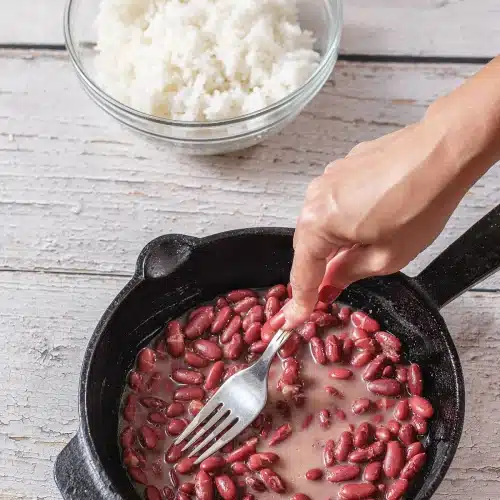
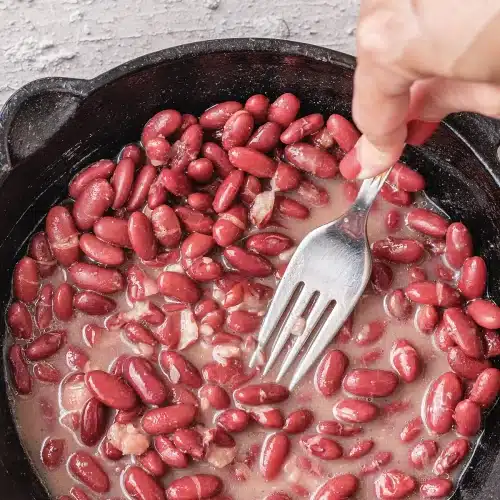
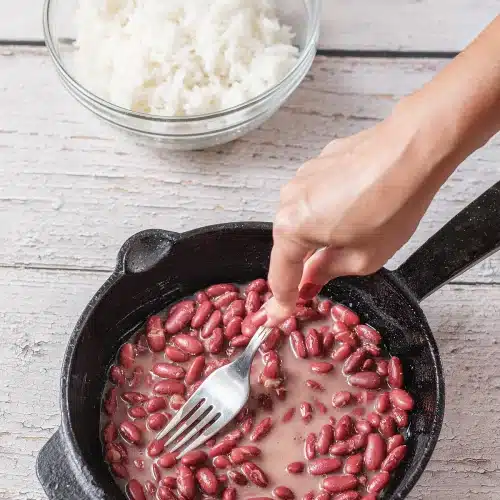
This is where the trick comes in. When the beans are tender, press about a cup of them against the side of the pot with the back of a spoon and stir the paste back in. That single move is what turns a thin bean soup into the thick gravy that defines red beans and rice.
Finally, add the sausage and finish. Stir in the sliced andouille and simmer for another 30 minutes uncovered so the smoke works through the pot and the gravy tightens further. Taste, then adjust the salt and the Cajun seasoning. Cook the rice while this happens, and serve the beans ladled over it.
How To Tell When the Beans Are Done
Three checks. A bean crushed against the roof of your mouth should give with no resistance and no chalky center. The liquid should coat the back of a spoon and hold a line when you drag a finger through it. The color should have gone from bright to a dull brick, because a pot that still looks vivid has not cooked long enough.
If the beans are soft but the liquid is thin, take the lid off and simmer harder for fifteen minutes. If the liquid is thick but the beans still bite, add a cup of hot water and keep going. Hard beans are almost always old beans or beans that met salt too early.
Getting the Creamy Texture Right
The creaminess in red beans and rice comes from starch rather than dairy, and there are three levers for it.
Mashing a portion of the beans does most of the work. The second is the simmer: an uncovered pot reduces and thickens, while a tightly covered one stays soupy no matter how long it runs. Partially covered is the setting you want for most of the cook, with the lid off for the last half hour.
The third is resting. A pot that sits off the heat for twenty minutes before serving thickens noticeably as it cools, and one that sits overnight thickens more. If your beans look slightly loose at the moment you turn the burner off, they are probably exactly right.
Make It Ahead
Red beans and rice is built for it. Cook the beans through completely, cool them, and refrigerate them for up to four days without the rice. They tighten in the fridge, so add a splash of water when you reheat and stir until the gravy loosens again.
The flavor genuinely improves overnight. The herbs bloom, the smoke from the sausage spreads through the whole pot, and the sharp edges of the cayenne round off. Cook the rice fresh on the day you serve, because reheated rice is never as good as the beans that go over it.
Storing Red Beans and Rice
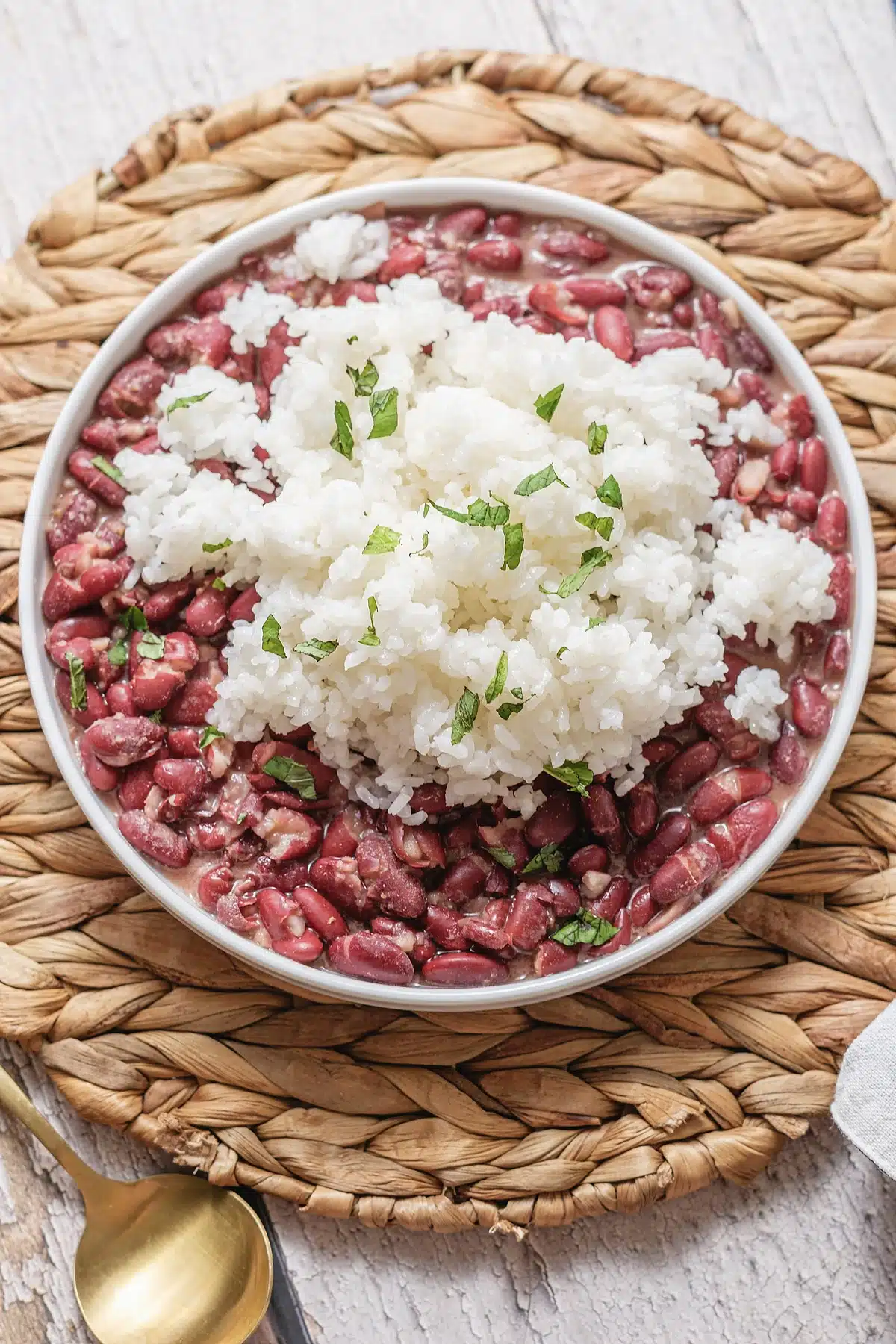
Refrigerated in a sealed container, the beans keep for four to five days and reheat on the stove in about ten minutes over medium-low heat. Store the rice in its own container so it does not absorb the gravy and turn to paste.
For the freezer, portion the beans flat in bags and freeze for up to three months. Thaw overnight in the refrigerator, then warm gently with a little water. Frozen rice is workable but never great, so it is worth cooking a fresh cup on the day.
One practical note on leftovers: red beans and rice thickens every single time it is chilled and reheated, so by the third day you are looking at something closer to a dip than a stew. That is not a failure. Loosen it with water, or lean into it and serve it over cornbread instead of rice.
Variations and Substitutions
Ham hock. Drop a smoked hock in with the beans at the start and pull the meat off after two hours. This is the old way and it is still the best way.
Vegetarian. Skip the sausage, add a teaspoon of smoked paprika and a tablespoon of soy sauce, and use vegetable broth for two of the six cups of water. You lose the fat, so finish with a spoonful of olive oil.
Canned beans. Four cans, drained, cuts the simmer to about 45 minutes. The texture is looser because canned beans give up less starch, so mash more of them than you would otherwise.
Brown rice. Works well and adds about 20 minutes to the rice. The nuttiness holds up against the gravy better than you might expect.
Extra heat. A sliced fresh jalapeno with the trinity, or hot sauce at the table. The pot itself should stay mild so everyone can season their own bowl.
What to Serve with Red Beans and Rice
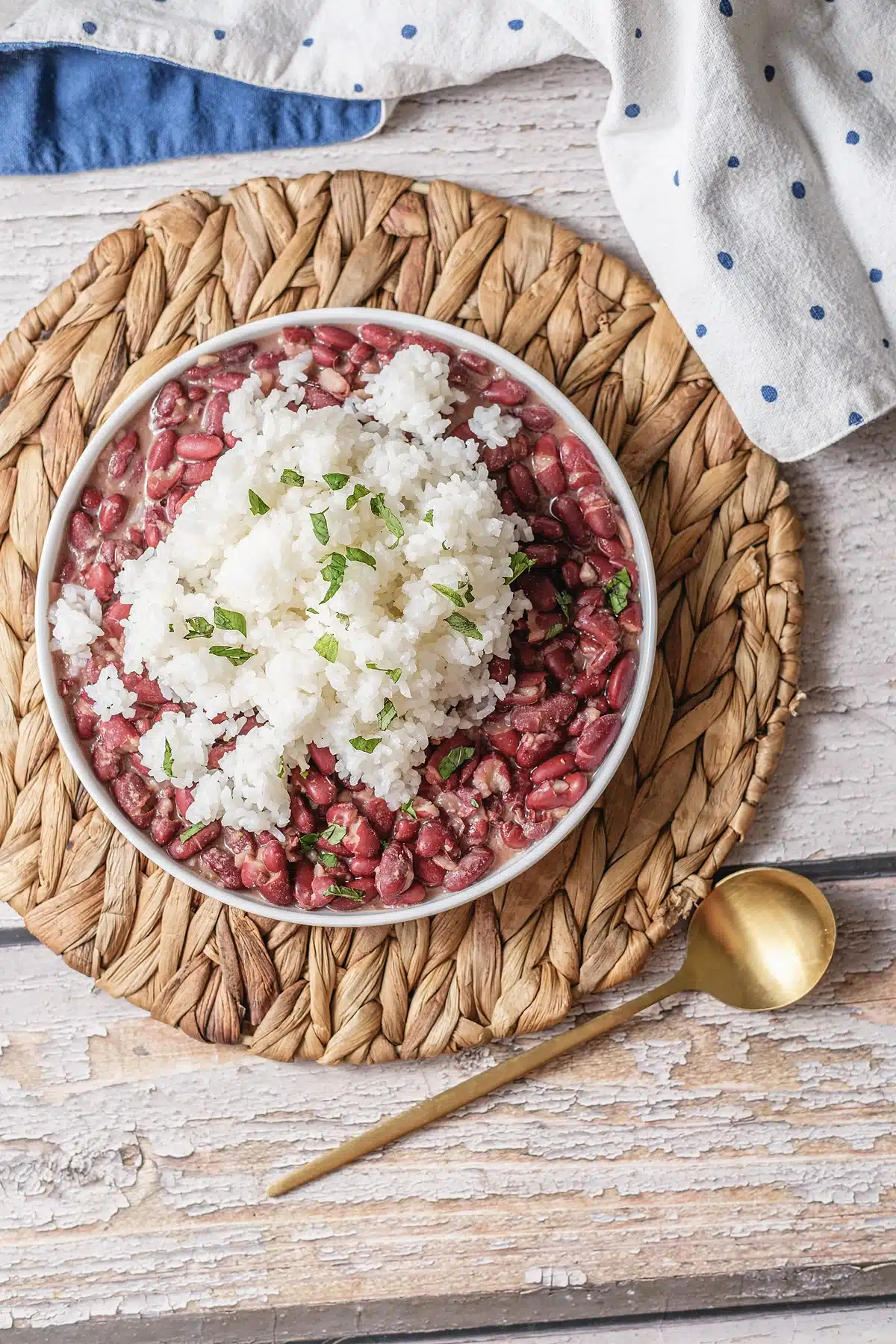
Cornbread is the answer most of the time with red beans and rice, because it soaks up the gravy that the rice misses. A pan of sweet potato cornbread is a particularly good match, since the sweetness plays against the salt in the sausage.
Beyond that, keep the sides sharp and green, because the pot itself is heavy. Collards with vinegar, a simple vinegar slaw, or pickled onions all cut through a rich bowl. Fried okra is traditional and worth the trouble on a weekend.
If you are cooking a bigger Louisiana table, a pot of Louisiana dirty rice alongside gives people two very different rice dishes from the same pantry. For a lighter bean night on another week, Cuban black beans use the same technique with cumin and oregano in place of the Cajun spices.
Red Beans and Rice FAQ
Frequently Asked Questions
What seasonings go in red beans and rice?
Bay leaves, dried thyme, dried sage, Cajun seasoning, cayenne, salt and black pepper, with fresh parsley stirred in. The smoke comes from andouille sausage rather than from a spice.
What are the common mistakes when making red beans and rice?
Skipping the soak, salting too early, cooking the rice in the pot with the beans, and never mashing any of the beans. That last one is why so many homemade pots come out thin.
What is the secret to flavorful beans?
Time and the trinity. A long slow simmer pulls starch out of the beans and builds body, and softening onion, bell pepper and celery in fat first gives the pot a savory base that water alone cannot.
Do I have to soak the beans overnight?
It is strongly recommended. If you forget, cover them with water, boil for two minutes, then let them stand off the heat for an hour before draining and starting the recipe.
More Questions About Cajun Cooking
Frequently Asked Questions
Can I make this in a slow cooker?
Only after boiling the beans hard on the stove for ten minutes first. Raw kidney beans held at a low temperature are genuinely unsafe, so the boil is not a step to skip.
Why are my beans still hard after three hours?
Old beans, hard water, or salt and acid added too early. Save the salt for the last hour, and if the bag has been in the cupboard since last year, start with a fresh one.
What is the difference between Cajun and Creole?
Broadly, Creole cooking is city food with tomatoes and French technique, while Cajun cooking is country food built on the trinity, smoked pork and a darker roux. This pot sits firmly on the Cajun side.
A pot of red beans and rice rewards a slow afternoon, and so does a skillet of dirty rice when you want the same flavors on a weeknight timeline.

Classic Red Beans and Rice
Save this recipe
Enter your email and I’ll send this recipe straight to your inbox.
Ingredients
Beans and the Holy Trinity
- 1 pound dried red kidney beans soaked overnight and drained
- 2 tablespoons olive oil
- 1 large yellow onion chopped
- 1 green bell pepper chopped
- 2 stalks celery chopped
- 4 cloves garlic minced
Seasonings
- 2 bay leaves
- 1 teaspoon dried thyme
- 1/2 teaspoon dried sage
- 1 tablespoon Cajun seasoning plus more to taste
- 1/4 teaspoon cayenne pepper optional
- 2 tablespoons fresh parsley chopped, plus more for topping
- 1 teaspoon kosher salt added in the last hour
- 1/2 teaspoon black pepper freshly ground
To Simmer and Serve
- 6 cups water
- 12 ounces andouille sausage sliced into coins, or any smoked sausage
- 2 cups long-grain white rice
- 4 cups water for cooking the rice
- sliced green onions for serving, optional
- hot sauce for serving, optional
Equipment
- Large pot
- Skillet
- Cutting board
- Saucepan
Instructions
Soak the Beans
- Rinse the beans, cover them with at least 2 inches of cool water and leave them to soak for 8 hours or overnight. Drain and rinse again before using.
Build the Pot
- Warm the olive oil in a heavy pot or Dutch oven over medium heat. Cook the onion, bell pepper and celery for about 6 minutes, until softened, then add the garlic and cook 1 minute more.

- Add the drained beans, 6 cups of water, the bay leaves, thyme, sage, Cajun seasoning, cayenne and parsley. Bring to a hard rolling boil and hold it there for at least 10 minutes.
Simmer Until Creamy
- Reduce the heat to low and simmer partially covered for about 2 1/2 hours, stirring every 20 minutes and scraping the bottom of the pot, until the beans are completely tender. Add the salt in the last hour.
- Press about 1 cup of the cooked beans against the side of the pot with the back of a spoon and stir the paste back in. This is what turns the liquid into a thick gravy.
- Stir in the sliced andouille and simmer uncovered for 30 minutes more. Taste and adjust the salt, black pepper and Cajun seasoning.
Rice and Serving
- While the beans finish, bring 4 cups of water to a boil in a saucepan. Add the rice, cover, reduce to a simmer and cook 18 to 20 minutes, then rest it off the heat, still covered, for 5 minutes.
- Spoon the rice into bowls and ladle the beans over the top. Finish with parsley, green onions and hot sauce at the table.
Notes
Boil the beans hard for at least 10 minutes before dropping to a simmer. Raw kidney beans held at a low temperature are not safe to eat.
Mashing about a cup of the cooked beans against the side of the pot is what gives this dish its creamy texture. Do not skip it.
Make-ahead: cook the beans through, cool, and refrigerate up to 4 days. Cook the rice fresh on the day you serve.
Storage: freeze the beans flat in bags for up to 3 months, without the rice. Reheat gently with a splash of water.
For a vegetarian pot, leave out the sausage and add 1 teaspoon smoked paprika.
Nutrition values are an estimate.