




Get 5 recipes to simplify your life:

easy, delicious, real food recipes

Latest Recipes

Warm roasted acorn squash, caramelized onion, and creamy coconut milk make this cozy acorn squash soup a hug in a bowl. Cinnamon-spiced, gently sweet, and silky smooth.

This vibrant soup is comfort food that doesn’t put you in a food coma. It’s gently spiced with cumin, cinnamon, and a whisper of nutmeg (cozy sweater weather in soup form, basically). The roasted squash brings a slightly sweet, nutty depth, balanced by a splash of coconut milk and a zingy hint of garlic. It’s smooth, but not boring. Creamy, but not heavy. Actually, it’s kind of perfect when you want a satisfying bowl of something warm with minimal effort, some optional flair (pumpkin seeds for crunch, a swirl of cream for drama), and a spoon.

Table of Contents

Roasted Acorn Squash Soup

Why You’ll Love this Roasted Acorn Squash Soup

This soup isn’t fancy. It’s just really good. Friendly. Warm. The kind that makes your kitchen smell like someone lit an autumn candle… only better, because you can eat it.

  • Ridiculously simple to make: You roast, then simmer, then blitz. If you can scoop a squash and turn on a stove, you’ve got this.
  • Deeply cozy flavor: The squash gets caramelized in the oven and sings alongside cinnamon, nutmeg, and cumin.
  • Customizable creaminess: You can use coconut milk for a subtle tropical note or heavy cream for a richer finish.
  • Built-in meal prep bonus: It keeps beautifully and tastes even better on day two (hello, happy work lunch).
  • Naturally vegetarian and easy to vegan-ize: No funny substitutes needed. Just real veggies living their best life.
  • Great excuse to use toppings: Croutons, pumpkin seeds, a drizzle of something creamy—totally optional, but also kind of fun.

Roasted Acorn Squash Soup

Ingredient Notes

This soup might have a cozy sweater vibe, but don’t let that fool you into thinking it’s bland. Each ingredient brings its own flair.

  • Acorn squash: The star of the show. Roasting it adds sweetness and depth that really can’t be faked.
  • Olive oil: You’ll use this for roasting and sautéing, so pick one you actually like the taste of.
  • Yellow onion: When it softens and caramelizes a little, it gives the soup a gorgeous savory backbone.
  • Garlic: Adds a gentle pungent kick. Don’t skip it, unless you absolutely hate vampires.
  • Carrots: They sweeten up when cooked and add body to the soup. Bonus: sneaky veggie points.
  • Celery: Adds a slight herbal note and rounds out the mirepoix (i.e., that classic veggie flavor base).
  • Ground cumin, cinnamon, nutmeg, ginger (optional): These warm spices amplify the roasted vibe and make the soup feel layered and complex.
  • Vegetable broth: Keeps things light but flavorful. If you’ve got homemade broth, now’s the time to break it out.
  • Coconut milk or heavy cream: Coconut milk is velvety with a hint of sweetness, while heavy cream makes it ultra creamy. Pick your adventure.
  • Maple syrup: A teensy bit goes a long way here—it brings a mellow sweetness that ties everything together.
  • Thyme (fresh, if you can): Gives it a slightly woodsy freshness. Think forest floor, in the best way.
  • Chili flakes or cayenne (optional): Just a spark of heat if you want your soup to dance a little on the tongue.
  • Pumpkin seeds or croutons (optional garnish): Adds crunch and makes a basic bowl look wildly impressive.

Roasted Acorn Squash Soup

How To Make This Roasted Acorn Squash Soup

Once you’ve got your squash roasted and your veggies chopped, most of the work is already behind you. The rest is just simmering, smelling amazing, and blending things until dreamy.

  • Roast the squash: Preheat to 400°F. Slice the squash in half, scoop out the gunk (use a spoon, not your fingers, trust me), brush with olive oil, and sprinkle with salt and pepper. Pop them flesh-side down on a parchment-lined sheet, then roast for 35–45 minutes until fork-tender and a little golden around the edges.

  • Sauté the base veggies: While the squash roasts, heat olive oil in a big soup pot—Dutch oven if you’re feeling fancy. Add diced onion, carrots, and celery. Cook for 7–8 minutes, stirring occasionally, until they’ve softened and the onion looks glossy and golden around the edges.

  • Add garlic and spices: Toss in the minced garlic, cumin, cinnamon, nutmeg, and ginger (if using). Stir and cook for 1–2 minutes until it all smells warm and fragrant. It should make your kitchen smell like someone hugged a spice market.

  • Stir in the roasted squash: Once the squash is cool enough to handle, scoop out the flesh and add it right into the pot. Stir well so it gets friendly with the sautéed veggies.

  • Simmer with broth: Pour in the vegetable broth, bring it to a boil, then reduce the heat and let it all simmer together for 15–20 minutes. Everything should be soft, tender, and blending together in happy harmony.

  • Blend until smooth: Use an immersion blender to puree right in the pot (my favorite lazy-girl trick). If using a regular blender, do it in batches and be very careful—no volcanic soup eruptions, please.

  • Finish with creamy stuff and herbs: Stir in the coconut milk or cream, maple syrup, and fresh thyme. Simmer for another 5 minutes to let it all swirl together flavor-wise.

  • Final seasoning and flair: Taste and adjust with salt, pepper, more maple or cream—whatever the moment calls for. Toss in some chili flakes if you like it spicy. Serve hot, topped with pumpkin seeds or croutons if you’re feeling snazzy.

Roasted Acorn Squash Soup

Storage Options

This soup is basically made for storing and reheating. In fact, it somehow gets cozier after a night in the fridge.

Let it cool down a bit before storing. You can refrigerate it in an airtight container for up to 4–5 days. It stays thick and creamy, and the flavors settle into each other even more. When reheating, just scoop it into a pot over low-medium heat. Stir often so nothing scorches the bottom, especially if you’re using cream. A splash of broth brings it back to its velvety self if it’s thickened too much.

Now, if you’re asking “But can I freeze it?” the answer is a very enthusiastic yes. It freezes like a champ. Ladle it into freezer bags (laid flat, for efficient Tetris-style stacking), or airtight containers. Freeze for up to three months. When ready to eat, thaw in the fridge overnight, then reheat gently. If you used coconut milk, it might separate slightly—give it a whisk while warming and all will be forgiven.

Variations and Substitutions

Don’t have exactly what I used? No problem. This soup is the type that doesn’t mind wearing different outfits.

  • Butternut squash instead of acorn: Totally works. Slightly sweeter and smoother in texture, but fantastic roasted and blended.
  • Sweet potatoes swap: Another delicious orange veggie that brings similar earthy sweetness and a rich texture.
  • Heavy cream instead of coconut milk: Want a dairy-based version? Swap in heavy cream or even half-and-half for silkier richness.
  • Sage or rosemary for thyme: If thyme’s not your jam, try sage for that piney holiday feel or rosemary for a sharper herbal nudge.
  • Add white beans for protein: Toss in a can of drained white beans before blending. You won’t taste them, but it bulks things up nicely.
  • A splash of apple cider vinegar or lemon juice: If it tastes a bit too mellow at the end, a little acid brightens it right up.

Roasted Acorn Squash Soup

What to Serve with Roasted Acorn Squash Soup

This soup shines on its own, but yes, a warm “something” alongside makes it feel like a full meal. If you’re building a cozy night in vibe, here’s what I’d put on the side:

  • A hunk of crusty bread. Whether it’s sourdough you tore with your bare hands or a smug little baguette from the store bakery, just something to swipe through your bowl. Extra points if it’s warm and buttery.

  • Salad with crunchy stuff. Something with toasted nuts, dried fruit, and a tangy vinaigrette really pops against the mellow richness of the soup. Try mixed greens, shaved fennel, and a maple mustard dressing if you’re feeling it.

  • A bowl of veggie dumpling stew on the side. I know it’s double-soup behavior, but it’s also deeply satisfying. Great for a cozy Sunday dinner situation.

  • Savory cornbread muffins with bacon and basil. Super savory and a little sweet—those flavors sing with the maple and spice notes in the soup.

  • A little cheese board action. Nothing huge. Just some soft cheese, olives, and crackers to snack on while you wait for dinner to cool enough to eat without burning your mouth (speaking from experience).

Roasted Acorn Squash Soup

Frequently Asked Questions

Can I roast the squash in advance?

Absolutely! Roast those acorn squash halves the day before and stash them in an airtight container in the fridge. When you’re ready to make the soup, just scoop and stir them in with the sautéed veggies. They’ll warm right up as everything simmers. One less thing on your to-do list.

What if I don’t have an immersion blender?

No worries! Just use a regular blender, but be careful. Hot soup plus a sealed blender lid can create pressure that turns your kitchen into a geyser scene. Let the soup cool slightly, blend in batches, and leave the lid cracked open with a towel on top. Safety and soup can totally coexist.

Can I make it spicier?

Yes, and I wholeheartedly support spicy choices. Just add chili flakes or a pinch of cayenne with the other spices. You can also swirl in a bit of chili oil when serving if you want that glossy, spicy effect on top. Adjust slowly—you can always add more heat, but you can’t un-spice it!

Is this soup vegan?

It sure can be. Just use coconut milk instead of cream and double-check that your broth doesn’t sneak in any animal products. With those tweaks, it’s silky, comforting, and 100% plant-based. Totally satisfying, no substitutions that feel like compromises.

Roasted Acorn Squash Soup

Roasted Acorn Squash Soup

Prep Time 15 minutes
Cook Time 55 minutes
Total Time 1 hour 10 minutes
Warm roasted acorn squash, caramelized onion, and creamy coconut milk make this cozy acorn squash soup a hug in a bowl. Cinnamon-spiced, gently sweet, and silky smooth—this is comfort food that makes autumn feel like home.
4 bowls

Ingredients

Soup Base

  • 1 medium acorn squash about 2 lbs, halved and seeded
  • 2 tbsp (30 ml) olive oil divided
  • 1 yellow onion diced
  • 2 carrots peeled and diced
  • 2 stalks celery diced
  • 3 cloves garlic minced

Spices

  • 1 tsp ground cumin
  • 1/2 tsp (0.5 tsp) ground cinnamon
  • 1/8 tsp (0.125 tsp) ground nutmeg
  • 1/2 tsp (0.5 tsp) ground ginger optional

Broth & Flavor

  • 4 cups (950 ml) vegetable broth
  • 3/4 cup (180 ml) coconut milk or heavy cream plus more for serving
  • 1 tbsp (15 ml) maple syrup
  • 1 tsp fresh thyme leaves chopped, or 1/2 tsp dried
  • salt and black pepper to taste

Optional

  • chili flakes or cayenne to taste
  • pumpkin seeds or croutons for garnish

Equipment

  • Baking sheet
  • Parchment paper
  • Large Soup Pot or Dutch Oven
  • Immersion Blender

Instructions
 

  1. Preheat your oven to 400°F (200°C). Line a baking sheet with parchment paper. Cut the acorn squash in half, scoop out seeds, brush with 1 tablespoon olive oil and sprinkle with salt and pepper. Place cut-side down and roast 35–45 minutes until fork-tender and golden at the edges. Allow to cool.
  2. As squash roasts, heat remaining olive oil in a large soup pot over medium heat. Add diced onion, carrots, and celery. Cook for 7–8 minutes, stirring, until softened and onion is glossy and golden.
  3. Add garlic, cumin, cinnamon, nutmeg, and ginger (if using). Cook for 1–2 minutes until fragrant.
  4. Scoop roasted squash flesh into the pot. Stir to mix well with the sautéed vegetables and spices.
  5. Pour in vegetable broth. Bring to a boil, reduce heat, and simmer uncovered 15–20 minutes, until all vegetables are very tender.
  6. Blend soup with an immersion blender until silky smooth (or use a regular blender in batches, allowing steam to escape and being very careful with hot liquids).
  7. Stir in coconut milk or cream, maple syrup, and thyme. Simmer 5 more minutes. Taste and adjust seasoning with salt, pepper, and additional maple, if desired. For heat, add chili flakes or cayenne now.
  8. Serve hot. Swirl with extra coconut milk or cream and top with pumpkin seeds or croutons for a gorgeous finish.

Notes

This soup can be made fully vegan by using coconut milk and ensuring your broth contains no animal products. Leftovers taste even better the next day! It also freezes beautifully for up to 3 months. Customize with butternut squash, sweet potatoes, or spices like sage or rosemary. For more protein, blend in a can of white beans.

Nutrition

Calories: 210kcal | Carbohydrates: 32g | Protein: 3g | Fat: 9g | Saturated Fat: 5g | Sodium: 840mg | Potassium: 650mg | Fiber: 4g | Sugar: 11g | Vitamin A: 8000IU | Vitamin C: 22mg | Calcium: 70mg | Iron: 2.2mg

Warm, hearty, and packed with cozy goodness, this vegetable dumpling stew loads up on root veggies, leeks, green beans, and buttery herbed dumplings. Bring a spoon.

This isn’t your average stew. It’s rustic, a little messy in the best way, and full of flavor from earthy root veggies and soft pillows of rosemary-speckled dumplings. There’s garlic, thyme, and oh hello, cheddar if you’re into that. A simmer, a bake, some steamy bubbling, then boom—comfort in a bowl.

Table of Contents

Vegetable Dumpling Stew

Why You’ll Love this Vegetable Dumpling Stew

This stew is like a warm sweater, but edible. No complicated steps or rare ingredients, just good old vegetables, a splash of wine, and biscuits baked on top.

  • Seriously satisfying: It’s got heft and heartiness without any meat, thanks to chunky veg and rich broth.
  • Weeknight-friendly-ish: It’s more laid-back than a roast, but fancier-feeling than a Tuesday pasta night.
  • Customizable to your fridge: Swap, toss, tweak based on what’s hiding behind the mustard jar.
  • Buttery dumplings on top: I mean… it’s like biscuits having a warm bubble bath in soup.
  • Leftovers are even better: Flavors cozy up overnight and those dumplings? Still dreamy.
  • Quietly impressive: Feels like something your very capable friend made. You know the one.

Vegetable Dumpling Stew

Ingredient Notes

Let’s dig into what’s really going on in here. No secrets, but a few sneaky upgrades.

  • Olive oil: The usual sautéing suspect. You could use butter if you’re feeling decadent.
  • Onion & leeks: Double the allium, double the cozy flavor. Don’t skip the leeks—they bring a gentle sweetness.
  • Rutabaga, potatoes, carrots, parsnips, celery: This is your hardy veggie crew. Cube it all roughly the same size so they cook evenly.
  • Garlic: You already know. It layers into the background and makes everything else shine.
  • Green beans: A crisp edge of green in an otherwise rooty world. Add near the end so they stay bright.
  • Dry white wine: Deglazes the pot and gives the broth some gentle acidity. Skip it or sub veggie broth if desired.
  • Vegetable broth: Use a good one, ideally low-sodium so you can control the salt.
  • Diced tomatoes: Adds tomatoey sweetness and just enough brightness to balance everything earthy.
  • Herbs & spices: Thyme, bay, paprika—all team players adding warmth, not drama.
  • Tamarind or soy sauce: A subtle umami twist. Tamarind gives a gentle tang, but soy sauce totally works.
  • Frozen peas: They go in at the end so they stay green and don’t go mushy.
  • Flour & baking powder (for dumplings): Standard dumpling base. Nothing fancy here.
  • Cold butter: You want little pockets of butter melting into biscuit heaven. Cold is key.
  • Cheddar cheese (optional): Adds saltiness and richness. You do you.
  • Rosemary & thyme (fresh): For that woodsy dumpling magic. Dried could work in a pinch, but use less.
  • Cold water: Brings the dough together. Add slowly—you’re looking for soft but not sticky.

Vegetable Dumpling Stew

How To Make This Vegetable Dumpling Stew

Alright, aprons on if that’s your thing. Otherwise, just roll up your sleeves and let’s build this layered bowl of goodness.

  • Sauté the aromatics: Start by heating oil in your biggest pot. Toss in onion and give it a few minutes to soften and smell incredible. Then add leeks for round two, softening those too. It’s already starting to smell like home.

  • Cook down the hearty veg: Stir in all your chopped root veg and celery. Put the lid on but don’t walk away for long. Stir every so often so nothing catches. After around 8 to 10 minutes, they should be starting to soften. Add a tiny drizzle more oil if it seems dry.

  • Add garlic and green beans: Stir them in and let the aroma bloom for a minute. Then push everything to one side of the pot—you’re about to build that rich, stewy base.

  • Build the thickener: Sprinkle flour into the clear side of the pan where the oil is hanging out. Stir it over the heat until it goes golden and paste-like, about 2-3 minutes. Then stir it all together so veggies get coated in that toasty roux.

  • Make it soupy: Slowly pour in the wine, stirring like you mean it so things stay smooth. Then add broth, tomatoes, thyme sprigs, paprika, bay leaf, and tamarind or soy sauce. Bring to a bubbly boil, then cover and turn it down to a gentle simmer for 30-ish minutes.

  • Mix the dumplings: While stew simmers, whisk your flour and baking powder. Cut in the butter (fridge-cold, always). Stir in cheese and herbs. Add water tablespoon by tablespoon until it just holds together. Pat gently and divide into six rustic blobs.

  • Final touches and bake: Once the veg are fork-tender, fish out the bay leaf and any stems. Stir in frozen peas (they cook super fast). Then gently plop dumplings on top, not too smooshed down. Bake uncovered at 350°F for 20-25 minutes until those tops are golden and they smell buttery and herb-y.

  • Cool slightly before serving: Let it hang out for 5-10 minutes post-oven. The dumplings finish setting and you avoid molten-lava mouth burns.

Vegetable Dumpling Stew

Storage Options

So, you’ve got leftovers? Lucky you. This vegetable dumpling stew actually gets better the next day—like, smugly better.

In the fridge, it’ll keep happily for up to 4 days. The dumplings absorb a little broth, so the texture changes slightly, but in a good way. I recommend storing the stew and dumplings separately if you want to keep the tops crisp-ish.

Reheating is easy. A saucepan over low heat works best so nothing scorches at the bottom. Add a splash of broth or water to loosen it up if it’s feeling thick. Microwave also does the trick, but use a dish that lets steam escape so the dumpling tops don’t go rubbery.

And yes, you can totally freeze it. Let it cool completely, then transfer to freezer-safe containers. It’ll keep for up to 2 months. If freezing, wrap those dumplings individually or place parchment between them so they don’t become one clumpy biscuit block.

Variations and Substitutions

Want to put your twist on it or just out of thyme? No problem. This one is chill like that.

  • Different vegetables: Turnips instead of rutabaga? Go for it. Mushrooms instead of green beans? Works beautifully. Even sweet potatoes add a nice mellow sweetness.
  • Make it vegan: Just skip the cheddar and use plant-based butter. The dumplings are still rich and flavorful.
  • Try a different herb mix: Swap rosemary and thyme for sage or parsley. You can also toss in a little dill if you’re feeling bold.
  • Add protein: A drained can of chickpeas or white beans goes in at the simmering stage without making things weird.
  • Use whole wheat flour: You can use a 50/50 whole wheat and all-purpose blend for the dumplings if you want something earthier. Just don’t go 100% or they’ll get heavy.

Vegetable Dumpling Stew

What to Serve with Vegetable Dumpling Stew

Honestly, this vegetable dumpling stew can stand alone like the proud little comfort meal it is. But if you want to round things out or treat your table mates to a whole vibe, here are a few ideas.

  • A crisp green salad with a tangy vinaigrette is a fantastic contrast. The brightness cuts through the richness of the dumplings. Bonus if you toss in some shaved fennel or crisp apples.

  • A loaf of crusty sourdough or a slice of bacon basil cornbread? Yes, I know there are already dumplings. But carbs love carbs.

  • Sip a glass of the same white wine you used in the stew. It’s a low-effort wine pairing trick that always works.

  • If you’ve got a crowd (or just… Tuesday energy to burn), end with a little homemade dessert. Maybe these glazed chocolate donut holes. Contrasts deliciously with all the savory herby goodness.

Vegetable Dumpling Stew

Frequently Asked Questions

Can I make this vegetable dumpling stew ahead of time?

Absolutely, and honestly it might be even tastier the next day. Cook the stew portion entirely, then let it cool and refrigerate. Wait to add and bake the dumplings until you’re ready to serve so they stay fluffy and not soggy. If you’re splitting it up like this, reheat the stew first on the stovetop until hot, then add the dumplings and bake as directed.

What’s the best substitute for rutabaga if I can’t find it?

If rutabaga’s not happening in your store or life, don’t stress. Turnips are the closest taste-alike, but you can also use extra potatoes or even a bit of butternut squash. Just keep the chunks roughly the same size as your other veggies so they cook evenly and all cozy up together in the broth.


Do I need to peel the carrots and parsnips?

You don’t *have* to, but I recommend it since they’re simmering in a fairly delicate broth. The skins can sometimes be a bit bitter or stringy, especially on older or larger parsnips. A quick peel doesn’t take long and gives you a smoother stew. Just don’t worry about also cutting them perfectly—this stew loves rustic chop jobs.

Can I skip the wine in the stew?

Totally, you can leave out the wine if you’d rather keep it alcohol-free. Just replace it with an equal splash of veggie broth plus a tiny squeeze of lemon juice or bit of white vinegar to mimic that subtle tang. It’ll still taste rich and balanced—wine is a fun bonus, not a deal breaker here.

Vegetable Dumpling Stew

Vegetable Dumpling Stew

Prep Time 25 minutes
Cook Time 1 hour
Total Time 1 hour 25 minutes
Warm, hearty, and loaded with cozy goodness, this vegetable dumpling stew stars root veggies, leek, green beans, and pillowy herbed dumplings. It’s rustic and rich, with savory depth from a golden roux, thyme, garlic, and the option of cheddar for extra comfort. Leftovers only get better overnight—grab a spoon and dig in.
6 bowls

Ingredients

Stew Base

  • 3 tbsp (45 ml) olive oil
  • 1 yellow onion chopped
  • 1 large leek white and light green part only, cleaned and sliced
  • 1 rutabaga peeled and diced
  • 2 potatoes Yukon Gold or russet, peeled and diced
  • 3 carrots peeled and sliced
  • 2 parsnips peeled and sliced
  • 2 stalks celery diced
  • 4 cloves garlic minced
  • 1 cup (150 g) green beans cut into 1-inch pieces
  • 1/2 cup (120 ml) dry white wine or substitute broth
  • 4 cups (1 liter) vegetable broth low-sodium preferred
  • 1 can (400 g) diced tomatoes 14 oz (400g), with juices
  • few sprigs fresh thyme or 1 tsp dried
  • 1 bay leaf
  • 1 tsp paprika sweet or smoked
  • 1 tbsp (15 ml) tamarind paste or soy sauce
  • 1 cup (150 g) frozen peas
  • 2 tbsp (15 g) flour for thickening

Herbed Dumplings

  • 1 1/4 cups (156 g) all-purpose flour
  • 2 tsp (8 g) baking powder
  • 1/2 tsp (3 g) salt
  • 3 tbsp (40 g) cold unsalted butter cubed
  • 1/2 cup (56 g) shredded cheddar cheese optional
  • 1 tbsp fresh rosemary minced (or 1 tsp dried)
  • 1 tbsp fresh thyme roughly chopped (or 1 tsp dried)
  • 1/2 cup (120 ml) cold water may need more/less as needed

Equipment

  • Large Dutch Oven or Heavy Pot
  • Cutting board
  • Knife
  • Mixing bowl
  • Whisk
  • Baking Sheet (optional, for separating dumplings)

Instructions
 

  1. Sauté the aromatics: Heat olive oil in a large Dutch oven over medium heat. Add chopped onion. Sauté until softened, about 3–4 minutes. Add leeks and cook until both are meltingly soft, another 2–3 minutes.
  2. Cook the root vegetables: Add rutabaga, potatoes, carrots, parsnips, and celery. Stir well. Cover and cook for 8–10 minutes, stirring occasionally, until they start to soften. Add a little extra oil if pan looks dry.
  3. Add garlic and green beans: Stir in garlic and green beans. Let cook for 1 minute until fragrant. Push vegetables to the side to expose some oil.
  4. Build the thickener: Sprinkle flour into the clear side of the pot. Stir and cook over medium heat for 2–3 minutes until golden and pasty. Stir everything together so all veg are coated.
  5. Make it soupy: Slowly pour in the wine, scraping the pan and stirring to keep the mixture smooth. Add broth, diced tomatoes (with juices), thyme, bay leaf, paprika, and tamarind or soy sauce. Bring to a boil, cover, reduce to simmer, and cook gently for about 30 minutes until vegetables are just fork tender.
  6. Mix the dumplings: While stew simmers, whisk together flour, baking powder, and salt for dumplings in a bowl. Cut in cubed cold butter until mixture is crumbly. Stir in cheddar (if using), rosemary, and thyme. Add cold water a tablespoon at a time just until dough comes together into a soft mass. Divide into 6 rough mounds.
  7. Bake the stew: When vegetables are tender, remove bay leaf and herb stems. Stir in frozen peas. Gently place dumpling dough on top of stew. Bake uncovered at 350°F (175°C) for 20–25 minutes until dumplings are golden and cooked through.
  8. Serve: Let stew cool for 5–10 minutes before serving; dumplings set as it rests. Scoop generously into bowls and enjoy piping hot.

Notes

Swap vegetables according to preference. For vegan, omit cheddar and use plant-based butter. Store leftovers in the fridge for up to 4 days (best if dumplings are stored separately). Freezes well—with dumplings wrapped separately if possible.

Nutrition

Calories: 405kcal | Carbohydrates: 56g | Protein: 10g | Fat: 15g | Saturated Fat: 7g | Cholesterol: 24mg | Sodium: 950mg | Potassium: 940mg | Fiber: 8g | Sugar: 9g | Vitamin A: 5400IU | Vitamin C: 40mg | Calcium: 130mg | Iron: 4.2mg

Rich cocoa, a whisper of vanilla, and a glossy glaze that sets just right—these glazed chocolate donut holes are a chocolate-on-chocolate love letter. Made with pantry-friendly basics like flour, cocoa powder, and sour cream, they come out tender with just the right chew.

Baked, not fried (so your kitchen won’t smell like a carnival) yet still indulgent enough to make your coffee jealous.

Donut holes are one of those snacky things that ride the line between breakfast indulgence and afternoon treat. These glazed chocolate donut holes do both with flair. They’re soft and moist with that cake-donut vibe, coated in a shiny vanilla glaze that cracks gently when you bite in. Bonus: they’re baked, which means less mess, no oil splatters, and you can pretend they’re healthy. I dunk mine in coffee and call it a balanced meal. Don’t judge.

Table of Contents

Glazed Chocolate Donut Holes

Why You’ll Love this Glazed Chocolate Donut Holes

Let’s be honest, there’s something satisfying about baking up a batch of donut holes and not deep-frying a single thing. These babies check all the cozy-sweet boxes.

  • Deep chocolate flavor without the fuss: Thanks to cocoa powder and brown sugar, they’re rich and deeply chocolaty without being bitter or dry.
  • Soft, cakey, and just the right size: You get that slightly springy, muffin-meets-donut texture in one adorable mouthful.
  • That glossy vanilla glaze: It clings beautifully and sets with a satisfying crackle. The secret is dipping twice…or three times. Who’s judging?
  • No frying necessary: Just scoop, bake, glaze, and snack. Less mess, no oil smells, and extra credit for pretending they’re “lightened up.”
  • Crowd-friendly and kid bait: They vanish at brunch tables and somehow disappear even faster on weeknights “just checking the batch” moments.
  • Freezer-friendly magic: You can freeze them glazed or bare and nobody will know they weren’t fresh from the oven.

Glazed Chocolate Donut Holes

Ingredient Notes

All the usual suspects are here, but let’s chat about what they each bring to the donut table.

  • All-purpose flour: This is the structure-bringer. If your flour’s been sitting in the back of the pantry since last year, give it a sniff and fluff before scooping.
  • Unsweetened cocoa powder: Opt for natural, not Dutch-processed, to pair best with the baking soda here. It lends the classic chocolate cake profile.
  • Baking powder + baking soda: These help give the donut holes a gentle lift. The two work together—don’t skip either.
  • Salt: Just a pinch makes the cocoa and sugars shine instead of reading flat.
  • Melted butter: Gives richness without overpowering the chocolate. Melt it and let it cool slightly so it doesn’t cook your eggs.
  • Granulated sugar + brown sugar: Both sugars add sweetness, but brown sugar also brings a touch of moisture and caramel-warmth.
  • Eggs + egg yolk: These bind everything together and give a little richness. The extra yolk keeps things especially tender.
  • Whole milk + sour cream: This combo makes the batter velvety and plush. Sour cream especially gives that bakery-style, moist crumb.
  • Vanilla extract: Don’t skip it. Even in chocolate recipes, it wakes everything up.
  • Powdered sugar, milk, vanilla (for glaze): This glaze comes together fast, no cooking needed. It should be pourable but not watery.

Glazed Chocolate Donut Holes

How To Make This Glazed Chocolate Donut Holes

Once everything is out and ready, this recipe moves quickly. Pop on some tunes, grab a spatula, and let’s get mixing.

  • Prep the oven and pans: Preheat to 350°F (175°C) and lightly grease your donut hole or mini muffin pans. A pastry brush is your best friend here.

  • Whisk dry ingredients: In a big bowl, whisk together the flour, cocoa powder, baking powder, baking soda, and salt. Make sure the cocoa doesn’t clump. Cocoa loves to clump.

  • Mix wet ingredients: In another bowl, whisk the melted butter with both sugars. It should look thick and goopy, almost like wet sand. Then mix in your eggs, yolk, and vanilla.

  • Combine milk and sour cream: I like to stir these together in a measuring glass. It makes for easy pouring and fewer dirty dishes. Always a plus.

  • Alternate dry and wet into wet bowl: Start and end with dry, mixing gently after each addition. Stir just until there’s no dry flour hiding—no need to beat it into submission.

  • Scoop into pans: Use a mini cookie scoop to make life easier and keep portions equal. Fill each about ¾ of the way up.

  • Bake the donut holes: Around 10 minutes should do the trick. Toothpick test them: if it comes out clean, you’re golden. Try not to overbake; they can go dry quickly.

  • Cool completely: Let them hang out in the pan a few minutes, then transfer to a wire rack. They’ll firm up a bit and get ready for their glaze bath.

  • Make and apply glaze: In a bowl, mix powdered sugar, milk, and vanilla until smooth and glossy. Dip each donut hole, let the excess drip, and return to the rack. Want a thicker glaze? Let the first layer set, then repeat. Double-dip is encouraged.

Glazed Chocolate Donut Holes

Storage Options

Let’s say (miraculously) you don’t eat the whole batch in two days. Here’s how to keep those glazed chocolate donut holes going strong.

On the counter, these hold up well for two to three days if you store them in an airtight container. I like using wax paper between layers if they’re glazed; otherwise, things can get sticky in a not-cute way.

For longer storage, you’ll want the fridge or freezer. In the fridge, they’ll last about five days. But the glaze will soften a bit, especially if you stacked them. Still tastes great, just slightly more relaxed-looking.

Now, the freezer—yes, you absolutely can freeze them. Glazed or unglazed. Unglazed keeps their texture best, but glazed ones will work too if you freeze them in a single layer first, then transfer to a bag. Add parchment paper in between if you’re layering.

Defrost them in the fridge overnight or pop one in the microwave for 10–15 seconds. Just enough to re-warm and revive the softness. It’s like they were just baked. Almost.

Variations and Substitutions

You’ve got options if you’re feeling creative, or just need to work with what’s hanging out in your kitchen.

  • Swap sour cream with Greek yogurt: It gives you the same richness and tang while upping the protein. A 1:1 swap works fine.
  • Make them mocha: Add 1/2 teaspoon of instant espresso powder to the cocoa mixture for a mellow coffee note.
  • Powdered sugar dust instead of glaze: Skip the glaze entirely and toss the cooled donut holes in a mix of powdered sugar and a pinch of cocoa.
  • Add mini chocolate chips: Stir in a handful to the batter if you want chocolate-on-chocolate action (no one ever complained).
  • Coconut milk glaze: For a dairy-free glaze, swap the whole milk in the glaze with full-fat coconut milk. It adds a fun twist.
  • Sprinkles, crushed nuts, or sea salt: Once glazed, add a topping while they’re still wet for extra texture and visual pizzazz.

Glazed Chocolate Donut Holes

What to Serve with Glazed Chocolate Donut Holes

These donut holes shine solo, but they’re also team players. Here are a few ideas to create your own little snack spread.

  • A hot cup of coffee or espresso. The contrast of bitter coffee and the sweet glaze creates pure perfection. If you’re into dunking (don’t be shy), bonus points. The glaze softens juuust enough and melts a little into the coffee—yes, I’ve tested thoroughly.

  • A vanilla or espresso milkshake. Turn breakfast into dessert, or dessert into bliss. The cold and creamy balances the tender warmth of the donuts. Shoot, now I need a shake.

  • Cheesecake-y treats. If you want to go all-in on sweet, pair with something creamy like these gingerbread cheesecake cookies. The spice is such a fun contrast to the deep chocolate.

  • Fresh strawberries or sliced fruit. A little freshness cuts the richness and lets everyone pretend this counts as “balanced.” Bonus: pretty colors on a serving tray.

  • Ice cream sandwiches. Hear me out—slice one of these donut holes in half, fill with a spoon of vanilla bean ice cream, and freeze for 10 minutes. Seriously worth the small chaos. Or try these peanut butter & banana ice cream sandwiches too, for extra fun.

Glazed Chocolate Donut Holes

Frequently Asked Questions

Can I fry these instead of baking?

I wouldn’t recommend it. This batter is more of a cake-donut situation, which means it’s too loose to safely fry without disintegrating or turning into deep-fried blobs of confusion. If you want fried donut holes, look for a yeasted dough or denser choux-style dough.

Can I use a boxed cake mix instead?

You could, technically, but the texture will be completely different. Boxed mix is designed for moist and fluffy cakes, not sturdy baked donut holes. You won’t get the same glaze-hugging structure or rich cocoa bite. Sometimes shortcuts miss the magic.

Is there a dairy-free option?

Yes, with a few easy swaps! Use plant-based butter and your favorite unsweetened non-dairy milk (oat or almond both work nicely). Sub in vegan sour cream or full-fat coconut yogurt for the sour cream. For the glaze, opt for coconut or almond milk—it’ll be slightly altered but still wildly tasty.

How do I know when they’re done baking?

They’re done when the tops spring back lightly and a toothpick poked in comes out clean (no gooey batter clinging). Be sure not to overbake—10 minutes is usually enough, but keep an eye around the 8-minute mark. Every oven has its drama, so your results might vary by a minute or two.

Glazed Chocolate Donut Holes

Glazed Chocolate Donut Holes

Prep Time 20 minutes
Cook Time 10 minutes
Cooling Time 10 minutes
Total Time 40 minutes
Rich cocoa, a whisper of vanilla, and a glossy glaze that sets just right—these glazed chocolate donut holes pack bakery-style chocolate cake flavor in easy, bite-sized form. Baked, not fried, yet entirely indulgent. Great for breakfast, brunch, or a sweet snack alongside coffee!
24 donut holes

Ingredients

Donut Holes

  • 1 1/4 cups (160 g) all-purpose flour fluffed and leveled
  • 1/2 cup (40 g) unsweetened cocoa powder natural, not Dutch-processed
  • 1 tsp baking powder
  • 1/2 tsp (0.5 tsp) baking soda
  • 1/2 tsp (0.5 tsp) salt
  • 6 tbsp (85 g) unsalted butter melted and cooled
  • 1/2 cup (100 g) granulated sugar
  • 1/4 cup (55 g) packed light brown sugar
  • 2 large eggs room temperature
  • 1 egg yolk room temperature
  • 1/2 cup (120 ml) whole milk room temperature
  • 1/4 cup (60 ml) sour cream room temperature
  • 2 tsp vanilla extract

Glaze

  • 1 1/2 cups (180 g) powdered sugar sifted if lumpy
  • 2-3 tbsp (30–45 ml) whole milk plus more as needed
  • 1 tsp vanilla extract

Equipment

  • Mini muffin pan or donut hole pan
  • Mixing bowls
  • Whisk
  • Wire rack
  • Mini cookie scoop

Instructions
 

  1. Preheat oven to 350°F (175°C). Lightly grease a donut hole pan or mini muffin tin.
  2. In a large bowl, whisk together flour, cocoa powder, baking powder, baking soda, and salt until evenly combined and no cocoa clumps remain.
  3. In a separate bowl, whisk together melted butter, granulated sugar, and brown sugar until thick and blended. Add eggs, egg yolk, and vanilla; whisk until smooth and glossy.
  4. In a small bowl or measuring cup, whisk the whole milk and sour cream until combined.
  5. Add dry ingredients to wet in three additions, alternating with the milk/sour cream mixture. Begin and end with dry ingredients. Whisk or fold gently until just combined with no dry streaks.
  6. Using a mini cookie scoop or spoon, fill each well of the muffin/donut hole pan about 3/4 full with batter.
  7. Bake for 9-11 minutes or until a toothpick comes out clean. Do not overbake. Let cool in pan 5 minutes, then transfer to a wire rack to cool completely before glazing.
  8. For the glaze: In a bowl, mix powdered sugar, 2 tablespoons milk, and vanilla extract until smooth and glossy. Add more milk as needed for a pourable, but not watery, consistency.
  9. Dip each cooled donut hole into the glaze, let excess drip, then set onto a wire rack. For thicker glaze, let the first coat set, then dip again. Enjoy!

Notes

Storage: Store glazed donut holes in an airtight container at room temperature for 2-3 days, in the fridge up to 5 days, or freeze (glazed or unglazed) up to 2 months. Defrost in fridge or microwave 10–15 seconds.
Variations: Swap sour cream for Greek yogurt; add coffee powder to batter; toss in mini chocolate chips; or use coconut milk in the glaze for dairy-free.
FAQ: This is a cake-style donut batter—do not fry. For dairy-free, use plant-based butter, non-dairy milk, and vegan sour cream.

Nutrition

Calories: 110kcal | Carbohydrates: 17g | Protein: 2g | Fat: 4g | Saturated Fat: 2.5g | Cholesterol: 23mg | Sodium: 80mg | Potassium: 60mg | Fiber: 1g | Sugar: 9g | Vitamin A: 80IU | Calcium: 20mg | Iron: 0.8mg

Richly spiced cookies meet creamy cheesecake pockets in these gingerbread cheesecake cookies made with molasses, brown sugar, cream cheese, and warm spices. Soft, cozy, and a little extra.

If I could bottle the scent that wafts through the kitchen while baking these, I’d never need a candle again. These cookies are soft and ginger-spiced on the outside, with a surprise cheesecake filling that tastes like a bite-sized holiday miracle. You get warmth, you get creaminess, you get a nice little cinnamon-sugar sparkle if you feel like rolling them around in it. They’re great for casual coffee visits or those moments when your sweet tooth just won’t simmer down. And yes, they deserve a spot on that cookie exchange platter, right next to the absurd amounts of peppermint bark.

Table of Contents

Gingerbread Cheesecake Cookies

Why You’ll Love this Gingerbread Cheesecake Cookies

Not to be dramatic, but this cookie is kind of living a double life… in the best way.

  • Spiced and cozy on the outside: The gingerbread cookie hugs you right into winter mode with cinnamon, ginger, and a hint of molasses.
  • Creamy surprise center: That sweet-tangy cheesecake filling? Yeah, it’s hiding in there, waiting to blow your mind.
  • Fun, freezer-friendly filling prep: Freeze the cheesecake dollops ahead and suddenly you’re a baking wizard with zero stress.
  • No-fuss dough with max payoff: It chills without fussing and is forgiving to shape (even if you’re mid-cookie and distracted by TikTok).
  • Perfectly crackled tops: They bake up looking bakery-level, thanks to a good chill and the magic of cinnamon sugar (optional but I mean, c’mon).
  • Not too sweet, weirdly balanced: The tanginess balances out the spice and molasses, so you don’t feel like you just bit into a sugar bomb.

Gingerbread Cheesecake Cookies

Ingredient Notes

We’re working with the usual suspects here, but a few ingredients do the heavy (and cozy) lifting.

  • Cream cheese: This is your filling star. Full-fat, please. Make sure it’s soft before mixing so you’re not battling lumps.
  • Granulated sugar: Used in both the filling and the dough. You want that clean sweetness to lift the spices and balance the molasses.
  • Vanilla extract: Adds warmth to both the filling and dough. Use the real stuff if you can. Trust me, it’s worth it.
  • All-purpose flour: The sturdy backbone of the cookie dough. Spoon and level it—packed flour equals hockey pucks.
  • Baking soda and baking powder: We’re tagging both in for a nice chewy puff with some spread. Don’t skip either.
  • Ground ginger, cinnamon, nutmeg, cloves: The cozy spice quartet. Warm, fragrant, and a little nostalgic. Freshest spice = best cookies.
  • Salt: Just enough to wake everything up. Without it, things taste weirdly flat.
  • Unsalted butter: Room temp is key here. Cream it well so you get that light, fluffy base that makes the texture sing.
  • Brown sugar: The molasses-y best friend of gingerbread. It adds chew, depth, and that dark sweet flavor.
  • Molasses: Unsulphured and rich. This isn’t the time for blackstrap—it’s too bitter.
  • Egg yolks: Just the yolks mean extra richness without too much structure, keeping things tender.
  • Cinnamon sugar (optional): Roll your dough balls in this for sparkle and a tiny crunch. Optional, but let’s be honest… it’s not really optional.

Gingerbread Cheesecake Cookies

How To Make This Gingerbread Cheesecake Cookies

Alright, apron on, hands washed… we’re building soft, warm cookies with a cool creamy center. It’s a bit of a process, but nothing wild.

  • Make your filling first: Beat the cream cheese, granulated sugar, and vanilla extract until it’s dreamy-smooth. Scrape your bowl like your life depends on it. Lumps are not welcome roommates.

  • Freeze the cheesecake blobs: Dollop or pipe tablespoon-sized scoops onto parchment, then freeze those bad boys until they’re firm. At least an hour, longer if you’re binge-watching something and forget.

  • Whisk together your dry team: Flour, leavening, spices, and salt. Use a big enough bowl so you don’t end up dusting yourself like a powdered sugar donut.

  • Cream your butter and sugars: In a separate bowl, beat together butter, brown sugar, and granulated sugar until it’s fluffy and blessed. Add molasses, egg yolks, and vanilla next, one at a time.

  • Combine wet and dry: Slowly add the dry mix into the wet, mixing until just combined. Don’t overmix—you want moody jazz vibes here, not aggressive whisking.

  • Chill the dough: Cover your dough and let it rest in the fridge for at least an hour. Texture matters. Plus, chilled dough is easier to wrangle when stuffing.

  • Stuff your cookies: Scoop the dough into 2-tablespoon balls, flatten slightly, plop a frozen cheesecake center in the middle, then wrap and seal the dough around it. Roll gently into a smooth ball.

  • Optional sugar roll: Feeling fancy? Roll your dough balls in cinnamon sugar before baking. 10/10 recommend.

  • Bake to golden-cracked glory: Pop them on parchment-lined sheets and bake at 350°F for 10–12 minutes. The tops should be set and faintly cracked, but not dry.

  • Cool them down (if you can wait): Let them chill on the sheet for 5 minutes before transferring. Cheesecake centers need a moment to firm up.

Gingerbread Cheesecake Cookies

Storage Options

Let’s talk about the life cycle of a gingerbread cheesecake cookie… because yes, you’ll want to save a few—unless they disappear mysteriously overnight. Not pointing fingers.

Once baked and cooled, store these cookies in an airtight container at room temp for up to 2 days. After that, I move mine to the fridge—the cheesecake center is dairy after all. In the fridge, they’ll hang tight for up to 5 days. They get even chewier, which is kind of magical.

Want to freeze them? Totally doable, and actually a brilliant move. You can freeze just the cheesecake filling, the stuffed unbaked dough balls, or fully baked cookies. If freezing the dough balls, snuggle them in a single layer until solid, then store in a zip-top bag. Bake from frozen, just add a minute or so to the time.

If they’re already baked, thaw them overnight in the fridge or at room temp if you’re impatient. A quick 10-second zap in the microwave makes that center gooey again. Dangerously gooey.

Variations and Substitutions

While I love these cookies just the way they are, there’s always room to play.

  • Maple cream cheese filling: Add a splash of maple extract (or a bit of real syrup) to the cheesecake layer for an autumn twist.
  • Chocolate chip gingerbread dough: Stir mini chocolate chips into the dough for little pockets of melty goodness that pair weirdly well with the spices.
  • Stuffed with lemon cheesecake: Swap vanilla for lemon zest and juice in the filling. Cuts the warmth of the gingerbread with a zingy pop.
  • Molasses swap: If molasses isn’t your thing, dark corn syrup can sub in… but you’ll lose that signature depth. Add a pinch more cinnamon to compensate.
  • Try a cookie sandwich: Bake gingerbread cookies separately and pipe the cheesecake filling in between. Like a whoopie pie’s moody winter cousin.

Gingerbread Cheesecake Cookies

What to Serve with Gingerbread Cheesecake Cookies

Honestly, these cookies carry a dessert table all on their own. But we love a pairing moment.

  • Coffee with cinnamon or nutmeg: Obvious choice? Maybe. Effective? Absolutely. Dunking is encouraged. Bonus if the coffee’s in a holiday mug you didn’t mean to buy but couldn’t resist.

  • Fresh winter fruit like pears or apples: A bowl of crisp slices served alongside balances the richness with some juicy freshness. Especially nice if you’re hosting but don’t want a full-blown dessert course.

  • Vanilla bean ice cream or frozen yogurt: That warm-spice-and-cold-cream moment? Yes, please. I like to break a cookie over a scoop and pretend I invented something revolutionary.

  • A small cheese board with sharp cheddar or brie: Sounds a little weird, but the rich filling works strangely well with a salty, tangy cheese pairing. Light honey drizzle? You got yourself a fancy snack.

  • Want something salty-sweet to contrast? Try these bacon basil cornbread muffins. Great for a little savory intermission between cookie dances.

Gingerbread Cheesecake Cookies

Frequently Asked Questions

Can I make the cookie dough ahead of time?

Yes! In fact, the dough benefits from a good chill. You can prep it up to 2 days in advance and keep it in the fridge tightly wrapped. If it’s too firm to scoop, just let it sit on the counter for 10 minutes or so until scoopable. You can also freeze the unbaked dough balls for a longer storage option.

Do I have to freeze the cheesecake filling?

I highly, highly recommend it. Otherwise, the filling will be hard to manage when shaping the cookies and may ooze out during baking. Even an hour in the freezer makes it much easier to stuff and seal. If you’re short on time, stick the dollops in the freezer while you prep everything else—it helps!

Can I use store-bought gingerbread dough?

You technically can, but the flavor and texture might not be quite the same. This homemade dough is soft, spiced just right, and whips together easily. But listen, if you’re in a pinch and craving that cheesecake center magic, don’t let perfection get in your way. Just adjust baking time as needed.

How do I keep the cookies from cracking too much?

A few little tricks: Chill your dough (always), seal the dough around the filling well, and avoid overbaking. A few cracks are good—they’re gorgeous even. But deep fissures usually come from dough that’s too warm or from rushed wrapping. Be gentle when forming the cookie balls, and they’ll bake up beautifully.

Gingerbread Cheesecake Cookies

Gingerbread Cheesecake Cookies

Prep Time 30 minutes
Cook Time 12 minutes
Chilling/Freezing Time 1 hour
Total Time 2 hours
Richly spiced cookies meet creamy cheesecake pockets in these gingerbread cheesecake cookies made with molasses, brown sugar, cream cheese, and warm spices. They’re soft, cozy, a little extra, and the smell alone will make you consider canceling all your plans. Perfect for the holidays or when you want a double-life cookie: spiced and chewy with a surprise creamy center.
24 cookies

Ingredients

Cheesecake Filling

  • 6 oz (170 g) cream cheese softened, full-fat
  • 3 tbsp (40 g) granulated sugar
  • 1 tsp (5 ml) vanilla extract

Gingerbread Cookie Dough

  • 2 1/4 cups (280 g) all-purpose flour spooned and leveled
  • 1 tsp (5 g) baking soda
  • 1/2 tsp (2 g) baking powder
  • 2 tsp (4 g) ground ginger
  • 2 tsp (4 g) ground cinnamon
  • 1/4 tsp (0.5 g) ground nutmeg
  • 1/4 tsp (0.5 g) ground cloves
  • 1/2 tsp (3 g) salt
  • 3/4 cup (170 g) unsalted butter room temperature
  • 3/4 cup (150 g) brown sugar packed
  • 1/4 cup (50 g) granulated sugar
  • 1/4 cup (80 ml) molasses unsulphured (not blackstrap)
  • 2 egg yolks room temperature
  • 1 tsp (5 ml) vanilla extract

For Finishing (Optional)

  • 1/3 cup (67 g) cinnamon sugar for rolling

Equipment

  • Hand mixer or stand mixer
  • Mixing bowls
  • Baking sheet
  • Parchment paper
  • Measuring Cups & Spoons
  • Spatula

Instructions
 

  1. Make the Cheesecake Filling: In a small bowl, beat softened cream cheese until smooth. Add 3 tablespoons granulated sugar and 1 teaspoon vanilla; mix until fully combined and creamy, scraping down the bowl well. Pipe or dollop 1-tablespoon portions onto a parchment-lined plate or baking sheet. Freeze for at least 1 hour, or until firm.
  2. Whisk Dry Ingredients: In a large bowl, whisk together flour, baking soda, baking powder, ginger, cinnamon, nutmeg, cloves, and salt until well combined.
  3. Cream Butter and Sugars: In a separate large bowl, beat butter, brown sugar, and 1/4 cup granulated sugar together until creamy and fluffy, about 2–3 minutes. Scrape down the sides as needed.
  4. Add Molasses and Yolks: Beat in the molasses, then mix in egg yolks and vanilla until fully combined.
  5. Combine Wet and Dry: Gradually add the dry ingredients to the wet mixture, mixing on low or by hand until just combined. Do not overmix.
  6. Chill the Dough: Cover the dough and refrigerate for at least 1 hour until firm (or up to 24 hours).
  7. Shape and Fill: Scoop 2-tablespoon portions of dough and flatten slightly. Place a frozen cheesecake filling blob in the center of each and wrap the dough up and around, pinching to seal. Smooth into a ball.
  8. Optional Cinnamon Sugar Coating: If desired, roll dough balls in cinnamon sugar for extra sparkle.
  9. Bake: Arrange cookies on prepared baking sheets, leaving 2-inches between them. Bake at 350°F (175°C) for 10–12 minutes, until edges are set and tops are just crackled (do not overbake).
  10. Cool: Let cookies rest on the sheet for 5 minutes, then transfer to a rack to finish cooling (filling will be hot). Enjoy!

Notes

Storage: Store cooled cookies in an airtight container at room temperature for up to 2 days, then refrigerate for up to 5 days. You can also freeze the filling, unbaked stuffed dough balls, or baked cookies. Bake frozen dough balls directly from the freezer, adding 1–2 minutes to bake time.
Variations: Try maple extract or lemon zest in the filling, add chocolate chips to the dough, or sandwich baked cookies with the cheesecake mix. Molasses can be swapped for dark corn syrup in a pinch (deepen spice to compensate).

Nutrition

Calories: 180kcal | Carbohydrates: 26g | Protein: 2g | Fat: 7g | Saturated Fat: 4g | Cholesterol: 32mg | Sodium: 90mg | Potassium: 60mg | Fiber: 0.5g | Sugar: 15g | Vitamin A: 210IU | Calcium: 20mg | Iron: 0.7mg

Lush layers of mascarpone, espresso-soaked ladyfingers, and pillowy whipped cream make these tiramisu cups a dream. With mascarpone, espresso, and cocoa, they hit all the cozy dessert notes.

If you’re craving something creamy, coffee-infused, and a little bit fancy (but not fussy), these tiramisu cups are about to be your new favorite thing. They’ve got all the goodness of classic tiramisu, just portioned into cute little jars or glasses. Which, let’s be honest, makes them feel about ten times more fun to eat. Each spoonful is soft and creamy, with the tiniest espresso-soaked crunch from the ladyfingers underneath. As for when to enjoy them? They’re laid-back enough for a Tuesday night sweet tooth and still sophisticated for when you’re “hosting.” Or pretending to host. No judgment.

Table of Contents

Easy Tiramisu Cups

Why You’ll Love this Easy Tiramisu Cups

These little things are creamy, dreamy, and honestly easier to pull off than they look. No oven, no eggs, no drama.

  • Ridiculously simple to make: You just whisk, layer, dip, and chill. No baking, no bain-marie, no stress-induced sweating.
  • Individual servings = instant charm: Something about desserts in cups just feels fancier, like they belong at a garden party or on a tray from a friendly Italian nonna.
  • Light but rich (it’s a paradox, I know): The whipped mascarpone layer feels airy, but it’s got this deep, mellow richness that sneaks up on you.
  • Completely make-ahead friendly: These need chill time anyway, which also means you can make them hours ahead or even the night before.
  • Adaptable for kids or guests who don’t do coffee or booze: Just skip the marsala wine and swap espresso for decaf or hot chocolate.

Easy Tiramisu Cups

Ingredient Notes

Let’s get into what you’ll actually need. There are a few stars in this show, but nothing fussy. You’ll find most of this at a decent grocery store, no scavenger hunt required.

  • Espresso: Strong and cooled is what you want. It’s the backbone of that unmistakable tiramisu flavor. If espresso isn’t doable, any strong brewed coffee works too. Just don’t use something flavored—no hazelnut or pumpkin spice, please.
  • Marsala wine (optional): Totally optional, but it adds this lovely warmth and depth. Rum or coffee liqueur work too. Skip it if you want these booze-free.
  • Heavy cream: This is your fluffy factor. Cold cream whips best, so pull it straight from the fridge when you’re ready.
  • Powdered sugar: Helps sweeten the cream without any graininess. Don’t try to swap in granulated—your mixer will not thank you.
  • Vanilla extract: Just a splash for subtle sweetness and depth.
  • Mascarpone cheese: The heart of tiramisu. Soft, creamy, and way less tangy than cream cheese. Let it come to room temp before using so it blends like a dream.
  • Ladyfingers: The crispy kind (called Savoiardi) is best. They soak up the espresso just enough without turning to total mush. Soft ladyfingers? Just… no.
  • Cocoa powder: For dusting between layers and on top. Go unsweetened. Trust.
  • Dark chocolate (grated or curled): For that final little flourish. Use a Microplane or veggie peeler to get those pretty bits on top.

Easy Tiramisu Cups

How To Make This Easy Tiramisu Cups

Ok, aprons on (or not) and let’s do this. You don’t need to be a pastry chef here—just someone willing to layer creamy stuff and dip cookies into coffee. Kind of relaxing, actually.

  • Brew and cool the espresso: Let it cool fully so the ladyfingers soften, not dissolve. If using marsala, mix it in once it’s cool. I usually start this step before anything else so it can hang out on the counter.

  • Whip the cream + friends: In a cold bowl, beat the heavy cream, powdered sugar, and vanilla. Start low to avoid splatter chaos, then crank it to medium until stiff peaks form. When they lift up and stay put, you’re done.

  • Fold in mascarpone: Give the mascarpone a light beat first (this helps prevent clumps), then gently fold it into the whipped cream. Take your time. No one wants to deflate all that fluff.

  • Layer one — cream first: Spoon or pipe a bit of that mascarpone goodness into the bottom of your jars or glasses. Doesn’t have to be perfect; this is rustic chic.

  • Dip and layer the ladyfingers: Break them in half or thirds, dip briefly into the espresso mixture (just a second or two—like a friendly handshake, not a bath), and lay over the cream. Give the layer a light dusting of cocoa powder or dark chocolate if you like.

  • Repeat everything: Another layer of cream, more dipped ladyfingers, maybe another sprinkle of cocoa or chocolate, then finish with cream on top. End with a pretty flourish.

  • Wrap and chill: Pop plastic wrap over the tops and refrigerate for at least 3–4 hours. Overnight works, too. The longer it chills, the more luscious it becomes.

  • Dress them up before serving: Dust with cocoa powder and top with grated or curled chocolate. That’s your ta-da moment.

Easy Tiramisu Cups

Storage Options

So you’ve made a batch. Maybe even ate one standing at the fridge at midnight. No shame. But what about the rest?

In the fridge, these tiramisu cups hold up great for about 3 days. The flavors actually get better by day two, as the espresso really seeps into the ladyfingers and everything melds beautifully. Just keep them tightly wrapped or lidded to prevent fridge funk from taking over.

Freezing, though? Eh… you technically can freeze them, but the texture might suffer a bit. The mascarpone layer can go grainy after thawing. If you absolutely must freeze, do it without the cocoa topping, wrap tightly, and thaw them slowly in the fridge.

Heating? Let’s not. These are meant to stay cool and creamy. If they get too soft after sitting out, pop them back in the fridge for a bit. Boom, crisis averted.

Variations and Substitutions

Want to mix things up? These cups are super forgiving, like the dessert version of your chillest friend. Here are a few fun tweaks:

  • Alcohol-free: Just leave out the marsala. You can swap in a teaspoon of vanilla or almond extract with the coffee instead.

  • Chocolate twist: Dip the ladyfingers in hot cocoa instead of espresso. It’s perfect for kids or, let’s be honest, grown-ups with a bedtime.

  • Flavored mascarpone layer: Add a teeny swirl of Nutella or Biscoff to the mascarpone mixture for an extra add-a-spoon-now upgrade.

  • Berry boost: Layer in sliced strawberries or raspberries along with the cream for a fresh-fruity contrast. Like a little Italian summer fling.

  • Savory fusion idea (hear me out): If you’re curious about bold mashups, these would pair wildly with something like these bacon basil cornbread muffins at a playful brunch spread. Yes, dessert first.

Easy Tiramisu Cups

What to Serve with Easy Tiramisu Cups

These tiramisu cups shine on their own, but if you want to pair them in a full spread or just round out the dinner party feels, here’s what works beautifully:

  • A light, comforting main course can balance them out nicely. Something like this stovetop beef stroganoff brings cozy, savory vibes without stealing the dessert’s thunder.

  • If you’re feeling summery, a crispy, fresh protein like this pan-seared salmon with a zingy pomegranate reduction would contrast the creamy tiramisu perfectly.

  • A latte or espresso shot on the side is classic and doubles the coffee fun. Bonus points if you top it with a little cinnamon or nutmeg.

  • For a playful party vibe, serve alongside other grab-and-go desserts like PB banana ice cream sandwiches so folks can sample both ends of the flavor spectrum.

  • Something bubbly like prosecco or even sparkling lemonade makes the tiramisu feel extra celebration-worthy—even if it’s just a Tuesday night.

Easy Tiramisu Cups

Frequently Asked Questions

Can I make tiramisu cups ahead of time?

Absolutely. These tiramisu cups are actually better when made ahead, since the flavors deepen as they rest. Just cover and refrigerate them for at least 3 hours, or up to 2 days. They’ll still taste great on day three, so feel free to prep them early and cross dessert off your list.

Can I use whipped topping instead of heavy cream?

You can, but don’t tell your Italian friends. Whipped topping works in a pinch, but it’s sweeter and less rich than freshly whipped cream. If you go this route, skip adding powdered sugar and vanilla, and just fold it directly into the mascarpone. The texture will still be pleasant, just a bit less fancy.

What kind of cups or jars should I use?

Any small cup, jar, or glass about 6 to 8 ounces works great. Think short mason jars, stemless wine glasses, or even little cocktail tumblers. Try to go with clear ones so you can show off those pretty layers (they worked hard!).

What if I don’t have mascarpone?

You can make a quick sub by blending cream cheese with a bit of heavy cream and a touch of sour cream. It’s not exactly the same, but it gets you in the neighborhood. Use equal amounts and beat it well to soften the tang. The texture will be slightly firmer and a bit more zingy, but still totally delicious.

Easy Tiramisu Cups

Easy Tiramisu Cups

Prep Time 25 minutes
Chill Time 3 hours
Total Time 4 hours 5 minutes
Lush layers of mascarpone, espresso-soaked ladyfingers, and pillowy whipped cream make these tiramisu cups a dreamy, no-bake dessert. Creamy, coffee-infused, and perfectly portioned in cups or jars, they’re simple, make-ahead friendly, and totally irresistible.
6 cups

Ingredients

Espresso Mixture

  • 1 1/4 cups (300 ml) brewed espresso or strong coffee cooled
  • 2 tbsp (30 ml) marsala wine optional, or substitute rum/coffee liqueur

Cream Layer

  • 1 cup (240 ml) heavy cream cold
  • 1/2 cup (60 g) powdered sugar
  • 1 tsp (5 ml) vanilla extract
  • 8 oz (225 g) mascarpone cheese softened to room temperature

Assembly

  • 18-24 crispy ladyfingers (Savoiardi) broken to fit cups if needed
  • unsweetened cocoa powder for dusting
  • dark chocolate grated or curled, for garnish (optional)

Equipment

  • Hand mixer or stand mixer
  • Mixing bowls
  • Spatula
  • 6-8oz Cups or Jars

Instructions
 

  1. Brew and cool espresso. Prepare 1 1/4 cups of strong espresso or coffee and let cool completely. Stir in the marsala, rum, or liqueur (if using) and set aside.
  2. Whip cream with sugar and vanilla. In a cold mixing bowl, beat the heavy cream, powdered sugar, and vanilla extract on low, then medium-high, until stiff peaks form.
  3. Beat and fold in mascarpone. In a separate bowl, gently beat the mascarpone until smooth, then fold it into the whipped cream until just combined and creamy.
  4. Layer cream. Spoon or pipe a small layer of mascarpone cream into the bottom of each cup or jar.
  5. Dip and layer ladyfingers. Briefly dip ladyfingers into the espresso mixture for 1-2 seconds (do not soak), break if needed, and arrange in a single layer over the cream.
  6. Dust and repeat layers. Sprinkle with a little cocoa powder or grated chocolate (optional), then add another layer of cream, more dipped ladyfingers, then more cream. Finish with cream on top.
  7. Chill. Cover cups with plastic wrap and refrigerate for at least 3–4 hours, or overnight for best flavor and texture.
  8. Serve. Just before serving, dust tops with cocoa powder and garnish with grated or curled dark chocolate.

Notes

Adapt for kids or alcohol-free by omitting the marsala. For chocolate lovers, dip ladyfingers in hot cocoa. Feel free to layer in fruit, swirl in Nutella, or garnish with extra chocolate curls. These cups keep in the fridge for up to 3 days, but are best enjoyed within 48 hours.

Nutrition

Calories: 390kcal | Carbohydrates: 39g | Protein: 6g | Fat: 23g | Saturated Fat: 13g | Cholesterol: 90mg | Sodium: 69mg | Potassium: 110mg | Fiber: 1g | Sugar: 18g | Vitamin A: 900IU | Calcium: 110mg | Iron: 1.3mg

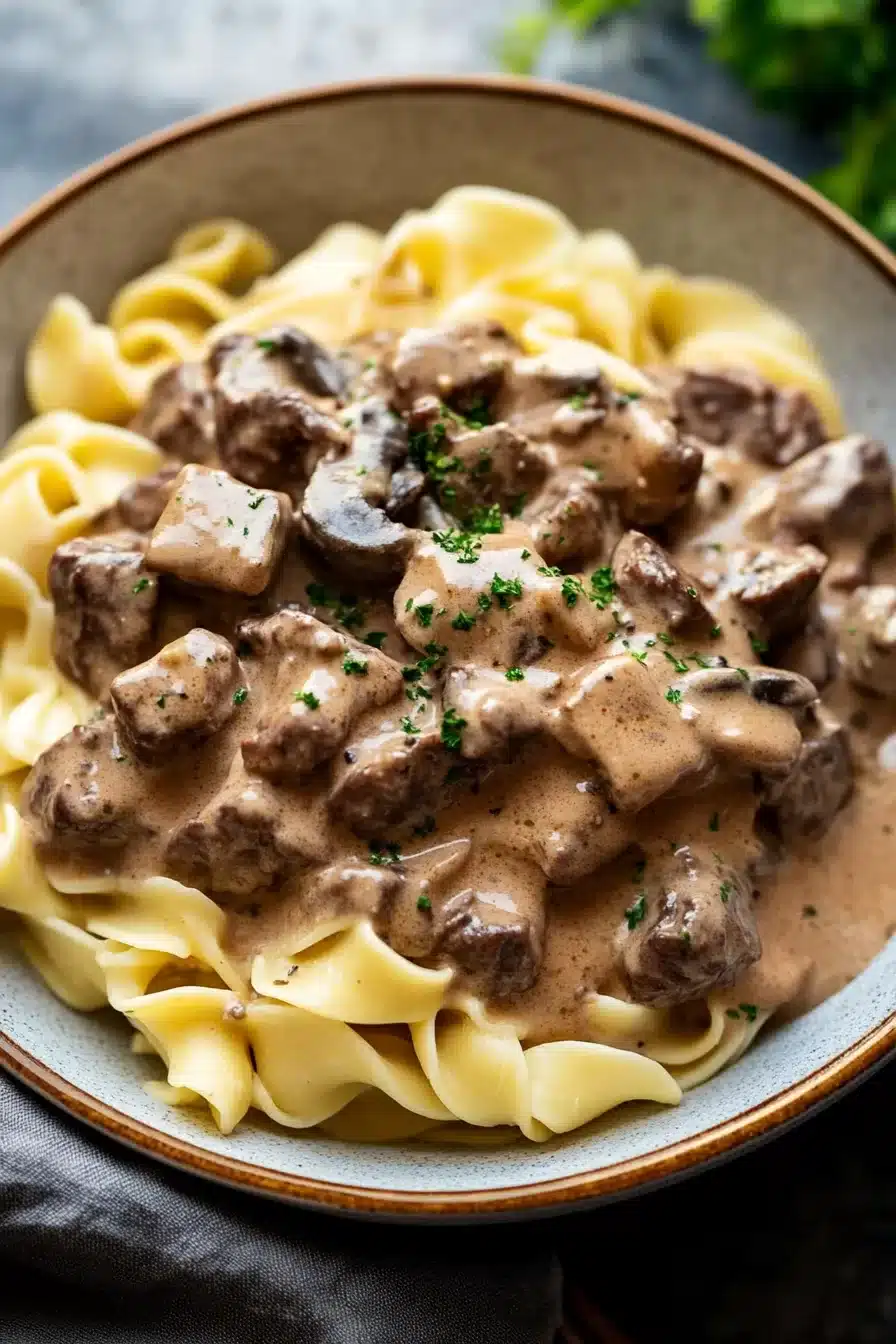
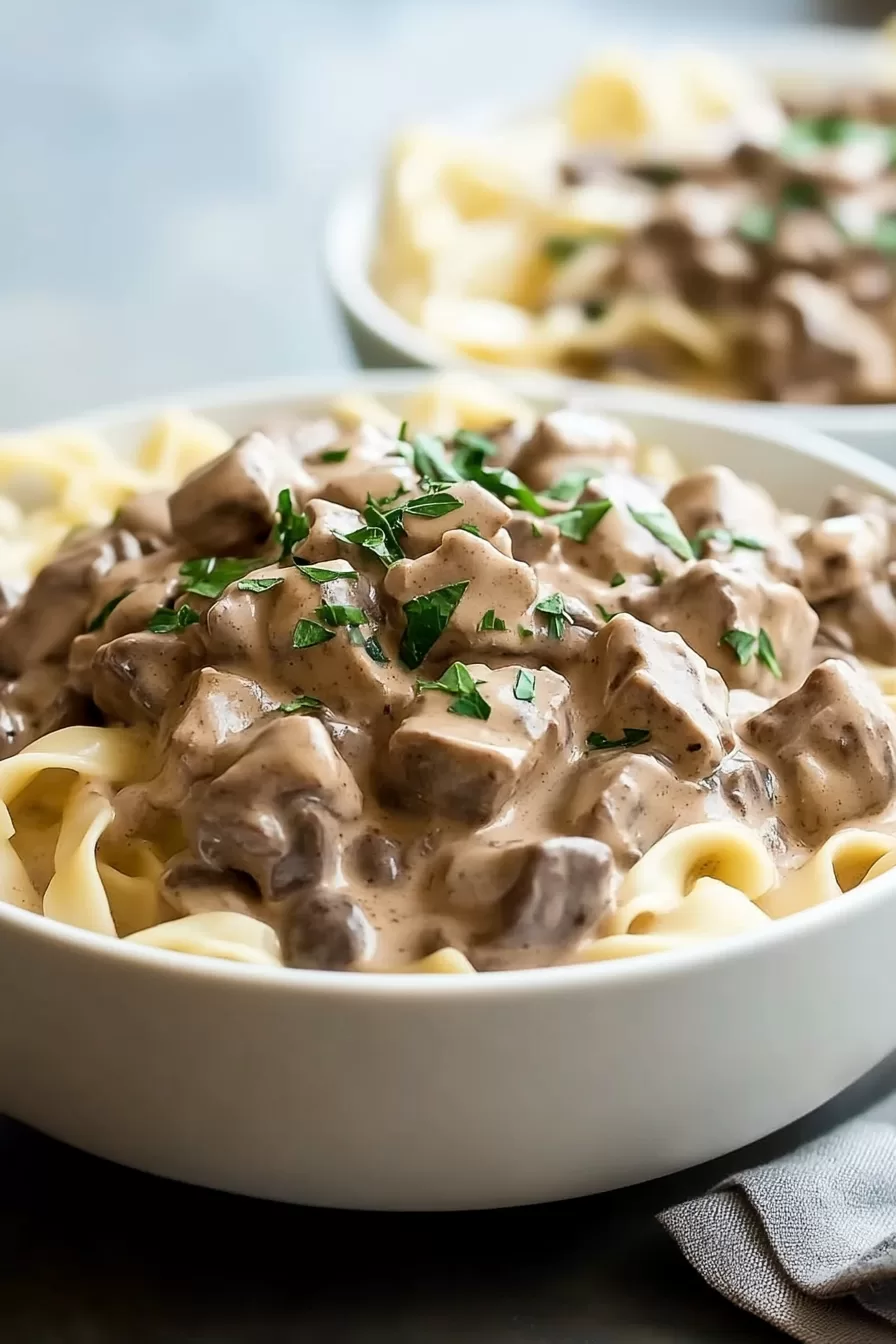
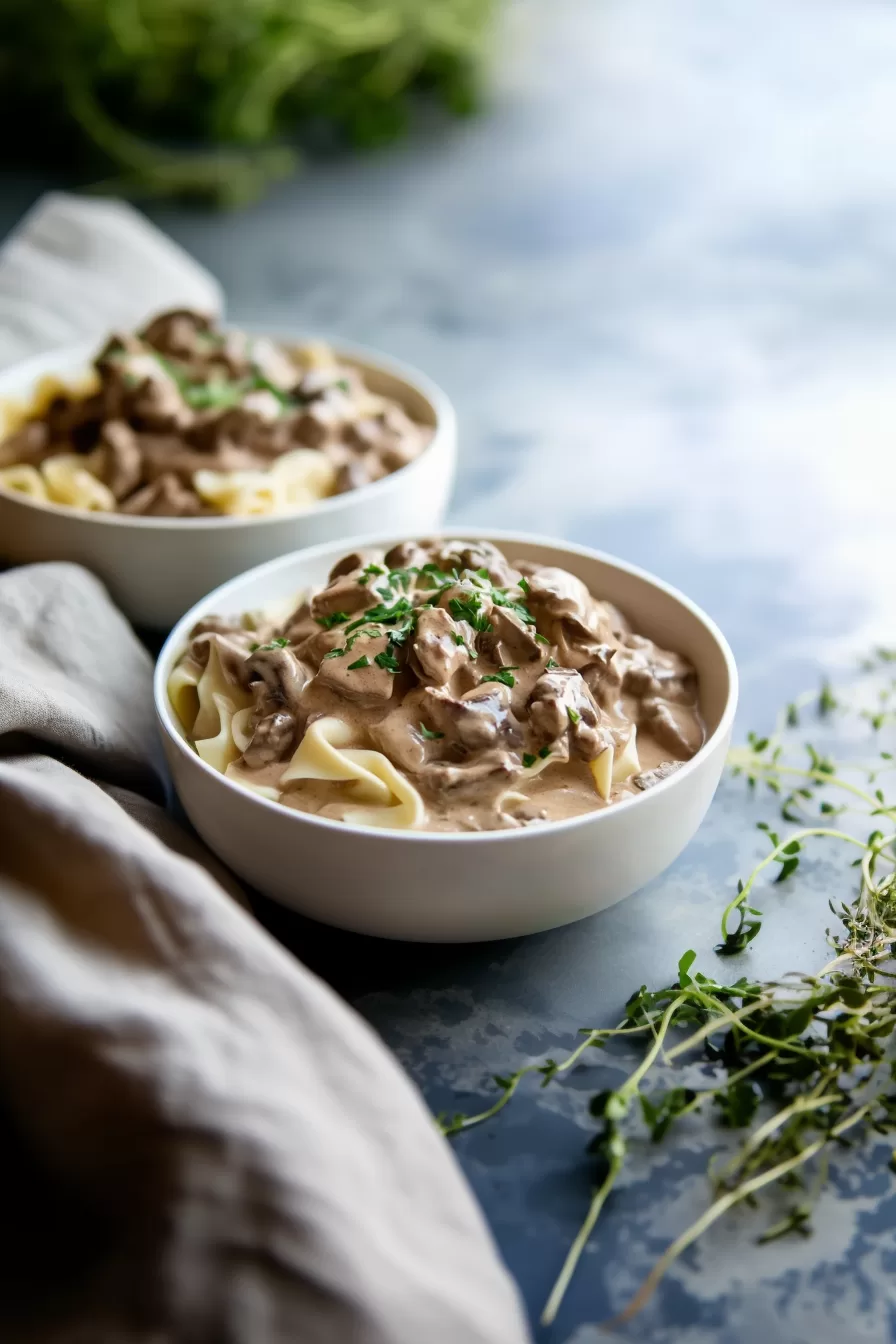
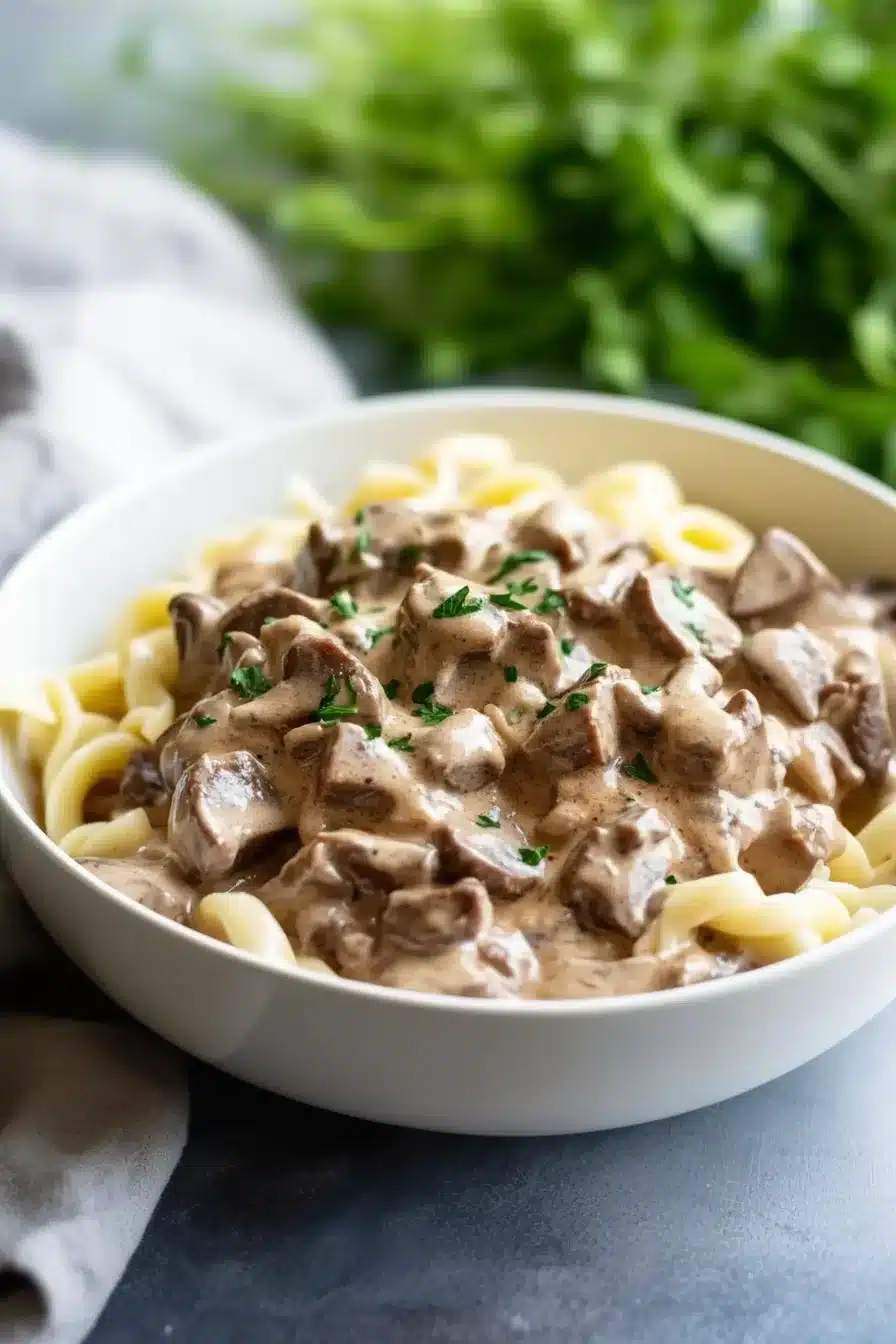
Tender strips of seasoned beef, golden onions, mushrooms, and creamy sauce—this beef stroganoff brings cozy vibes and deeply satisfying flavor. You’re gonna need a fork AND a spoon for this one.

Sizzling in butter with juicy steak and savory broth, this dish practically invites you to linger in the kitchen. Add a tangle of noodles or soft rice, and suddenly it’s Tuesday-night magic.

There’s something a little luxurious about stroganoff, right? That creamy richness, the way the aroma fills up your kitchen—it feels fancy without trying too hard. I mean, yes, there’s sour cream involved, but we’re not breaking out the fine china here. This is everyday comfort food dressed up a tiny bit. Great for company, better in pajamas, excellent with a glass of something red or bubbly.

And hey, if you’re feeling the whole Sunday-dinner vibe, might I suggest pairing it with something warm from the oven like these fluffy 7-Up biscuits? Just saying.

Table of Contents

Classic Beef Stroganoff

Why You’ll Love this Beef Stroganoff

This one’s an old-school classic with just enough tweaks to make it feel special. Nothing fussy, just really good food with a little extra oomph.

  • Bold, meaty flavor: That quick sear on the beef pulls out major savory notes right from the start.
  • Creamy, dreamy sauce: The combo of sour cream and Dijon turns it silky and just a little tangy—straight-up spoon-licking territory.
  • Mushrooms that matter: Golden, caramelized, almost nutty tasting… this part’s worth the extra stir.
  • Perfect for weeknights OR guests: Fancy enough to impress, but no need to stand in the kitchen for hours.
  • Flexible with carbs: Pour it over noodles, rice, mashed potatoes—whatever your pantry’s got.
  • Leftovers reheat like a dream: Even the sauce stays creamy. Promise.

Classic Beef Stroganoff

Ingredient Notes

Just a few pantry and fridge staples here, with a couple that give it that stroganoff signature.

  • Beef sirloin steak: Go for tender and well-marbled. Sirloin’s easy to slice thin, cooks fast, and stays juicy.
  • Salt and pepper: Season as you go (not just once at the start). It wakes everything up.
  • Butter: Adds richness, keeps the beef from sticking, and builds flavor into the onions and mushrooms.
  • Onion and garlic: These are the aromatic base. Stir them long enough to get sweet and golden.
  • Mushrooms: White or cremini both work. Get them nice and browned—don’t crowd the pan or they’ll steam.
  • Flour: Helps thicken the sauce without any fuss. Stir it for a full minute so it doesn’t taste raw.
  • Beef broth: Goes in silky and rich. Use low-sodium if you’re sensitive to salt or using a salty Worcestershire.
  • Worcestershire sauce: Adds umami depth and that “what is that?” kind of flavor. Don’t skip it.
  • Sour cream: The tangy, creamy base that turns it from mushroom sauce into stroganoff. Let it warm up on the counter first so it won’t curdle.
  • Dijon mustard: Adds a teeny kick and helps balance the creaminess with brightness.
  • Egg noodles or rice: Total comfort. I lean noodles, but rice makes it feel hearty and stick-to-your-ribs.
  • Fresh parsley: For color and just a little freshness to cut the richness.

Classic Beef Stroganoff

How To Make This Beef Stroganoff

Once your ingredients are ready, this flows together like a cozy kitchen waltz. Get your skillet hot and your wooden spoon ready.

  • Prep the beef: Slice the steak into thin strips, going against the grain. This keeps the texture tender instead of chewy. Season well with salt and pepper.

  • Sear in batches: Melt butter in a large skillet over medium-high heat, then add the beef in small batches. You’re not cooking it through, just getting a super-quick sear—20 or 30 seconds per side. Once browned, pull it out gently and let it rest. Don’t overcrowd the pan or it’ll steam instead of sizzle.

  • Build the flavor base: In that glorious beefy pan, lower the heat a bit and toss in the onions. Stir until they’re soft and golden, then add garlic. When everything smells irresistibly good (you’ll know), you’re ready for mushrooms.

  • Brown the mushrooms: Stir in sliced mushrooms and sauté until they’re golden and a little crispy on the edges. Don’t rush this step; browning = flavor.

  • Add the flour: Sprinkle it in evenly and stir for a full minute to cook out the raw taste. It’ll look a little pasty—totally normal.

  • Make the sauce: Slowly pour in the broth, stirring constantly. Keep things moving until the sauce thickens just slightly and coats the back of your spoon.

  • Flavor time: Turn the heat low and gently stir in Worcestershire, sour cream, and Dijon. Keep stirring until it’s creamy and velvety. Don’t let it boil—just a gentle simmer to warm everything through.

  • Reunite the beef: Slide the seared steak back into the pan and stir to coat. Cook another minute or two—just enough to warm the beef without overcooking.

  • Serve: Spoon it over noodles or rice, shower with parsley, and take a second to admire those creamy swirls before diving in.

Classic Beef Stroganoff

Storage Options

Let’s talk leftovers—because honestly, this beef stroganoff just might taste better the next day.

Once cooled, pop any extras into an airtight container. They’ll keep in the fridge for up to 4 days. The sauce might thicken a bit, and that’s totally okay. Just give it a splash of broth or a tiny bit of milk when you reheat to loosen things up.

Oh, and yes, you can freeze it. Just keep in mind: the sauce texture might shift slightly since sour cream doesn’t always love freezer life. But if you freeze it in individual portions and reheat gently on the stove (over medium-low, with a splash of broth), it actually survives pretty well. I mean, it’s not soufflé, it’s saucy beef and noodles.

Reheat it in a skillet or saucepan, not the microwave, if you want to avoid the weird curdled look. Gentle heat is your friend here—just keep stirring and show it some love.

Variations and Substitutions

Want to riff a little? This is one of those dishes that says “go ahead, do your thing.” Just don’t skip the sour cream… or do, but that would make it something else entirely.

  • Chicken instead of beef: Swap in boneless thighs or breasts. Still tasty, cooks a bit faster, maybe more budget-friendly too.

  • Greek yogurt instead of sour cream: It cuts the fat a bit and still gives creaminess, though the tang is slightly different.

  • No mushrooms? Gasp! But yes, you can skip them. Add extra onions, or a splash of white wine for depth.

  • Thicker sauce: Cook the broth-flour mixture just a little longer before adding the creamy bits. Or stir in a spoonful of cream cheese. It works.

  • Spicier version: Add a shake of paprika or a pinch of cayenne when you stir in the mustard. Warmth without turning it into chili.

Classic Beef Stroganoff

What to Serve with Beef Stroganoff

This dish is already a nap-worthy comfort meal, but let’s elevate it ever so slightly—or just stretch it if everyone’s extra hungry.

  • A warm bread basket never hurt: Pop some easy 7-Up biscuits in the oven while the stroganoff simmers. They’re tender, buttery, and ideal for mopping up sauce.

  • Light veggie side: A big green salad with a zippy vinaigrette cuts the creaminess. Bonus points for adding something crunchy like radishes or shaved fennel.

  • Oven-roasted vegetables: Think carrots, Brussels sprouts, or butter-browned green beans. A little caramelization contrasts the soft-textured stroganoff beautifully.

  • Simple fruit dessert: Something like a blueberry cobbler would end the meal on a sweet, just-rustic-enough note. It’s cozy without being over the top.

Classic Beef Stroganoff

Frequently Asked Questions

Can I use a different cut of beef besides sirloin?

Absolutely, though sirloin is a nice balance of tender and affordable. If you want to splurge, ribeye is melt-in-your-mouth amazing. For a more budget-friendly option, flank steak can work too—just slice it really thin and across the grain so it doesn’t end up chewy. Whatever you choose, don’t overcook it once it goes back in the sauce.

Why did my sour cream curdle in the sauce?

Ah, the classic stroganoff stumble. Usually, it’s because the sauce was too hot when you added the sour cream. It needs low, gentle heat, and ideally you let the sour cream come to room temp first. If you drop it cold into bubbling sauce, it may seize up and get grainy. To recover, sometimes whisking vigorously can pull it back together, or just roll with it—it still tastes delicious.

Can I make this beef stroganoff ahead of time?

Definitely! Just hold off on combining the beef and sauce until you’re ready to serve to keep the meat tender. You can make the sauce and sear the beef ahead, then store them separately. Reheat gently, stir together, and boom—it’s like fresh-made without the last-minute rush.

Is there a dairy-free option for this dish?

Totally doable. Use a good unflavored, unsweetened plant-based sour cream or a thick oat or coconut-based yogurt. Just watch the tang level—some non-dairy options are sweeter or thinner. If you skip dairy entirely, consider thickening the sauce with cashew cream or a slurry of broth and cornstarch instead. It won’t be traditional, but it’ll still be scrumptious.

Classic Beef Stroganoff

Classic Beef Stroganoff

Prep Time 15 minutes
Cook Time 25 minutes
Total Time 40 minutes
Tender strips of seasoned beef, golden onions, mushrooms, and a creamy, tangy sauce—this classic beef stroganoff is cozy, luxurious, and pure comfort. Perfect for company or a weeknight treat, it’s loaded with umami flavor and ready to spoon over noodles, rice, or potatoes for a deeply satisfying meal.
4 servings

Ingredients

For the Stroganoff

  • 1 lb (450 g) beef sirloin steak sliced into thin strips, against the grain
  • salt and pepper to taste (for seasoning beef and sauce)
  • 2 tbsp (28 g) unsalted butter divided
  • 1 yellow onion halved and thinly sliced
  • 2 cloves garlic minced
  • 8 oz (225 g) mushrooms white or cremini, sliced
  • 2 tbsp (16 g) all-purpose flour
  • 2 cups (475 ml) beef broth preferably low-sodium
  • 1 tbsp (15 ml) Worcestershire sauce
  • 3/4 cup (175 g) sour cream room temperature preferred
  • 1 tbsp (15 ml) Dijon mustard
  • fresh parsley finely chopped, for garnish

To Serve

  • 12 oz (340 g) egg noodles or rice cooked according to package directions

Equipment

  • Large skillet
  • wooden spoon
  • Sharp knife

Instructions
 

  1. Prep the beef: Slice the sirloin steak into thin strips, cutting against the grain. Season generously with salt and pepper.
  2. Sear in batches: Melt 1 tablespoon of the butter in a large skillet over medium-high heat. Add the beef in a single, uncrowded layer and sear for 20–30 seconds per side, just until browned. Work in batches if necessary. Transfer browned beef to a plate and set aside.
  3. Build the flavor base: Reduce the heat to medium. Add the remaining butter to the skillet, then the sliced onions. Sauté until soft and golden, stirring often, about 4–5 minutes. Add the minced garlic and cook another minute, until fragrant.
  4. Brown the mushrooms: Add mushrooms to the pan, season lightly with salt, and cook until browned and any liquid has evaporated, about 6–8 minutes. Don’t overcrowd the pan; cook in batches if needed.
  5. Add the flour: Sprinkle flour evenly over the mushrooms and stir for 1 minute to cook out the raw taste.
  6. Make the sauce: Slowly pour in the beef broth, stirring constantly and scraping up any browned bits. Bring to a gentle simmer and cook for 2–3 minutes, until the sauce thickens slightly.
  7. Finish the sauce: Reduce heat to low. Stir in Worcestershire sauce, sour cream, and Dijon mustard until smooth and creamy. Do not let the sauce boil after adding sour cream.
  8. Reunite the beef: Return the seared beef and collected juices to the pan. Stir to coat in the sauce and warm through, 1–2 minutes. Adjust seasoning as needed.
  9. Serve: Spoon over warm egg noodles or rice. Garnish with chopped parsley and enjoy!

Notes

This stroganoff is just as dreamy with chicken or even mushrooms only for a meatless take. Leftovers reheat beautifully, just add a splash of broth if the sauce thickens too much. Add paprika for a subtle smokiness or a pinch of cayenne for some heat. See post above for detailed storage, variations, and serving ideas.

Nutrition

Calories: 520kcal | Carbohydrates: 30g | Protein: 33g | Fat: 29g | Saturated Fat: 13g | Cholesterol: 145mg | Sodium: 850mg | Potassium: 850mg | Fiber: 2g | Sugar: 5g | Vitamin A: 320IU | Vitamin C: 5mg | Calcium: 85mg | Iron: 4.5mg

Let's Get Cooking!

100+ Recipes for Busy Nights

In a time crunch? Take a look around and browse plenty of recipes to help you get dinner ready and on the table on those busy nights!

Sweet Recipes

Pumpkin Banana Muffins

Pumpkin Banana Muffins Recipe

Strawberry Pie Bars

Strawberry Pie Bars Easy Oven Recipe

White Chocolate Raspberry Muffins

White Chocolate Raspberry Muffins Recipe

Snickerdoodle Muffins

Snickerdoodle Muffins Recipe for Oven

PIN NOW

Follow KitchenetteBlog on Pinterest

Love cozy recipes that actually make it to the table? On Pinterest, I share new comfort-food ideas every week—desserts, dinners, and those little snack cravings that hit at midnight. Come pin with me and never run out of kitchen inspo.

Savory Recipes

Turkey Tetrazzini

Turkey Tetrazzini Baked Pasta Recipe

Grilled Chicken Panini Sandwich

Grilled Chicken Panini Sandwich Recipe

Sweet Potato Cornbread

Sweet Potato Cornbread Recipe Oven Baked

Classic Waldorf Salad

Waldorf Salad Simple Classic Recipe

Get 5 Recipes to Simplify Your Life!

Delicious, versatile recipes you can make over and over.