
Pastina soup is the bowl half of Italy grew up on and the one that gets made whenever somebody in the house is ill. Tiny pasta, a good broth, a lot of grated Parmesan, and very little else. It takes forty minutes and most of that is the pot simmering by itself.
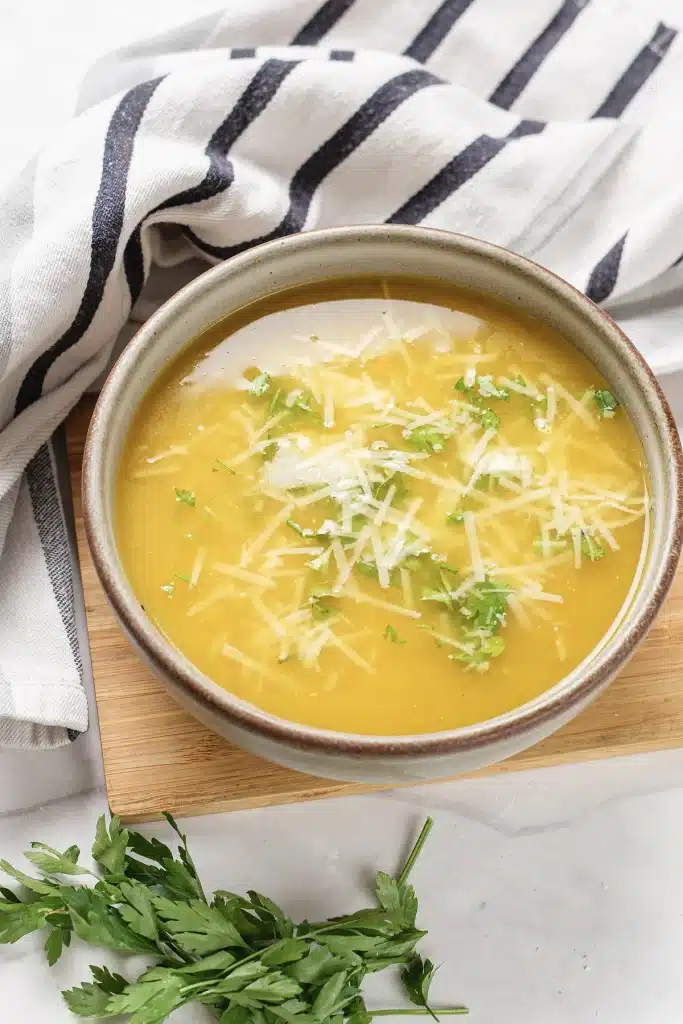
- Pastina soup takes six ingredients, all of them things a kitchen usually already has
- On the table in forty minutes, and the pot does most of that without you
- Gentle enough for a sick day and good enough to eat when nobody is ill
- Blending the vegetables gives it body without a spoonful of cream or flour
- Children who reject every other vegetable soup eat this one, because they cannot see the vegetables
The pastina soup here does one thing the nonna version does not, and it is worth the extra thirty seconds. The carrot, celery and onion get blended into the broth instead of being fished out or left floating, which turns a thin, clear soup into something faintly golden that coats the back of a spoon. Nothing gets thrown away, no cream goes in, and the result tastes like it simmered for twice as long.

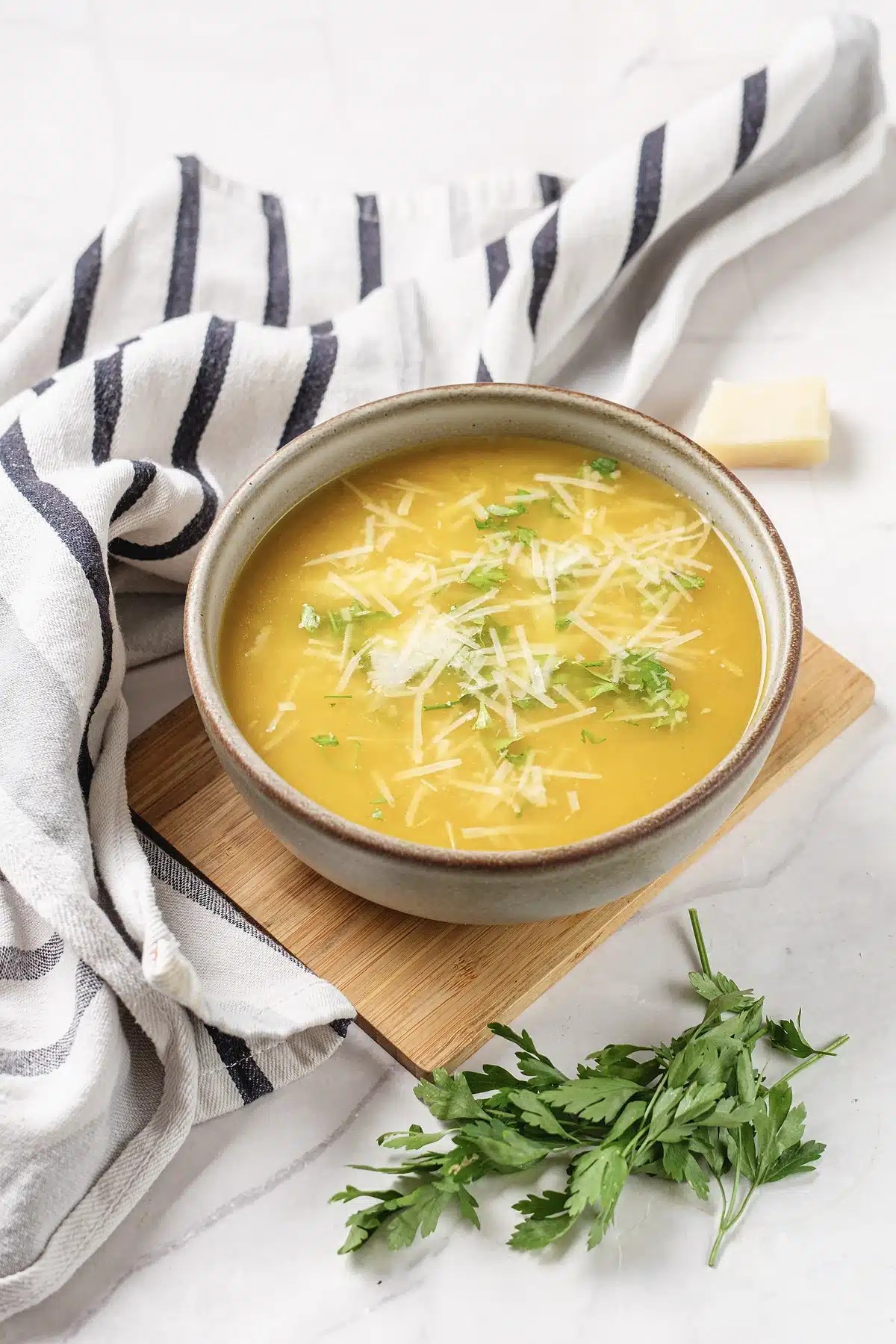
What Pastina Actually Is
Pastina is not one shape. The word simply means little pasta, and it covers a whole family of tiny cuts: stelline shaped like stars, acini di pepe like peppercorns, orzo like grains of rice, and the ridged little tubes called ditalini. Any of them work in a pastina soup.
What they share is surface area. A tiny shape cooks in five or six minutes and releases a lot of starch very quickly, which is part of why the broth thickens as it sits. It is also why pastina soup does not keep the way a lentil or bean soup does, and why the pasta goes in at the very end rather than the beginning.
Stelline is the shape most people picture, mostly because that is what the boxes sold to Italian families in America used. If your store has none of it, orzo is the easiest substitute to find and behaves almost identically. The National Pasta Association keeps a reference of pasta shapes and what each one suits if you want to match something you already have in the cupboard.
Save this recipe
Enter your email and I’ll send this recipe straight to your inbox.
Why This Version Blends the Vegetables
The traditional method is to simmer a whole onion and a carrot in the broth for flavor and then lift them out. It works, and it leaves you with a thin, clear soup and two cooked vegetables nobody eats.
Blending them back into a pastina soup costs thirty seconds with a stick blender and changes the texture completely. The starch from the carrot and the pectin from the onion give the broth a light body, so it clings to the pasta instead of sitting under it. The color shifts from pale straw to a proper gold, which is the shade people expect from a picture of pastina soup and rarely get at home.
It also gets vegetables into people who would refuse them on sight. That was not the goal, and it turns out to be the reason most people who try this way keep doing it.
Ingredient Notes
There are only a handful of things in a pastina soup, so the quality of the broth carries more weight than usual.
- Pastina. One cup of stelline, acini di pepe, orzo or ditalini. Buy the smallest shape your store carries. Anything bigger than a grain of rice starts to read as pasta in broth rather than as this dish.
- Broth. Six cups, low sodium, chicken or vegetable. This is the whole soup, so use something you would happily drink. Homemade stock is better than any box, and a good box is much better than a bouillon cube dissolved in water.
- Carrots, celery and onion. Two carrots, two celery stalks and one yellow onion, chopped roughly, because they are going into a blender anyway. No need to be neat about it.
- Garlic. Four cloves, smashed rather than minced. They soften completely over twenty minutes and blend away to nothing.
The Finishing Touches
- Parmesan rind. Optional and strongly recommended. Drop it in with the broth and it releases salt, fat and a savory depth that nothing else in the pot provides. Keep the ends of your Parmesan in a bag in the freezer and you will always have one.
- Grated Parmesan. For serving, and use more than feels sensible. It melts into the hot broth and is half the reason anyone eats this.
- Extra virgin olive oil. A drizzle over each bowl at the table. A finishing oil rather than a cooking one, and it makes a real difference to how the soup smells when it arrives.
- Salt and pepper. Seasoned in layers, a pinch at the start and the real correction at the end. The broth reduces slightly and the Parmesan rind adds salt of its own, so a pot seasoned only at the beginning ends up sharp.
How To Make Pastina Soup
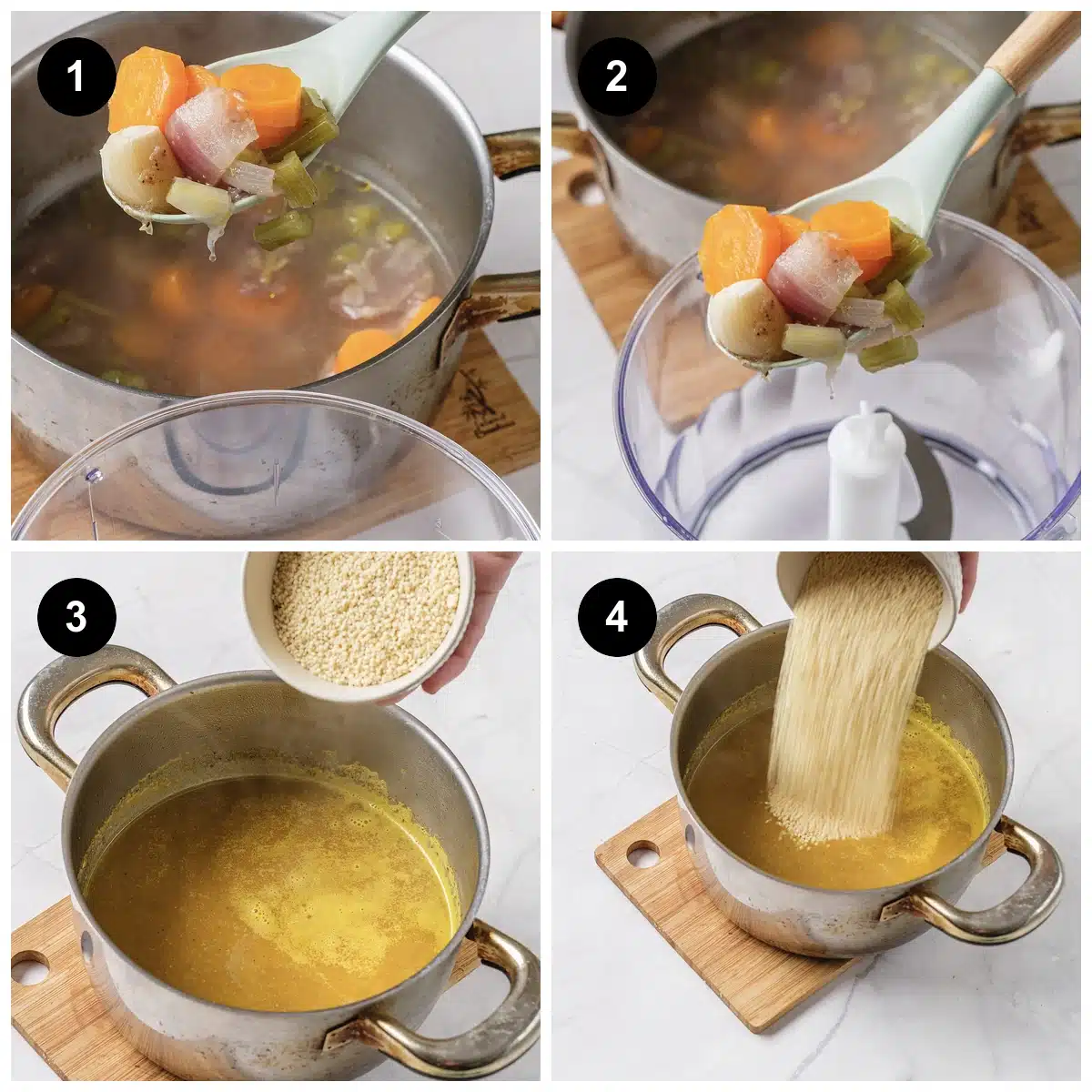
A pastina soup is built in four stages and only the last one needs watching. First, get the pot going. Put the broth, carrots, celery, onion, garlic and the Parmesan rind into a large pot, add a small pinch of salt, and bring it up over medium heat.
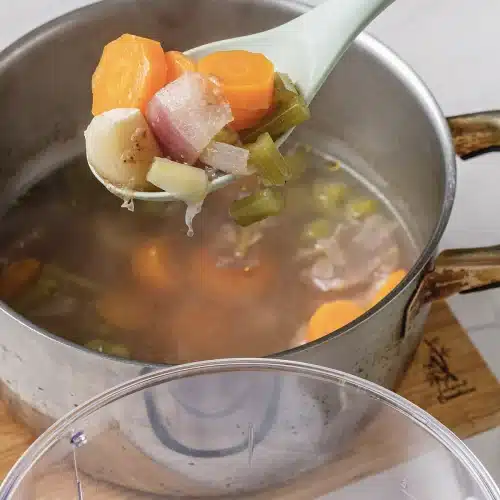
Next, simmer. Once it reaches a boil, drop the heat, cover the pot and leave it for about twenty minutes, until a fork slides straight through a piece of carrot. The kitchen should smell like stock rather than like raw onion.
Blending and Finishing
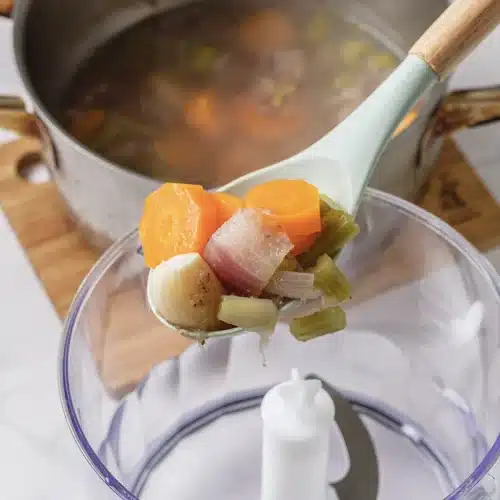
Then blend. Fish out the Parmesan rind, scoop the vegetables and about half a cup of the broth into a blender, and puree until completely smooth. An immersion blender in the pot works and gives a slightly coarser result. Stir the puree back in, taste, and season properly now rather than later.
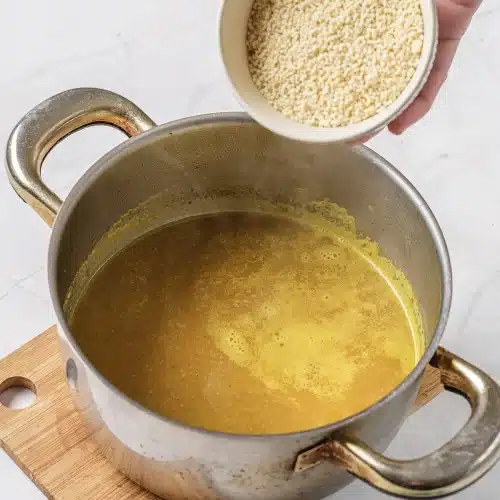
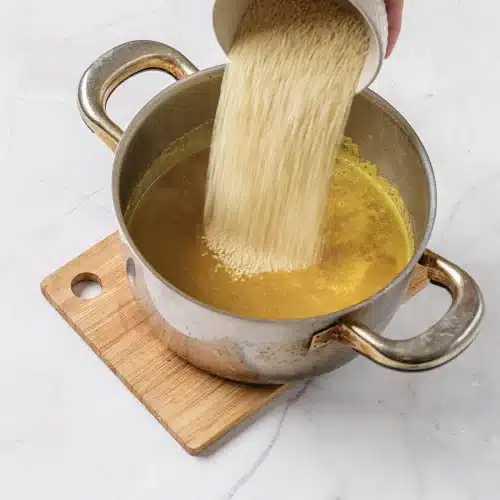
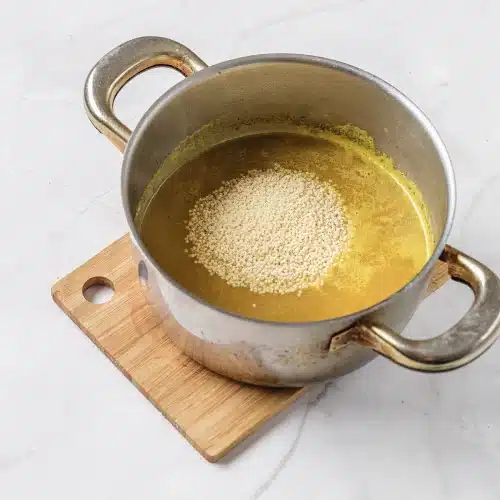
Finally, cook the pastina. Bring the pot back to a gentle boil, tip in the pasta, and cook for five to six minutes or whatever the packet says. Stir often, because tiny shapes sink and catch on the bottom of the pot faster than any other pasta. Ladle it out and finish each bowl with parsley, plenty of Parmesan and a drizzle of olive oil.
How To Tell When Pastina Soup Is Done
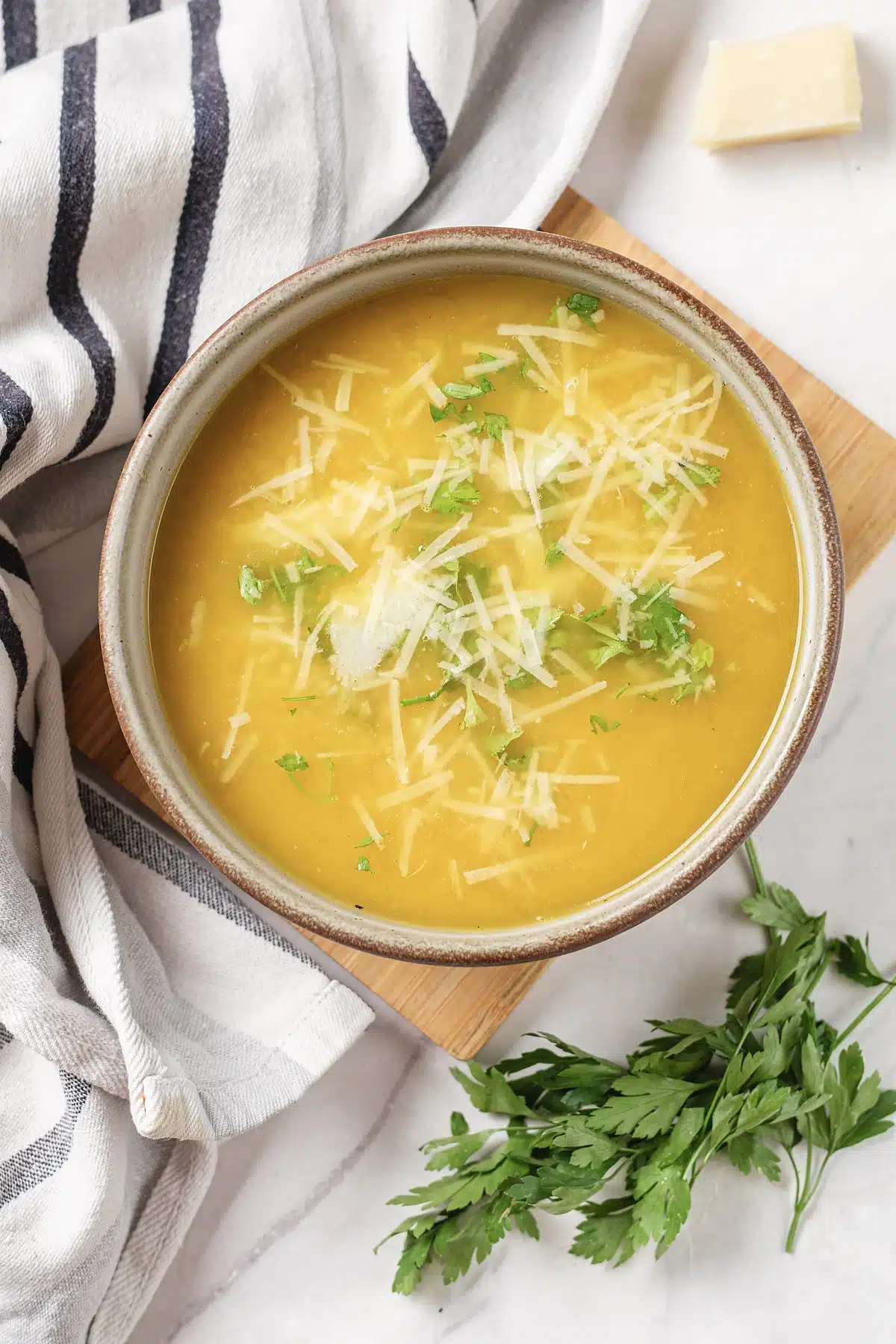
Taste a piece of pasta rather than trusting the packet, because a pastina soup is finished by the pasta rather than by the clock. Tiny pasta goes from firm to soft in under a minute, and the residual heat keeps cooking it in the bowl. Pull it off the heat when the pastina is just tender with the faintest bite left, because by the time it reaches the table it will have gone the rest of the way.
The broth is the second test. Finished pastina soup should look slightly cloudy and cling to the spoon rather than run straight off it. If it is still watery, the blended vegetables have not been stirred in properly or the pot simply needs another minute at a simmer.
If you have gone too far and the pasta is soft, it is not ruined. Add half a cup of hot broth to loosen it, serve it straight away, and nobody will comment.
Choosing the Broth
Everything else in this pot is either a vegetable that gets blended away or a pasta that tastes of very little on its own, so the broth is not a background ingredient. It is the dish. A weak stock gives you hot salty water with pasta in it, and no amount of Parmesan at the table rescues that.
Homemade is best and it does not have to be a project. The carcass of a roast chicken, an onion, a carrot and two hours at a bare simmer produces something far better than any carton, and it freezes in quart bags for months. If you make a roast on a Sunday, you have the makings of this on a Wednesday.
From a box, look for one with a short ingredient list and a real amount of salt already in it, then hold back your own seasoning until the end. Bone broth works and is heavier than the dish really wants. Bouillon cubes are the one option to avoid, because they carry a distinct manufactured note that a soup this plain has nowhere to hide.
Vegetable broth makes a lighter, sweeter bowl and is genuinely good here, particularly with the Parmesan rind doing the savory work. Whichever you use, taste it cold before it goes in the pot. If you would not drink half a cup of it on its own, the soup will not fix it.
Make It Ahead
The make-ahead version of pastina soup is the one worth planning for, and it needs one change. Cook the broth base completely, blend it, and stop there. Refrigerate the base on its own for up to four days.
Cook the pastina separately in salted water, drain it and keep it in its own container. At dinner, warm the base, drop in as much pasta as you need and give it a minute. Done this way the soup on day three is identical to the soup on day one, which is not something you can say about a pot cooked all together.
Storing Pastina Soup
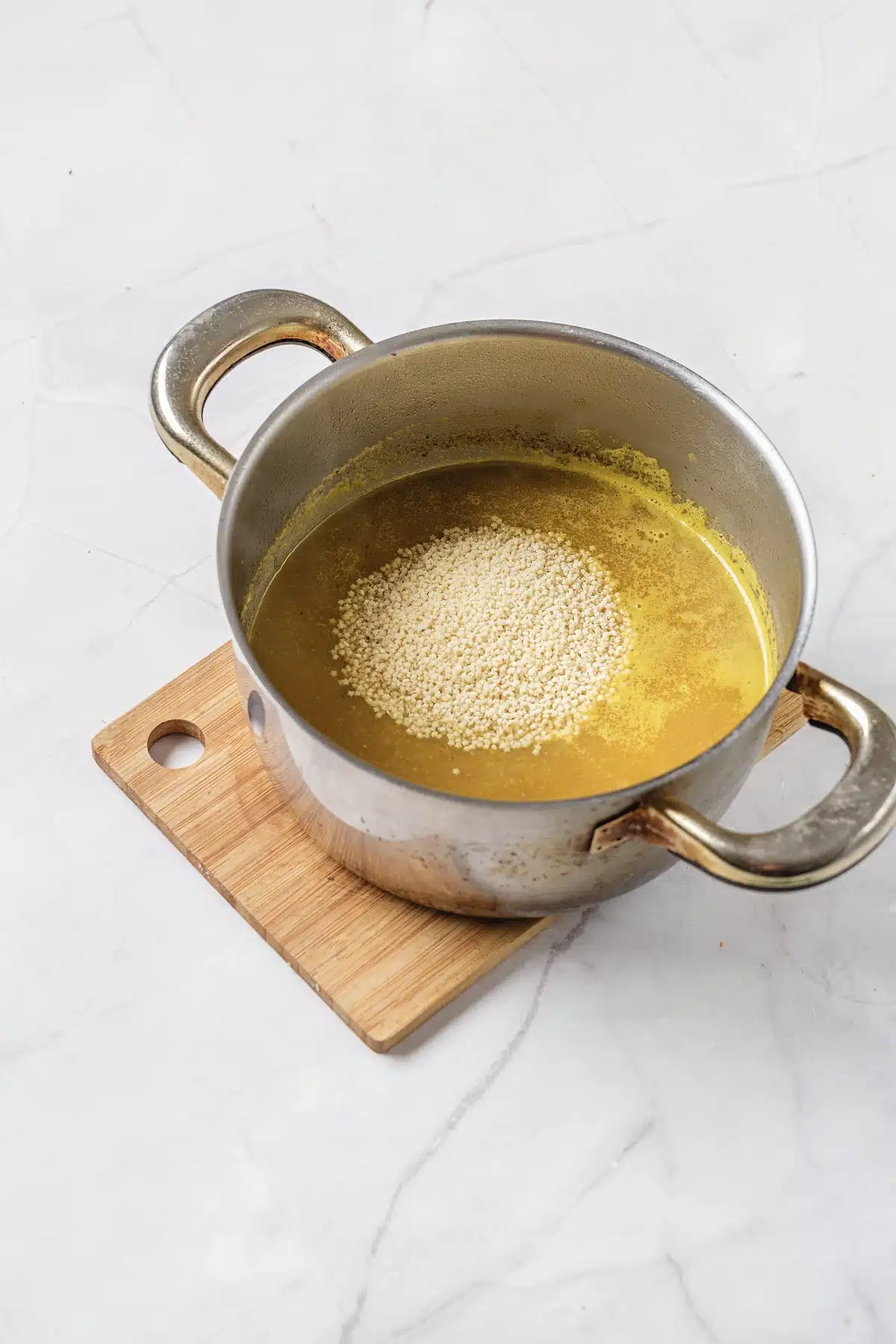
Cooked all in one pot, pastina soup keeps for three days in the refrigerator, and it changes overnight. The pasta carries on drinking the broth in the cold, so what was soup on Monday is closer to a thick porridge on Tuesday. Half a cup of broth or water per bowl brings it most of the way back.
The broth base freezes for three months and the cooked pasta does not. Frozen pastina turns to paste on thawing, so freeze the blended base alone in flat bags and boil fresh pasta on the day. It takes five minutes and it is the difference between a good bowl and a disappointing one.
Reheat gently on the stovetop over medium-low heat rather than in the microwave, which heats unevenly and can leave the pasta hot on the outside and cold in the middle. Stir in a little extra Parmesan at the end to wake it up.
Variations and Substitutions
Pastina soup is a frame rather than a fixed recipe, and every change below works without adjusting anything else.
With chicken. Stir in a cup of shredded cooked chicken with the pasta. It turns a light bowl into a full dinner and is the version most people want when they are not actually ill.
With egg. Beat one egg with a spoonful of Parmesan and stir it into the hot soup off the heat, the way you would for stracciatella. It sets into fine ribbons and adds real protein.
Lemon. A squeeze of lemon and a strip of zest at the end lifts the whole pot, and it takes the soup somewhere close to a Greek avgolemono.
Dairy-free. Skip the rind and the grated cheese, and add a teaspoon of nutritional yeast and an extra drizzle of good olive oil for the savory note.
Gluten-free. Small gluten-free shapes exist, including brown rice stelline. They cook faster and go soft more suddenly, so start tasting at three minutes.
What to Serve with Pastina Soup
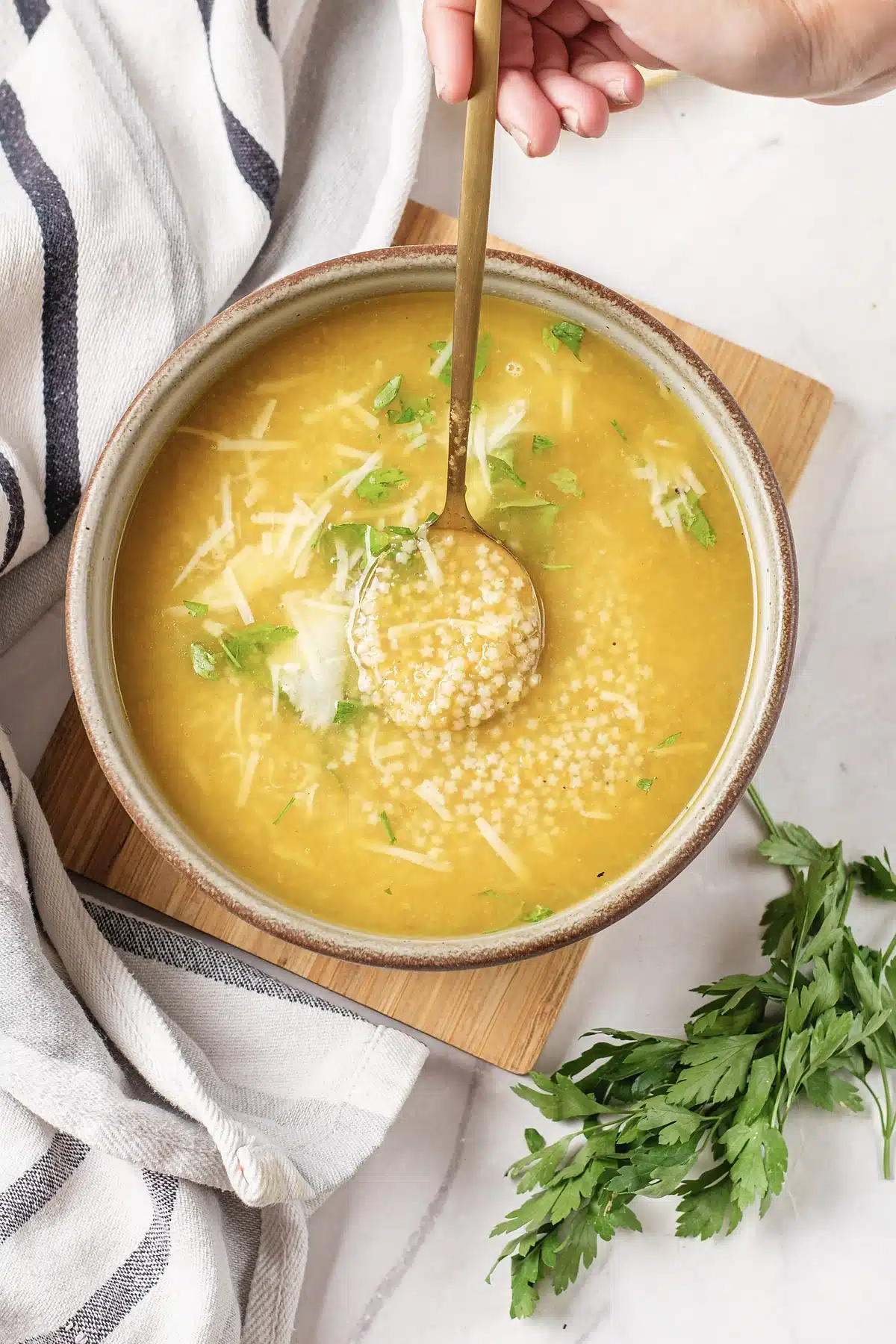
On a sick day, pastina soup wants nothing beside it. That is the point of it. A bowl, a spoon and more Parmesan on the table is the entire meal, and anything else on the tray goes uneaten.
As an actual dinner it wants something with texture beside it. Garlic bread, a hunk of focaccia or a plain green salad with a sharp vinaigrette all work, and a plate of prosciutto and olives turns it into a proper first course.
If you are cooking a run of soups for the week, mix the styles rather than the flavors. A pot of lentil soup on the stovetop covers the hearty end, Greek lemon chicken soup takes the same tiny-pasta idea somewhere brighter, and a bowl of Italian sausage soup is what to make when this one is too gentle for the table.
Pastina Soup FAQ
Frequently Asked Questions
Why is it called Italian penicillin?
Pastina soup is what Italian families make for anyone who is unwell, in the same way chicken soup is elsewhere. There is nothing medicinal in it. Warm broth, salt and something soft to eat is the whole prescription.
Can I cook the pastina directly in the soup?
Yes, and that is how this recipe is written. Cooking it separately is only worth doing when you intend to keep leftovers, because pasta left standing in broth swells and keeps swelling.
How much pastina per cup of broth?
Roughly a quarter cup of dry pasta for every cup and a half of broth, which is one cup to six cups here. Use more and you get something closer to a risotto than a soup.
What can I use instead of stelline?
Orzo, acini di pepe, ditalini or broken angel hair. Anything small and quick-cooking works. Adjust the timing to the packet, because the shapes vary by a minute or two.
More Questions About Tiny Pasta
Good to Know
My soup turned into porridge overnight. Is that normal?
Completely. The pasta absorbs broth as it sits and there is nothing to be done about it except add liquid when you reheat, or store the base and the pasta separately from the start.
Do I have to blend the vegetables?
No. Leave them in small dice and you get a more rustic soup that is still good. Blending is what gives the broth its body and its color, so you lose both.
Can I use water instead of broth?
Only if you add a Parmesan rind, a bay leaf and rather more salt. The broth is doing nearly all of the flavoring here, so water alone makes a very plain bowl.
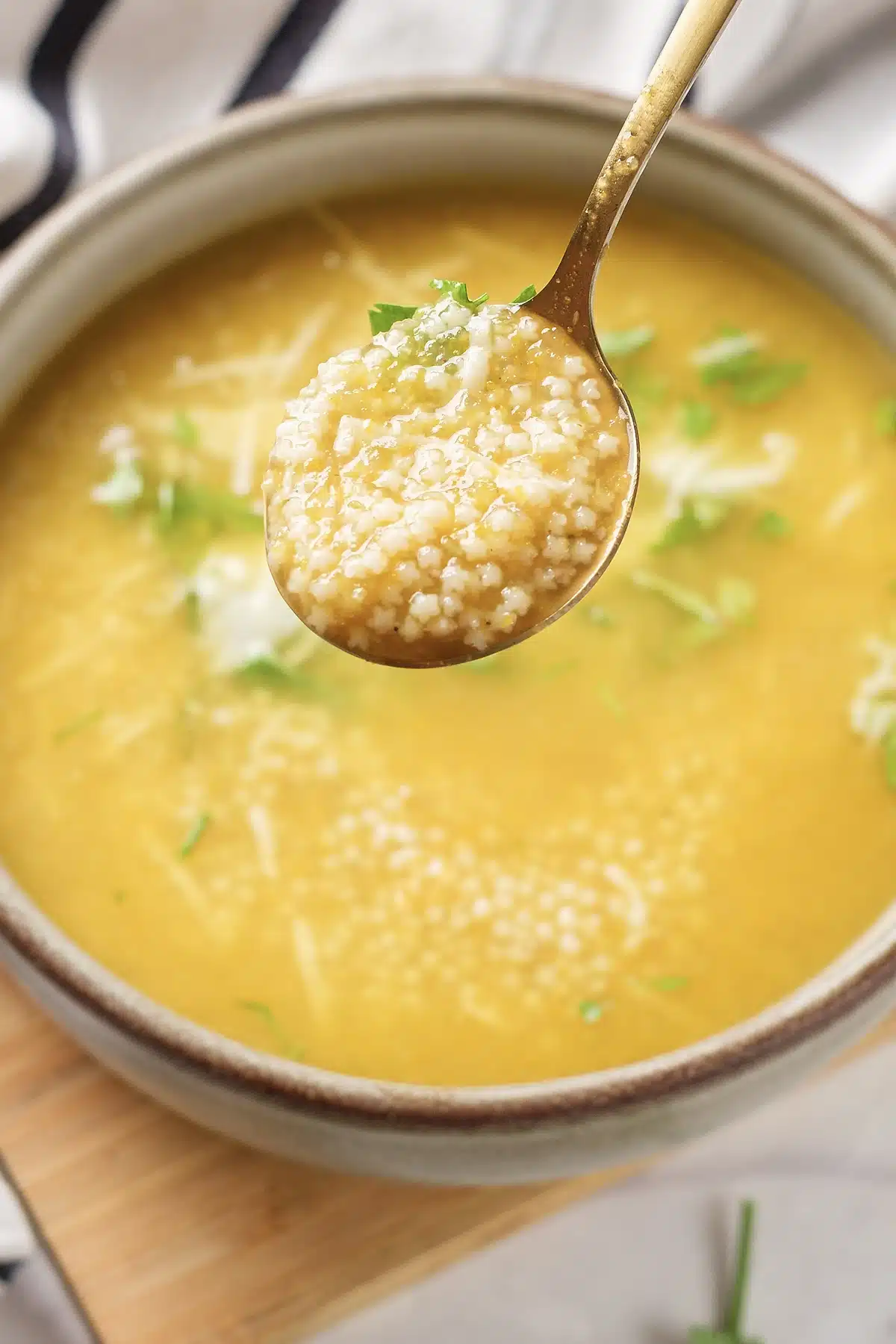
Make pastina soup once and it stops being a recipe and becomes something you throw together without measuring. For the nights when gentle is not what anybody wants, a plate of pasta da Vinci is the other end of the same cupboard.

Cozy Pastina Soup
Save this recipe
Enter your email and I’ll send this recipe straight to your inbox.
Ingredients
For the Soup
- 6 cups low-sodium chicken or vegetable broth use one you would happily drink
- 2 carrots peeled and roughly chopped
- 2 celery stalks roughly chopped
- 1 yellow onion roughly chopped
- 4 cloves garlic smashed
- 1 Parmesan rind optional, for extra savory depth
- Kosher salt and black pepper to taste, seasoned in layers
- 1 cup pastina stelline, acini di pepe, orzo or ditalini
To Serve
- Fresh parsley chopped, for garnish
- Grated Parmesan cheese more than feels sensible
- Extra virgin olive oil for drizzling at the table
Equipment
- Large pot
- Blender or Immersion Blender
Instructions
Simmer the Vegetables
- Put the broth, carrots, celery, onion, garlic and the Parmesan rind if you are using it into a large pot. Add a small pinch of salt and bring it up over medium heat.
- Once it reaches a boil, lower the heat, cover the pot and simmer for about 20 minutes, until a fork slides straight through a piece of carrot.

Blend the Base
- Remove the Parmesan rind. Scoop the vegetables and about half a cup of the broth into a blender and puree until completely smooth. An immersion blender used in the pot works too and gives a slightly coarser result.
- Stir the blended vegetables back into the pot with the remaining broth. Taste and season properly with salt and pepper now rather than later.
Cook the Pastina
- Bring the soup back to a gentle boil and stir in the pastina.
- Cook for 5 to 6 minutes, or according to the packet, stirring often so the pasta does not settle and stick to the bottom of the pot. Pull it off the heat while the pastina still has the faintest bite.
Finish and Serve
- Ladle the soup into bowls. Top each one with chopped parsley, plenty of grated Parmesan and a drizzle of extra virgin olive oil, and serve immediately.