
This is a copycat, and I want to be straight with you about that before you scroll: it is a coney sauce built the way Guy Fieri builds his hot dog meat sauce, not a recipe he published under that name.
The version that used to sit on this page was a ketchup-and-vinegar sauce lifted almost word for word from a large recipe site, with his name stuck on the front. It has been replaced. What follows is a Detroit-style topping that borrows his actual technique, which is the interesting part anyway: the spices go into hot fat first, and the ground beef never gets browned.
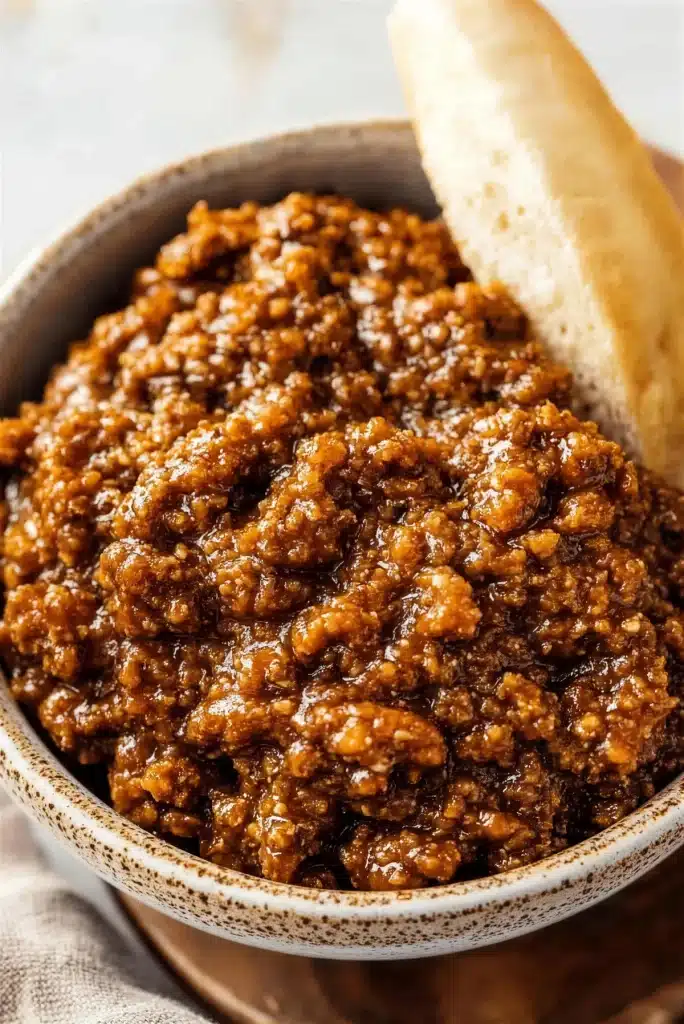
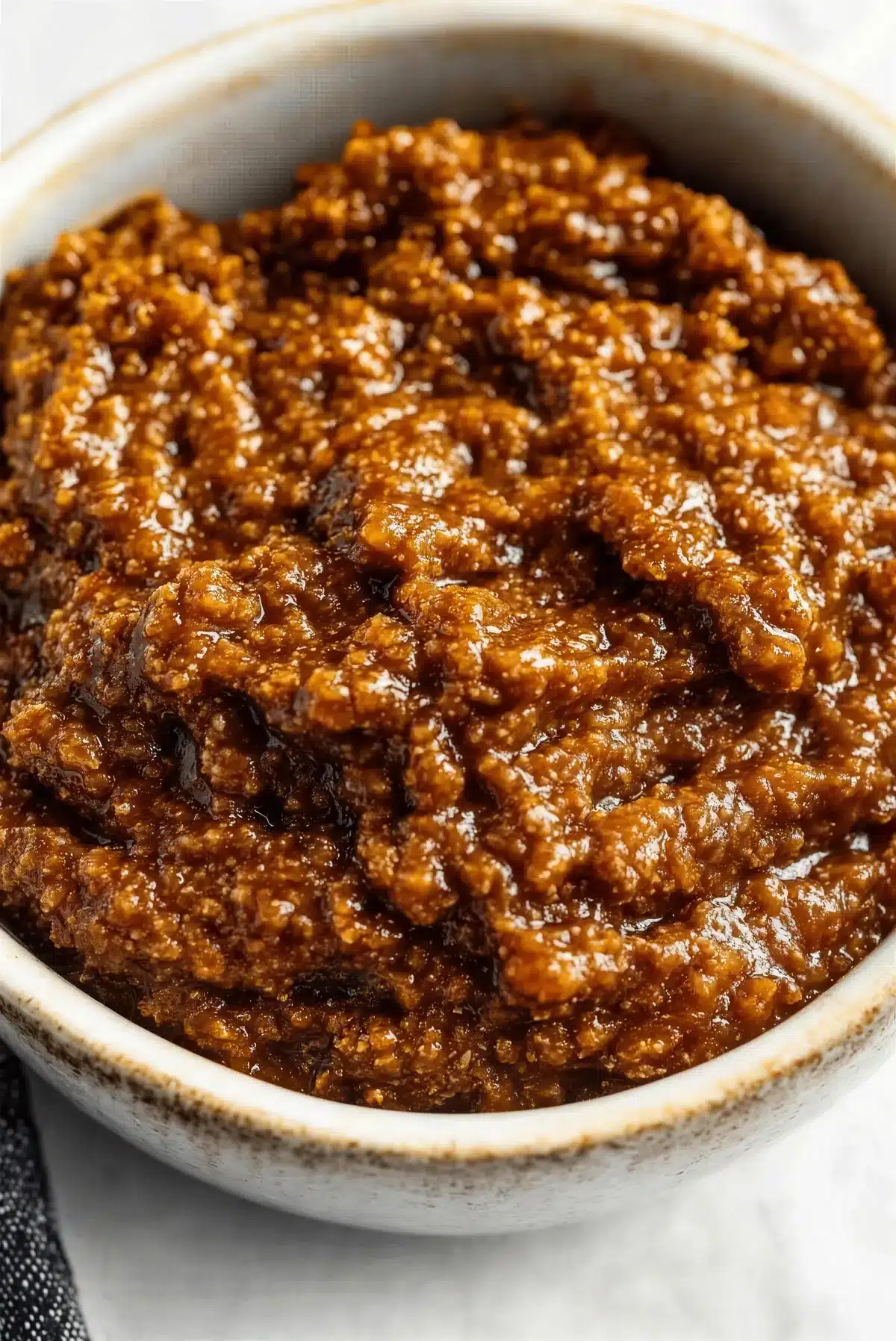
- Fine and spoonable rather than crumbly, which is the whole difference
- Two pounds of ground beef tops sixteen hot dogs for about eight dollars
- One pot, one hour, and forty-five minutes of that is unattended
- The spice blend is a pantry list, with no chili packet involved
- It freezes in flat bags for three months and reheats in a pan
- Better on the second day, so it is built for a party you are hosting tomorrow

Neither Guy Fieri nor any restaurant is affiliated with this recipe or this site.
What Coney Sauce Actually Is
Coney sauce is not chili. That is the single most useful thing to know before you start, and it explains almost every decision in the method.
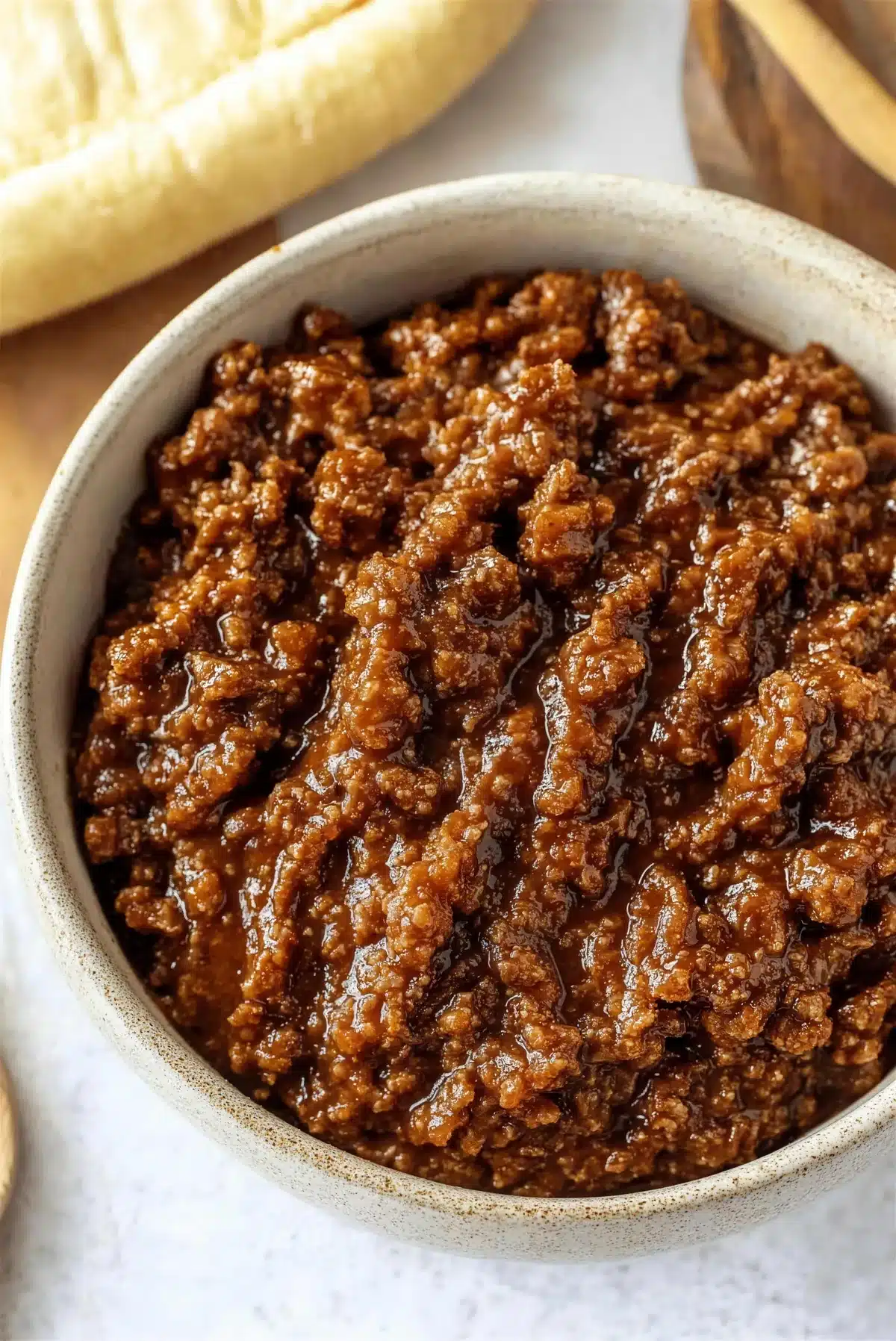
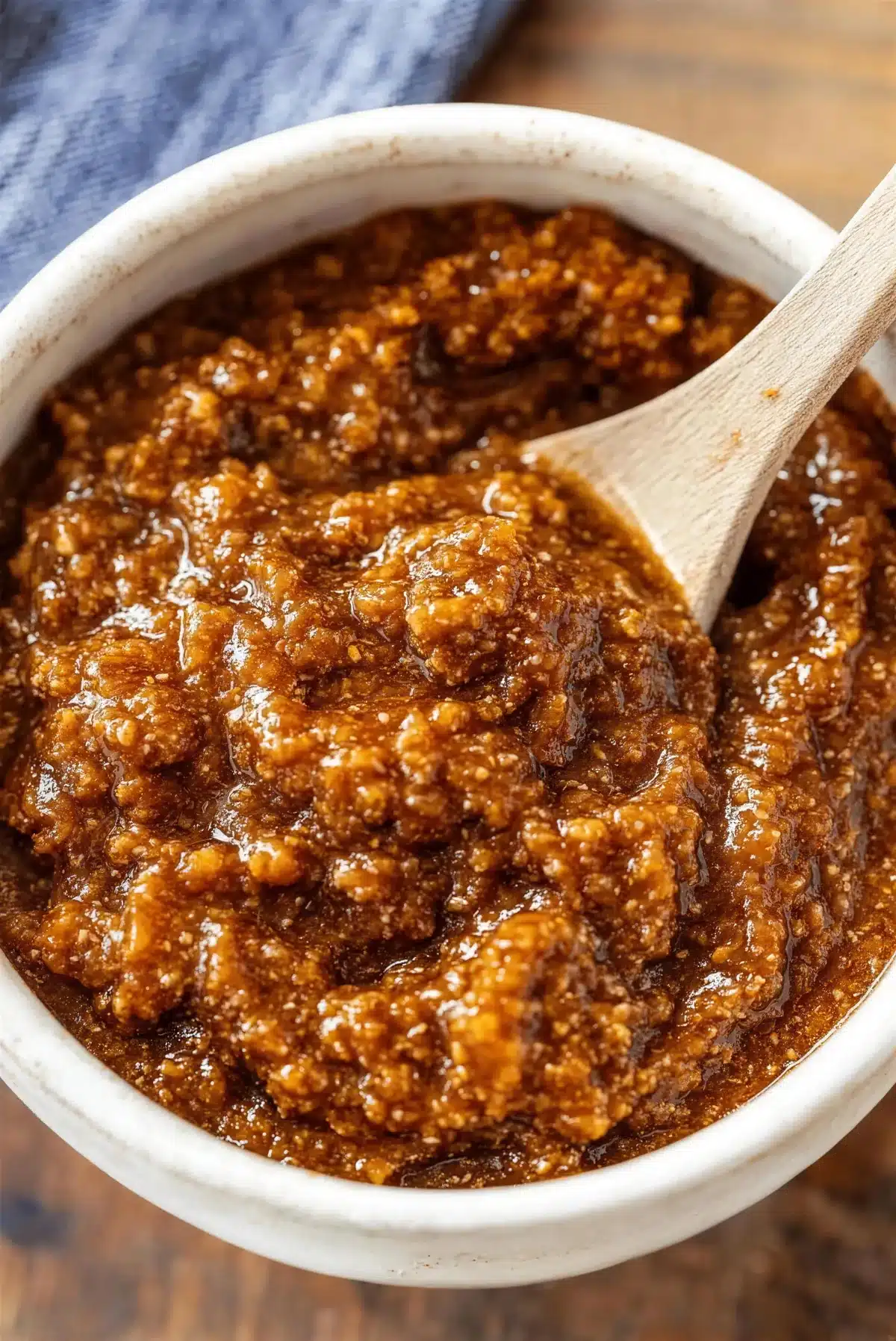
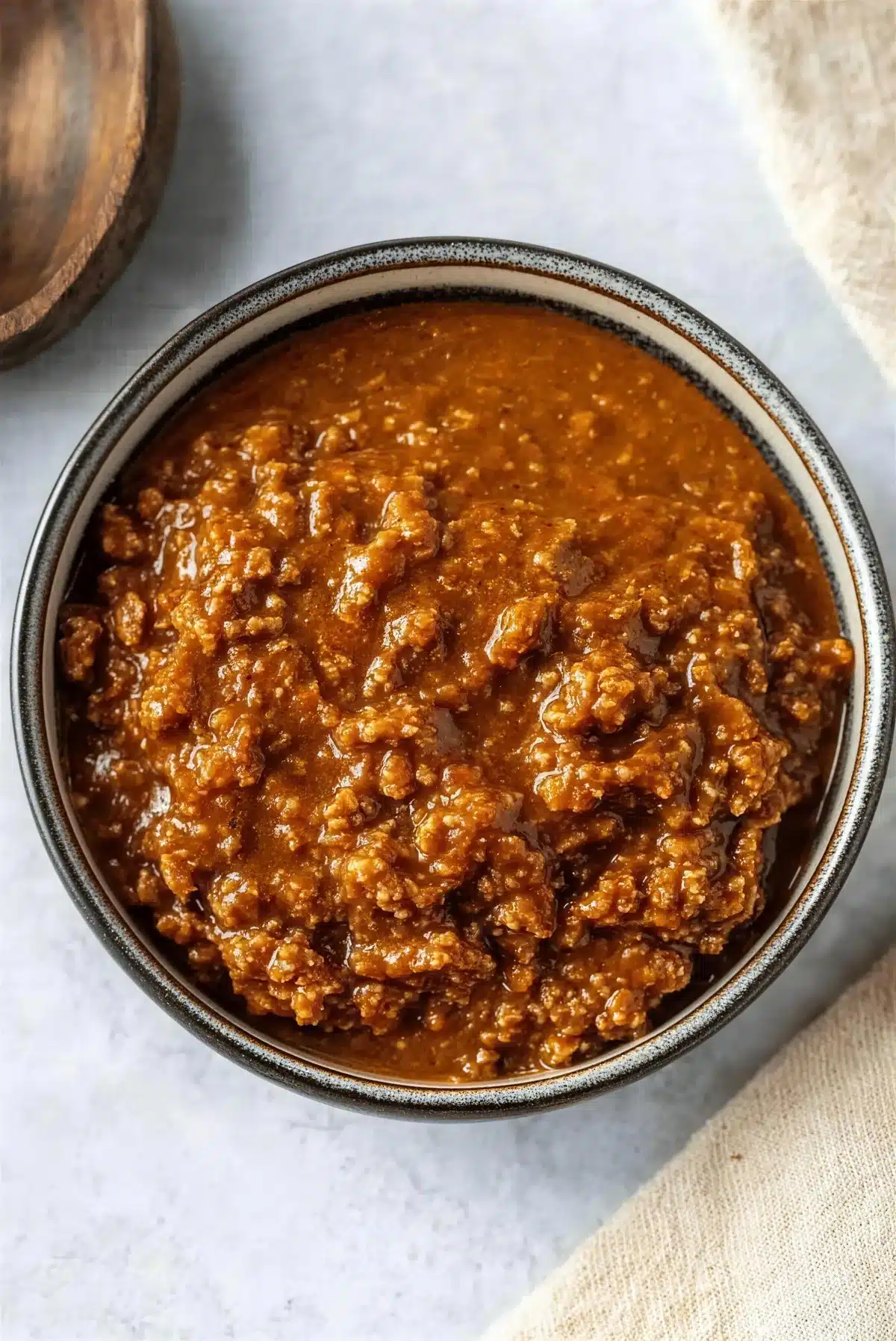
Chili has texture on purpose: beans, chunks, browned crumbles. Coney sauce is the opposite. It is a smooth, loose, spiced meat topping ground so fine that it sits on a hot dog like a thick gravy with grain in it, and it never sets up firm enough to hold a shape.
You get there by adding the raw ground beef straight into the bloomed spices and mashing it apart in liquid rather than searing it. No browning, no draining, no crumbles.
The other marker is what is missing. There are no beans in a coney sauce, and there is very little tomato: a spoonful of paste for color and depth, not a can. Sauces that lean on ketchup end up sweet, which is a different regional style altogether.
Save this recipe
Enter your email and I’ll send this recipe straight to your inbox.
Is There a Real Guy Fieri Recipe?
Not for coney sauce, as far as I can find. What he has published is Hot Wieners Rhode Island Style, a New York System sauce, and it is genuinely his.
His version starts with margarine and minced onion, then chili powder, paprika, allspice, curry powder, dry mustard and cinnamon go in before any meat. The ground beef follows, gets a splash of water, and simmers about half an hour. It is served with more raw onion, yellow mustard and a shake of celery salt.
That build is the reason this page exists in the form it does. Bloom the spices in fat, add the beef raw, simmer it loose: those three moves are exactly what a good Detroit coney sauce needs, and most published recipes skip all three.
So what you have below is his method pointed at a different city. The cinnamon and allspice stay because they belong in both. Curry powder comes out, cumin goes in, and a little tomato paste arrives, because that is what makes it read as a coney rather than a wiener.
Ingredient Notes
Nothing here is unusual, though the spice list is longer than you might expect. Exact amounts are on the recipe card.
- Ground beef: two pounds of 80/20. Leaner beef gives a dry, sandy topping, and you are not draining the fat off anyway.
- Butter: two tablespoons, which is what the spices bloom in. Guy uses margarine; butter tastes better and behaves the same.
- Onion: one large, minced small, and half of it stays raw for the top. Raw onion on the finished dog is not optional in Detroit.
- Chili powder and paprika: the backbone. Use a chili powder you like on its own, because there is nothing to hide behind here.
- Cinnamon and allspice: a quarter teaspoon each. You should not be able to name them; you should only notice if they are gone.
- Beef broth: a cup and a half. This is the liquid the beef breaks apart in, and it is why the texture comes out fine.
- Tomato paste: a third of a cup, no more. Enough for color and depth without turning it into a pasta sauce.
- Celery salt: both in the pot and shaken over the finished dog, which is the flavor people cannot place.
Mince the onion much finer than feels reasonable. Anything you can identify with a fork in the finished coney sauce is too big.
Detroit, Flint or Rhode Island?
These are three different sauces and people are passionate about the differences, so it is worth a minute.
Detroit is the loose, wet, finely ground style this recipe is aiming at. It is spooned over a natural casing dog with yellow mustard and diced raw onion, and it slumps.
Flint, an hour north, is dry. The meat is cooked down until the sauce barely holds together, and it sits on the dog in a crumbly heap rather than a puddle. Same seasonings, opposite texture.
Rhode Island hot wiener sauce, the style Guy Fieri actually published, is finer still, sweeter with the cinnamon forward, and has no tomato at all. The dog is small, the bun is steamed, and celery salt goes over the top.
If you want the Flint version from this recipe, simmer it another twenty minutes uncovered until the liquid is gone. That is the entire difference.
How To Make Coney Sauce
Have everything measured before the butter goes in, because the first two minutes move quickly and burnt chili powder cannot be rescued.
- First, melt the butter over medium heat and cook half the minced onion until it turns translucent, about five minutes. Do not let it brown.
- Next, add the garlic and every dry spice at once and stir for one minute, until the whole pot smells like a ballpark.
- Then add the ground beef raw and immediately start breaking it apart, working it into the spiced butter with the back of a wooden spoon or a potato masher until there are no clumps left.
- After that, pour in the broth, the tomato paste, the Worcestershire, the yellow mustard, the salt and the celery salt, and bring it to a bare simmer.
- Finally, simmer uncovered for 45 to 60 minutes, stirring every so often, until the coney sauce mounds on a spoon instead of running off it.
Why You Never Brown the Beef
Browning is how you make a crumb. Heat drives water out of the surface of a piece of ground beef, the proteins knit together, and you get firm little nuggets that stay separate no matter how long they cook.
Adding the beef raw into fat and then liquid does the opposite. The meat never sets, so it keeps breaking down as it simmers, and the fat and the starch from the paste emulsify into the broth. That is why a proper coney sauce clings to a hot dog rather than rolling off it.
It also means the fat stays in. It is doing real work here, carrying the fat-soluble spice flavors, so resist the urge to spoon it off.
How To Tell When Coney Sauce Is Done
Drag a spoon through the pot. The track it leaves should close slowly rather than snapping shut behind the spoon or staying open like a canyon.
On the plate, the test is simpler: a spoonful should slump gently on a hot dog and stay put. If it runs into the bun and soaks it, give it another ten minutes.
For food safety the number is easy. Illinois Extension puts the safe internal temperature for ground beef at 160 degrees Fahrenheit, which a 45-minute simmer clears comfortably. The long cook is about texture, not safety.
Taste it at 45 minutes and again at 60. Salt reads differently as liquid leaves, and a pot that tasted right early will often taste sharp once it has reduced.
Make It Ahead
Coney sauce is genuinely better on day two, which almost nothing else on a cookout table can claim.
The spices need time to move through the fat and the meat, and a batch made the night before tastes rounder and less dusty. Make it Saturday, feed people Sunday.
Cool it quickly in a wide dish rather than the pot, then refrigerate. A deep pot of hot meat sauce takes hours to come down through the temperature range you do not want it sitting in.
Reheat gently with a splash of water or broth, because it thickens noticeably in the refrigerator and will look far too stiff straight from the tub.
Storing and Reheating Coney Sauce
- Refrigerator: up to 4 days in a sealed container, cooled quickly first.
- Freezer: 3 months. Flat freezer bags stack better and thaw in a fraction of the time a tub does.
- Thawing: overnight in the refrigerator, or straight into a low pan from frozen with a little water.
- Reheating: a covered pan over low heat with a splash of broth, stirred often. The microwave splits the fat out.
- Portion first: freeze it in two-cup blocks, since one block is enough for four hot dogs and nobody needs to defrost the lot.
Label the bags with the date. Cooked ground beef all looks the same at the bottom of a freezer in February.
Variations and Substitutions
The technique is fixed. The seasoning is where you have room.
- Flint style: simmer another twenty minutes until dry, so it heaps rather than slumps.
- Hotter: a chopped chipotle in adobo, or half a teaspoon of cayenne with the other spices.
- Beef heart: the traditional Detroit addition, a quarter pound ground with the beef. It tastes richer and not remotely like offal.
- Turkey: works if you add an extra tablespoon of butter, since there is no fat in it to carry the spices.
- Slow cooker: bloom the spices and break up the beef on the stove first, then four hours on low with the lid off for the last hour.
- No tomato: leave the paste out entirely and you are most of the way to the Rhode Island version.
What to Serve with Coney Sauce
It is rich and soft and salty, so everything alongside it should be sharp or crunchy.
- Natural casing hot dogs in soft steamed buns, with yellow mustard and raw onion. That is the classic, and it is classic for a reason.
- Over fries, which is the second most common use and arguably the better one.
- A jar of pickled vegetables on the table, because acid is what keeps a plate of this from feeling heavy.
- Something else off the grill for people who want a change, such as a roasted pepper turkey burger.
- Spooned over a chili cornbread casserole, or turned into a pot of cheeseburger soup the following week.
Here is what readers ask most often.
Coney Sauce FAQ
Frequently Asked Questions
What is coney sauce made of?
Ground beef, fat, a spice blend and liquid, in that order of importance. The blend is usually chili powder, paprika, cumin, dry mustard and small amounts of cinnamon and allspice, with celery salt somewhere in the mix. There is a little tomato paste for color and depth, and there are never beans. What makes it a coney sauce rather than chili is the texture: the beef goes in raw and is mashed fine so the finished sauce is loose enough to spoon over a hot dog.
Is coney sauce the same as chili?
No. Chili is a dish you eat with a spoon and it has chunks, beans or both. Coney sauce is a topping with no beans, a much finer grain and a looser consistency, and it is seasoned quite differently, with warm spices like cinnamon and allspice doing work that no bowl of Texas chili would ask of them.
Do you brown the meat for coney sauce?
No, and this is the step nearly every recipe gets wrong. Browning sets the proteins into firm crumbles that will not break down again. Add the raw beef to the bloomed spices, break it apart with a masher, then add liquid and simmer. It stays fine and soft the whole way through.
How long should coney sauce simmer?
Between 45 and 60 minutes uncovered, until a spoon drawn through it leaves a track that closes slowly. Less than that and it soaks the bun; much more and you have drifted into the drier Flint style, which is a fine thing to want but a different thing.
More Questions About Beef and Spices
Good to Know
Can I use lean ground beef?
You can, but add two extra tablespoons of butter or a spoonful of oil. The fat is not waste here; it carries the fat-soluble spice compounds and it is what makes the finished topping cling to a hot dog instead of sliding off. With 93/7 beef and no added fat the result tastes dusty.
Why is there cinnamon in it?
Because Greek immigrant cooks brought it, and it stuck. Every serious regional version of this sauce, Detroit, Flint and Rhode Island alike, carries a small amount of cinnamon and often allspice. Used at a quarter teaspoon across two pounds of beef it is not identifiable as cinnamon; it just makes the whole pot taste finished.
How many hot dogs does one batch cover?
About sixteen, generously, from two pounds of beef. Over fries it stretches less far, so plan on a third of a cup a portion either way and make the full batch regardless, since it freezes so well.
Can I make it in advance for a party?
You should. It is better the next day, it holds four days in the refrigerator, and it sits happily in a slow cooker on warm for a couple of hours with a lid on. Stir a splash of broth through before serving to loosen it back up.
Make it the day before, mash the beef finer than you think you should, and put a bowl of raw onion on the table. For the same spice cabinet in a different form, try my chili cornbread casserole.
Coney Sauce (Guy Fieri Copycat)
Save this recipe
Enter your email and I’ll send this recipe straight to your inbox.
Ingredients
For the Spice Base
- 2 tablespoons unsalted butter
- 1 large yellow onion minced very fine, divided
- 3 tablespoons chili powder one you would happily taste on its own
- 1 tablespoon sweet paprika
- 2 teaspoons ground cumin
- 2 teaspoons dry mustard
- 4 cloves garlic minced
- 1/4 teaspoon ground allspice
- 1/4 teaspoon ground cinnamon you should not be able to name it in the finished pot
For the Sauce
- 2 pounds ground beef 80/20, added raw and never browned
- 1 1/2 cups beef broth plus more if it tightens too early
- 1/3 cup tomato paste
- 2 tablespoons Worcestershire sauce
- 1 tablespoon yellow mustard plus more for serving
- 2 teaspoons kosher salt taste again after it reduces
- 1 teaspoon celery salt plus a shake over each finished dog
To Serve
- 16 natural casing hot dogs
- 16 soft hot dog buns steamed, not toasted
- 1/2 cup finely diced white onion the reserved raw half
Equipment
- Large skillet
- Medium saucepan
- Wooden spoon or spatula
- Measuring cups
- Measuring spoons
Instructions
Bloom the Spices
- First, melt the butter in a wide pot over medium heat and cook half the minced onion for about 5 minutes, until it is translucent. Do not let it take any color.
- Next, add the garlic, chili powder, paprika, cumin, dry mustard, allspice and cinnamon all at once and stir for one minute, until the pot smells like a ballpark. Burnt chili powder cannot be rescued, so keep it moving.
Break Up the Beef
- Then add the ground beef raw and immediately start working it apart with a stiff potato masher or the back of a wooden spoon, pressing it into the spiced butter until there is not a clump left. Do not brown it and do not drain it.
- After that, pour in the beef broth, tomato paste, Worcestershire, yellow mustard, kosher salt and celery salt, and stir until the paste has dissolved and the pot looks loose and soupy.
Simmer and Build the Dogs
- Bring it to a bare simmer and cook uncovered for 45 to 60 minutes, stirring every ten minutes, until a spoon drawn through the pot leaves a track that closes slowly. Taste for salt at 45 minutes and again at the end.
- Finally, steam the hot dogs and the buns until the bread is soft, lay a dog in each bun, spoon the sauce over the top and finish with a stripe of yellow mustard, the reserved raw onion and a shake of celery salt.
Great recipe. I made according to recipe without any changes. The taste was wonderful. It reminded me of A&W coney’s in the 70’s. I froze in 1/3 C servings and had 9 servings to freeze plus 1/2 C for dinner last night and tonight. Definitely will be my new coney sauce recipe. 5 * rating
Connie, this made my day — thank you so much! I love that it brought back those A&W memories from the 70s, that is exactly the kind of nostalgia I was going for when I put this together. And how smart of you to portion it out into 1/3 cup servings for the freezer; that is such a great idea and now you have coney sauce ready to go whenever the craving hits. So glad it’s earned a permanent spot in your recipe rotation!
Thank you for this recipe, it’s SO good! I followed your suggestions and used brown sugar, a spoonful of my homemade hot sauce, oregano, thyme, and smoked paprika. I also added some garlic powder. I have a sweet potato baking and when it’s done I will slice it open and add this sauce to the top. This recipe is definitely a keeper!
Wendy, oh my goodness, your version sounds absolutely incredible! Brown sugar, homemade hot sauce, and smoked paprika together, that’s a flavor combination I need to try myself. And spooning it over a baked sweet potato is such a genius move, the sweetness of the potato with that tangy, smoky sauce sounds like a perfect match. So glad you made it your own and that it’s a keeper!