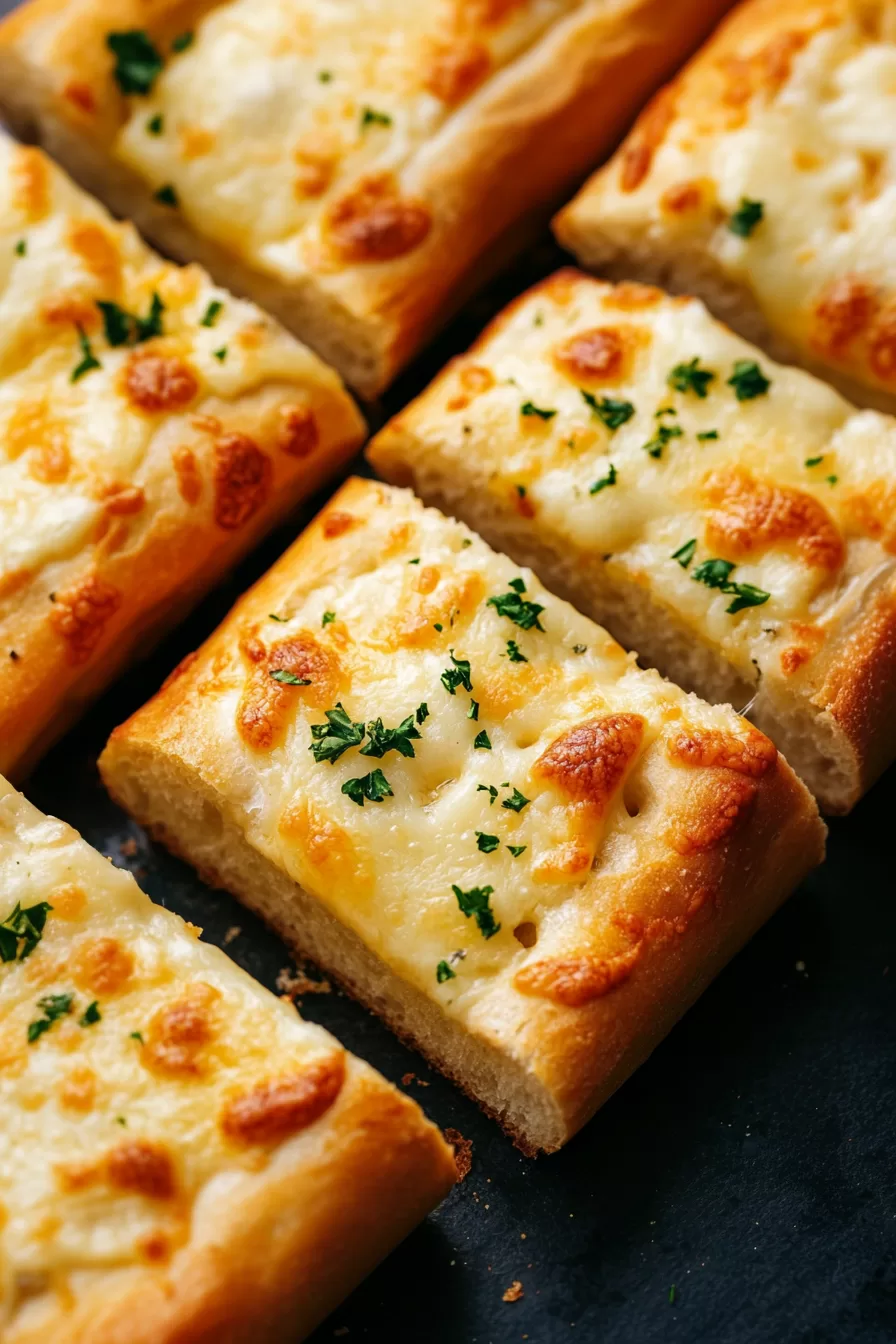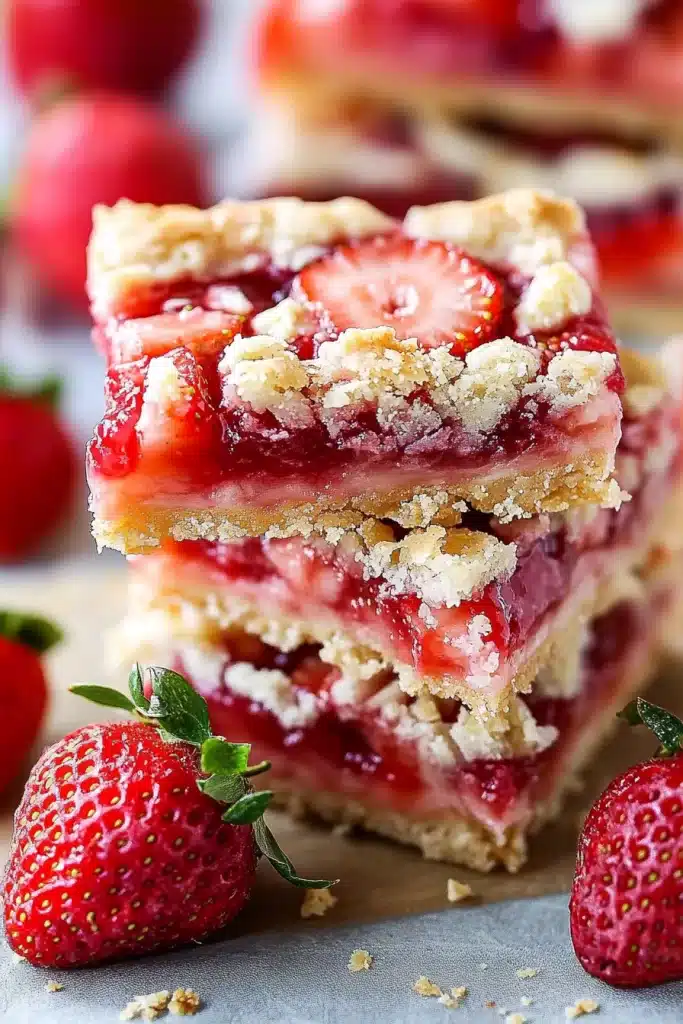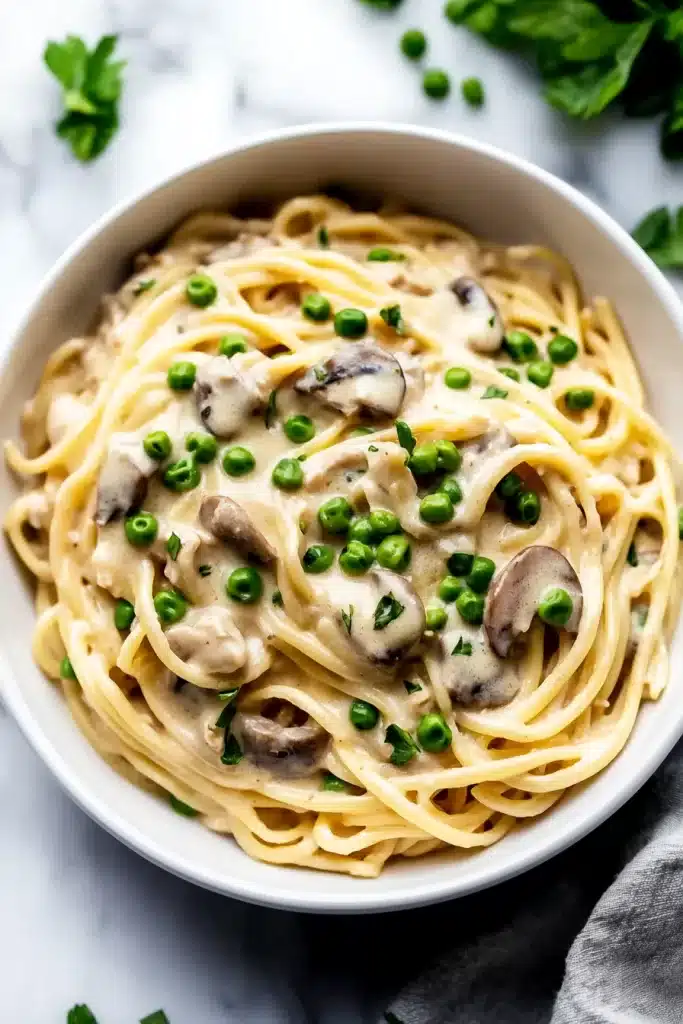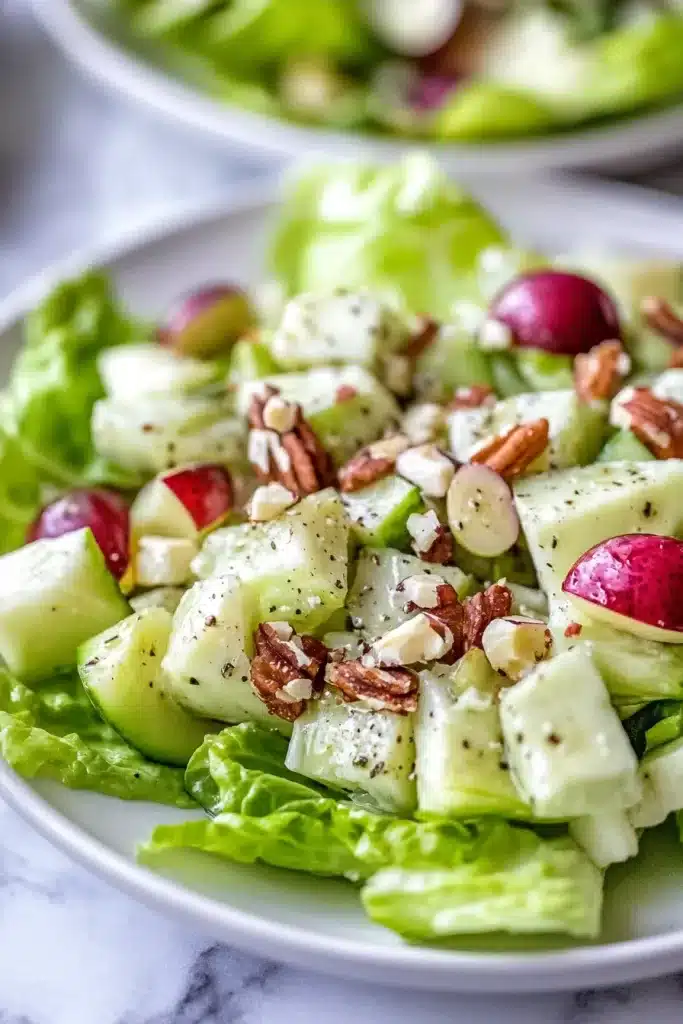



Get 5 recipes to simplify your life:

easy, delicious, real food recipes

Latest Recipes

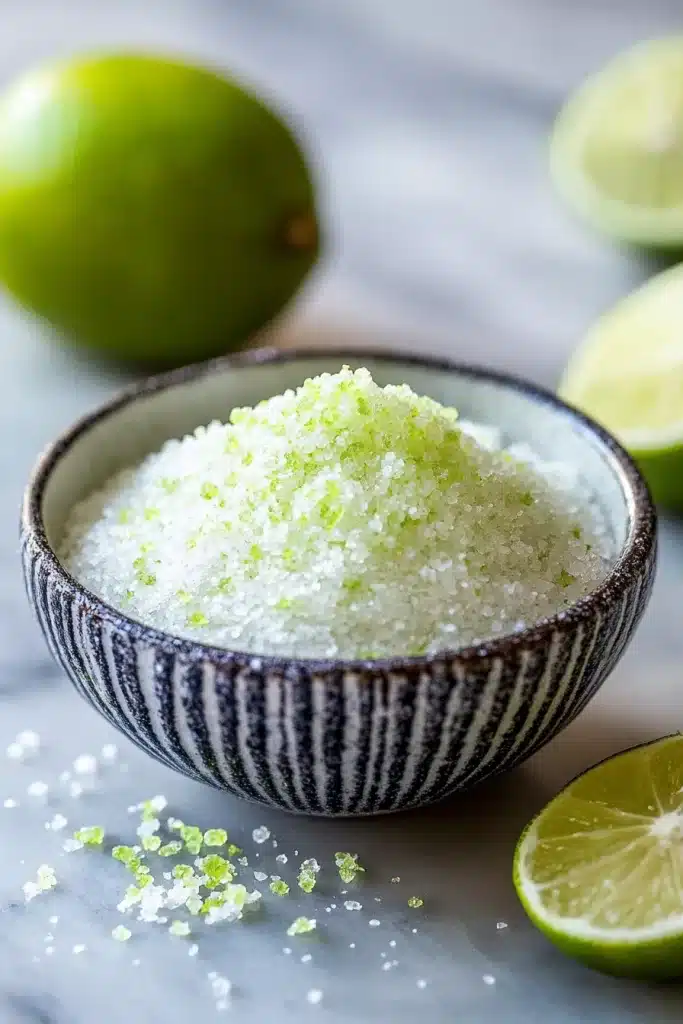
Bright and zesty, this lime salt brings a citrusy punch to your favorite dishes using just coarse sea salt and fresh lime zest. It’s got that tart nose-tingling aroma that’ll make you want to sprinkle it on everything from tacos to popcorn.

A quick bake in the oven is all it takes, and suddenly your kitchen smells like a tropical breeze smacking into the edge of a margarita glass. The texture? Crunchy and flaky, like it knows exactly how to sit on the rim of a cocktail or dust a juicy grilled steak. Welcome to a five-minute flavor upgrade.

So here’s the whole scoop: lime salt is what you make when you want something unfussy but still feels—fancy? And sneaky-versatile too. It perks up roasted veggies, takes grilled meats to another level of “oh hey now,” and honestly? It even makes snack bowls sing a little. The process is wildly simple, borderline too easy, which makes this one of those little pantry cheats I keep going back to.

Table of Contents

Lime Salt

Why You’ll Love this Lime Salt

We’re not reinventing the wheel here. But this lime salt recipe is such a no-brainer flavor bomb, it’s worth keeping in regular rotation. Think finishing touch, not fussy garnish.

  • Ridiculously simple to make: You’re literally just zesting, mixing, and baking. That’s it. Bonus: your kitchen smells like summer.
  • Big payoff for tiny effort: A single lime and some coarse salt? Somehow they turn into magic.
  • Keeps forever (basically): It’ll hang out in your pantry for weeks, just getting zestier by the day.
  • Adds zippy flair to anything: Sprinkle it on fruit, fish, eggs, or yes, even the rim of your cocktail.
  • Customizable in fun ways: Feeling rogue? Add chili flakes, crushed herbs, or even a little sugar for a sweet-sour twist.
  • No weird steps or tools: If you’ve got an oven and a zester, you’re already overqualified.

Lime Salt

Ingredient Notes

Not much to unpack here, but the quality of your two ingredients really does matter. Think of this as a minimalist dish with nowhere to hide—in a good way.

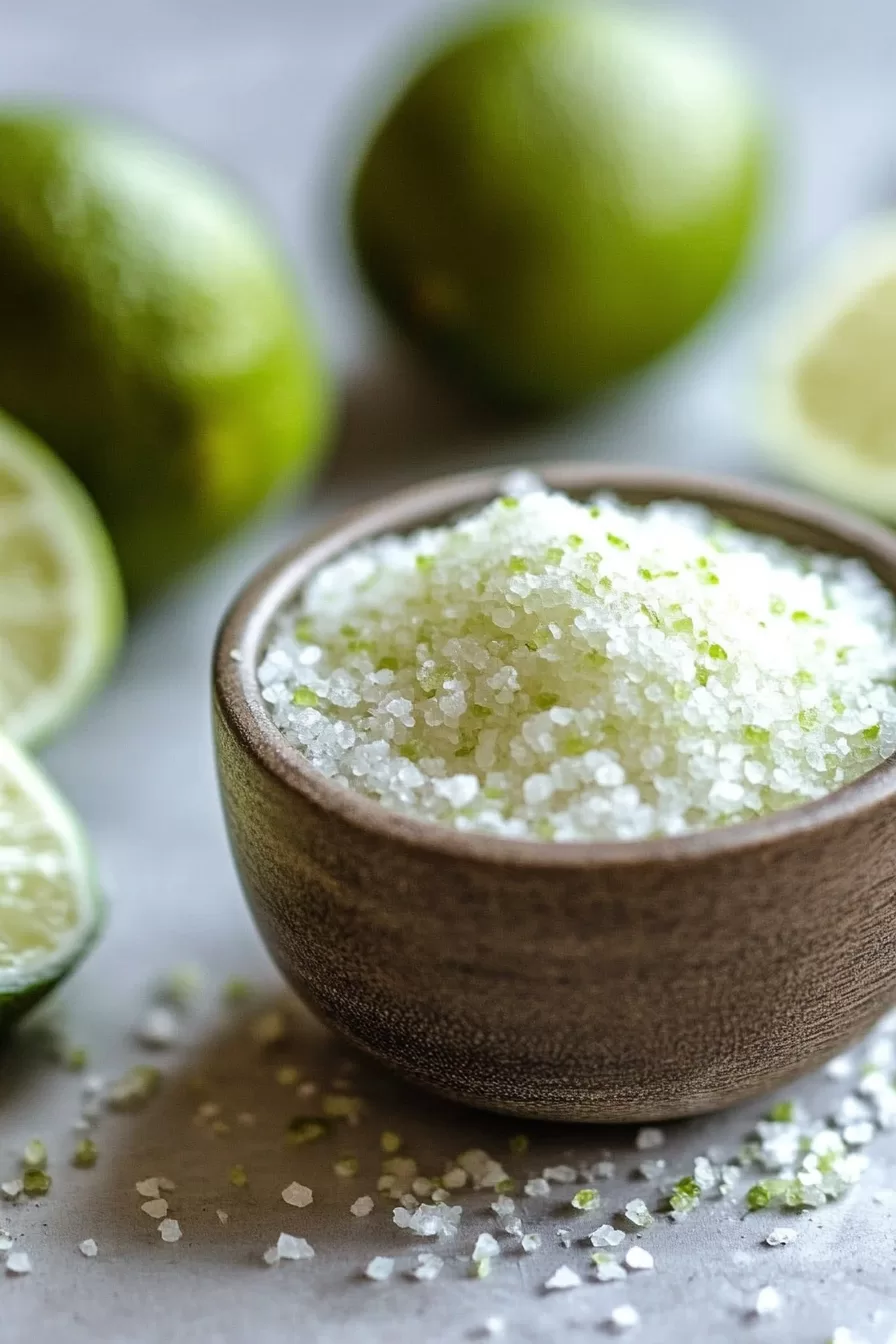
  • Coarse sea salt: Look for flaky or coarse sea salt (skip the fine stuff). The chunky texture helps the zest stick and gives a lovely crunch when sprinkled. Maldon or Celtic sea salt are great if you’re feeling bougie.
  • Freshly grated lime zest: You want the outer green part only—none of that bitter white pith. A microplane works best. Organic limes are worth it here since you’re eating the skin (literally).
Lime Salt

How To Make This Lime Salt

Alright, this is where things get really complicated. Just kidding—this might be the simplest flavor booster recipe in your entire culinary lineup. Let’s walk through it.

  • Preheat the oven: Set it to 225°F and let it do its thing while you zest and mix—low and slow keeps the lime oils fragrant without scorching them into bitterness.
  • Combine zest and salt: In a small bowl, toss your fresh lime zest into the sea salt and give it a thorough mix. Make sure all the little green flecks are evenly distributed—use your fingers if you’re feeling tactile.
  • Spread on a baking tray: Pour the mixture onto a parchment-lined or unlined metal tray (unfussy, remember?) and spread it out evenly. Aim for a thin, even layer so it all dries out evenly.
  • Bake until dry: Pop it in the oven for about 30 minutes. You’re not trying to brown it, just slowly dehydrate the zest—your nose will tell you when it’s ready (hello, lime-scented air).
  • Cool completely and store: Let the salt cool right on the tray—it crisps up a bit more as it cools. Once it’s completely dry, funnel it into an airtight jar. Label it if you must, or just stash it somewhere easy to grab.
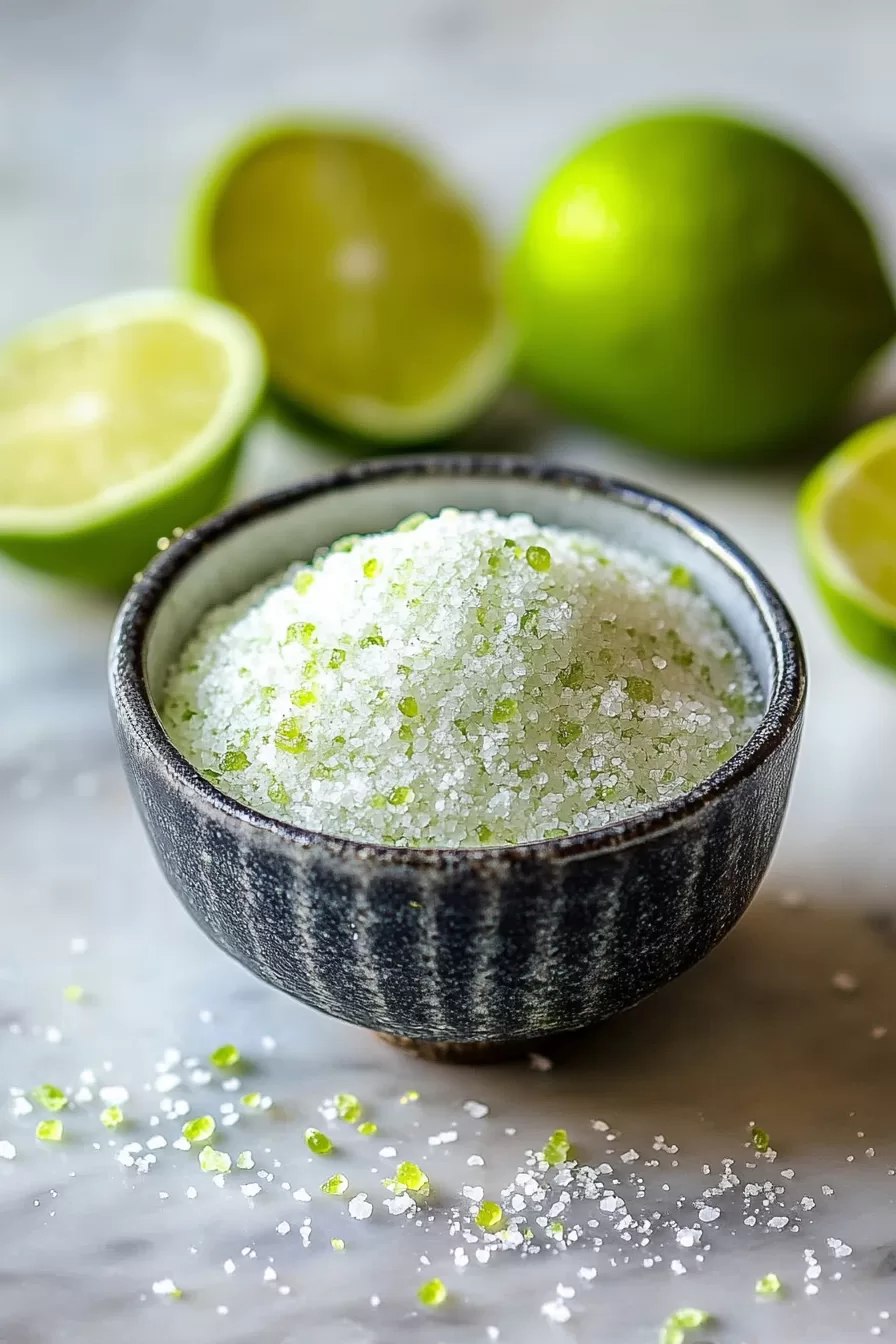
Lime Salt

Storage Options

Since this is essentially dried citrus and salt—which, spoiler alert, are both natural preservatives—you’ve got some wiggle room here.

Once it’s fully cooled and dry, store your lime salt in an airtight jar at room temperature. A glass spice jar, tiny Mason jar, or basically anything with a lid will do. If it clumps over time, no worries—just shake it up or give it a quick stir before using. It’ll still be punchy.

Refrigeration isn’t necessary, and I’d honestly avoid it since fridges can introduce moisture. And while technically freezable (hey, it’s salt, not ice cream), I wouldn’t head that route. The freezer can mess with the delicate oils from the zest and make the flavor fade. So skip it; pantry life is where this stuff thrives.

Variations and Substitutions

You’ve nailed the classic version—now let’s mess around a bit. Because lime salt is basically flavor confetti, and who doesn’t want more confetti in their kitchen?

  • Chili lime salt: Stir in a pinch of chili flakes or ground cayenne with the zest if you want heat alongside that citrus zing—perfect for elote or spicy margaritas.
  • Lemon or orange zest: Swap the lime for any citrus you like. Meyer lemon salt? Yes, please. Blood orange for a sweet twist? Go wild.
  • Pink Himalayan salt: Want to be extra fancy without trying too hard? Use Himalayan salt for a splash of soft color and mild mineral flavor.
  • Herb-infused: Mix in finely chopped rosemary or thyme before baking, especially if you’re planning to use the salt on roasted vegetables or grilled poultry.
  • Sweet citrus sugar-salt blend: Add a teaspoon of raw sugar along with the zest and salt—it’s incredible on fruit salads or even the rim of a tequila sunrise.
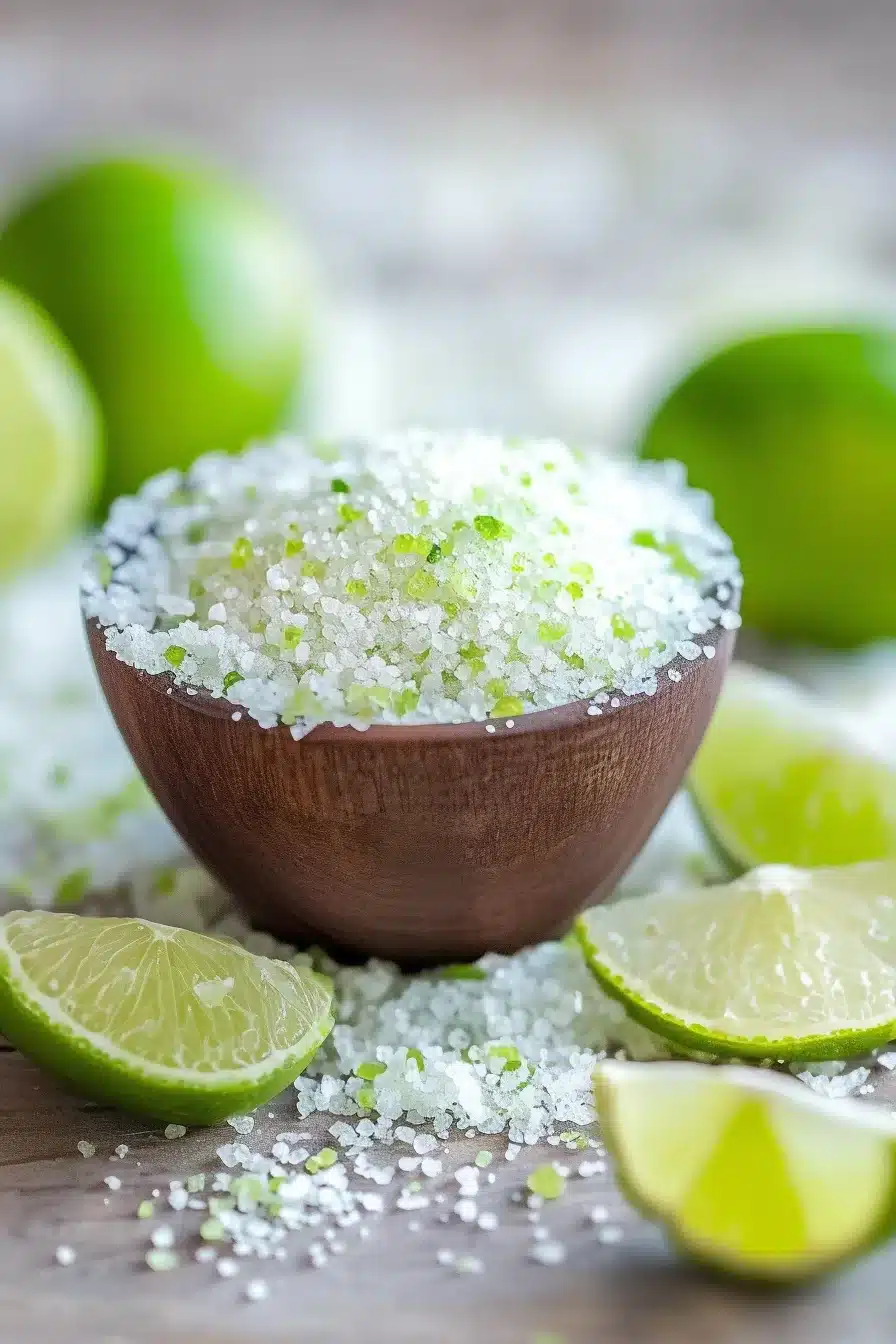
Lime Salt

What to Serve with Lime Salt

Lime salt kind of plays well with everything. It’s a bit of a chameleon—bright and bold, but still lets the main dish lead. Here are a few ideas to get you started.

  • Cuban black beans love a dusting of lime salt. It adds a tangy sparkle that lifts all the warm, earthy flavors without overpowering. Think of it like a squeeze of lime, in sprinkle form.
  • Use it to finish off grilled fish—seared cod, for example, is a dream pairing. It complements that caramelized, flaky texture with a kick of citrus brightness. It also brings out the leafy bitterness if you’re serving it with something like rainbow chard.
  • Dust a little onto the rim of your cocktail glass. Lime salt turns an average margarita into a top-shelf moment. You can even mix some into Bloody Mary rims for a citrusy surprise.
  • Roasted potatoes, sweet corn, or even avocado toast get a glow-up with a little lime salt on top. It just pops.
  • And don’t forget the snack scene—homemade tortilla chips, buttery popcorn, or even a platter of fruit slices (watermelon, mango, pineapple). Trust me on that last one.
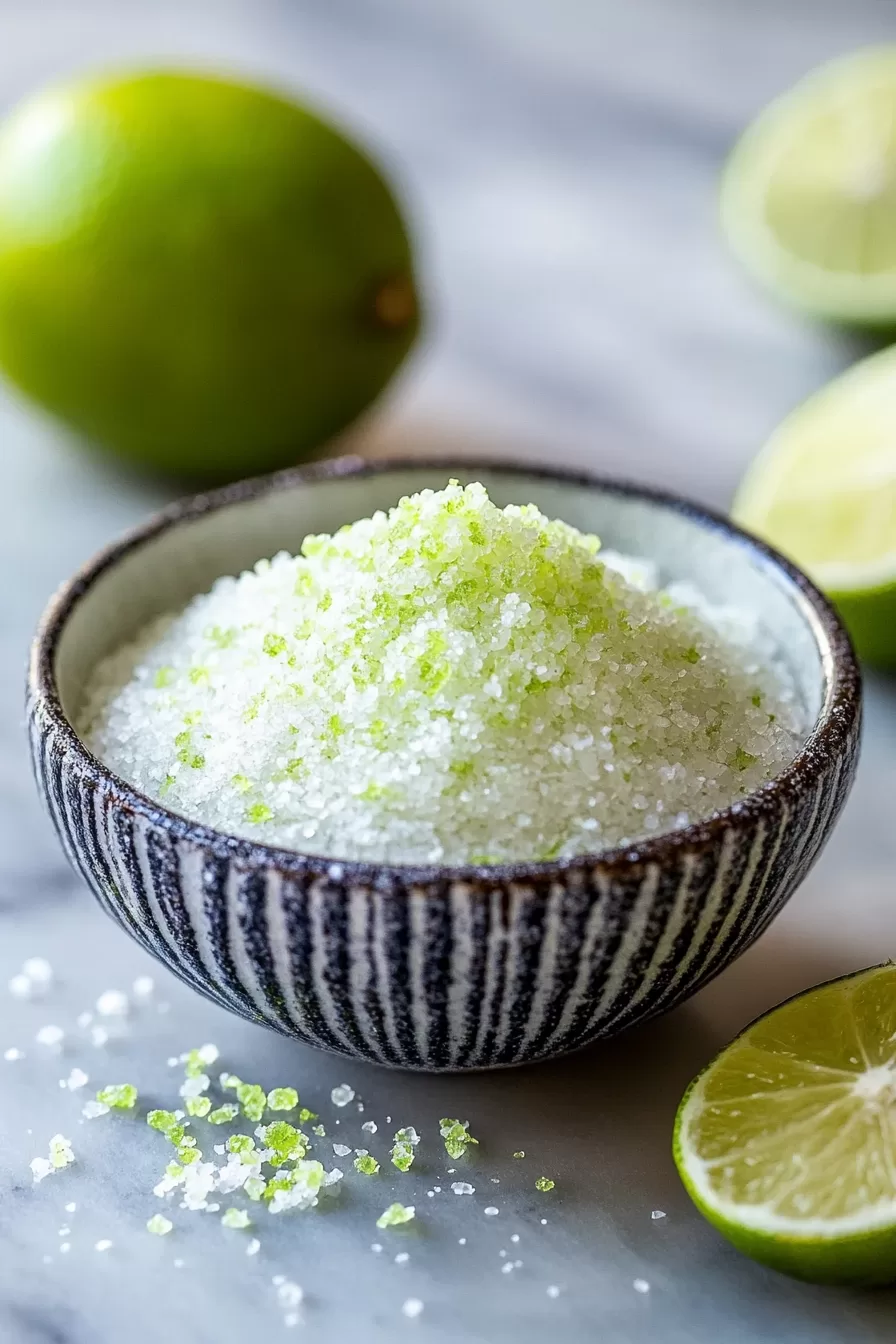
Lime Salt

Frequently Asked Questions

Can I use bottled lime juice or dried zest instead of fresh lime zest?

So here’s the thing: bottled lime juice won’t work here. You need the *zest*—that bright green outer layer that holds all those fragrant oils. Dried zest could work in a pinch, but it’s not nearly as punchy. Fresh lime zest really makes this sparkle, so try to stick with the real deal.

Does lime salt go bad? How long does it keep?

It won’t spoil in the traditional sense since salt is basically nature’s preservative. However, the lime flavor will fade over time. If stored in a dry, airtight container it should stay zesty for several weeks, maybe even a couple of months. Just open the jar and sniff—it’ll let you know if it’s still got the goods.

What type of salt works best for lime salt?

Go for coarse or flaky sea salt. You want noticeable texture and enough surface area for the zest to cling to. Fine salt tends to disappear into food with less drama, and we want *drama*—at least the good kind. Maldon, Celtic, or any coarse kosher-style salt is perfect here.

How can I use lime salt beyond margarita rims?

Oh yes, margaritas are just the beginning. Use it to finish grilled meats, sprinkle over roasted veggies, dust it on fresh fruit, or even jazz up your morning eggs. It also gives a citrusy lift to dishes like cranberry meatballs or spiced snacks. Anywhere you’d normally squeeze a lime? Try swapping for lime salt instead and see what happens.
Lime Salt

Lime Salt

Prep Time 5 minutes
Cook Time 30 minutes
Total Time 35 minutes
Bright and zesty, this lime salt brings a citrusy punch to your favorite dishes using just coarse sea salt and fresh lime zest. It's got that tart, nose-tingling aroma that'll have you wanting to sprinkle it on everything from tacos to popcorn. Easy to make and wildly versatile, this pantry upgrade will quickly become a kitchen staple!
1 jar

Ingredients

Lime Salt

  • 1 lime zest only, organic preferred
  • 1/2 cup (80 g) coarse sea salt flaky or coarse, such as Maldon or Celtic

Equipment

  • Microplane or fine grater
  • Oven
  • Baking tray
  • Parchment paper (optional)
  • Airtight jar

Instructions
 

  1. Preheat your oven to 225°F (110°C).
  2. Zest the lime, being careful to remove only the green outer layer and avoid the bitter white pith. A microplane works best for fine zesting.
  3. In a small bowl, combine the fresh lime zest with the sea salt. Mix thoroughly with your fingers to distribute the zest evenly throughout the salt.
  4. Spread the mixture evenly onto a parchment-lined (or unlined) baking tray in a thin layer.
  5. Bake for about 30 minutes, stirring halfway through. The goal is to dry out the zest without browning—your kitchen will smell fragrant and citrusy when it's done.
  6. Remove from the oven and let cool completely on the tray. The salt will crisp up a bit more as it cools.
  7. Once fully cooled and dry, transfer the lime salt to an airtight jar for storage. Label and store at room temperature.
Notes

Storage: Store in an airtight jar at room temp. It keeps for several weeks—just shake or stir if it clumps.
Customizations: Add chili flakes for chili lime salt, swap lime for other citrus zest, use pink Himalayan salt for color, add chopped herbs, or mix in a bit of sugar for sweet-sour flavor.
Serving Ideas: Use on margarita or cocktail rims, sprinkle on fresh fruit, finish grilled fish or meats, dust on roasted veggies, popcorn, potatoes, or even avocado toast.

Nutrition

Sodium: 18730mg | Potassium: 2mg | Vitamin A: 2IU | Vitamin C: 3mg | Calcium: 7mg | Iron: 0.1mg

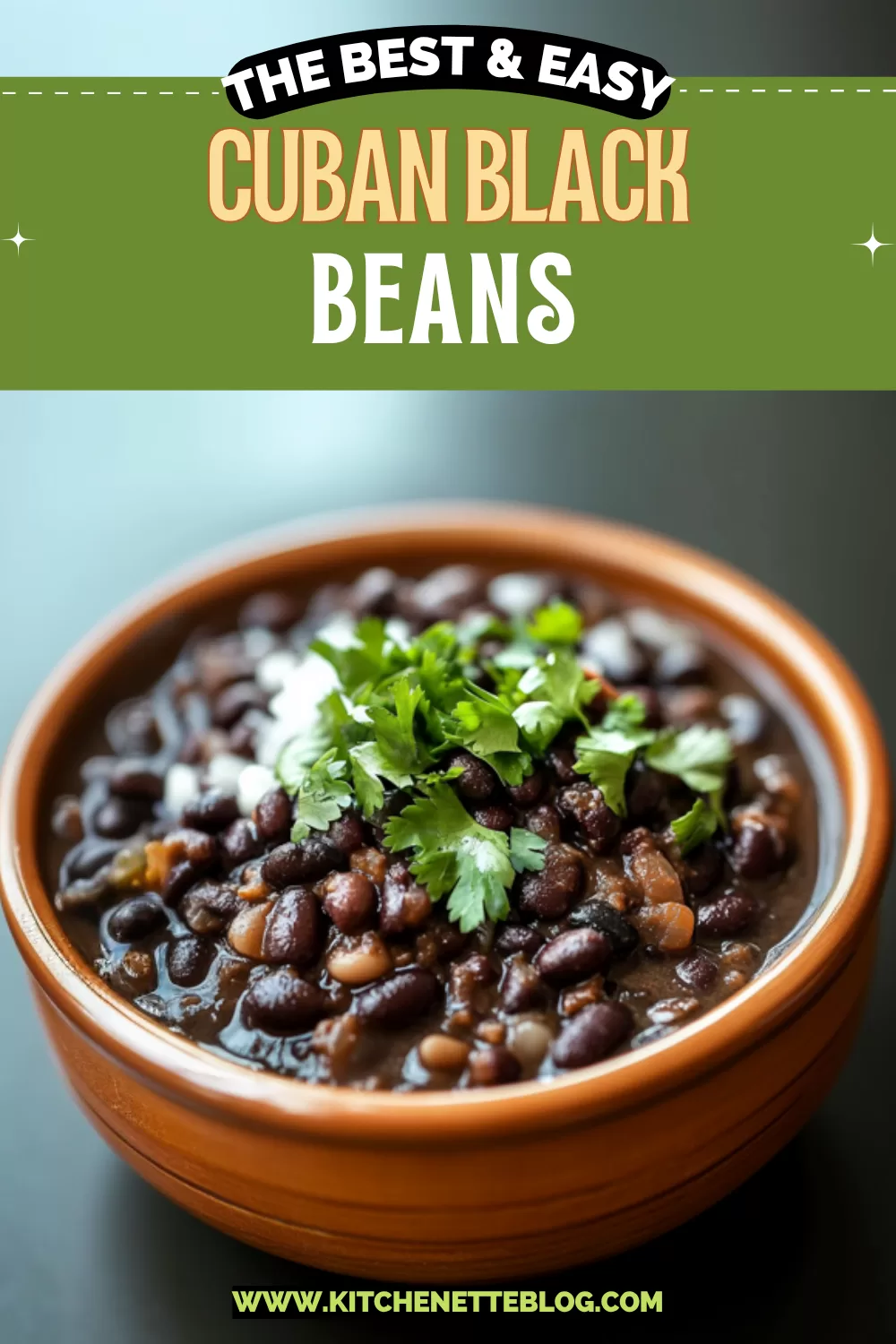
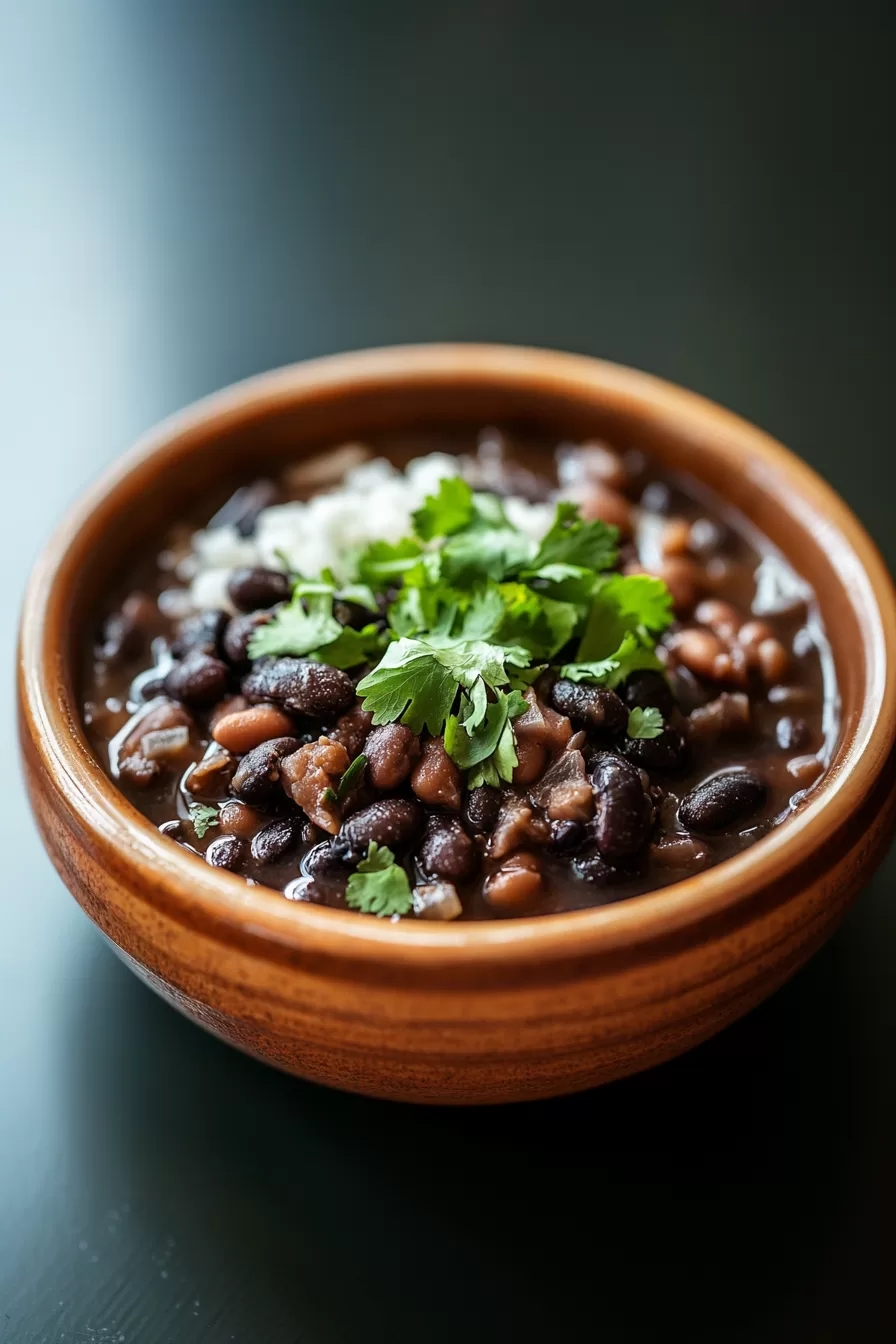
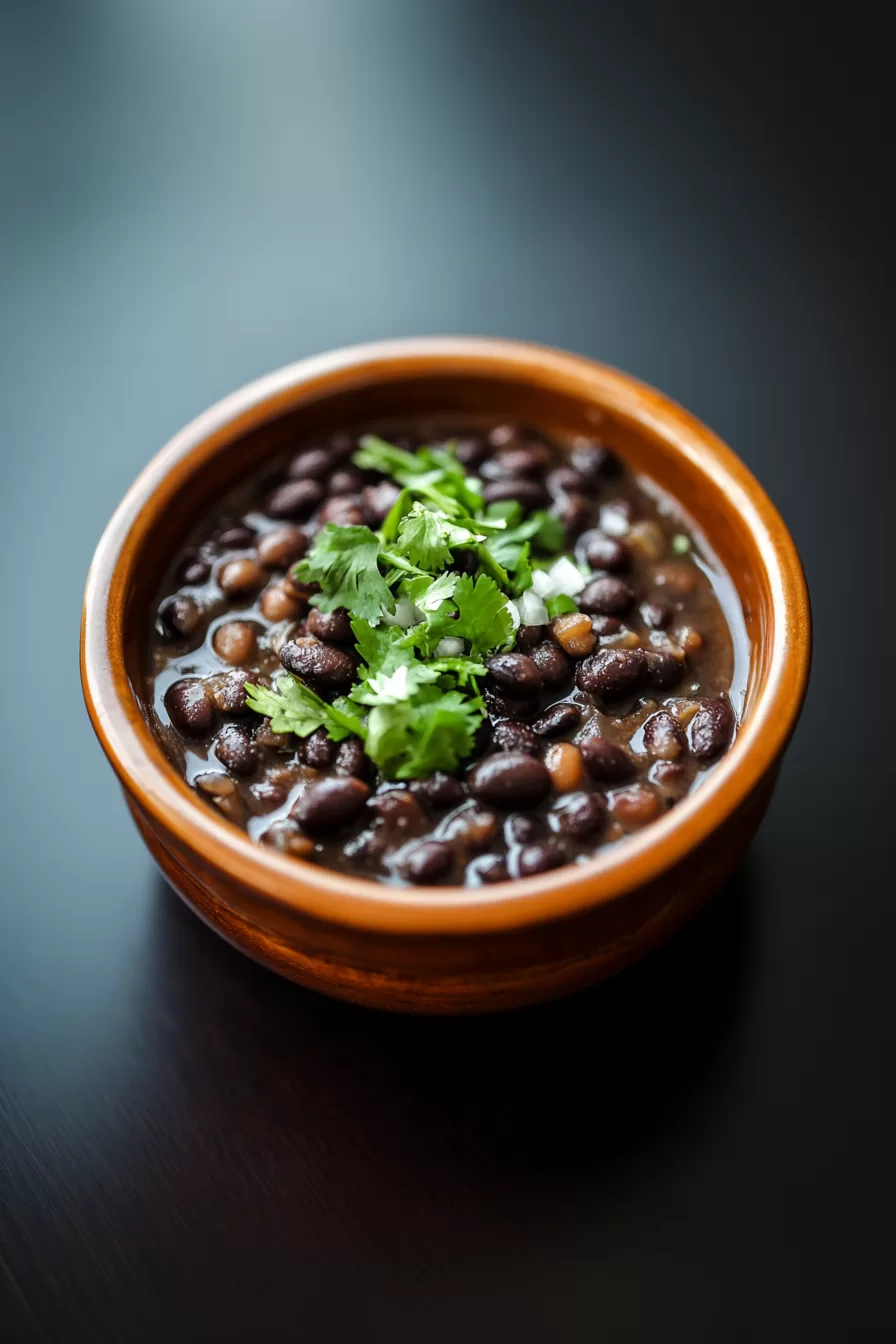
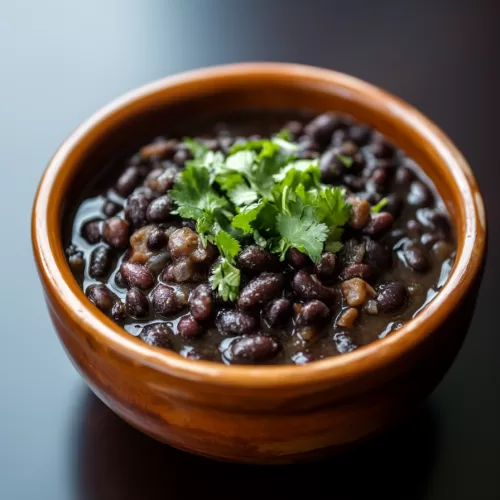
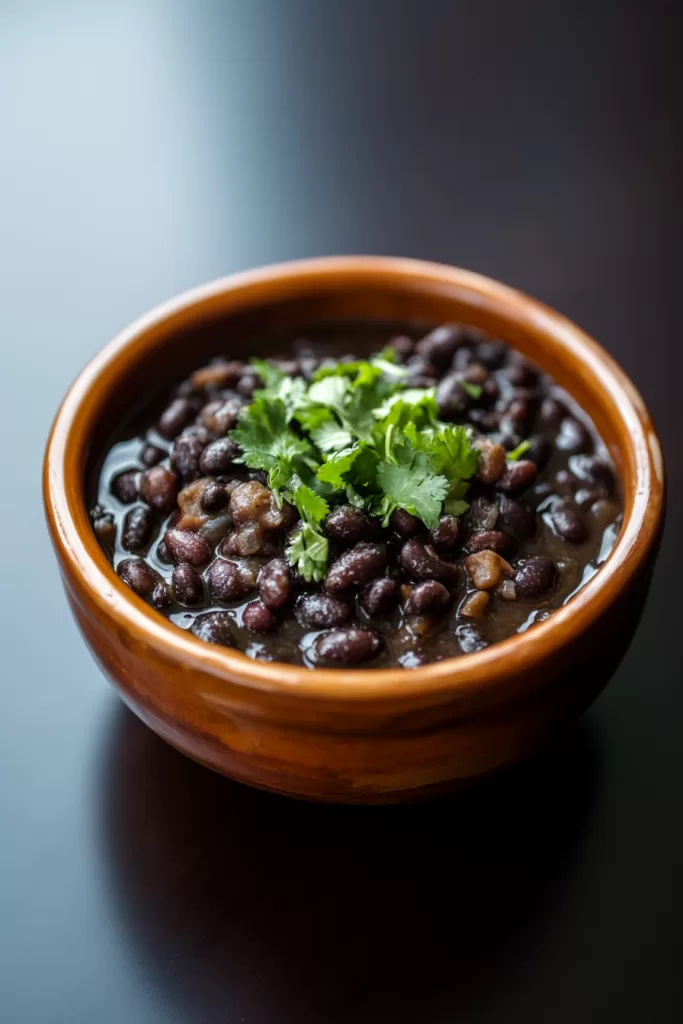
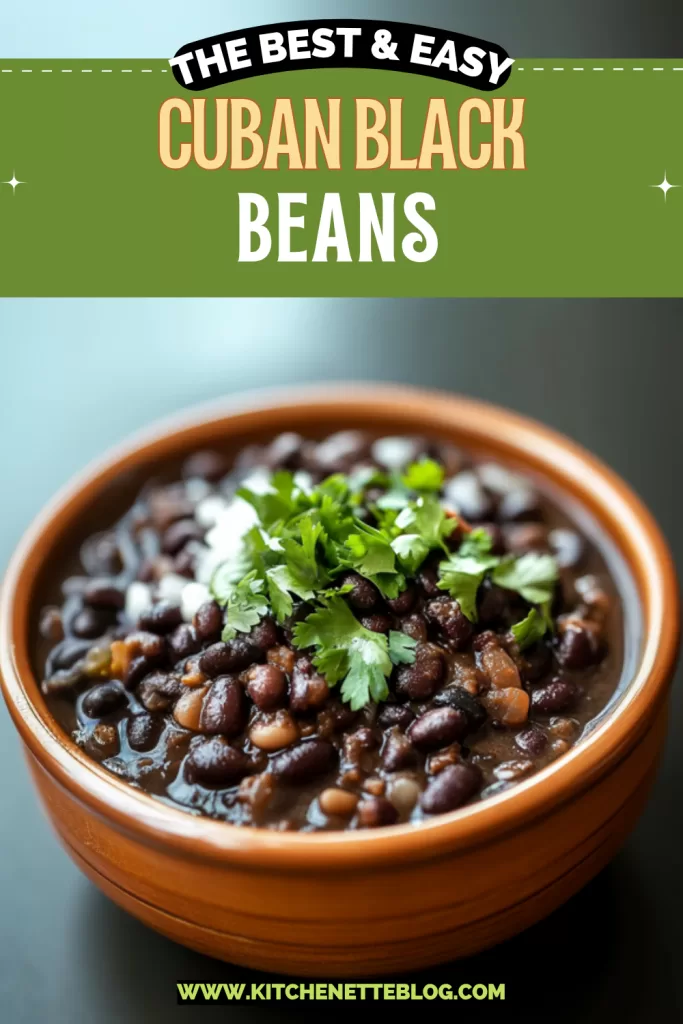
Black beans, sweet bell pepper, a splash of red wine vinegar… these cozy Cuban black beans come together with pantry staples and big, bold flavor.

Hungry for something warm, savory, and comforting, but don’t feel like spending your entire evening stirring a pot? This skillet of Cuban black beans is your low-fuss, high-reward friend. It smells like garlic and oregano hugged it out in your kitchen and brought bay leaf along for the ride.

Whether I’m craving a quick solo dinner or a simple side that feels just a bit special, these beans show up. They’re saucy (but not too soupy), richly spiced (though not spicy), and ridiculously satisfying when plopped on rice or scooped up with warm bread… possibly cheesy garlic bread, who’s judging?

Table of Contents

Cuban Black Beans

Why You’ll Love this Cuban Black Beans Recipe

These Cuban black beans are one of those no-fail, always-tastes-better-than-expected dishes. No drama, no complicated prep—just good food, done right.

  • Ridiculously simple to make: You toss everything in one pan, stir, and let it simmer until the house smells fantastic.
  • Flexible, forgiving recipe: Add more water for a saucier bowl, or simmer longer for thicker beans. You’re the boss here.
  • Pantry + fresh combo: Most ingredients are kitchen basics, but a pop of fresh cilantro makes everything come alive.
  • Cozy, satisfying texture: The beans get creamy-soft while still holding their shape. Perfect over rice or straight from the skillet.
  • Vegan and naturally gluten free: Oh hey, bonus points. Nothing fussy, and still hearty as heck.
  • Plays well with others: These guys are right at home next to meats, salads, roasted veggies… or scooped up with a tortilla chip.

Cuban Black Beans

Ingredient Notes

These ingredients are chill. A few pantry MVPs, your veggie drawer friendlies, and boom—you’ve got a cozy Cuban classic in the works.

  • Olive oil: Adds richness and helps the veggies soften and caramelize just a bit at the edges.
  • Onion: A sweet aromatic base. Yellow or white both work great—use what’s lounging in your kitchen.
  • Green bell pepper: Adds brightness and that classic Cuban vinegary-green depth. Red bell works in a pinch, though it’s sweeter.
  • Garlic: Because what’s life without it? Just two cloves give plenty of presence here.
  • Black beans (canned): Yes to the undrained part! That starchy liquid thickens the whole party. You can sub cooked-from-scratch beans, but you’ll need extra water and seasoning.
  • Water: Start with a half cup, then add more if you like your beans saucier.
  • Bay leaves: These do some sneaky flavor lifting—warming and earthy without being obvious.
  • Cumin and oregano: The dream team. Smoky, herbal, slightly citrusy. Don’t skip these.
  • Red wine vinegar: Adds that little zing at the end that makes everything kind of sparkle.
  • Salt and black pepper: Add gradually at the end so you don’t overdo it.
  • Fresh cilantro: Sprinkle it on top and suddenly it’s a party. Feel free to skip if you’re one of those anti-cilantro folks.

Cuban Black Beans

How To Make This Cuban Black Beans Recipe

Let’s walk through it together. Just a few steps, and your kitchen’s going to smell like something worth bragging about.

  • Sauté your veg base: Warm up the olive oil in a large skillet over medium heat. Toss in the onion and green bell pepper. You’re looking for soft and a little golden in spots—this takes around 5 to 7 minutes. Stir occasionally and enjoy the sizzle.

  • Add garlic and cook briefly: Toss in the minced garlic and stir it all around for about a minute. The smell should be punchy and toasty but not burnt. If your garlic turns brown, you’ve gone too far… we’ve all been there.

  • Bring in the beans and spices: Now dump in the undrained black beans, ½ cup of water, bay leaves, cumin, oregano, and the splash of red wine vinegar. Stir it all together and bring it to a gentle boil.

  • Simmer and let it thicken: Lower the heat and let it all simmer gently for 15 minutes. Stir now and then so nothing sticks. If it starts looking dry, add a splash more water.

  • Season to taste and finish: When the beans are perfectly tender and the mix smells like a savory dream, remove those bay leaves. Season with salt and pepper to taste—the beans will come alive now.

  • Serve and sprinkle: Spoon over warm rice (or, hey, pile it onto some truffle mashed potatoes if you’re feeling fancy) and scatter fresh cilantro like you meant to all along.

Cuban Black Beans

Storage Options

Cuban black beans get even better the next day… if you can refrain from finishing the whole pan tonight.

To store in the fridge, let everything cool completely first. Then pop into an airtight container (glass leftovers jars work beautifully) and keep chilled for up to 5 days. The flavors meld and deepen each day, like a stew that knows how to age gracefully.

Wanna freeze them? Totally doable. Portion the cooled beans into freezer-safe bags or containers, leaving a bit of room for expansion. They’ll hang out happily for up to 2 months. Thaw overnight in the fridge or wing it with a gentle stovetop reheat and an extra splash of water.

To reheat, just warm them in a saucepan over low-medium heat. Stir occasionally and add a tiny bit of water to loosen things up if needed. Microwave works too, but cover them up (unless soggy bean explosions are your thing).

Variations and Substitutions

This is a “wears whatever hat you give it” kind of recipe. It welcomes tweaks and swaps without protest.

  • Dried beans instead of canned: Go for it, just pre-cook them until tender. You’ll want about 3 to 3½ cups cooked beans.
  • Different vinegar: Don’t have red wine vinegar? A splash of apple cider vinegar or lime juice gives a similar twang.
  • Spicy version: Add a minced jalapeño or a shake of red pepper flakes with the garlic. Boom, heat achieved.
  • Smoky bonus: Try adding a dash of smoked paprika for a deeper, woodsy warmth that plays great with cumin.
  • Add meat: Feeling meaty? Stir in chopped chorizo, crispy bacon bits, or even leftover pulled pork to take this up a notch.
  • Not a cilantro fan? Just skip it or swap in parsley. The beans will still love you.

Cuban Black Beans

What to Serve with Cuban Black Beans

These beans are team players. They’ll shine next to a variety of mains or mop up sauces like a champ.

  • A fluffy bowl of rice is the classic move—and for good reason. The grains soak up that beany goodness like they were born for this. Add a wedge of lime and you’re golden.

  • Cuban black beans also love keeping company with grilled meat or fish. They’d be super at home alongside pan seared salmon or even chicken thighs straight from the oven.

  • Cornbread? Yes, it’s not strictly Cuban, but honestly… that sweetness against the earthy beans? Swoon. Try pairing them with these bacon basil cornbread muffins and thank me later.

  • You could also make an easy taco night out of this. Warm tortillas, maybe a little avocado, scoops of these beans, and done.

  • Craving a cozy duo? Serve with a fried egg on top and call it breakfast-for-dinner—or brunch-for-dinner. No rules here.

Cuban Black Beans

Frequently Asked Questions

Can I use dried black beans instead of canned?

Absolutely! Just cook the dried beans fully before adding them to the recipe. You’ll need about 3 to 3½ cups of cooked black beans to match the canned amount. Keep in mind you’ll also need more seasoning and water since there’s no canning liquid involved.

Are Cuban black beans spicy?

Not as they’re written—these Cuban black beans are flavorful but mild. But if you like a little heat (me too), feel free to add some chopped jalapeño, chili flakes, or a bit of hot sauce during cooking. Just taste as you go!

How can I make them creamier?

Simmer them a little longer to let the liquid reduce naturally. You can also mash a few beans against the side of the pot to thicken things up. Some folks even toss in a pat of butter at the end—go wild if you’d like.

Do I need to rinse the black beans?

Not for this recipe! We actually want that bean liquid—it adds body, salt, and starch that thickens the sauce beautifully. If you rinse it, you’ll need more seasoning and extra water to compensate.

Cuban Black Beans

Cuban Black Beans

Prep Time 10 minutes
Cook Time 25 minutes
Total Time 35 minutes
These cozy Cuban black beans come together quickly with pantry staples and a handful of fresh ingredients. Rich, savory, and versatile—enjoy them as a side or main, with rice, bread, or your favorite fixings. Vegan, naturally gluten-free, and bursting with classic Cuban flavors like cumin, oregano, and a splash of red wine vinegar.
4 servings

Ingredients

Main Ingredients

  • 2 tbsp (30 ml) olive oil
  • 1 yellow or white onion medium, finely chopped
  • 1 green bell pepper medium, diced (or use red bell pepper)
  • 2 cloves garlic minced
  • 2 cans (820 g) black beans 15 oz each, undrained (or 3 to 3½ cups cooked black beans with extra water as needed)
  • 1/2 cup (120 ml) water plus more as needed
  • 2 bay leaves
  • 1 tsp cumin
  • 1 tsp dried oregano
  • 1 tbsp (15 ml) red wine vinegar
  • salt to taste
  • black pepper to taste

Garnish

  • fresh cilantro chopped, for topping (optional)

Equipment

  • Large skillet
  • wooden spoon
  • Measuring cups
  • Knife
  • Cutting board

Instructions
 

  1. Heat the olive oil in a large skillet over medium heat. Add the chopped onion and diced green bell pepper and sauté until soft and golden in spots, about 5-7 minutes, stirring occasionally.
  2. Add the minced garlic and sauté for about 1 minute until fragrant and lightly toasty, but not browned.
  3. Add the undrained black beans, water, bay leaves, cumin, oregano, and red wine vinegar. Stir everything together and bring to a simmer.
  4. Lower the heat and let simmer gently for 15 minutes, stirring occasionally. If the mixture looks dry, add a splash more water.
  5. Remove the bay leaves. Season the beans with salt and black pepper to taste.
  6. Spoon over warm rice or serve with your favorite bread. Garnish with plenty of chopped fresh cilantro before serving.

Notes

Storage: Let beans cool completely before storing. Refrigerate in an airtight container up to 5 days. Freeze up to 2 months.
Variations: Add jalapeño for heat, a splash of lime juice in place of vinegar, or a sprinkle of smoked paprika for earthy depth. For meatiness, stir in chorizo, bacon, or pulled pork.
Great with rice, cornbread, tortillas, fried eggs, or as a taco filling.

Nutrition

Calories: 255kcal | Carbohydrates: 37g | Protein: 13g | Fat: 7g | Saturated Fat: 1g | Sodium: 630mg | Potassium: 668mg | Fiber: 11g | Sugar: 3g | Vitamin A: 735IU | Vitamin C: 24mg | Calcium: 74mg | Iron: 3.5mg

Garlic, butter, and three kinds of cheese melted into crusty French bread—cheesy garlic bread just makes the whole kitchen smell like you’re winning at dinner. Buttery, crisp-edged, and melty all over, with mozzarella, cheddar, and Parmesan bringing their own cheesy superpowers? Yeah, it’s that good.

There’s something ridiculously satisfying about slicing into a warm slab of this cheesy, golden bread and hearing that soft crunch as your knife hits the crust. Whether it’s pasta night, soup season, or you’re just looking for an excuse to turn your oven on and eat something cozy, this is your carb-loving, flavor-packed friend. Plus, there’s garlic. Lots of it. Enough to make your neighbors jealous.

Table of Contents

Cheesy Garlic Bread

Why You’ll Love this Cheesy Garlic Bread

This one doesn’t need much convincing. I mean, bread PLUS cheese? Classic. But just in case you’re wondering why this version is worth toasting up in your kitchen…

  • Ridiculously simple to make: You just squish, smear, melt, and drizzle. No fancy tools, no stress.
  • Crusty outside, gooey inside: That perfect contrast gets me every time. It’s lightly crisp on the bottom and loaded with melty cheese on top.
  • Three cheeses, no regrets: Mozzarella for stretch, cheddar for richness, Parmesan for that salty sharpness. Trust the trio.
  • Flexible enough for anything: Pair it with soup, pasta, or sneak bites while leaning on the counter waiting for your main dish to finish.
  • Smells like a dream: As it bakes, the butter and garlic do that thing where your kitchen smells like a tiny Italian bakery.
  • Freezes like a champ: Make extra, wrap it tight, and reheat when hangry. More on that below.

Cheesy Garlic Bread

Ingredient Notes

Only a few ingredients stand between you and carb-filled joy. Here’s what you need to know before getting all buttery.

  • French bread: A good crusty loaf gives the structure this bread needs. The inside stays soft but the outer edges crisp up beautifully.
  • Salted butter: Go for softened—room temp is key for spreading. The salt brings balance to the richness.
  • Garlic: I go for 4 big cloves, finely minced. If you’re garlic-devoted like me, use 5.
  • Parsley: Adds some freshness, and a little sprinkle on top makes it feel fancier than it probably is.
  • Italian seasoning: A simple blend of herbs gives depth without needing a zillion spice jars.
  • Black pepper: Just a pinch for a little warm bite.
  • Mozzarella: Melty, gooey, and stretchy. Half gets blended into the butter; the other half goes on top.
  • Cheddar cheese: Sharp and bold, it adds richness and a bit more attitude.
  • Parmesan cheese: The salty, nutty hero that finishes things off and gives you that irresistible golden top.

Cheesy Garlic Bread

How To Make This Cheesy Garlic Bread

This comes together in just minutes—with the only hard part being resisting the urge to eat it all straight from the oven.

  • Preheat the oven to 400°F: That way everything’s ready to go once you’ve prepped your mega-buttery loaf. No one wants to wait for an oven when cheesy bread’s involved.
  • Slice the bread lengthwise: You want two long halves, cut-side up. Place them on a baking sheet, ready for their buttery fate. I like to line it with parchment for less mess.
  • Mix the butter blend: In a bowl, stir together the softened butter, garlic, parsley, Italian seasoning, black pepper, and half of the mozzarella. Yep, you’re adding cheese directly to the butter. Magic.
  • Slather it on generously: Don’t hold back. Smear that garlicky butter-cheese mixture all over both halves. All the way to the edges. Every corner deserves love.
  • Add the rest of the cheese: Sprinkle the remaining mozzarella, all the cheddar, and the Parmesan on top. It’ll look like too much. That means it’s perfect.
  • Bake for 10–12 minutes: The cheese should be melted and bubbly. For a bit of crunch and golden goodness, throw it under the broiler for 1–2 minutes… but watch closely. Broilers get ambitious.
  • Garnish and serve: Let it cool just a bit (molten cheese things are sneaky hot), sprinkle with more fresh parsley, and slice thick. Then sink into cheesy carb heaven.

Cheesy Garlic Bread

Storage Options

Let’s say—hypothetically—you don’t eat it all in one sitting. Here’s how to give that cheesy garlic bread a second life.

Wrap leftovers tightly in foil, then pop them in the fridge. They’ll last about 3–4 days, though good luck ignoring them every time you open the fridge. To reheat, warm in a toaster oven or bake at 350°F for about 10 minutes. It’ll re-crisp and get melty again.

As for freezing, yes, you totally can. I like to tightly wrap individual pieces in plastic wrap, then stash them in a zip-top bag. That way you only reheat what you need. Bake directly from frozen at 375°F for about 15 minutes, or until hot and sizzling.

Just skip the microwave. It turns your beautiful crusty bread into a soft, sad sponge. No one asked for that.

Variations and Substitutions

If you feel like jazzing things up, this cheesy garlic bread is very open-minded. Try one of these twists for fun.

  • Roasted garlic instead of raw: Roast a bulb until soft and caramelized, then mash it into the butter. The flavor gets sweet and mellow and honestly kinda fancy.
  • Add a little heat: Mix chili flakes into the garlic butter or throw on some sliced jalapeños before baking for a fiery kick.
  • Swap in other cheeses: Fontina, provolone, or even crumbled goat cheese bring fun new flavors. Just stick with good melters.
  • Herb it up: Fancy a fresher vibe? Add chopped basil, thyme, or oregano to the butter. It’s kind of like an herb butter situation in disguise.
  • Use a different bread: Try it with ciabatta or sourdough, especially if that’s what you have lying around. Sometimes the best recipes happen through happy laziness.

Cheesy Garlic Bread

What to Serve with Cheesy Garlic Bread

Honestly? I could eat this on its own, standing over the baking sheet before it even cools. But if we’re thinking about food-pairing like real grownups, here are some winners.

  • A cozy tomato soup: Nothing beats a dunkable moment. That buttery crust soaking up rich soup is next-level soothing. Or, if you’re feeling bold, pair with spicy tomato bisque and swear you invented something gourmet.

  • Pasta night perfection: Whether it’s a simple marinara or something creamy like Alfredo, this is the perfect sidekick. If you’ve got leftovers from this oven baked mac and cheese bites, they’d be amazing next to this cheesy bread.

  • A big crunchy salad: Think arugula, lemon vinaigrette, and some shaved Parmesan. That little bit of salad guilt? Balanced immediately by extra cheese on bread.

  • Weeknight fish dishes: Surprisingly good with lighter mains like this pan seared cod with rainbow chard. The freshness plays well with the richness here.

  • Leftover reheat lunch: Pop a slice into the toaster oven, serve it with whatever soup or grain bowl you’ve got on standby, and pretend it’s meal prep.

Cheesy Garlic Bread

Frequently Asked Questions

Can I make cheesy garlic bread ahead of time?

Yes! You can prep everything up to the baking step, then wrap it up and stash it in the fridge for a day or so. When you’re ready, just bake it as instructed (maybe add a minute or two if it’s cold from the fridge). You can also freeze the unbaked bread—wrap it tight and bake straight from frozen, adding a few extra minutes.

What’s the best way to reheat cheesy garlic bread?

The oven is your best friend here. Pop leftovers into a 350°F oven for about 10 minutes until everything’s hot and the cheese is re-melted. For an extra crispy bottom, place the slices directly on the oven rack (with a tray underneath in case the cheese gets dramatic).

Can I use garlic powder instead of fresh garlic?

In a pinch? Absolutely. Use about 3/4 to 1 teaspoon of garlic powder in place of the minced garlic. It won’t have quite that same punch or aroma, but it’ll still be tasty. If you’ve got roasted garlic on hand, even better.

What type of bread works best for cheesy garlic bread?

A crusty French loaf is my go-to since it holds up well to the butter and cheese without getting soggy. But sourdough, ciabatta, or even a sturdy Italian loaf will also work. Just avoid anything too soft or sandwich-y—it won’t handle the toppings like a champ.

Cheesy Garlic Bread

Cheesy Garlic Bread

Prep Time 10 minutes
Cook Time 12 minutes
Total Time 22 minutes
Garlic, butter, and three kinds of cheese melted into crusty French bread—cheesy garlic bread just makes the whole kitchen smell like you’re winning at dinner. Buttery, crisp-edged, and melty all over, with mozzarella, cheddar, and Parmesan. Yeah, it’s that good.
8 slices

Ingredients

For the Bread

  • 1 loaf crusty French bread about 16-18 inches

For the Garlic Butter & Cheese Topping

  • 1/2 cup (115 g) salted butter softened to room temperature
  • 4 cloves garlic finely minced (use 5 if desired for extra garlic flavor)
  • 2 tbsp (8 g) fresh parsley finely chopped, plus extra for garnish
  • 1 tsp Italian seasoning
  • 1/4 tsp (0.25 tsp) black pepper

Cheese

  • 1 cup (112 g) shredded mozzarella cheese divided (half for butter, half for topping)
  • 1 cup (113 g) shredded sharp cheddar cheese
  • 1/2 cup (50 g) grated Parmesan cheese

Equipment

  • Baking sheet
  • Mixing bowl
  • Serrated Knife

Instructions
 

  1. Preheat your oven to 400°F (200°C). Line a baking sheet with parchment paper for easy cleanup.
  2. Slice the French bread loaf in half lengthwise, creating two long pieces. Place both halves, cut-side up, on the prepared baking sheet.
  3. In a medium bowl, mix together the softened butter, minced garlic, chopped parsley, Italian seasoning, black pepper, and half of the mozzarella cheese (about 1/2 cup). Stir until well combined.
  4. Spread the garlic butter mixture generously over the cut sides of both bread halves, covering edge to edge.
  5. Sprinkle the remaining mozzarella cheese evenly over both halves. Then top with all of the shredded cheddar and the grated Parmesan.
  6. Bake in the preheated oven for 10–12 minutes, until the cheese is melted and bubbly. For a deeper golden color, broil for 1–2 minutes—but watch closely to prevent burning.
  7. Remove from the oven and let cool slightly. Garnish with extra chopped parsley, slice into thick pieces, and serve warm.

Notes

This bread is best served fresh, but leftovers can be wrapped tightly in foil and refrigerated for 3–4 days. Reheat in a 350°F oven for about 10 minutes until melty and crisp. To freeze, wrap slices individually and store in a zip-top bag—reheat from frozen at 375°F for around 15 minutes.
Variations: Use roasted garlic for a sweet, mellow flavor; add chili flakes for heat; try other cheeses like fontina or provolone; or swap in ciabatta or sourdough for the bread base.

Nutrition

Calories: 315kcal | Carbohydrates: 26g | Protein: 12g | Fat: 18g | Saturated Fat: 10g | Cholesterol: 45mg | Sodium: 530mg | Potassium: 95mg | Fiber: 1g | Sugar: 2g | Vitamin A: 525IU | Vitamin C: 3mg | Calcium: 290mg | Iron: 1.6mg

Crispy on the outside, gloriously cheesy on the inside, these mac and cheese bites combine elbow pasta, cheddar, Gruyere, and panko in a tiny golden hug. Think gooey center wrapped in crunch, like the snack version of a cozy blanket fresh out of the dryer.

Okay listen—these aren’t your everyday side-of-the-plate mac bites you find sitting under heat lamps at events. These babies are legit. They’re creamy, crunchy, maybe a little over the top (in the best way), and totally satisfying in that “I-didn’t-mean-to-eat-ten-of-these-but-here-we-are” kind of way. Whether you’re serving them up for a casual game night, as finger food with friends, or you’re just standing over the kitchen counter sneakily taste-testing one before dinner (no judgment), they just work. And that deeply savory Gruyere-cheddar combo? Oof. Never going back.

Table of Contents

Mac and Cheese Bites

Why You’ll Love this Mac and Cheese Bites Recipe

Let’s be honest. There’s something magical about food you can eat with your hands, especially when it includes melted cheese.

  • Creamy, cheesy interiors: Every bite has that rich, molten cheesy middle thanks to a mix of cheddar and Gruyere.
  • Crispy golden shell: Panko breadcrumbs fry up light and crunchy, which contrasts that soft mac filling beautifully.
  • Make-ahead friendly: You chill and shape in advance, then fry when ready. Perfect for planning ahead.
  • Easily customizable: Want spice? Toss in hot sauce. Love bacon? Well… you know what to do.
  • Fun for all ages: Whether you’re six or sixty, there’s nothing not to love here. Mac and cheese is universal like that.
  • Dippable to the max: These practically beg for dunking—ranch, spicy ketchup, aioli, go wild.

Mac and Cheese Bites

Ingredient Notes

This one’s got a few more ingredients than your average Tuesday night pasta, but every piece plays a role. Promise.

  • Elbow macaroni: Classic shape, classic texture. It hugs the cheese sauce like a clingy best friend.
  • Unsalted butter: Controls the salt level and sets the buttery stage for your roux.
  • All-purpose flour: Thickens the cheese sauce and makes up part of the dredge. No surprises here.
  • Dijon mustard: Adds zing to cut through all that richness. Just a touch, and it makes a big difference.
  • Garlic & onion powders: Subtle background flavor boosters that keep the sauce from falling flat.
  • Whole milk & heavy cream: The fat combo keeps the cheese sauce silky and indulgent without going overboard.
  • Cheddar cheese: Sharp and melty, the trusty backbone of any proper mac and cheese.
  • Gruyere cheese: Nutty and sophisticated. Balances the cheddar and makes the cheese sauce feel a little fancy.
  • Panko breadcrumbs: These get you that ultra-crisp coating. Regular breadcrumbs just don’t compare.
  • Parmesan cheese (optional): Tossing it with breadcrumbs adds bonus umami; not required, but encouraged.

Mac and Cheese Bites

How To Make This Mac and Cheese Bites

Once you’ve got your cheese sauce game on lock, the rest is easy—just some scooping, coating, and highly satisfying frying.

  • Boil the macaroni: Cook just until al dente. Not mushy, but not crunchy either. Drain and rinse to cool it down and stop the cooking.

  • Make the cheese sauce roux-style: Melt butter, then whisk in flour and cook it for a couple minutes to lose the raw flour taste. Add seasonings like mustard and garlic powder so everything’s flavor-forward from the start.

  • Add the dairy slowly: Pour in the milk and cream bit by bit, whisking constantly. This step avoids lumps and makes for a smooth, thick base.

  • Stir in alllll the cheese: Pull that saucepan off the heat, then add the cheddar and Gruyere a bit at a time. This matters—dump it all in at once and you’re asking for stringy sadness.

  • Mix in the pasta and chill: Stir that cheesy wonderland into your cooked macaroni. Then spread it out in a baking dish and refrigerate until firm. Don’t skip this chill step or shaping will be a hot mess.

  • Shape into bites: Scoop into balls or slice into cubes (bless you, if you’re going that route). Either way, pop them into the freezer for 20–30 minutes so they hold up when frying.

  • Dredge like you mean it: Set up your station with seasoned flour, beaten eggs, and breadcrumb-Parmesan mix. Dip each bite firmly into each. Flour first, then egg, then breadcrumbs. No shortcuts, no soggy bites.

  • Fry till golden: Heat oil to 350°F and fry in batches—about 2 to 3 minutes each side until deep golden and crispy. Drain on paper towels and try not to steal them straight off the tray (good luck).

Mac and Cheese Bites

Storage Options

So you’ve made a mountain of mac and cheese bites and maybe (somehow) have a few left? Here’s how to handle them:

In the fridge, store leftovers in an airtight container for up to 3 days. They’ll lose a little of that fresh-fried crunch, but a quick warm-up in the oven or toaster oven helps revive them. Skip the microwave unless you enjoy soggy disappointments.

To freeze, you’ve got two options. Freeze the shaped, uncooked bites before frying (ideal) or freeze the already-fried ones (still good). For uncooked ones, let them chill in a single layer first, then toss into a freezer bag. Don’t fry straight from the freezer—let them thaw slightly or they might burn outside before fully warming inside.

Reheating? The oven is your friend. 375°F for about 10–15 minutes should do the trick. Air fryer works great too.

Variations and Substitutions

Got a craving or need to adapt? No big deal. These are surprisingly flexible.

  • Different cheeses: Swap the cheddar for Monterey Jack or pepper jack if you like heat. Gouda also melts like a dream.

  • Add-ins in the sauce: Crumbled bacon or diced jalapeños stirred into the mac before chilling take things up several notches.

  • Gluten-free option: Use a gluten-free pasta, gluten-free flour for the roux and dredge, and GF breadcrumbs—everyone wins.

  • Baked instead of fried: Coat as instructed but bake at 400°F on a parchment-lined sheet for 20–25 minutes. Spray lightly with oil for browning.

  • Spice it up: A pinch of cayenne in the cheese sauce or a drizzle of hot honey on top adds heat in all the right places.

Mac and Cheese Bites

What to Serve with Mac and Cheese Bites

These bites are begging to be built into a snack spread, but they’re equally at home beside simple mains or dipping sauces.

  • Some smoky meat pairs beautifully. I love setting these alongside a few ham and cheese crescent rolls for a happy-hour-ish combo that disappears instantly.

  • If you want something cozy to balance the richness, ladle out a small bowl of Mexican street corn soup. The tangy, sweet corn flavors play off the cheese like magic.

  • Try them with a crisp, clean salad—something acidic with a vinaigrette. The crunchy greens help cut through all that melty heft.

  • A good dipping sauce can totally set the mood. Think spicy garlic aioli, marinara, chipotle ranch, or even a honey mustard if you’re feeling playful.

  • For something unexpected, offer a sweet-savory combo. A peach or fig jam on the side surprisingly works. Sweet cheese vibes, for the win.

Mac and Cheese Bites

Frequently Asked Questions

Can I make mac and cheese bites ahead of time?

Totally. That’s actually one of the perks. Once you’ve shaped and breaded them, stash them in the freezer—either fully prepped or just post-mixing. That way, when the mood hits you (or unexpected guests appear), you’re 15 minutes away from cheesy bliss.

Do I have to fry them, or can I bake instead?

Frying gives unmatched crunch, but I get it—not everyone loves oil splatter. You can absolutely bake them. Just coat thoroughly, spritz with oil, and bake around 400°F for 20–25 minutes, flipping halfway through. They’ll still be crispy. Maybe not as crunchy as fried, but still snack-worthy.

How do I keep the cheese from leaking out during frying?

Oof, the dreaded cheese escape. The key is chilling your bites really well before frying and making sure your breading is solid. No cracks or gaps. Press those breadcrumbs gently but firmly around each bite. And if any rebels do leak, well, the crispy cheese bits aren’t exactly a tragedy…

What dipping sauces go well with mac and cheese bites?

Honestly, let your heart (or your fridge) guide you. Spicy chipotle mayo, garlic aioli, ranch, marinara, buffalo sauce, even a touch of honey mustard—these bites are like the jeans of appetizers. They go with everything.

Mac and Cheese Bites

Extra Cheesy Mac and Cheese Bites

Prep Time 35 minutes
Cook Time 20 minutes
Chilling Time 35 minutes
Total Time 1 hour 30 minutes
Crispy on the outside, gloriously cheesy on the inside, these mac and cheese bites combine elbow pasta, cheddar, Gruyere, and panko in one craveable bite. With a gooey center and crunchy shell, they're snack magic for parties, game night, or anytime you want comfort food you can eat with your hands.
24 bites

Ingredients

Mac and Cheese

  • 8 oz (225 g) elbow macaroni
  • 2 tbsp (30 g) unsalted butter
  • 2 tbsp (16 g) all-purpose flour
  • 1 tsp (5 ml) Dijon mustard
  • 1/2 tsp (2.5 g) garlic powder
  • 1/2 tsp (2.5 g) onion powder
  • 3/4 cup (180 ml) whole milk
  • 1/2 cup (120 ml) heavy cream
  • 1 cup (90 g) sharp cheddar cheese freshly grated
  • 1 cup (90 g) Gruyère cheese freshly grated
  • 1/2 tsp (2.5 g) salt or to taste
  • 1/4 tsp (1.5 g) black pepper freshly cracked

For Breading & Frying

  • 1 cup (125 g) all-purpose flour for dredging
  • 2 large (2) eggs beaten
  • 1.5 cups (90 g) panko breadcrumbs
  • 1/4 cup (20 g) Parmesan cheese finely grated, optional
  • vegetable oil for frying

Equipment

  • Saucepan
  • Mixing bowls
  • Baking Dish
  • Slotted spoon
  • Large Pot or Dutch Oven (for frying)
  • Paper towels

Instructions
 

  1. Bring a large pot of salted water to a boil. Cook elbow macaroni just until al dente, then drain and rinse with cold water to stop cooking. Set aside.
  2. In a medium saucepan, melt butter over medium heat. Stir in flour and cook for 1–2 minutes, stirring until the raw aroma is gone.
  3. Whisk in Dijon mustard, garlic powder, and onion powder. Slowly add the milk and cream, whisking constantly to avoid lumps. Cook until sauce thickens, 2–4 minutes.
  4. Remove from heat. Gradually stir in cheddar and Gruyère cheeses until fully melted and smooth. Season with salt and pepper to taste.
  5. Add cooked macaroni to the cheese sauce and mix well. Transfer to a baking dish in an even layer. Chill in the refrigerator for at least 30 minutes until firm.
  6. Scoop chilled mac and cheese mixture and shape into balls (about 2 tablespoons each) or press into cubes. Place shaped bites on a tray and freeze for 20–30 minutes.
  7. Set up a dredging station with three bowls: seasoned flour in one, beaten eggs in the second, and panko mixed with Parmesan (if using) in the third.
  8. Coat each chilled bite: flour first, then egg, then panko-Parmesan, pressing crumbs on until fully coated.
  9. Heat 2–3 inches of oil in a large pot to 350°F (175°C). Fry bites in batches for 2–3 minutes per side until golden and crispy. Drain on paper towels.
  10. Serve hot with your favorite dipping sauces.

Notes

These bites reheat best in the oven or air fryer for maximum crunch. Try mixing bacon, jalapeño, or a pinch of cayenne into the mac mixture for flavorful twists. For a baked version, follow through the breading step and bake at 400°F (200°C) for 20–25 minutes, flipping halfway. Gluten-free? Use GF pasta, flour, and breadcrumbs.

Nutrition

Calories: 120kcal | Carbohydrates: 10g | Protein: 4g | Fat: 7g | Saturated Fat: 3g | Cholesterol: 30mg | Sodium: 165mg | Potassium: 38mg | Fiber: 0.5g | Sugar: 1g | Vitamin A: 180IU | Calcium: 92mg | Iron: 0.5mg

Sweet, smoky corn, tender poblano, fiery jalapeño, cream, and cotija collide in this silky Mexican Street Corn Soup. Cozy, corn-kissed bliss in a bowl.

This soup smells like a little street cart is parked in your kitchen (minus the wheels, sadly) and tastes like summer met comfort food and said, “Let’s do something magical.” With rich creaminess, a hint of heat, and that unmistakably toasty corn flavor, Mexican Street Corn Soup is the kind of thing you’ll want to eat while wrapped in a blanket… even if it’s warm outside. It starts with good sweet corn (fresh if you’ve got it), gets a smoky little lift from spices, and finishes with that irresistibly tangy hit of crema and cotija that makes it taste truly authentic.

Table of Contents

Mexican Street Corn Soup

Why You’ll Love this Mexican Street Corn Soup

Not to gush, but this is the kind of soup that makes you feel like you’re eating something way fancier than what the ingredient list suggests. No pretending here, just the kind of cozy-cool kitchen win that works any time of year.

  • Ridiculously simple to make: You sauté, simmer, blend, and boom—restaurant-level soup with almost no stress.
  • Incredible texture: Creamy, silky broth with those little nibbles of slightly charred corn throughout. Spoons up like a dream.
  • Big flavor without fuss: Spices like smoked paprika and cumin add depth without needing a cupboard full of ingredients.
  • Totally customizable heat level: You decide if it’s a warm hug or a spicy slap (I like mine right in the middle).
  • Tastes like summer + comfort food had offspring: It’s got that bright fresh-corn sweetness but also coziness from cream and cheese.
  • Garnish party: Layer on jalapeños, cilantro, lime wedges—you’re essentially tricking out your bowl like a taco.

Mexican Street Corn Soup

Ingredient Notes

A few small tweaks and insights can move this from “decent soup” to “okay I need a second bowl” territory. Let’s walk through it.

  • Fresh corn kernels: If you can score in-season fresh corn, use it. You’ll get that roasty sweetness that’s hard to fake. Frozen corn works fine too, just give it a few extra minutes to char.
  • Poblano pepper: Milder than a jalapeño and adds a deep, earthy flavor. Don’t skip it—it’s subtle but essential.
  • Garlic: Just 3-4 cloves does the job. You want a background kick, not vampire-fending intensity.
  • Chili powder + smoked paprika: These bring warmth and smoky depth. Smell them as you stir—your kitchen becomes a spice market in 0.3 seconds.
  • Mexican oregano: Different than its Italian cousin—more citrus and earth. Worth having if you make any Mexican-inspired dishes occasionally.
  • Cotija cheese: Crumbly, salty, bold. Kinda the feta of Mexican cuisine. Adds a finishing pop at the end.
  • Mexican crema: Sort of a tangy cousin of sour cream. If you can’t find it, sour cream works just fine too.

Mexican Street Corn Soup

How To Make This Mexican Street Corn Soup

Let’s get into the good stuff. This whole thing comes together without much heavy lifting—just good ingredients and a little stovetop love.

  • Sauté the corn and onions: In a big ol’ pot, melt the olive oil and butter together over medium heat. Toss in the corn and diced onion, then just let them hang out in the heat until the onion softens and the corn gets a little char. You’ll smell sweetness and smoke. Stir every so often for 8 to 10 minutes so nothing scorches.

  • Add garlic, poblano, spices: Once the onion’s soft and things are smelling toasty, stir in the garlic, diced poblano, chili powder, oregano, smoked paprika, and cumin. Cook it for about a minute—just long enough for everything to bloom and get really aromatic. At this point, remove about 1 cup of the mixture and set it aside. That’s your garnish later.

  • Simmer it all together: Now pour in the broth, stir it up, and bring everything to a boil. Once it’s bubbling away, drop the heat to low and let it simmer for 20–25 minutes. This is when the flavors get friendly and cozy. Taste it if you want. You’ll notice the broth getting deeper, corn sweeter, poblano melting into everything.

  • Blend into creamy perfection: Carefully remove the pot from heat, then blend until smooth. You can either use an immersion blender (my kitchen BFF) or do it in batches in a regular blender. Totally up to how silky you want it—some folks like a bit of texture. I usually leave a few chunks in for a bit of chew.

  • Add the creamy things: Stir in heavy cream, Mexican crema (or sour cream), and cotija. This is the dreamy part. It transforms from slightly rustic to rich and velvety. Season with salt and pepper here—go slow, taste as you go.

  • Serve and garnish: Spoon into bowls and top with your reserved corn mix, optional jalapeño slices, chopped cilantro, and a good squeeze of lime. It’s sort of like dressing up your soup like a little taco. And you know what? That always works.

Mexican Street Corn Soup

Storage Options

Got leftovers? Lucky you.

This soup keeps beautifully in the fridge for 3 to 4 days. Let it cool down first before covering and stashing it in an airtight container. The flavor actually deepens a bit overnight. When you go to reheat, gently warm it on the stove over medium-low heat—stir often, and avoid letting it boil, or the dairy can get a little cranky.

Freezer? Totally doable, but with a tiny disclaimer. Creamy soups can separate a bit after thawing, although this one behaves better than most. If you plan to freeze it, I’d suggest blending and freezing before you add the cream and cotija. Then just add those when reheating. Let it cool fully, pop into a freezer-safe container or bag, and it’ll hang tight for up to 2 months.

Variations and Substitutions

You can absolutely make this soup fit your mood (or random pantry situation). Here are a few fun twists I’ve tried—or imagined and jotted down for next time.

  • Add protein: Toss in shredded rotisserie chicken or sautéed shrimp at the end. These turn it into a full-on meal without much effort.
  • Vegan version: Swap butter for more olive oil, use plant-based cream (oat or cashew works), skip cotija or use a vegan cheese crumble.
  • Use frozen corn: No fresh corn? No problem. Just thaw and pat dry before adding it to the pot so it still gets a bit of that sear.
  • Extra heat: Add a chopped jalapeño (or two) along with the poblano. You can also spice it up post-blending with a drizzle of hot sauce.
  • Lighter option: Use milk or half-and-half instead of cream. It won’t be as rich, but you’ll still get that satisfying corn flavor.
  • Cheese swap: Feta or parmesan work in place of cotija, especially if you can’t find it nearby. Just go light so it doesn’t overpower.

Mexican Street Corn Soup

What to Serve with Mexican Street Corn Soup

I mean… you could eat a whole bowl of this on its own and feel great about your life choices. But if you’re looking to round it out, here are a few cozy sidekicks.

  • A warm batch of bacon basil cornbread muffins goes really well alongside this. That salty-sweet vibe with crumbly texture makes these a dreamy soup dipper. Bonus points if you slather them with butter straight from the oven.

  • Maybe dial up the corn theme with elote-style quesadillas. Sprinkle leftover cotija and some extra crema inside before you griddle them golden brown. They’re messy in the best way.

  • Want something heartier? Try these taco stuffed shells. They’ve got all the big flavors going on and actually reheat perfectly with this soup for lunch the next day.

  • Thin tortilla chips or strips are classic. I like to pan-fry thin corn tortillas until super crispy, salt immediately, and drop a few on top of the soup for crunch. Homemade just tastes better.

Mexican Street Corn Soup

Frequently Asked Questions

Can I use frozen corn in this soup?

Yep, frozen corn totally works here. Just make sure to thaw it and pat it dry first so it can still char a little when sautéed. Fresh corn adds a bit more sweetness and texture, but this recipe is forgiving and still tastes fantastic with the frozen stuff.

How spicy is this soup?

It’s a little spicy, but not wild. The base is pretty tame, depending on the chili powder you use. You control the heat with how much chili powder or jalapeño you add. Start mild and go wild later if you feel like living boldly.

What’s the best way to blend it?

An immersion blender is easiest—it lets you blend everything right in the pot (fewer dishes, yay). But a standard blender gives you smoother results if you don’t mind blending in batches. Just be careful with hot liquids and vent the lid slightly to avoid pressure buildup.

Can I make this soup ahead of time?

Absolutely. In fact, it tastes even better the next day. Just store it in the fridge, then reheat gently on the stove when you’re ready. If you’re doing make-ahead for a party, wait to add garnishes until just before serving so they keep their texture and color.

Mexican Street Corn Soup

Mexican Street Corn Soup

Prep Time 10 minutes
Cook Time 35 minutes
Total Time 45 minutes
Sweet, smoky corn, tender poblano, fiery jalapeño, rich cream, and cotija collide in this silky Mexican Street Corn Soup. Cozy, corn-kissed bliss in a bowl, bursting with summer flavor and irresistible warmth.
4 bowls

Ingredients

For the Soup

  • 2 tbsp (30 ml) olive oil
  • 2 tbsp (28 g) unsalted butter
  • 5 cups (750 g) fresh corn kernels from 5–6 ears, or use frozen (about 750g)
  • 1 medium yellow onion diced
  • 3 cloves garlic minced (up to 4 for extra flavor)
  • 1 poblano pepper seeded and diced
  • 1 tsp chili powder
  • 1 tsp smoked paprika
  • 1 tsp ground cumin
  • 1 tsp Mexican oregano or regular oregano
  • 4 cups (950 ml) vegetable broth or chicken broth
  • 1/2 cup (120 ml) heavy cream
  • 1/2 cup (120 ml) Mexican crema or sour cream
  • 1/2 cup (60 g) cotija cheese crumbled, plus extra for garnish
  • Salt and black pepper to taste

For Garnish (optional)

  • Chopped cilantro
  • Sliced jalapeños
  • Lime wedges
  • Tortilla strips or chips

Equipment

  • Large pot
  • Immersion or regular blender
  • Knife
  • Cutting board

Instructions
 

  1. Heat the olive oil and butter together in a large pot over medium heat. Add corn kernels and diced onion. Sauté, stirring occasionally, until the onion softens and the corn starts to lightly char, about 8–10 minutes.
  2. Stir in minced garlic, diced poblano, chili powder, smoked paprika, cumin, and oregano. Cook for 1 minute, until fragrant.
  3. Remove about 1 cup of the cooked corn mixture and set aside for garnish later.
  4. Add the broth to the pot, stir to combine, and bring to a boil. Reduce heat to low and let simmer, uncovered, for 20–25 minutes, stirring occasionally.
  5. Using an immersion blender (or working in batches with a regular blender), blend the soup until smooth and creamy. For a chunkier soup, blend only about two-thirds and leave the rest chunky.
  6. Stir in heavy cream, Mexican crema or sour cream, and cotija cheese. Mix until well combined and cheese is melty. Season with salt and pepper to taste.
  7. Ladle into bowls and top each serving with the reserved corn mixture, extra cotija, sliced jalapeños, chopped cilantro, and a squeeze of lime. Add tortilla strips for crunch, if desired.

Notes

For a vegan version, use plant-based cream and cheese, and replace butter with more olive oil. Frozen corn works perfectly—just thaw and dry before sautéing. For extra protein, add cooked shredded chicken or sautéed shrimp at the end.

Nutrition

Calories: 340kcal | Carbohydrates: 36g | Protein: 9g | Fat: 19g | Saturated Fat: 10g | Cholesterol: 44mg | Sodium: 540mg | Potassium: 550mg | Fiber: 4g | Sugar: 8g | Vitamin A: 1100IU | Vitamin C: 46mg | Calcium: 145mg | Iron: 2mg

Ginger-spiced, sugar-dusted bliss in every bite—these gingerbread crinkle cookies bring cozy holiday vibes with buttery molasses, cinnamon, cloves, and warmth.

If cookies could wear pajamas, these would. They’re soft in the center with cozy spice, crisp sugary edges, and winter-y crackles that look like snowflakes (but, you know, edible). I mean—just imagine that warm gingerbread aroma drifting through your kitchen… yeah.

These little beauties are what happens when crinkle cookies and classic gingerbread get all flirty and bake up into something soft, chewy, and unapologetically festive. No cookie cutters, no rolling pin—just a mixing bowl, a spoon, and that one playlist you can’t stop overplaying. They’re rich and molasses-y with that snappy spice combo that basically screams “December!” Pair them with hot tea, coffee, or even milk if you’re feeling nostalgic. They’re the kind of treat that fits in everywhere, from cookie swaps to Thursday afternoons “just because.”

Table of Contents

Gingerbread Crinkle Cookies

Why You’ll Love this Gingerbread Crinkle Cookies Recipe

No baking drama happening here—just a batch of irresistibly cute cookies with soft middles and sugar-coated tops.

  • Ridiculously simple to make: You just mix the dough, chill, scoop, roll, and bake. It’s basically a spa day for dough.
  • Super soft and chewy inside: Like the pillowy center of a gingerbread hug. No dry crumbs here, thankyouverymuch.
  • That snowy crinkle top: The powdered sugar gives them a frosted, crackly look that’s just chef’s kiss.
  • Spiced just right: Not too hot, not too sweet—just enough ginger and warm spice to make your kitchen smell like joy.
  • Perfect for gifting or snacking (or hiding from your kids): Highly portable, adorable, and they somehow disappear from the cooling rack.

Gingerbread Crinkle Cookies

Ingredient Notes

These are pantry-friendly stars, but a couple come with strong personalities. Let’s get acquainted.

  • All-purpose flour: It’s the sturdy base that holds everything together. No need for fancy substitutions—just spoon and level.
  • Baking soda: Gives the cookies that gentle puff. Don’t skip it or your cookies might sulk in flat disappointment.
  • Ground ginger: The boldest spice of the bunch. It’s what gives that signature tingly warmth without setting your mouth on fire.
  • Ground cinnamon: A cozy background note that tames the ginger to a friendly level.
  • Ground cloves and nutmeg: These two spice backup singers round out the flavor—earthy, slightly sweet, and aromatic.
  • Salt: Just a little to balance all those strong spice flavors and round everything out.
  • Unsalted butter: Make sure it’s softened but not mushy. It’ll create that creamy, dreamy base when whipped with brown sugar.
  • Dark brown sugar: Adds richness and depth with a good molasses hit. Way more flavor than white sugar.
  • Unsulphured molasses: This is the dark, moody flavor booster that makes gingerbread taste like… gingerbread.
  • Egg yolk: Yep, just the yolk! It gives richness without making the dough too wet.
  • Vanilla extract: Adds warmth and rounds out the spice blend in a soft sort of undertone.
  • Powdered sugar: Not just for dusting—it creates that classic crinkle effect when the cookies bake.

Gingerbread Crinkle Cookies

How To Make This Gingerbread Crinkle Cookies Recipe

You don’t need pastry school creds—it’s just a bunch of bowls, some sweet smells, and a bit of powdered sugar all over your shirt.

  • Mix the dry ingredients: In a medium bowl, whisk the flour, baking soda, and all your spices with the salt. This makes sure nothing clumps weirdly and the spice party is evenly distributed.

  • Cream butter and sugar: In a big mixing bowl, beat your softened butter with the dark brown sugar until it goes light and fluffy. This takes about 2–3 minutes, and your mixer might make a satisfying humming sound of joy.

  • Add molasses, egg yolk, and vanilla: Scrape down the bowl, then pour in the molasses and beat until it’s glossy and brown. Blend in the yolk and vanilla until creamy—you’ll start to smell actual coziness in the making.

  • Combine dry and wet: Add the flour mixture in gradually, mixing on low. The dough will be soft, thick, and slightly sticky. Resist the urge to taste it by the spoonful (or don’t—I won’t tell).

  • Chill the dough: Cover that bowl with plastic wrap and pop it in the fridge for at least an hour. Trust me—this part is essential for rolling ease and better crackles.

  • Preheat and prep: Preheat your oven to 375°F and line a couple baking sheets with parchment. Then pour your powdered sugar into a bowl big enough to roll dough in.

  • Shape and sugar: Scoop about 2 tablespoons of chilled dough, roll it between your hands, then coat generously in powdered sugar. Set cookies 2 inches apart on the trays. They’ll spread just a lil’.

  • Bake to crinkly perfection: Bake for 10–12 minutes. The edges should look set, the centers soft, and magical cracks will form mid-bake. Love at first crinkle.

  • Cool briefly before devouring: Let them rest on the baking sheet 5 mins, then move to a wire rack to finish cooling. Unless you sneak one while warm—that’s kinda the best part.

Gingerbread Crinkle Cookies

Storage Options

These cookies behave surprisingly well once cooled. Just pop them into an airtight container and leave them at room temp. They’ll stay soft and chewy for about 4–5 days (if they last that long). A slice of white bread in the container helps keep them extra-soft—I know, kitchen voodoo, but it totally works.

Want to freeze them? Absolutely. You can freeze the baked cookies in a zip-top bag or container between wax paper layers. When you’re ready, just let them thaw on the counter at room temperature. Still good, still chewy.

For cookie dough lovers, yes—you can freeze the scooped dough balls. Freeze them after rolling in powdered sugar, then bake straight from frozen. Just give them an extra minute or two in the oven and they’ll still crinkle just right.

Variations and Substitutions

Got a gingerbread craving but missing an ingredient or two? Let’s riff a little.

  • Light brown sugar instead of dark: It’ll work in a pinch, but the flavor will be slightly less rich. If you have it, add a tiny splash (1 tsp) of molasses to compensate.

  • Pump up the spice: Want more warmth? Add a pinch of black pepper or extra ginger. Go easy—it’ll sneak up on you.

  • Swap molasses with maple syrup (in emergencies only): This’ll change the flavor significantly, but it’s better than no cookies at all. Expect softer cookies with milder spice.

  • Add orange zest: A teaspoon or so of zest turns these into citrus-spiced delights, especially good with tea.

  • Roll in cinnamon sugar instead: If powdered sugar’s not your jam, try cinnamon sugar. They won’t crackle the same way, but the flavor’s still ten outta ten.

Gingerbread Crinkle Cookies

What to Serve with Gingerbread Crinkle Cookies

Honestly, they’re great all on their own, but pairing them can turn snack time into an actual mood.

  • A hot cup of chai or strong black tea takes these cookies to very cozy territory. The spice-on-spice action makes it feel like a wintry hug from inside your mug.

  • If coffee’s more your vibe, try pairing with a dark roast or a cinnamon latte. The bitterness cuts the sweetness just right, and the extra warmth amplifies the ginger.

  • Fancy a more indulgent move? Serve these cookies with a scoop of vanilla ice cream. Heck, make ice cream sandwiches if you’re feeling ambitious (yes, it works—even in December).

  • They also make a killer addition to a holiday cookie platter, nestled between shortbread, toffee, and maybe even these savory cornbread muffins if you’re into that salty-sweet balance.

Gingerbread Crinkle Cookies

Frequently Asked Questions

Can I make the dough ahead of time?

Absolutely, and it might even help. Gingerbread spices develop deeper flavor when given time to chill out (literally). Keep the dough tightly wrapped in the fridge for up to 2 days. Just let it soften slightly before scooping if it hardens too much in the fridge.

Why didn’t my cookies get crinkly?

A couple things could be at play here. Most likely the dough wasn’t cold enough or didn’t have quite enough powdered sugar clinging to it before baking. Don’t be shy with the sugar coating—it helps create those snowy cracks. And make sure you’ve chilled the dough for at least an hour. Warm dough spreads too fast and doesn’t give the crinkles time to form.

Can I freeze the baked cookies?

Yes, and they handle it like champs. Let baked cookies cool completely, then store them in layers between parchment or wax paper in an airtight container. When you’re ready to eat, let them sit at room temp for 15–20 minutes (or pop one in the microwave for 10 seconds if you’re impatient like me).

Can I make these gluten-free?

Sure thing. A good cup-for-cup gluten-free blend will sub just fine here. Make sure it contains xanthan gum or add a tiny bit yourself. The texture will be slightly different, maybe a bit more delicate, but the flavor holds strong. Watch the bake time though—they might set up just a hair faster.

Gingerbread Crinkle Cookies

Gingerbread Crinkle Cookies

Prep Time 20 minutes
Cook Time 12 minutes
Chill Time 1 hour
Total Time 1 hour 32 minutes
Ginger-spiced, sugar-dusted bliss in every bite—these gingerbread crinkle cookies blend buttery molasses, cinnamon, cloves, and wintery warmth for a holiday treat that's soft and chewy in the middle with a crisp, sugary crackle top.
24 cookies

Ingredients

Dry Ingredients

  • 2 cups (260 g) all-purpose flour spooned and leveled
  • 1 tsp baking soda
  • 2 tsp ground ginger
  • 1 tsp ground cinnamon
  • 1/4 tsp (0.25 tsp) ground cloves
  • 1/4 tsp (0.25 tsp) ground nutmeg
  • 1/4 tsp (0.25 tsp) salt

Wet Ingredients

  • 1/2 cup (113 g) unsalted butter softened
  • 3/4 cup (150 g) dark brown sugar packed
  • 1/4 cup (80 g) unsulphured molasses
  • 1 (1 yolk) large egg yolk
  • 1 tsp vanilla extract

For Rolling

  • 1/2 cup (60 g) powdered sugar

Equipment

  • Mixing bowls
  • Electric mixer
  • Baking Sheets
  • Parchment paper
  • Wire rack
  • Plastic Wrap

Instructions
 

  1. In a medium bowl, whisk together the flour, baking soda, ground ginger, cinnamon, cloves, nutmeg, and salt until well combined.
  2. In a large bowl, beat the softened butter and dark brown sugar together with an electric mixer on medium-high speed until light and fluffy, about 2–3 minutes.
  3. Scrape down the sides. Add the molasses and beat until blended and glossy. Add the egg yolk and vanilla extract; mix until creamy.
  4. Add the dry ingredients to the wet, mixing on low just until the dough is fully incorporated and slightly sticky.
  5. Cover the bowl tightly with plastic wrap and chill the dough in the refrigerator for at least 1 hour.
  6. Preheat oven to 375°F (190°C). Line two baking sheets with parchment paper and fill a bowl with powdered sugar for rolling.
  7. Scoop about 2 tablespoons of dough for each cookie, roll into a ball with your hands, and generously coat in powdered sugar. Place cookies 2 inches apart on the prepared baking sheets.
  8. Bake for 10–12 minutes, until the cookies are puffed, edges look set, centers appear soft, and cracks have formed.
  9. Let cookies cool on the baking sheet for 5 minutes before transferring to a wire rack to finish cooling.

Notes

Store cooled cookies in an airtight container at room temperature for 4–5 days. A slice of white bread in the container helps to keep them soft.
To freeze: Arrange cooled cookies or unbaked dough balls between layers of parchment in an airtight container or zip-top bag; thaw at room temperature and enjoy.

Nutrition

Calories: 102kcal | Carbohydrates: 19g | Protein: 1g | Fat: 3g | Saturated Fat: 2g | Cholesterol: 16mg | Sodium: 82mg | Potassium: 62mg | Sugar: 10g | Vitamin A: 68IU | Calcium: 17mg | Iron: 0.6mg

Let's Get Cooking!

100+ Recipes for Busy Nights

In a time crunch? Take a look around and browse plenty of recipes to help you get dinner ready and on the table on those busy nights!

Sweet Recipes

Pumpkin Banana Muffins

Pumpkin Banana Muffins Recipe

Strawberry Pie Bars

Strawberry Pie Bars Easy Oven Recipe

White Chocolate Raspberry Muffins

White Chocolate Raspberry Muffins Recipe

Snickerdoodle Muffins

Snickerdoodle Muffins Recipe for Oven

PIN NOW

Follow KitchenetteBlog on Pinterest

Love cozy recipes that actually make it to the table? On Pinterest, I share new comfort-food ideas every week—desserts, dinners, and those little snack cravings that hit at midnight. Come pin with me and never run out of kitchen inspo.

Savory Recipes

Turkey Tetrazzini

Turkey Tetrazzini Baked Pasta Recipe

Grilled Chicken Panini Sandwich

Grilled Chicken Panini Sandwich Recipe

Sweet Potato Cornbread

Sweet Potato Cornbread Recipe Oven Baked

Classic Waldorf Salad

Waldorf Salad Simple Classic Recipe

Get 5 Recipes to Simplify Your Life!

Delicious, versatile recipes you can make over and over.