


Get 5 recipes to simplify your life:

easy, delicious, real food recipes

Latest Recipes

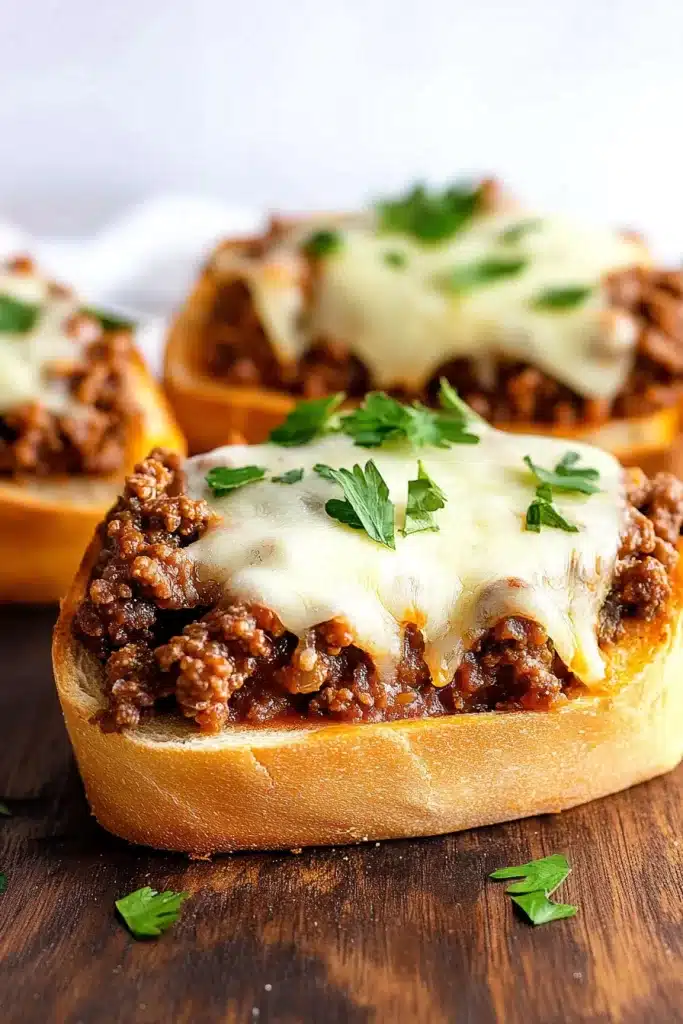
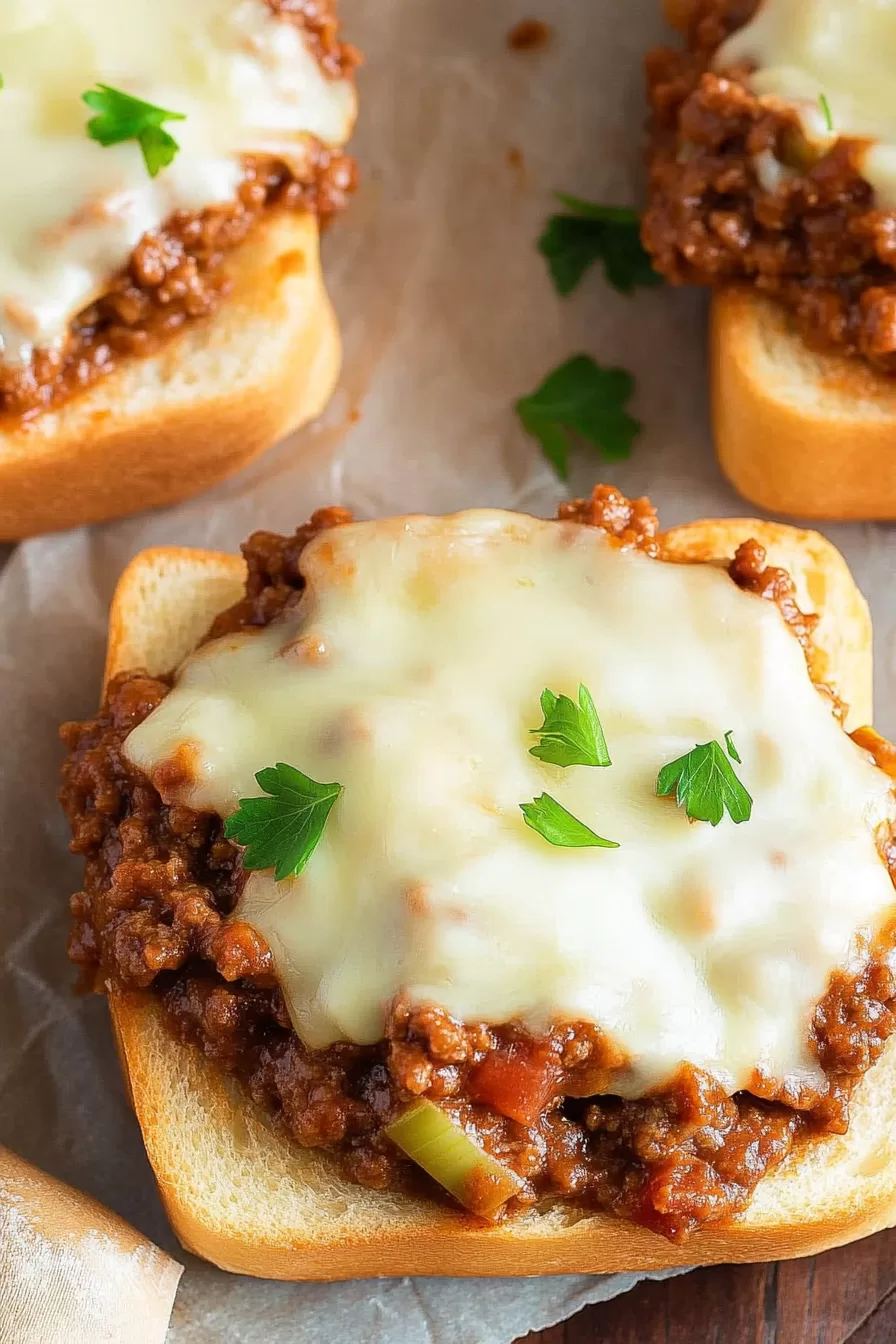
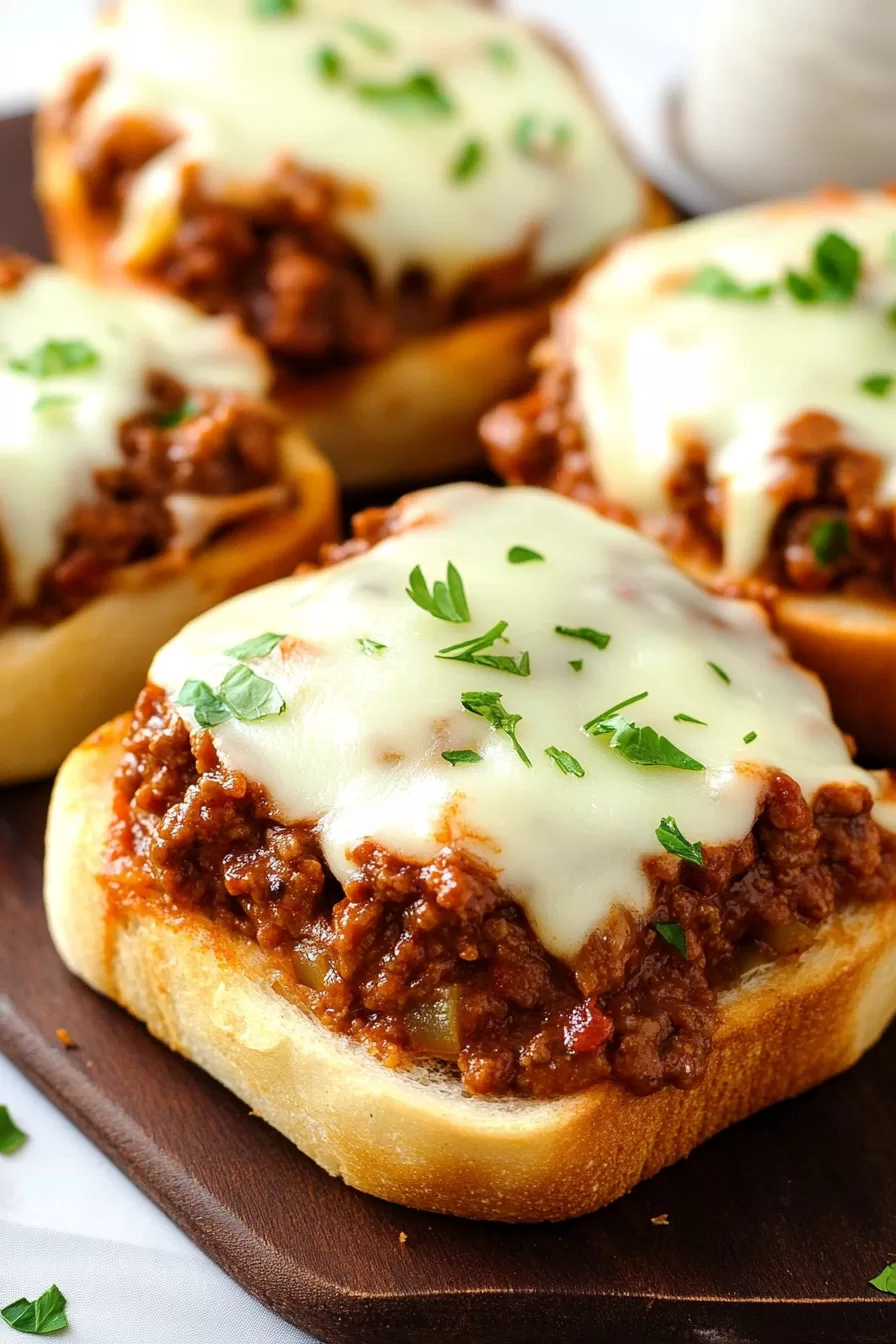
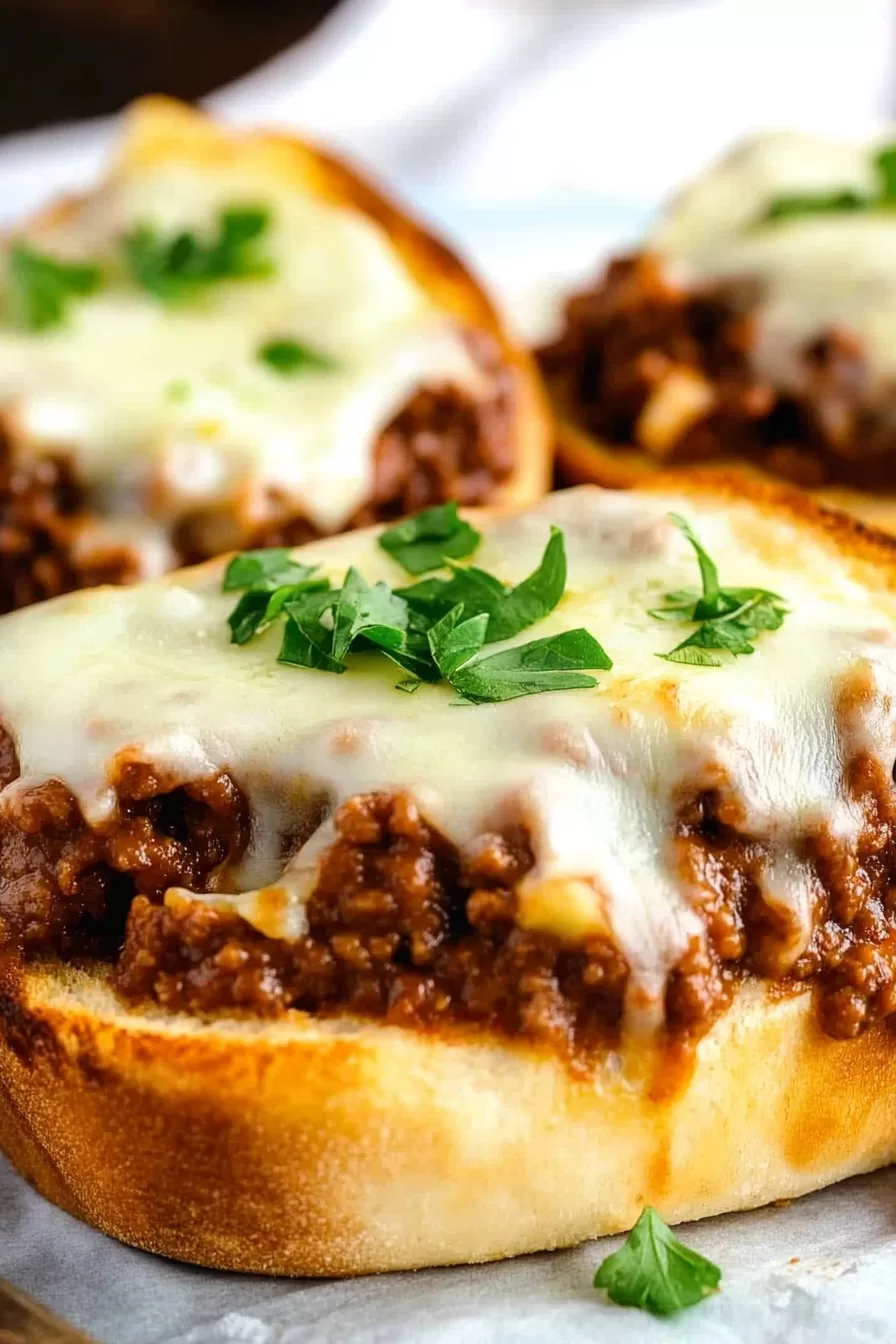
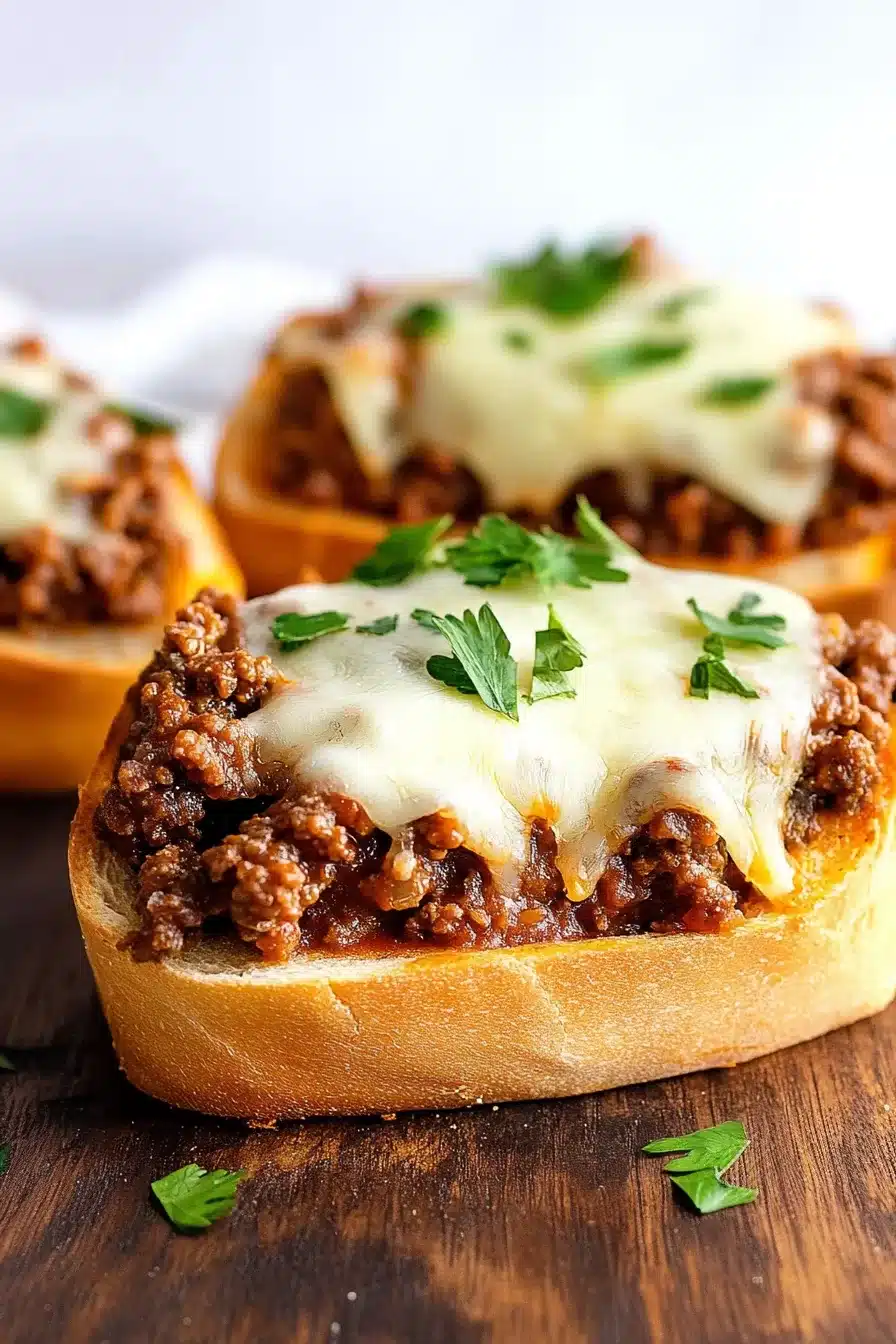
Crispy, buttery Texas toast topped with gooey melted cheese and hearty ground beef is calling your name. These Texas Toast Sloppy Joe Melts bring together juicy ground beef, tangy ketchup, and melty American cheese—all wrapped up in irresistibly golden toast.

Hot, cheesy, and slightly messy in the best kind of way, this recipe is pure cozy comfort. It’s what I like to call a no-fuss hug on a plate.

Look, I love a classic Sloppy Joe situation, but the soft hamburger bun game? Sometimes a little meh. Enter: thick-cut Texas toast, toasted till golden and just the tiniest bit crispy around the edges, but still soft in the center. It catches all that saucy, savory, slightly sweet beef without going soggy (unless we let it sit too long—let’s not). With two layers of cheese melted into the mix, this version is more “open-faced melt” than “sandwich,” and honestly? That just makes it even better for weeknights when you want something hot, fast, and a little indulgent.

Table of Contents

Texas Toast Sloppy Joe Melts

Why You’ll Love this Texas Toast Sloppy Joes

This is not a reinvention of the wheel. It’s just a really good way to eat messy comfort food with a fork and not feel bad about it.

  • Ridiculously simple to make: You just brown, sauté, stir, broil, and bask in the melty gooeyness.
  • No buns required: Texas toast steps up with thick, sturdy slices that stay crispy and absorb flavor like a dream.
  • Cheese twice, please: It’s got two layers of American cheese, because stopping at one would be illegal (probably).
  • Make-ahead friendly-ish: The meat mixture keeps well in the fridge, so you can re-toast, re-top, and re-cheese during the week.
  • Adjusts to your vibe: Mild for picky eaters or a little hot sauce splash for you spicy rebels out there.

Ingredient Notes

You won’t need a million ingredients, just a handful of pantry and fridge staples that do their job well. Here’s what makes it tick.

  • Extra-lean ground beef: Less fat means less grease messing with our crispy toast. You could use ground turkey here too, if that’s your thing.
  • Chopped onion: Adds some aromatic oomph and softens into the sauce beautifully.
  • Green bell pepper: For a mild crunch and a little brightness to balance out the sweet-savory sauce.
  • Ketchup: The base of our Sloppy Joe sauce—tangy, sweet, and nostalgic in the best way.
  • Water: Helps thin the sauce to just the right consistency while everything simmers together.
  • Brown sugar: A touch of molassesy sweetness to balance out the acidity of the ketchup and mustard.
  • Worcestershire sauce: That mysterious umami punch you can’t quite name, but would definitely miss.
  • Yellow mustard: Adds zip and cuts through the richness. Your taste buds will thank you.
  • Garlic salt: An easy way to give the beef depth without chopping garlic (you’re welcome).
  • Texas toast: Thick, buttery slices that can stand up to anything you pile on top. White or garlic-style works.
  • American cheese: It melts like a charm and gives everything that classic sloppy joe vibe.
Texas Toast Sloppy Joe Melts

How To Make This Texas Toast Sloppy Joes

Truly, this is one of those recipes where once you know the method, you barely need me. But humor me—I’ll walk you through.

  • Brown the beef: Toss your ground beef into a 12-inch skillet over medium heat and stir until it’s no longer pink. Should take around 5 minutes. Drain any extra grease; textural sadness avoided.
  • Sauté the veggies: Stir in the onion and green pepper. Cook until both are softened and smell like they mean business—about 3 to 4 minutes. This step makes your whole kitchen smell amazing.
  • Add the flavor party: In goes the ketchup, water, brown sugar, Worcestershire, mustard, garlic salt, and hot sauce (if that’s your jam). Stir it up, reduce the heat to low, and cover it up. Let it simmer for about 5 to 10 minutes until it’s thick but not paste-like. Think hearty but spoonable.
  • Toast the bread: Fire up your broiler and lay the Texas toast slices out on an ungreased baking sheet. Broil them for 4 to 6 minutes, flipping halfway until they’re golden on both sides but not too crisp yet—they’re getting a second broil later.
  • Melt the first layer of cheese: Top each slice with a piece of cheese, pop it back under the broiler, and let things get melty. It won’t take long, so keep an eye on it.
  • Assemble & finish: Spoon the beef mixture on each toast, then top with another slice of cheese (yes, again) and broil a final time for about a minute. Just until that cheese is fully melted and borderline bubbly.
Texas Toast Sloppy Joe Melts

Storage Options

Got leftovers? You’re actually in luck—this sloppy joe mix stores like a champ.

Spoon any leftover beef mixture into an airtight container and stick it in the fridge. It’ll keep well for around 3 days. The flavor even deepens a little overnight, which is kind of magical. When reheating, just warm it gently in a skillet over medium-low heat. Add a splash of water if it’s looking thick or clingy.

Now about the Texas toast part: once melted and topped, it doesn’t exactly get crisper later. If you’re planning ahead, store the elements separately. Toast fresh, add warm filling, then broil the cheese on top when you’re ready to serve—it’s worth that extra step.

And yes, you can freeze the meat mixture. Let it cool, then freeze in a freezer bag or container. It’ll last about 2 months. Just thaw it in the fridge overnight and heat it up in a saucepan. Skip freezing the assembled melts though…the bread + cheese combo doesn’t survive the thaw gracefully.

Variations and Substitutions

Once you try this version, your brain may start spiraling into flavor combos. Mine did. Here are a few that actually work (I tested more than I’d like to admit).

  • Ground turkey or chicken: Lighter than beef but still tasty. Add an extra dash of Worcestershire if it’s feeling bland.
  • Pepper jack cheese: Swap in for a spicy upgrade—so melty, with a tiny kick.
  • Garlic toast base: If you find some pre-buttered garlic Texas toast? Use it. Life hack achieved.
  • Add pickles on top: Sounds weird? Don’t knock it until the vinegary crunch hits your palate.
  • Vegan swap: Use plant-based crumbles and non-dairy slices. I’ve seen oat-based American cheese lately—still melty, still fun.
Texas Toast Sloppy Joe Melts

What to Serve with Texas Toast Sloppy Joes

These are hearty little beasts, but I always like something fresh or crunchy (or both) on the side to round it out.

  • A basic green salad with a zingy vinaigrette balances the richness like a charm. Toss in cherry tomatoes, red onion, or even sliced radish if you’re feeling fancy. The crispness cuts through all that savory-cheesy goodness.
  • Homemade oven fries are a classic move. Go russet for old-school vibes or sweet potato for a caramelized contrast. Either way, don’t skip a sprinkle of flaky salt when they come out hot.
  • If you’re trying to keep dinner light and fast, maybe pair these with something bright like sautéed rainbow chard or any quick green veggie from the crisper drawer.
  • Want to go full comfort food? Round out dinner with a side of these bacon basil cornbread muffins. I cannot explain how perfect they are with Sloppy Joe sauce until you try it.
Texas Toast Sloppy Joe Melts

Frequently Asked Questions

Can I use regular sandwich bread instead of Texas toast?

You could, but I wouldn’t recommend it for this version. Regular sandwich bread is usually too thin and soft—once you add the sloppy joe filling and cheese, it tends to collapse under pressure. Texas toast is thicker and sturdier, built to hold up under melty, saucy layers. If you’re stuck, try toasting the sandwich bread really well first to give it some structural backbone.

Is American cheese the best choice here?

Okay, here’s the truth: American cheese melts like a dream and gives you that classic, diner-style comfort. That said, you can absolutely mix it up. Cheddar, mozzarella, provolone—they all work. Just keep in mind that sharper cheeses might compete a bit more with the sauce, while milder ones melt smoothly into the party. It’s your cheese journey, really.

Can I make the beef mixture ahead of time?

Yes! You can definitely cook the beef filling a day or two in advance and refrigerate it. It reheats beautifully in a skillet or even the microwave, and it actually tastes better after resting overnight. Just store it in an airtight container, warm when needed, and assemble your melts fresh. A little prep now, a lot of lazy later.

How spicy is this recipe?

Without hot sauce, it’s mild enough for most kids and spicy-averse adults. If you’re craving heat, that’s where the optional hot sauce steps in. Add as much or as little as you need to feel alive. You could also sprinkle in red pepper flakes or swap cheeses for a spicy one if you’re really going for it.

Texas Toast Sloppy Joe Melts

Texas Toast Sloppy Joe Melts

Prep Time 10 minutes
Cook Time 25 minutes
Total Time 35 minutes
Crispy, buttery Texas toast topped with gooey melted cheese and hearty ground beef—these Sloppy Joe Melts combine classic comfort flavors with maximum melty coziness on thick, golden toast. A no-fuss dinner that’s hot, fast, and totally crowd-pleasing.
4 melts

Ingredients

Sloppy Joe Mixture

  • 1 lb (454 g) extra-lean ground beef or ground turkey
  • 1 medium yellow onion chopped
  • 1 medium green bell pepper chopped
  • 1 cup (240 ml) ketchup
  • 1/4 cup (60 ml) water
  • 1 tbsp (12 g) brown sugar
  • 2 tsp (10 ml) Worcestershire sauce
  • 1 tsp (5 ml) yellow mustard
  • 1/2 tsp (2.5 ml) garlic salt
  • hot sauce optional, to taste

Assembly

  • 8 slices Texas toast regular or garlic
  • 8 slices American cheese or cheese of choice, divided

Equipment

  • 12-inch skillet
  • Baking sheet
  • Broiler

Instructions
 

  1. Preheat your broiler. Arrange Texas toast slices on a baking sheet.
  2. In a 12-inch skillet over medium heat, cook the ground beef until no longer pink, about 5 minutes. Drain excess fat.
  3. Add chopped onion and chopped green bell pepper. Sauté until softened, about 3–4 minutes.
  4. Stir in ketchup, water, brown sugar, Worcestershire sauce, yellow mustard, garlic salt, and hot sauce (if using). Reduce heat to low. Cover and simmer 5–10 minutes until thickened but spoonable.
  5. Meanwhile, broil the Texas toast for 4–6 minutes, flipping halfway, until golden but not fully crisp.
  6. Add one slice of American cheese to each piece of toast and broil briefly until just melted.
  7. Spoon the hot sloppy joe mixture evenly over each slice, then top with remaining cheese slices.
  8. Return to the broiler and melt the cheese (about 1 minute) until bubbly and golden at the edges.
  9. Serve hot with a fork—and napkins!

Notes

For a spicy variation, use pepper jack cheese or add extra hot sauce. The beef mixture can be made ahead and refrigerated for up to 3 days or frozen for 2 months. For best texture, store bread and sloppy joe filling separately and assemble just before serving. Try ground turkey or vegan meat for variation, or use garlic Texas toast for extra flavor.

Nutrition

Calories: 520kcal | Carbohydrates: 51g | Protein: 26g | Fat: 25g | Saturated Fat: 11g | Cholesterol: 90mg | Sodium: 1320mg | Potassium: 580mg | Fiber: 3g | Sugar: 12g | Vitamin A: 630IU | Vitamin C: 28mg | Calcium: 400mg | Iron: 4mg

Juicy breadcrumb-coated chicken baked to crispy-tender perfection with garlic, paprika, oregano, and a buttery kiss—shake and bake chicken has arrived.

If dinner feels like a chore but your tastebuds are still optimistic, let this cozy, golden crunch pull you back in. Crispy Shake and Bake Chicken walks the line between comforting and “wow, did I just make that?” It’s got the savory hug of garlic and Parmesan, a soft herbal whisper from oregano, and—let’s be honest—just enough butter to make your kitchen smell like a reward. Oh, and we’re baking, not frying, so your stovetop stays clean (a small miracle on a Tuesday evening).

You can prep it in minutes, then zone out while it gets gloriously crisp. Would it be fabulous with mashed potatoes? Obviously. Or eaten right off the baking rack with your fingers? Yes. Deeply yes.

Table of Contents

Crispy Shake and Bake Chicken

Why You’ll Love this Shake and Bake Chicken

This is one of those recipes that doesn’t ask for much but gives a lot in return. Minimal mess, super satisfying texture, and that toasty breadcrumb aroma wafting through your kitchen? Yes please.

  • Ridiculously simple to make: You just squish, smear, melt, and shake. Like a mini edible science project.
  • Crunchy outside, juicy inside: The oven does all the magic. You just need to not burn it (I believe in you).
  • Customizable seasoning mix: Dial the garlic up or toss in cayenne if you like a little drama.
  • Kid- and adult-approved: It walks that fine line between familiar and mmm, what’s that flavor?
  • No frying required: Meaning no oil splatters on your favorite apron or your unsuspecting wrist.
  • Plays nice with sides: From green beans to buttered noodles to a cozy plate of bacon basil cornbread muffins, it’s a happy mealtime canvas.

Crispy Shake and Bake Chicken

Ingredient Notes

Just a few pantry MVPs plus chicken. Nothing fussy, and definitely no ingredient that requires a pronunciation guide.

  • Chicken breasts or thighs: I use boneless when I’m impatient, bone-in when I want extra flavor and don’t mind a longer bake.
  • Breadcrumbs: Plain or seasoned work. Fresh or panko if you’re feeling extra. They bring the crunch.
  • Salt and pepper: The basics, but skip these at your own flavor risk.
  • Garlic and onion powder: These two do most of the behind-the-scenes flavor lifting. Don’t skimp.
  • Paprika: Adds color and just a whisper of smoky depth. Totally makes it.
  • Dried oregano: A little herbal nudge. Optional but lovely.
  • Parmesan cheese: Optional, technically—but why not toss in a bit of nutty saltiness?
  • Melted butter or oil: Helps the coating stick and crisp. I use butter when I want that savory richness to shine.

Crispy Shake and Bake Chicken

How To Make This Shake and Bake Chicken

You’re basically shaking chicken in a bag and baking it. See? Already fun. Here’s the full little ritual.

  • Set up your oven and pan: Preheat that oven to 400°F (200°C). Line a baking sheet with parchment or foil, then give it a spritz or a brush of oil. We’re aiming for golden and crispy, not stuck-sadness.

  • Make your magic dredge: Grab a big zip-top bag and toss in the breadcrumbs, spices, salt, and Parmesan (if using). Seal and shake it up. It should smell a bit like snack mix and good decisions.

  • Coat the chicken: Lightly brush your chicken pieces with butter or oil. This is the part that helps the coating cling and gets things crispy. No puddles of butter, just a whisper.

  • Shake, shake, shake: Drop the chicken into the zip bag one piece at a time (or two if you’re feeling bold), seal, and shake. It’s oddly satisfying.

  • Bake until beautifully golden: Transfer those shake-coated beauties to your greased sheet. Bake boneless pieces for 25–30 minutes, bone-in for 35–40. You want them sizzling a bit, nice and golden.

  • Rest before the bite: Let the chicken chill on a rack for 5-ish minutes before serving. It helps lock in juiciness and prevents burned fingers. (Ask me why I know.)

Crispy Shake and Bake Chicken

Storage Options

If you’ve got leftovers (a big if), this chicken holds up surprisingly well.

Pop cooled pieces into an airtight container and store them in the fridge for up to 4 days. They lose that just-baked snap, but if you reheat them in the oven at 375°F for 10–12 minutes, the crisp comes back to life. Microwaving is convenient, sure, but it does turn that lovely crust into soft socks. You’ve been warned.

And yes, you can freeze it. Wrap each piece snugly in foil, then toss them into a bag or container. They’ll hold up for 2–3 months. Reheat straight from frozen in the oven at 375°F for about 25 minutes. No thawing needed, and honestly, the texture holds up better than I expected.

Variations and Substitutions

Once you get the hang of the shake-and-bake rhythm, it’s easy to riff.

  • Chicken thighs or drumsticks: These stay super juicy and have more flavor than breasts. Just tack on a few baking minutes.
  • Panko instead of regular breadcrumbs: Panko gives a lighter, crunchier texture. Toss them in the pan with melted butter for a sec before coating to really zhuzh them up.
  • Cayenne for heat: Add a pinch (or more) if you’re into spicy-crispy things. It plays well with the paprika.
  • Herbs de Provence or Italian seasoning: Sub these in place of oregano for a different herbal backbone.
  • Cheese boost: Swap Parmesan for finely shredded cheddar if you want bold, melty vibes in the crust.
  • No zip-top bag? Use a large mixing bowl with a lid. Shake it like you mean it.

Crispy Shake and Bake Chicken

What to Serve with Shake and Bake Chicken

This dish is super adaptable, so you can go comfort food or keep it light depending on your mood—or your fridge situation.

  • A crisp green salad with vinegary dressing cuts through the buttery coating in the best way. Toss in a few cherry tomatoes or sliced cukes if you’ve got ’em lying around.

  • Mashed potatoes, obviously. Bonus points if you’ve got gravy, but even a knob of salted butter swirled in will make you feel like royalty at your weeknight table.

  • Simple roasted veggies like carrots or zucchini pair beautifully. Let them roast on the lower rack while the chicken bakes, and boom—same oven, double duty.

  • A soft, carby side like these fluffy muffins or even dinner rolls gives you something to swipe through any breadcrumbs that fall off (and they will fall, in lovely little golden flakes).

  • For balance, pair with something bright and briny—maybe a pickle-y coleslaw or some lemony sautéed greens like rainbow chard. A little bitterness goes a long way.

Crispy Shake and Bake Chicken

Frequently Asked Questions

Can I make this shake and bake chicken ahead of time?

Yes, absolutely. You can bread the chicken and leave it in the fridge (covered) for up to 6 hours before baking. Just let it sit at room temp for 10–15 minutes before it hits the oven so it cooks evenly. Leftovers also reheat really well in the oven or toaster oven, and they’d make a great next-day sandwich situation.

What can I use instead of a zip-top bag?

If you’re trying to cut back on plastic or just don’t have any on hand (hi, me, last Tuesday), use a large mixing bowl with a lid. Or even a lidded container—basically anything you can shake chicken around in. Worst case? Use your hands to toss and coat, but be ready for buttery fingers.

Can I air fry this instead of baking?

Totally! Air fry at 375°F for about 18–22 minutes, flipping halfway through. Keep the pieces in a single layer so the hot air can do its crispy thing. Results might come out even crispier than the oven—especially if you’re using panko—and faster, too. Win-win.

What if I don’t have breadcrumbs?

No breadcrumbs? No problem. Crushed cornflakes, crushed crackers (like Ritz or saltines), or even panko will do beautifully. You want something dry and crunchy that can soak up butter and toast up in the oven. I’ve even used crushed pretzels once for a salty twist. Surprisingly good!

Crispy Shake and Bake Chicken

Crispy Shake and Bake Chicken

Prep Time 10 minutes
Cook Time 30 minutes
Total Time 45 minutes
Juicy breadcrumb-coated chicken baked to crispy-tender perfection with garlic, paprika, oregano, and a buttery kiss—this shake and bake chicken is cozy, golden, and deeply satisfying. Minimal effort, maximum crunch and flavor! No frying required.
4 servings

Ingredients

Chicken

  • 4 chicken breasts or thighs boneless or bone-in; adjust baking time accordingly

Breading Coating

  • 1 cup (120 g) breadcrumbs plain, seasoned, or panko
  • 1/3 cup (35 g) grated Parmesan cheese optional, for extra flavor
  • 1 tsp (6 g) salt
  • 1/2 tsp (1.5 g) black pepper freshly ground
  • 1 tsp (3 g) garlic powder
  • 1 tsp (2.3 g) onion powder
  • 1 tsp (2.1 g) paprika smoked or sweet
  • 1/2 tsp (1 g) dried oregano optional

To Finish

  • 3 tbsp (42 g) butter, melted or use oil if preferred

Equipment

  • Baking sheet
  • Parchment Paper or Foil
  • Large Zip-Top Bag
  • Pastry Brush (optional)
  • Oven

Instructions
 

  1. Preheat oven to 400°F (200°C). Line a baking sheet with parchment paper or foil and lightly brush or spray with oil.
  2. In a large zip-top bag, combine breadcrumbs, grated Parmesan (if using), salt, pepper, garlic powder, onion powder, paprika, and oregano. Seal and shake well to mix.
  3. Lightly brush each chicken piece with melted butter or oil so the coating will stick.
  4. Place chicken pieces (one or two at a time) into the zip-top bag, seal, and shake until evenly coated. Repeat for all chicken.
  5. Arrange coated chicken pieces on the prepared baking sheet. Bake boneless pieces for 25–30 minutes, or bone-in pieces for 35–40 minutes, until golden brown and a thermometer inserted into the thickest part reads at least 165°F (74°C).
  6. Let chicken rest for about 5 minutes before serving to lock in juices.

Notes

This recipe is versatile! Use panko for extra crunch, swap chicken breasts for thighs or drumsticks, or add cayenne for heat. Leftovers can be reheated in the oven at 375°F for crispiness.
For gluten-free, use GF breadcrumbs. Air frying instructions: 375°F for 18–22 minutes, flipping halfway through.

Nutrition

Calories: 330kcal | Carbohydrates: 14g | Protein: 32g | Fat: 17g | Saturated Fat: 7g | Cholesterol: 103mg | Sodium: 860mg | Potassium: 420mg | Fiber: 1g | Sugar: 1g | Vitamin A: 430IU | Calcium: 77mg | Iron: 1.5mg

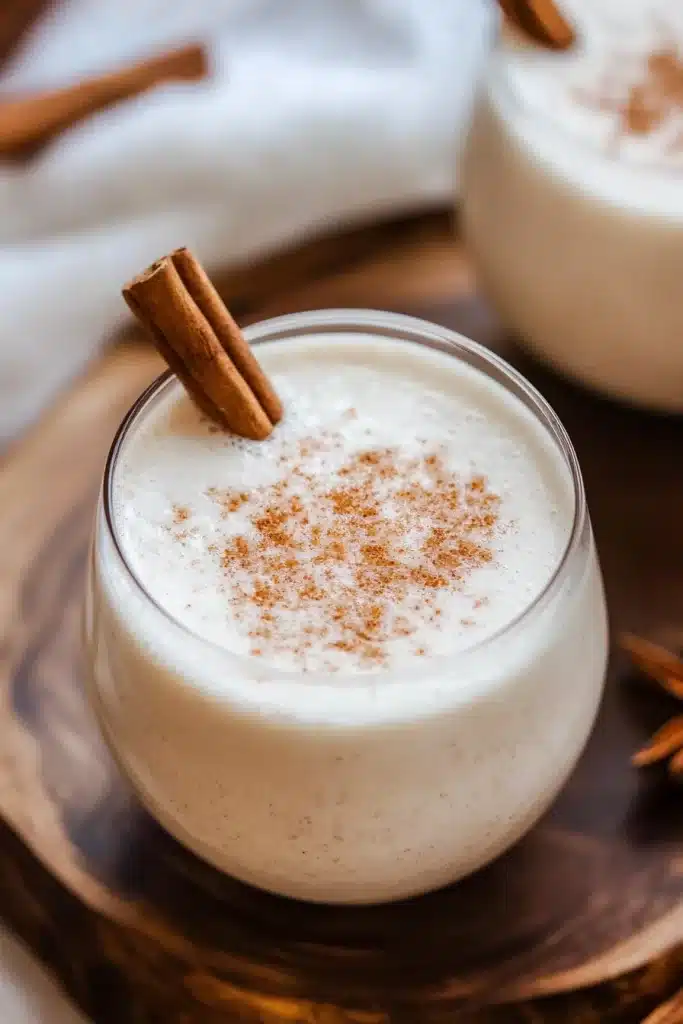
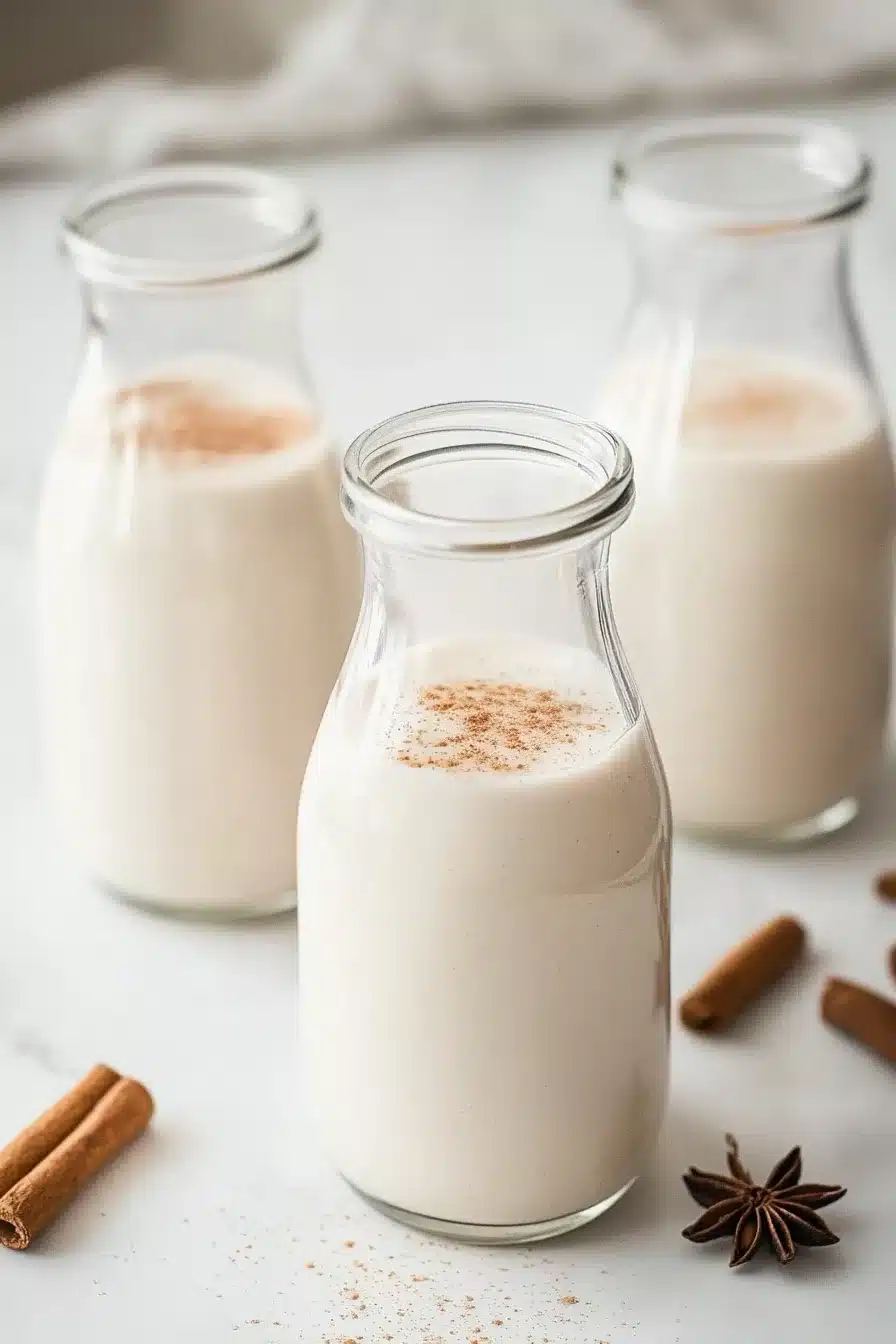
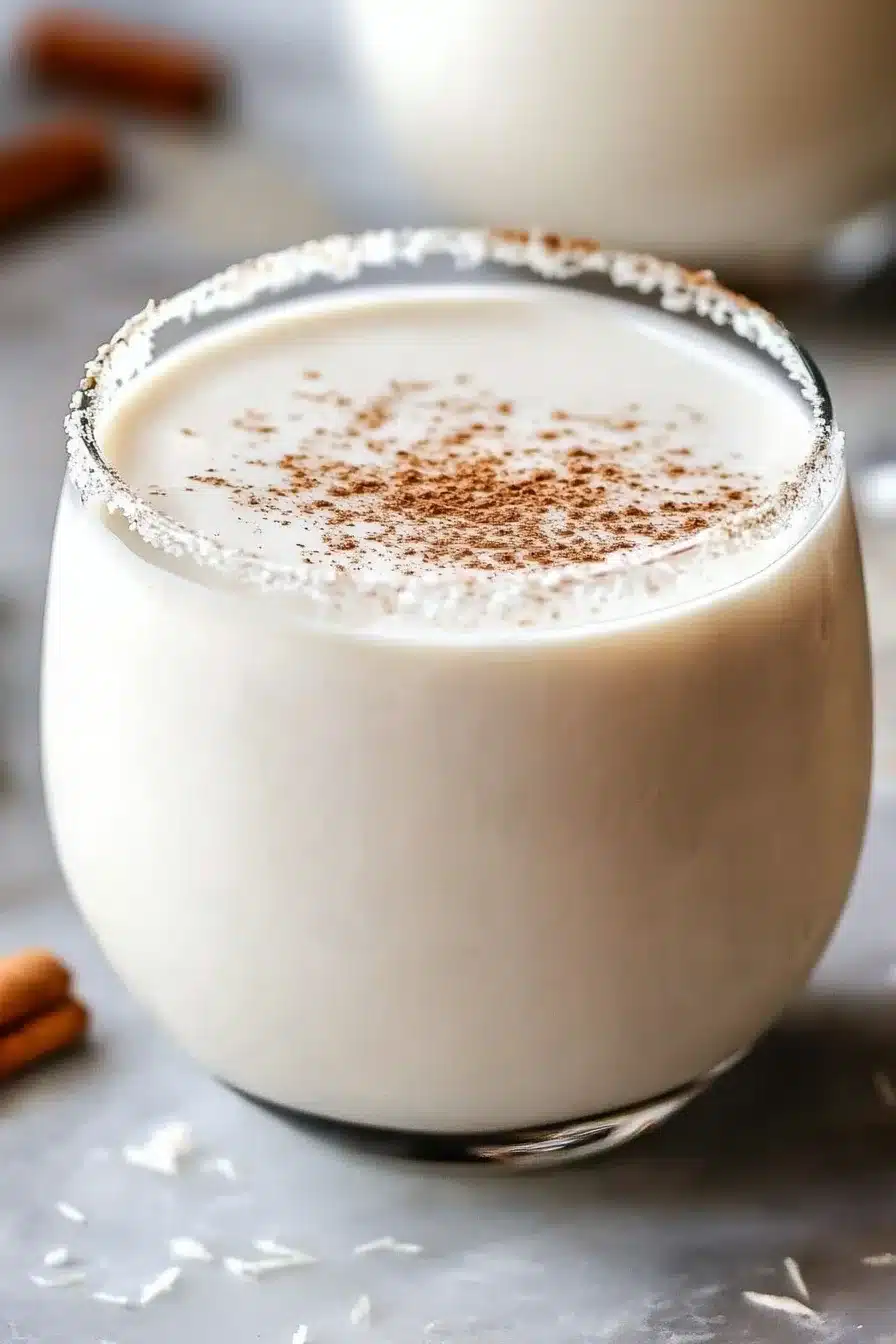
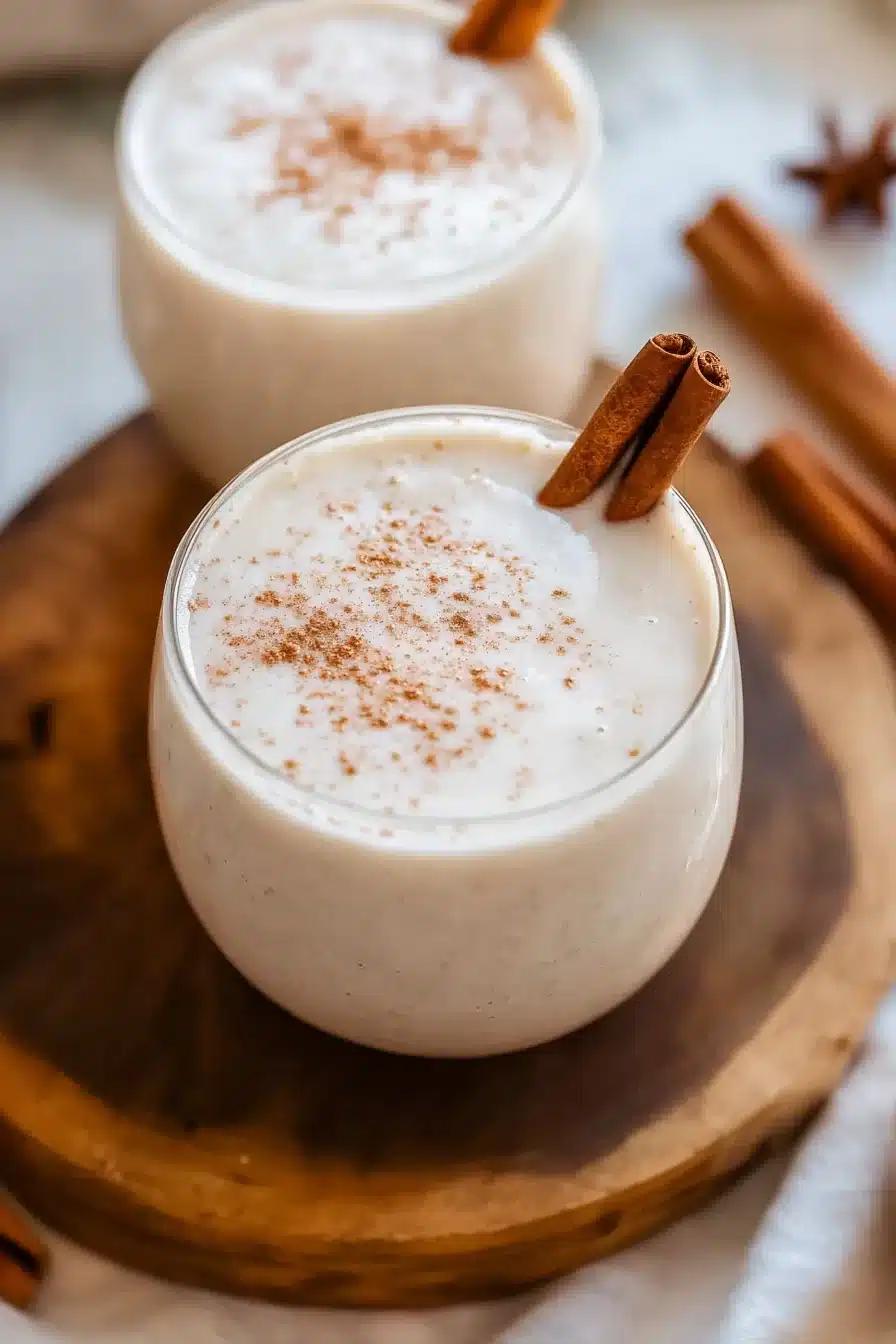
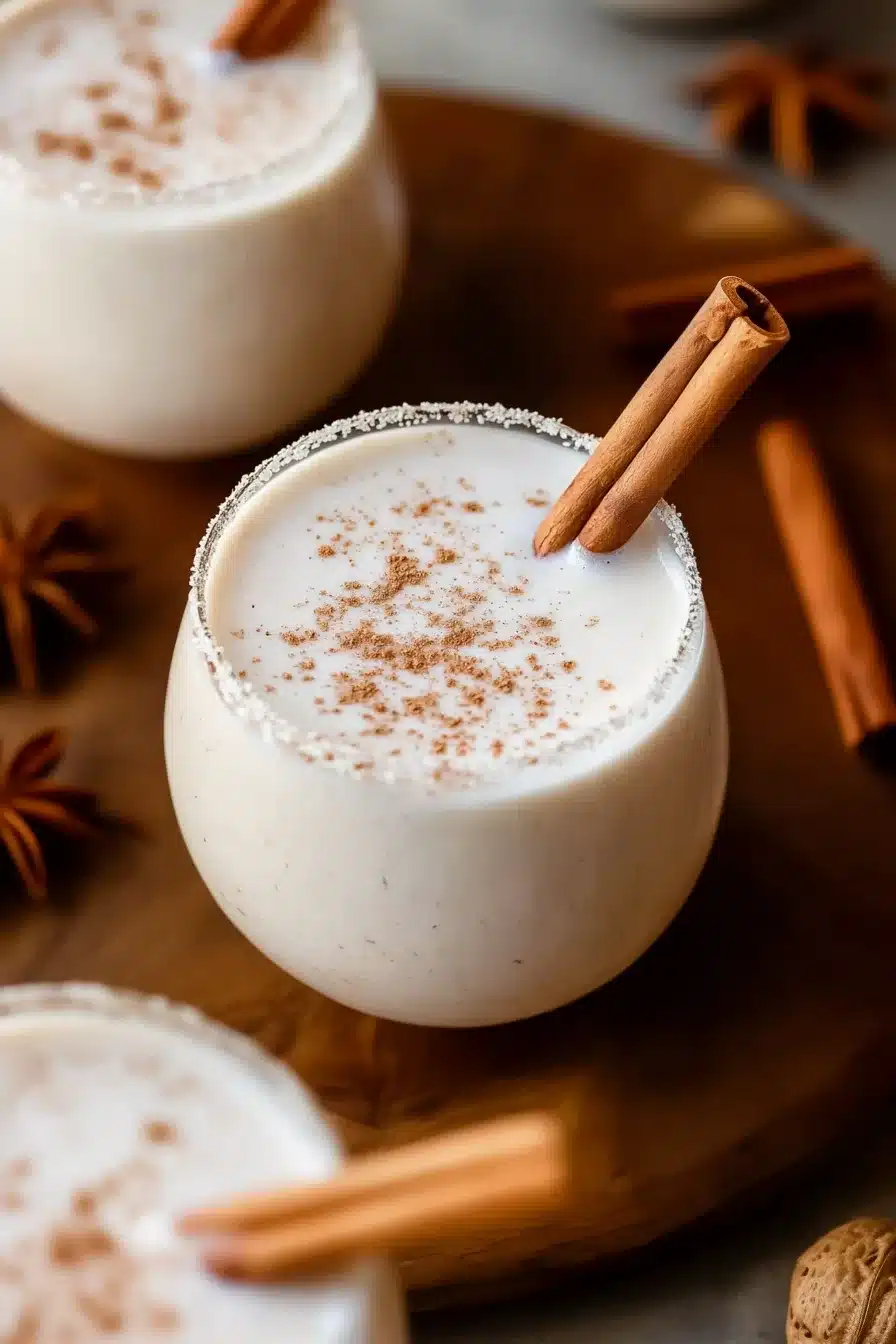
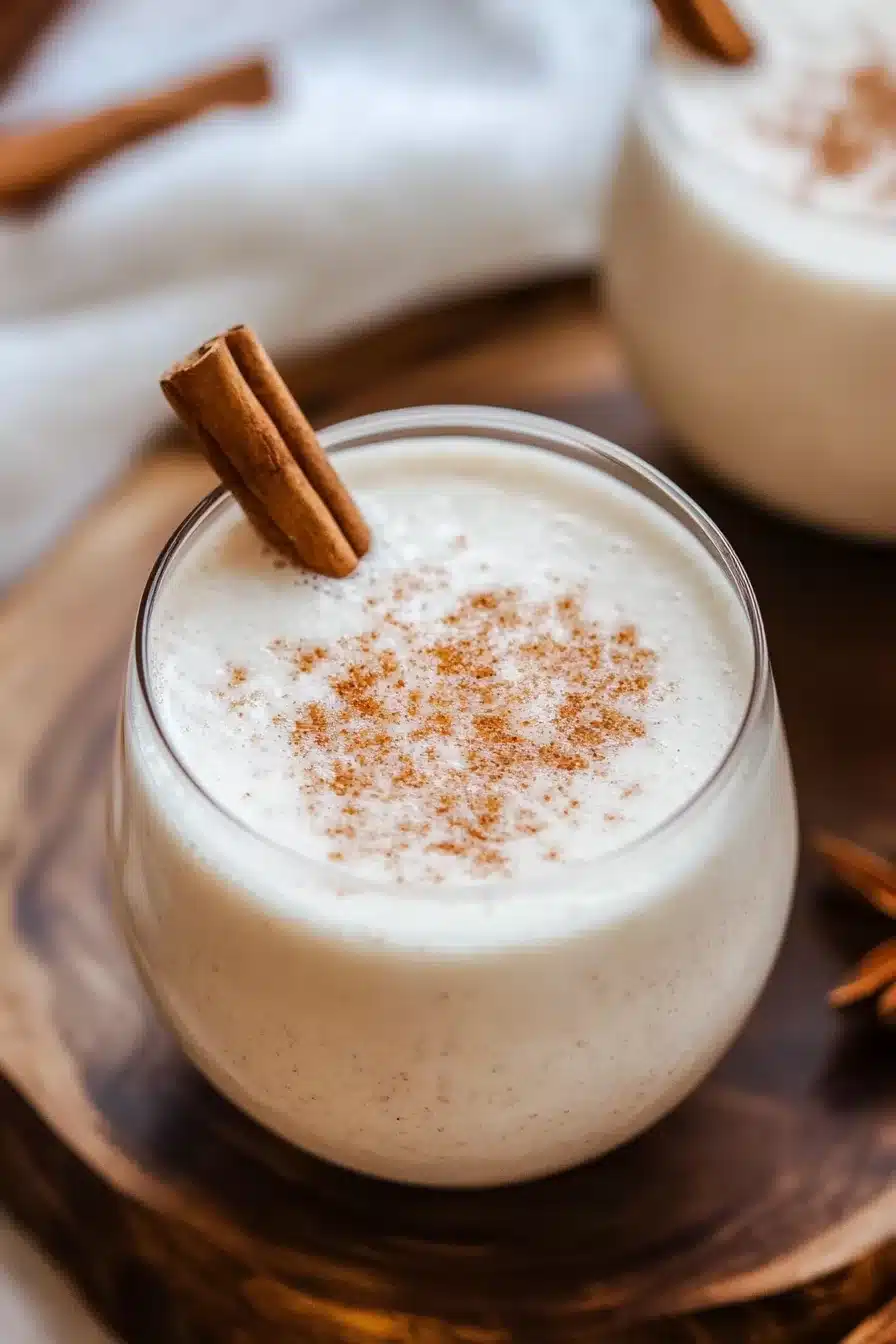
Sweetly spiced and creamy with hints of cinnamon, vanilla, and coconut, this Puerto Rican coquito blends cream of coconut, evaporated milk, rum, and spices into one festive bottle. Think of it like eggnog’s cooler cousin—but make it tropical.

If you’re the kind of person who likes their drinks milky, boozy, coconutty, and dressed up for the holidays, coquito is about to become your new favorite friend. It’s like sipping velvet. Except the velvet tastes like vanilla and cinnamon and coconut cream and rum. (So… not like actual velvet. You get it.)

Table of Contents

Puerto Rican Coquito

Why You’ll Love this Puerto Rican Coquito

Coquito isn’t just for Christmas anymore. I mean, it used to be. But that creamy, dreamy coconut vibe works anytime you want a little sparkle in your glass.

  • Ridiculously simple to make: You just whisk, stir, blend, and chill. That’s it. Minimal clean-up, maximum reward.
  • Make-ahead magic: It needs to chill overnight anyway, so it’s practically begging to be prepped in advance.
  • Velvety smooth texture: Thanks to cream of coconut and sweetened condensed milk, it’s rich and luscious in all the right ways.
  • Customizable spice level: Like it clove-heavy or leaning more toward cinnamon? Tweak it, taste it, make it yours.
  • It tastes like a holiday in a glass: Coconut, vanilla, rum, and spice—it’s giving cozy-tropical.

Puerto Rican Coquito

Ingredient Notes

Only a few pantry staples here, but each one puts in work. Let’s break it down so you can shop (or raid your shelves) like a pro.

  • Evaporated milk: This gives the coquito some backbone without weighing it down. It’s like richness without the cream bomb effect.
  • Egg yolks: They add body and make the whole thing just a little extra… luxurious. Gently cooking them is part of the velvety magic.
  • Cream of coconut: NOT coconut cream (they are different beasts). This one’s sweetened and silky, and totally key to that tropical flavor.
  • Sweetened condensed milk: It smooths everything out and adds that signature sweet slurp. Yes, the syrupy kind in the can.
  • White rum: The subtle bite against all the creamy sweetness? It balances things out. But you control the pour, my friend.
  • Water (or coconut milk): Use water for a lighter sip or coconut milk if you want to lean heavy on the coconut vibe.
  • Vanilla extract: Just a splash wakes things up and ties the sweetness together.
  • Ground cinnamon: Provides warmth and shine. Sprinkle a little extra on top if you’re feeling fancy.
  • Ground cloves: A small amount goes a long way—earthy, spicy, and perfectly moody.

Puerto Rican Coquito

How To Make This Puerto Rican Coquito

This is one of those recipes that feels fancier than it is. There’s a little stovetop action, a little blending, and then you let the fridge do the rest.

  • Gently cook the yolks and milk: Combine the egg yolks and evaporated milk in a double boiler and set it over low heat. Stir it constantly—yes, constantly—until it thickens just slightly. Cook gently so the eggs don’t scramble. Think custard vibes, not breakfast eggs.
  • Remove from heat right away: As soon as the mixture starts to thicken (just a touch), take it off the heat. You’ll be tempted to let it go longer, but trust me, it can go too far real quick.
  • Toss everything in the blender: Pour that custardy goodness into a blender with the cream of coconut, sweetened condensed milk, white rum, water (or coconut milk), vanilla, cinnamon, and cloves. Hit blend until it’s smooth-as-silk.
  • Chill it overnight: Pour the coquito into a sealed jar or bottle, and let it sit in the fridge overnight. Don’t skip this part—everything mellows out, the spices bloom, and the texture thickens up beautifully.
  • Shake and serve: Give the bottle a good shake before serving since things can settle a bit. Then pour it into small glasses, maybe add a cinnamon stick or a tiny sprinkle of cinnamon on top. Sip, smile, repeat.

Puerto Rican Coquito

Storage Options

Coquito is one of those drinks that gets better as it sits, which makes it feel like it’s doing you a favor.

In the fridge, it’ll stay good for about 4 to 6 days, maybe even a bit longer if you used fresh ingredients and didn’t double dip (yep, hygiene matters when you’re dealing with dairy and eggs). Just keep it tightly sealed, and always give it a little sniff and stir before pouring.

Now, can you freeze coquito? You technically can, but the texture might change a bit. When frozen, the dairy can separate slightly, and you’ll have to re-blend or whisk it like your life depends on it. That said, if you freeze it in ice cube trays and pop it into coffee (or…an evening iced chai, no judgment), it’s kinda magical. Not traditional, but we’re living a little.

There’s no reheating here—just thawing if needed, and always chilling before sipping. Room-temp coquito? That’s a texture crime.

Variations and Substitutions

You can absolutely stick with the original, but coquito’s the kind of thing that loves a remix—feel free to get playful.

  • Spiced rum instead of white rum: This bumps up the warmth and adds subtle caramel and vanilla notes. Just know it makes the whole drink a bit darker in flavor (and color).
  • No eggs version: If you want to skip the yolks, just leave them out and blend the rest. You’ll lose some creaminess, but it’s still dreamy—just more streamlined.
  • Swap water for more coconut milk: For folks who like their coquito super coconut-forward (you know who you are), use full-fat coconut milk instead of water.
  • Alcohol-free option: Skip the rum completely and you’ve got yourself a family-friendly treat that still tastes like a holiday hug.
  • Add nutmeg or star anise: Want to take the spices up a notch? A small pinch of nutmeg or a dash of star anise adds more holiday sparkle.

Puerto Rican Coquito

What to Serve with Puerto Rican Coquito

Okay, so you’ve got your coquito all chilled and dreamy. What’s next? Something sweet, or maybe salty, or both. Let’s pair it up.

  • Warm, garlicky breadsticks might sound like an odd match, but hear me out. The salty-savory contrast actually balances the rich sweetness of coquito really nicely, like caramel and sea salt had a party.
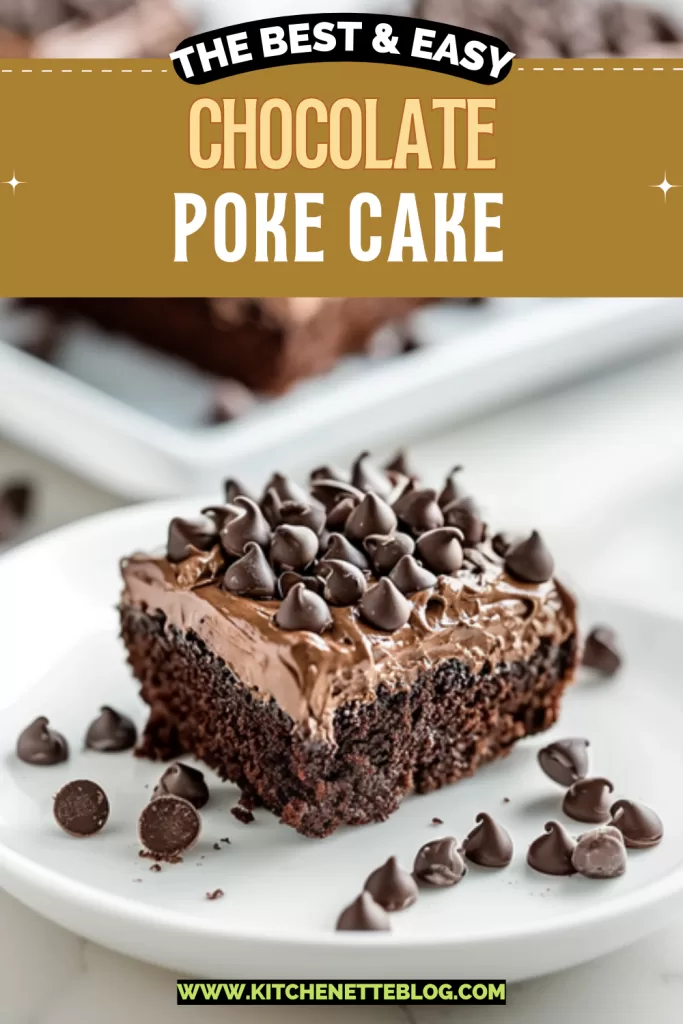
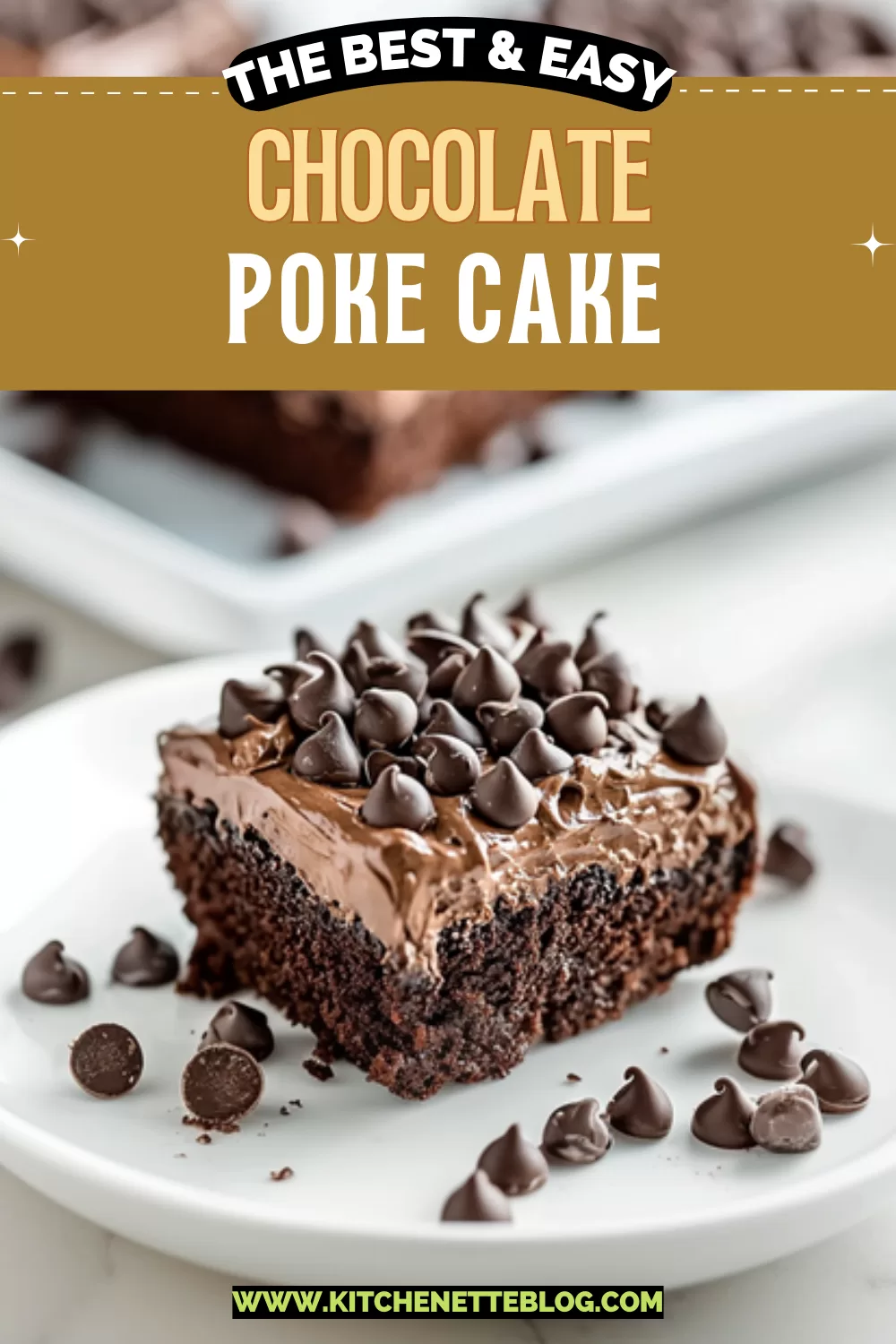
  • A little sweet-on-sweet never hurt. Something like this chocolate poke cake with oozy filling? Yes. Yes to all of it. Chocolaty desserts work surprisingly well here, especially when chilled.
  • Got a bowl of spiced nuts or candied pecans? Toss those on the table. The crunch cuts the silky sip of the coquito perfectly and adds a warm note without going full dessert.
  • Even crackers with a smear of soft cheese and a drizzle of honey can sneak into a coquito spread. Call it a fancy snack board. Bonus points if the cheese is creamy and tangy like goat or brie.
  • And, obviously, coquito pairs with more coquito. Serve shots with different spice tweaks and have some fun with it.

Puerto Rican Coquito

Frequently Asked Questions

Can I make Puerto Rican coquito without eggs?

Yes, you totally can skip the eggs if you’re not into the whole tempering thing or just want a lighter version. The egg yolks add that extra creamy, custardy depth, but if you blend everything else (the coconut cream, milks, rum, spices), you’ll still end up with a deliciously smooth drink. Just give it a good whirl in the blender to help that milky-fatty goodness emulsify well, and chill it overnight for best flavor.

How long does homemade coquito last in the fridge?

Realistically, it’ll keep in the fridge for 4 to 6 days—sometimes even up to a week if you didn’t use eggs, kept everything super clean, and sealed it up tight. You might notice it thickens more over time, which is great. Just shake or stir before pouring. If it smells funky or looks separated beyond repair, it’s time to let it go (cue Elsa).

Does coquito always have alcohol?

Traditionally, yes—rum is part of coquito culture. But these days, folks often make alcohol-free versions so kids or those avoiding booze can still enjoy it. Just leave out the rum, and maybe up the vanilla a little. You could even add a splash of rum extract if you’re feeling clever.

Can I freeze coquito?

You can, but heads up—the texture may change a bit after thawing. Dairy and coconut fats can separate once frozen, so if you do freeze it, let it thaw fully in the fridge, then give it a long, vigorous stir or a trip through the blender to bring it back to life. Or freeze it in cubes and pop one into your coffee for a sneaky holiday twist.

Puerto Rican Coquito

Puerto Rican Coquito

Prep Time 15 minutes
Cook Time 10 minutes
Chill Time (overnight) 12 hours
Total Time 25 minutes
Sweetly spiced and creamy with hints of cinnamon, vanilla, and coconut, this Puerto Rican coquito blends cream of coconut, evaporated milk, rum, and spices into one festive bottle. Think of it like eggnog’s cooler cousin—but make it tropical.
10 glasses

Ingredients

  • 1 can (12 oz) (354 ml) evaporated milk
  • 2 egg yolks large
  • 1 can (15 oz) (425 g) cream of coconut like Coco Lopez, not coconut cream
  • 1 can (14 oz) (396 g) sweetened condensed milk
  • 1 cup (240 ml) white rum or to taste
  • 1 cup (240 ml) water or coconut milk use coconut milk for stronger coconut flavor
  • 1 tsp (5 ml) vanilla extract
  • 1 tsp (2 g) ground cinnamon plus more for garnish
  • 1/8 tsp (0.5 g) ground cloves

Equipment

  • Double Boiler or Heatproof Bowl
  • Blender
  • Jar or Bottle (for chilling)
  • Whisk

Instructions
 

  1. In a double boiler or heatproof bowl set over a pan of simmering water, whisk together the egg yolks and evaporated milk. Stir constantly over low heat until the mixture thickens just slightly and coats the back of a spoon. Do not let it boil or scramble.
  2. Immediately remove from heat once thickened. Let it cool for a couple of minutes.
  3. Pour the cooled egg and milk mixture into a blender. Add the cream of coconut, sweetened condensed milk, white rum, water (or coconut milk), vanilla extract, ground cinnamon, and ground cloves.
  4. Blend until smooth and fully combined.
  5. Pour the coquito into a large sealed jar or bottle. Chill overnight in the refrigerator to allow the flavors to meld and the texture to thicken.
  6. Before serving, shake well. Pour into small glasses and garnish with a pinch of cinnamon or a cinnamon stick if desired.

Notes

Coquito will keep in the fridge for 4-6 days if tightly sealed and prepared with fresh ingredients. For a non-alcoholic version, simply leave out the rum. The drink thickens as it chills; add a splash of milk or coconut milk to loosen, if needed. See recipe post above for more variations and serving ideas.

Nutrition

Calories: 300kcal | Carbohydrates: 37g | Protein: 4g | Fat: 11g | Saturated Fat: 10g | Cholesterol: 37mg | Sodium: 85mg | Potassium: 282mg | Sugar: 34g | Vitamin A: 122IU | Vitamin C: 1mg | Calcium: 130mg | Iron: 0.5mg

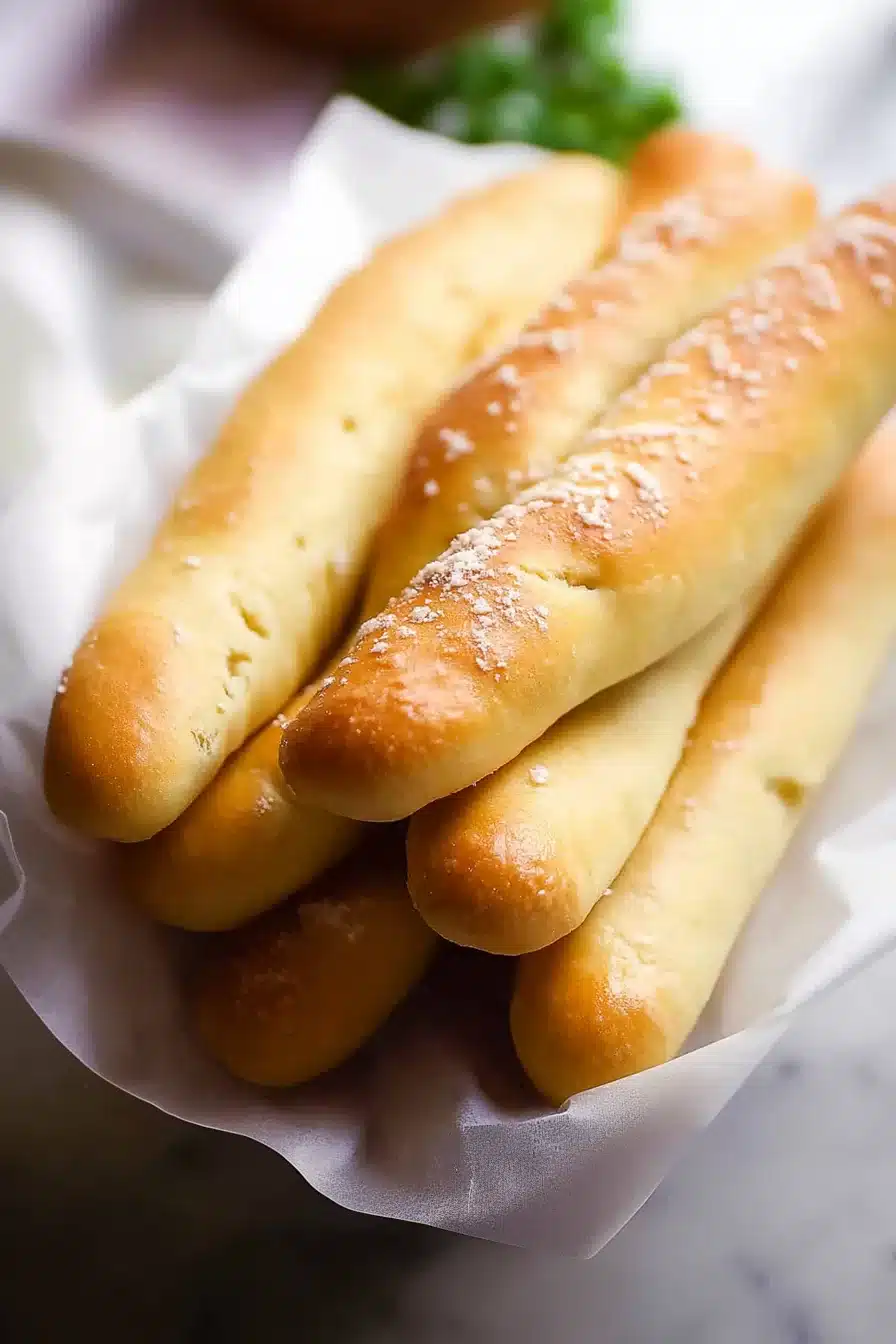
Warm, buttery, garlicky Olive Garden breadsticks with flour, yeast, melted butter, and a little sugar—you’ll want to eat them hot right off the tray.

These breadsticks are a soft, slightly chewy miracle with a golden crust and savory garlic topping. They’re ridiculously snackable (honestly, maybe too snackable?), and they fill your kitchen with that cozy, bakery smell I wish I could bottle.

From the first bite, these copycat Olive Garden breadsticks will have you wondering why on earth you ever put on real pants to go get them. There’s something weirdly comforting about replicating a restaurant bite-for-bite in your own flour-dusted kitchen. Maybe it’s the smell of fresh-baked dough… or maybe it’s just the smug joy of unlimited breadsticks without a side of small talk. Either way, these are perfect fresh out of the oven on a chill night, or alongside dinner when it needs something bready. No pretense, no fluff. Just a soft, garlicky carb hug.

Table of Contents

Olive Garden Breadsticks

Why You’ll Love this Olive Garden Breadsticks

These aren’t your average dinner rolls. These are pillow-soft on the inside, golden on the outside, and always disappear before I’d like to admit.

  • Ridiculously simple to make: You just mix, knead, rise, roll, and bake—nothing wild or technical here.
  • That iconic chewy-tender texture: Soft and slightly springy, like a plush bread hug for your mouth.
  • Savory garlic butter topping: Melted butter + garlic salt = yes. No notes.
  • They freeze like champs: So you can have warm, fresh breadsticks whenever scrolling through takeout menus leaves you uninspired.
  • Perfect with just about anything: Soups, salads, pasta… or just you on the couch.
  • Kid-tested, adult-inhaled: Even picky eaters fold for these.

Olive Garden Breadsticks

Ingredient Notes

Just a handful of ingredients, but each one earns its place. Nothing fancy here—just the good stuff.

  • Warm water: It needs to be just warm enough to wake up the yeast, but not a scorch-fest. Aim for around 110°F.
  • Active dry yeast: This gives the breadsticks lift and softness. Let it get nice and foamy in the water to prove it’s alive. Like a microbial proof of life.
  • Granulated sugar: Just a touch helps feed the yeast and gives a whisper of sweetness—not obvious, but you’d miss it if it wasn’t there.
  • All-purpose flour: Go classic here. The amount you need may vary slightly, depending on your kitchen’s humidity, but start with the 3 cups and adjust as you go.
  • Salt: There’s salt inside the dough and on top. Trust me, you want both. It wakes up the flavor.
  • Olive oil (or vegetable): This makes the dough soft, a little rich, and helps with that tender interior.
  • Garlic powder: Paired with salt and butter, it gives that dreamy, craveable topping.
  • Unsalted butter: For brushing the tops right out of the oven—let it soak in and carry the garlic salt into every bite.

Olive Garden Breadsticks

How To Make This Olive Garden Breadsticks

Okay, deep breath. Grab your stand mixer and let’s carb it up. It’s a chilled-out process, I promise. Most of the time is just waiting and maybe poking the dough once or twice.

  • Bloom the yeast: In the bowl of your stand mixer, combine warm water, yeast, and just a smidge (1/2 teaspoon) of sugar. Whisk it gently until you don’t see any dry granules. Now let it hang out for about 10 minutes. You’ll know it’s ready when it’s foamy and smells like bread already. If nothing happens, your yeast may be kaput.

  • Start the dough: Add the remaining sugar, the first half of the flour (about 1.5 cups), salt, and oil. Use the paddle attachment at low speed just to mix everything together. You’ll get something that looks vaguely like dough but not quite there yet.

  • Knead the dough: Switch to the dough hook, add the rest of the flour, and let the machine knead at low speed for about 7–8 minutes. You’re aiming for a dough that pulls away from the sides and feels soft, smooth, and elastic. If it’s too sticky, sprinkle in up to 1/4 cup more flour, a tablespoon at a time.

  • First rise: Plop that dough into a lightly greased bowl, cover with plastic wrap (or a clean kitchen towel), and let it rise in a warm, draft-free spot for about 90 minutes. You’re looking for it to double in size, like a little marshmallow cloud.

  • Shape the breadsticks: Once it’s puffed and giggly, punch down the dough. (Yes, punch it. Gently. You’re the boss.). Divide your dough into 12 pieces. Roll each into a rope about 8 inches long like you’re making play-dough snakes.

  • Second rise: Place the ropes on two parchment-lined baking sheets with space between them so they don’t become one big mega-breadstick. Cover again and let them rise for another hour.

  • Bake time: During the last 10 minutes of the second rise, preheat your oven to 425°F. Bake the breadsticks for about 11–13 minutes, depending on your oven. You’re aiming for golden tops with toasty edges. The moment you see that golden glow, pull ’em out.

  • Butter and garlic finish: Immediately (like, before you peel off your oven mitt), brush the tops with melted butter. Sprinkle over your salt and garlic powder mix while they’re still warm and buttery so it sticks like a dream.

Olive Garden Breadsticks

Storage Options

Let’s be honest: leftovers are rare. But if you’ve got a little self-control, these breadsticks keep surprisingly well.

For short-term storage, pop the cooled breadsticks into an airtight container or ziplock bag and stash them on the counter for up to 2 days. Will they be peak fluffy? Not quite. But a quick zap in the microwave or warm-up in the oven (wrapped in foil, maybe with a dab of butter) goes a long way.

Want to keep them longer? Freeze those beauties! After baking and cooling, freeze in a single layer on a tray. Once solid, toss them all into a freezer bag. That way, you can pull one out as needed and defrost at your leisure (or desperate craving). Warm them in the oven at 350°F for about 10–12 minutes straight from frozen. Boom—back to soft, warm carb bliss.
Oh, and if you’re on a garlic-free kick (weird, but okay), I’d brush with plain butter instead and skip the topping. They still work.

Variations and Substitutions

You don’t have to play it straight if you don’t want to. These breadsticks are ready for a little improvisation.

  • Whole wheat flour: Sub in 1 cup of whole wheat flour if you’re feeling wholesome. They’ll be a bit heartier but still plenty soft.
  • Herbed butter finish: Melt butter with a pinch of dried oregano, thyme, or even basil before brushing if you want a flavored bakery vibe.
  • Cheesy garlic sticks: Add a light sprinkle of finely grated Parmesan or Romano right after the butter-brushing step. Melts in, adds a nutty bite.
  • Vegan swap: Sub butter with plant-based spread and use olive or vegetable oil in the dough. Boom, fully vegan breadsticks.
  • Mini version: Split the dough and roll shorter lengths to make adorable “party size” breadsticks. They’re fun dipping-sized snacks—just slice the bake time to 7–9 mins.

Olive Garden Breadsticks

What to Serve with Olive Garden Breadsticks

These little guys play well with just about anything savory. But if you’re building your dream spread, here are a few ideas.

They’re magic alongside a soup—especially something creamy. Like, say, tomato basil or broccoli cheddar. Tear and dunk. Repeat. You could even serve them with this pan seared cod and rainbow chard to balance out the richness.

Need carbs on carbs? Pasta is the obvious bestie. A bowl of spaghetti, fettucine alfredo, lasagna, or honestly, just buttered noodles sling well with these breadsticks lounging on the side.

If you’re doing a salad-as-main-night (props to you), these add heft. Caesar salad especially… crunchy romaine, salty cheese, creamy dressing… and hot garlicky bread alongside? Yes.

Hosting a casual gathering? Skip chips. Stack these in a napkin-wrapped basket with a side of warm marinara or even alfredo sauce. Fancy appetizer? Not really. Way better? Absolutely.

Oh, and they’re a great finish to a cozy dinner before something sweet shows up. Like this Texas sheet cake, if we’re going there. And I definitely am.

Olive Garden Breadsticks

Frequently Asked Questions

Can I make Olive Garden breadsticks without a stand mixer?

Yep! You’ll just want to mix everything by hand in a large bowl with a wooden spoon, then knead the dough on a lightly floured surface for about 10 minutes. It’s a bit more of an arm workout, but dare I say therapeutic? Just keep going until the dough is smooth and elastic. You’ll get a feel for it.
Why didn’t my breadsticks rise properly?

It could be a yeast issue. Double-check that your yeast wasn’t expired and that your water was warm (around 110°F), not hot. Too hot will kill the yeast, too cold won’t wake it up. Also, be sure to give them enough time to rise in a cozy, draft-free spot. Breadsticks like naps too, apparently.

Can I freeze the dough instead of baking it right away?

You can! After shaping into breadstick form but before the second rise, freeze them on a baking sheet until solid. Then toss them in a bag or container. When you’re ready to bake, let them thaw and fully rise (about 2 hours) before putting in the oven. Just add a couple extra minutes to the bake time.

How do I make them extra soft and fluffy?

The trick is a gentle knead and proper rise time. Don’t rush the proofing process—even if the dough looks ready, give it time to double for max fluffiness. Also, don’t skimp on the butter finish. That alone boosts softness and gives them that signature melt-in-your-mouth quality.

Olive Garden Breadsticks

Olive Garden Breadsticks

Prep Time 25 minutes
Cook Time 13 minutes
Rising Time 2 hours 30 minutes
Total Time 2 hours 40 minutes
Warm, buttery, garlicky Olive Garden breadsticks with flour, yeast, melted butter, and a little sugar—you’ll want to eat them hot right off the tray. Soft, slightly chewy, with a golden crust and savory garlic topping, these copycats fill your kitchen with that cozy, bakery smell. Perfect fresh out of the oven on a chill night, or alongside dinner when it needs something bready. No pretense, no fluff. Just a soft, garlicky carb hug.
12 breadsticks

Ingredients

Dough

  • 1 cup (240 ml) warm water about 110°F
  • 2 1/4 tsp (7 g) active dry yeast
  • 2 tbsp (25 g) granulated sugar divided use
  • 3 cups (390 g) all-purpose flour plus up to 1/4 cup extra as needed
  • 1 1/2 tsp (9 g) salt plus more for topping
  • 2 tbsp (30 ml) olive oil or vegetable oil

Topping

  • 4 tbsp (56 g) unsalted butter melted, for brushing
  • 1 tsp (2 g) garlic powder
  • 1/2 tsp (3 g) salt

Equipment

  • Stand Mixer (optional)
  • Mixing bowls
  • Baking Sheets
  • Plastic Wrap or Kitchen Towel
  • Parchment paper
  • Pastry brush

Instructions
 

  1. Bloom the yeast: In the bowl of your stand mixer, combine warm water, yeast, and 1/2 teaspoon of the sugar. Whisk gently to dissolve. Let sit for about 10 minutes, until foamy.
  2. Start the dough: Add the remaining sugar, 1.5 cups of flour, salt, and oil. Mix with the paddle attachment (or by hand) on low until just combined.
  3. Knead the dough: Switch to the dough hook. Gradually add the remaining flour and knead for 7–8 minutes, until the dough is soft, smooth, and elastic and pulls away from the bowl. If it’s very sticky, add up to 1/4 cup more flour, 1 tbsp at a time.
  4. First rise: Place the dough in a lightly greased bowl and cover with plastic wrap or a clean towel. Let rise in a warm, draft-free spot for 90 minutes, until doubled in size.
  5. Shape the breadsticks: Punch down the dough, then divide it into 12 equal pieces. Roll each piece into a rope about 8 inches long. Arrange them on two parchment-lined baking sheets, spaced apart.
  6. Second rise: Cover with plastic or a towel and let rise again for about 1 hour, until noticeably puffy.
  7. Bake: During the last 10 minutes of rising, preheat your oven to 425°F (220°C). Bake the breadsticks for 11–13 minutes, until just golden on top.
  8. Butter and garlic finish: Brush the hot breadsticks immediately with melted butter. Mix salt and garlic powder, then sprinkle over the tops while still warm.

Notes

Storage: Store leftovers in an airtight container at room temperature up to 2 days; reheat to refresh softness. To freeze, let the baked breadsticks cool, then freeze in a single layer before storing in a bag. Bake from frozen at 350°F (175°C) for 10–12 minutes.
Variations: Use 1 cup whole wheat flour in place of some all-purpose for a heartier texture; brush with herbed butter or sprinkle grated Parmesan after buttering for a cheesy finish; substitute butter and oil with vegan alternatives for dairy-free breadsticks.

Nutrition

Calories: 162kcal | Carbohydrates: 27g | Protein: 4g | Fat: 4g | Saturated Fat: 2g | Cholesterol: 8mg | Sodium: 310mg | Potassium: 40mg | Fiber: 1g | Sugar: 2g | Vitamin A: 90IU | Calcium: 10mg | Iron: 1.6mg

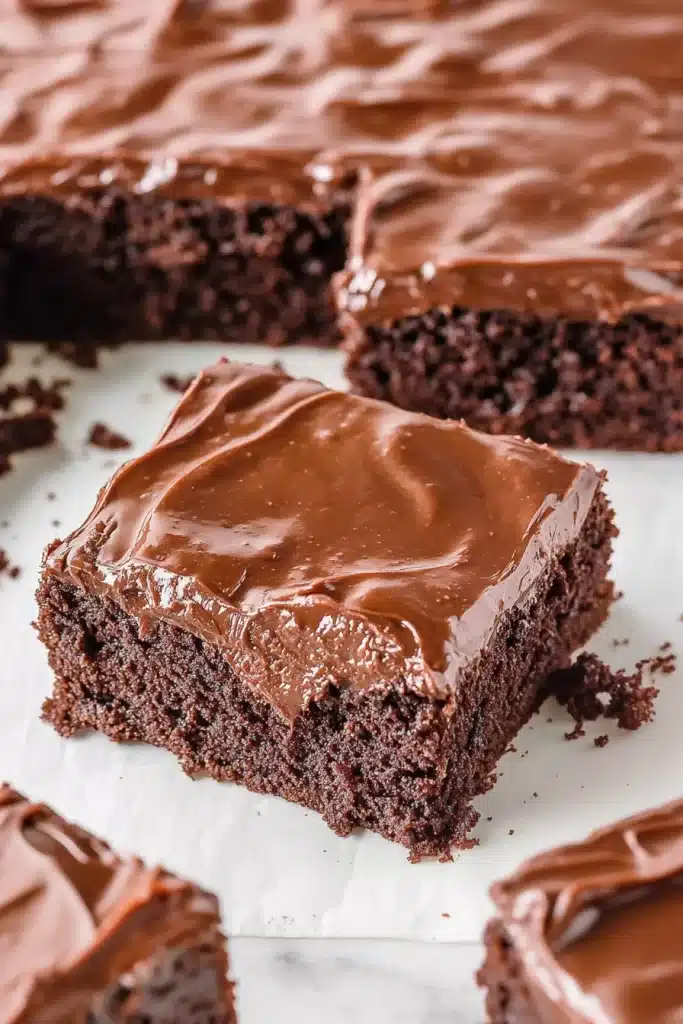
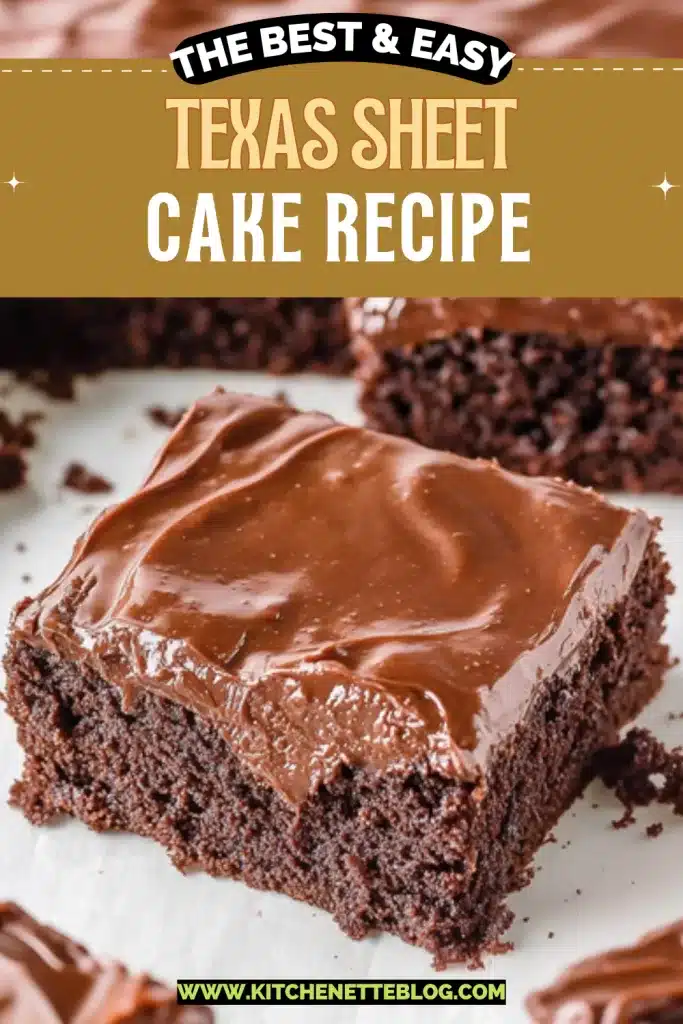
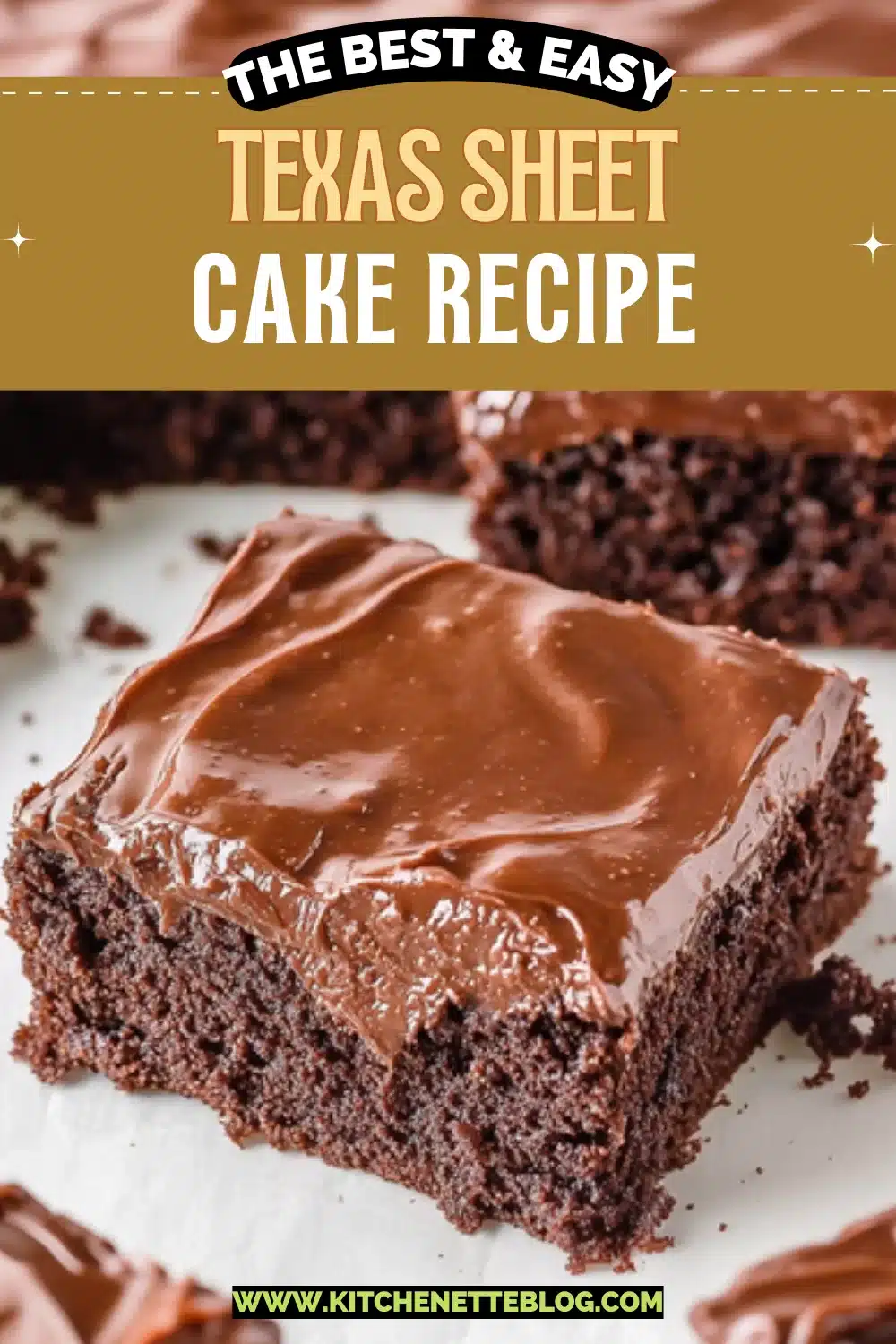
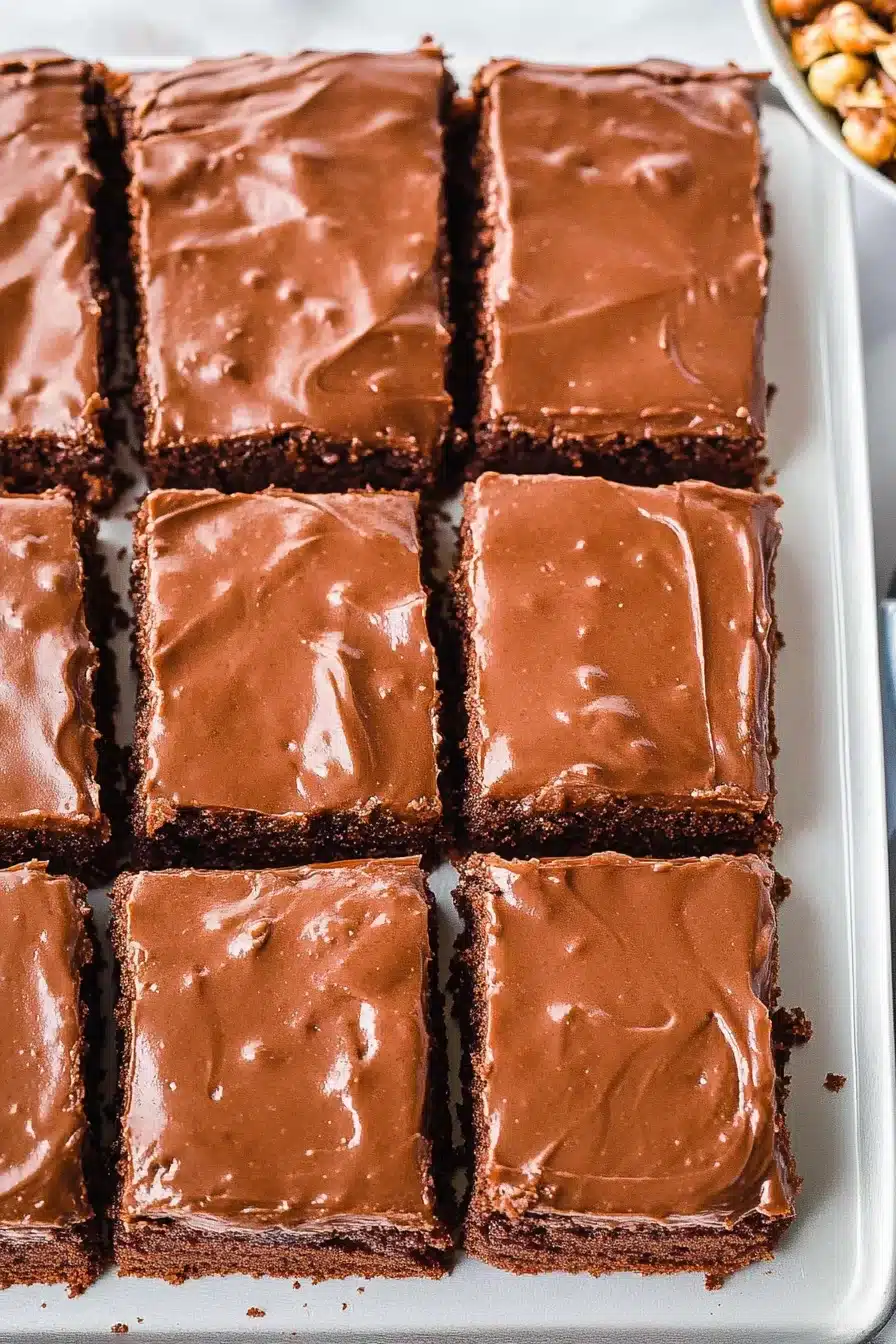
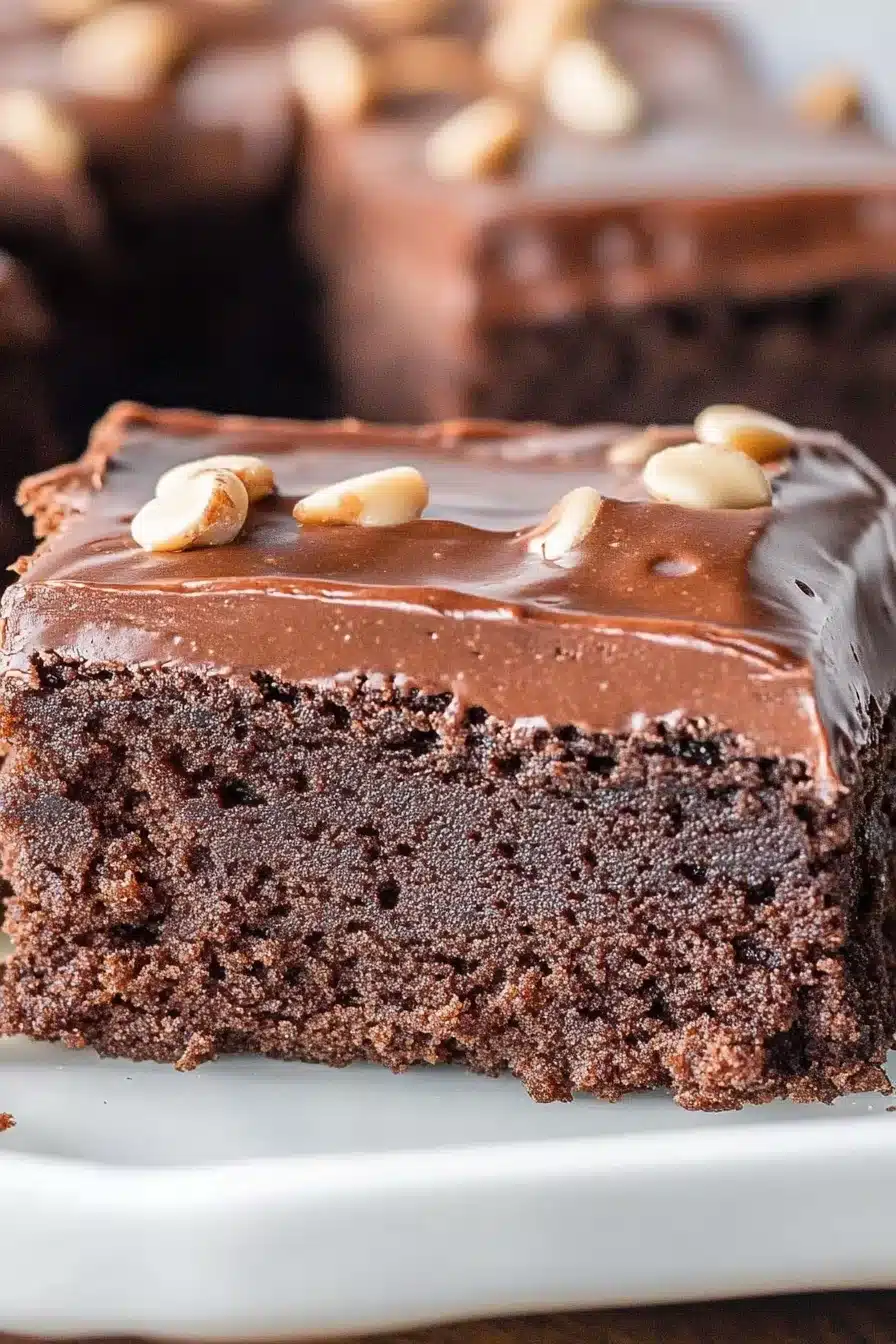
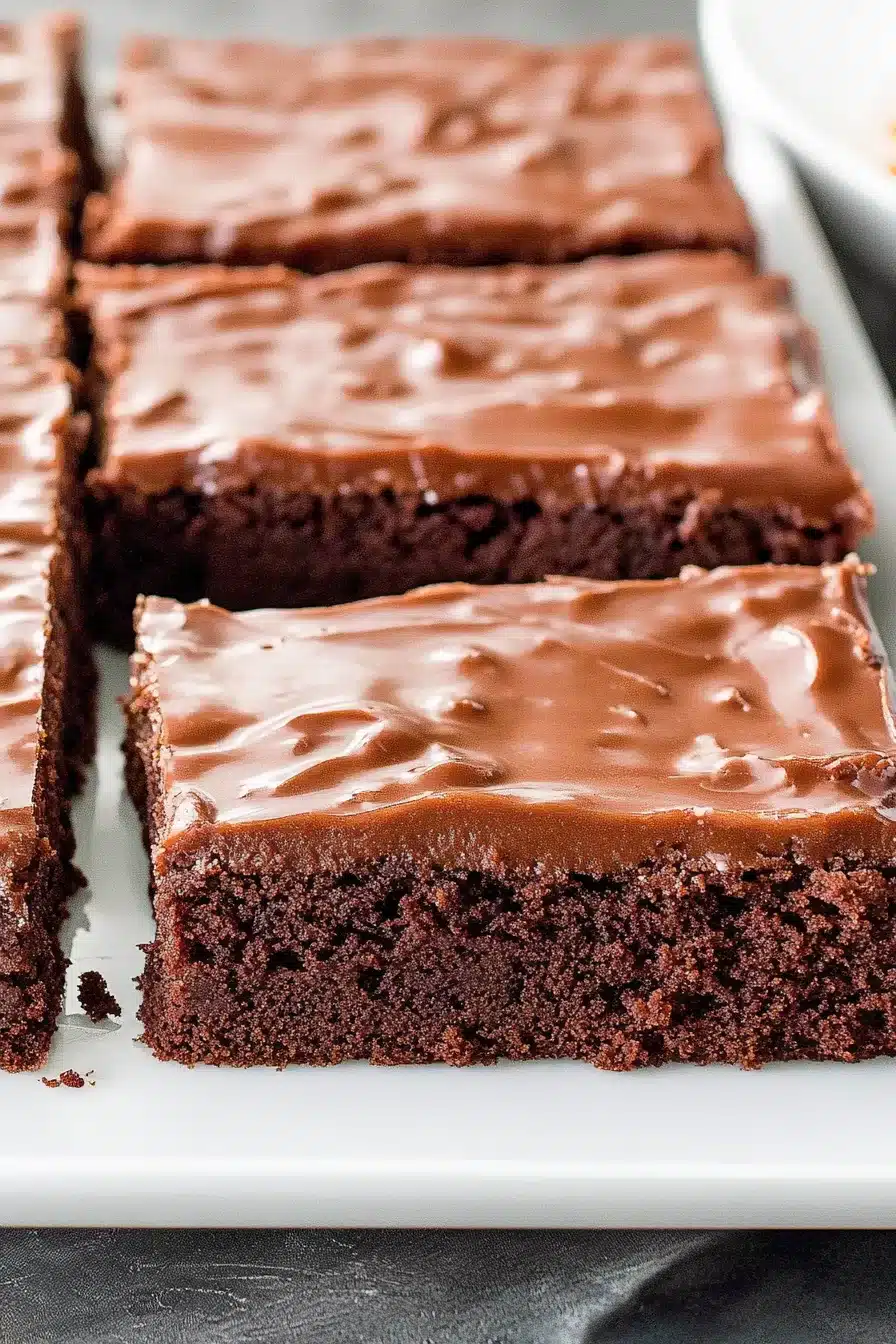
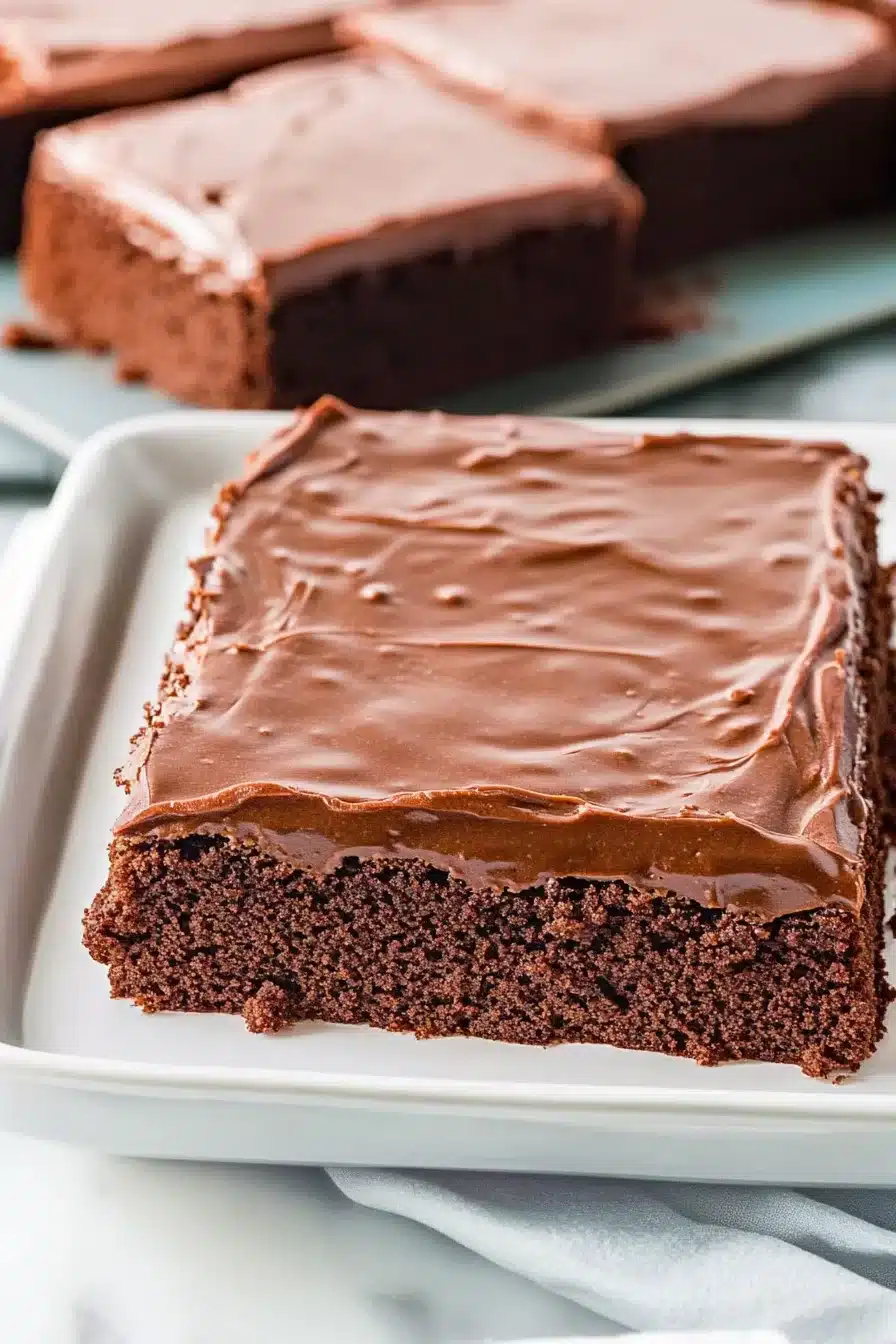
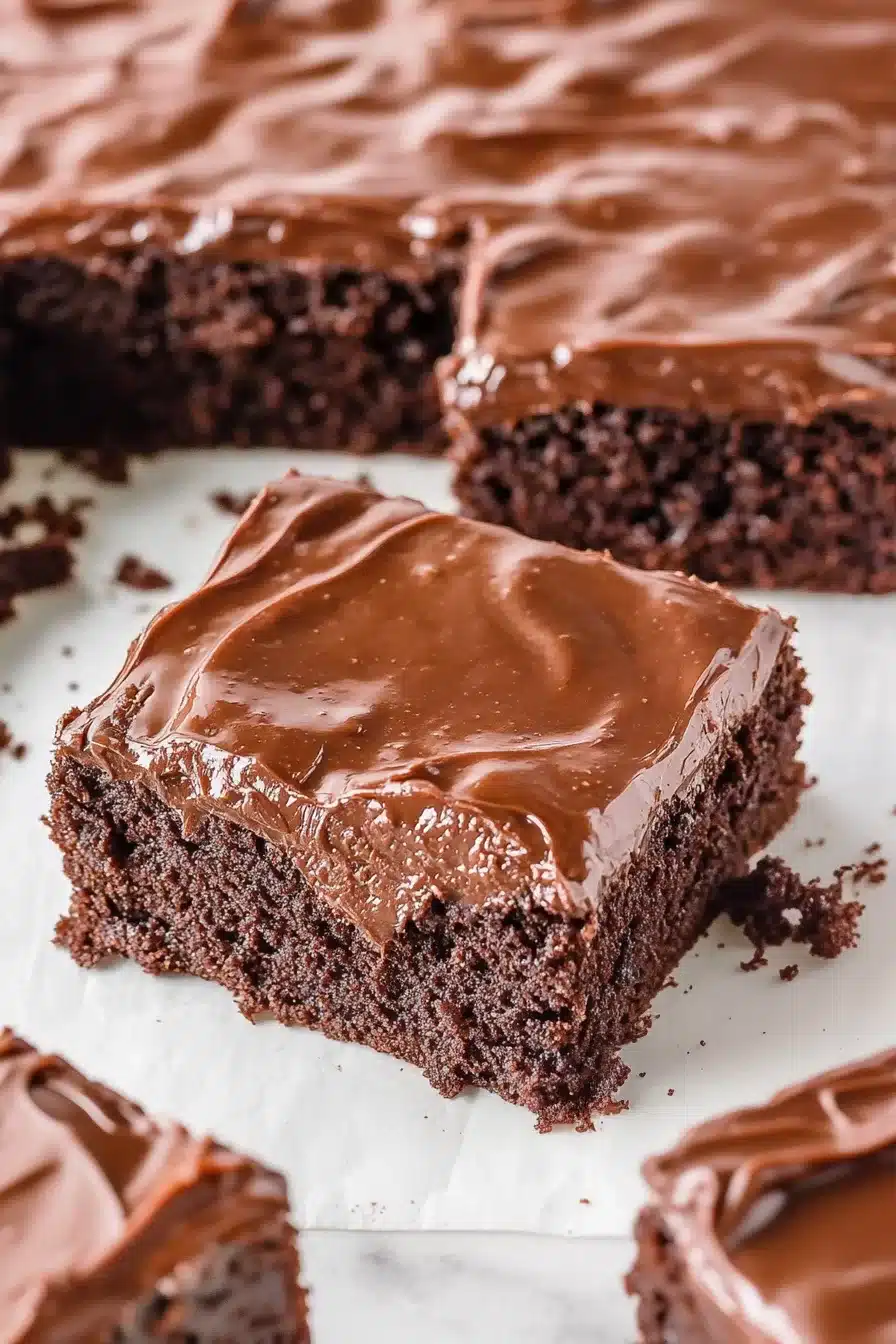
Big chocolate energy incoming: this Texas sheet cake is overflowing with buttery richness, cocoa warmth, and that irresistible fudgy-top-meets-cakey-bottom situation. Made with pantry classics like flour, sugar, cocoa, butter, and a splash of sour cream, it’s got just the right balance of old-school texture and gooey flair.

Let’s be real—Texas sheet cake is not trying to be fancy. That’s part of its charm. It’s cozy, nostalgic, and has been the reliable “bring a fork right now” dessert for decades. This version comes together with a mix of stovetop stirring and laid-back mixing, baked in a big ol’ sheet pan so there’s plenty to go around. Whether you’re sharing it at a potluck or sneakily slicing off another corner at midnight, the soft crumb and warm, crackly icing hit the sweet spot every time.

Table of Contents

Texas Sheet Cake Recipe

Why You’ll Love this Texas Sheet Cake Recipe

This cake doesn’t need a lot of hype, but let’s give it a little love anyway.

  • Ridiculously simple to make: You melt stuff, stir stuff, and pour it all in a pan. Not even a mixer required.
  • Deep chocolate flavor: Two rounds of cocoa mean it’s chocolaty without being too rich or bossy.
  • Perfect crackly icing layer: Poured over the cake while it’s still warm, it soaks in just the right amount.
  • Feeds a crowd with zero stress: It’s huge, flat, and slices without falling apart or getting weird edges.
  • Super versatile occasion-wise: Works at weeknight dinners, birthdays, office parties—or breakfast (no judgment).
  • Optional walnuts, aka pro move: They add a satisfying crunch that sings with the soft cake and warm frosting.

Texas Sheet Cake Recipe

Ingredient Notes

You’ve probably got most of this on hand already, which feels like a little win before chocolate is even involved.

  • Butter: We’re using a lot, and for good reason. It adds deep, toasty flavor and helps the icing set into that dreamy layer.
  • Cocoa powder: Go with unsweetened. It brings that rich, dark-chocolate flavor without excess sugar muddling things up.
  • Flour: All-purpose is perfect here—sturdy enough to hold up to the gooey icing but still bakes nice and tender.
  • Granulated sugar: Not just for sweetness—it helps with structure too. Don’t skimp or swap this one.
  • Baking soda and salt: Together, they do their usual baking magic, keeping everything soft, fluffy, and balanced.
  • Sour cream: Adds tang and moisture. If you’re out, plain Greek yogurt works in a pinch (but let’s be honest, sour cream wins).
  • Eggs: They bind everything together and keep the cake from collapsing on itself in the oven.
  • Milk (for the icing): Helps thin out the icing so it’s pourable but still sets. Whole milk is best, but use what you’ve got.
  • Powdered sugar: Essential for that classic crackly icing glaze. Sift it if it’s lumpy, or live on the edge like me.
  • Vanilla extract: Just a splash brightens up all that chocolate.
  • Chopped walnuts (optional): Highly encouraged; gives a nice surprise crunch and a grown-up vibe.

Texas Sheet Cake Recipe

How To Make This Texas Sheet Cake Recipe

If you’ve got 30-ish minutes, a pan, and some stovetop commitment, you’re golden. This thing basically makes itself once everything’s stirred.

  • Prep your pan and oven: Preheat to 350°F and butter a large 10×15-inch sheet pan. Dust it with flour so nothing sticks. Grab your medium saucepan for the stovetop portion.

  • Make the chocolate-butter mixture: Melt the butter over low heat, then stir in water and 5 tablespoons of cocoa. Bring it to a gentle boil—bubbly but not splattering. Turn off the heat and let it cool a bit. You don’t want scrambled eggs later, trust me.

  • Whisk the dry ingredients: In your biggest mixing bowl, combine the flour, sugar, baking soda, and salt. No need to sift unless your flour’s been living in the back of your pantry for a decade.

  • Add the eggs and sour cream: Stir them into the dry mix. It’s going to look clumpy and weird—don’t worry, it gets pretty when the cocoa mixture joins the party.

  • Combine everything: Slowly mix the cooled cocoa mixture into the batter. Stir until everything comes together in a glossy, smooth, chocolate river of cake goodness.

  • Bake it off: Pour the batter into your greased pan and slide it in the oven. Bake for about 20 minutes, or until a toothpick poked into the center comes out clean (or with a few fudgy crumbs—that’s gold).

  • While it bakes, make the icing: In a clean saucepan, heat milk, cocoa, and butter until boiling, then remove from heat. Stir in the powdered sugar and vanilla until it’s silky smooth. Add the walnuts if you’re using them.

  • Pour the icing on warm cake: Don’t wait. The whole magic of Texas sheet cake is that hot icing on a warm cake—it slightly melts in and creates a fudgy-glazed top that’s absurd in the best way.

Texas Sheet Cake Recipe

Storage Options

Let’s talk leftovers. If, by some weird twist of fate, there are any.

Once your Texas sheet cake has cooled and been properly admired, cover it tightly with foil or plastic wrap. You can leave it at room temp for 2 to 3 days. It actually gets fudgier the next day—bless.

Want to store it longer? It’s fridge-friendly. Just transfer it to an airtight container or keep it in the same sheet pan (if it fits) and cover well. It’ll keep for up to 5 days there. To bring back that soft, just-baked vibe, microwave a slice for about 10–15 seconds before serving.

And yes, you can freeze it. Slice first, wrap in plastic, and then stash in a freezer bag. It’ll keep for a few months, which means future you gets a chocolate surprise when needed. Defrost at room temp or zap it in the microwave before eating.

Variations and Substitutions

Maybe you’re out of something, or maybe you’re just the curious type. Here’s what you can switch up without offending the cake gods.

  • Greek yogurt for sour cream: It’ll give a slight tang and the texture works well. Just use full-fat if possible for richness.
  • Pecans instead of walnuts: Totally fine. Pecans are actually a pretty traditional choice and add that Southern flair.
  • Espresso powder in the batter: Stir in a teaspoon to deepen the chocolate, if you’re into that almost-mocha richness.
  • Mini marshmallows in the icing: Sounds wild, but toss a handful in while the frosting’s hot and swirl until melty.
  • Go nut-free: Skip the walnuts altogether, and the cake is still completely on the money.

Texas Sheet Cake Recipe

What to Serve with Texas Sheet Cake

You don’t need much to make this cake shine—but if you want to round things out, here are a few ideas.

  • Coffee, obviously. A hot cup of black coffee (or even a rich cold brew) balances the sweetness like a dream. Plus, coffee and chocolate are basically best friends.

  • Something fresh and crisp. Serve it after a vibrant dinner like this pan seared cod with rainbow chard. Light main, rich dessert—you feel balanced, even if you go back for seconds.

  • Vanilla ice cream. I mean, yes. The cold creaminess against the warm, gooey cake is straight-up dessert harmony.

  • A playful dessert duo. If you’re feeding a crew or just feeling indecisive, pair it with a scoop of peanut butter & banana delight like these ice cream sandwiches. They play off each other in an “I didn’t mean to, but I ate both” kind of way.

  • A glass of cold milk. Classic, nostalgic, and still totally correct.

Texas Sheet Cake Recipe

Frequently Asked Questions

Can I make this Texas sheet cake ahead of time?

Absolutely. In fact, it’s even better the next day after the icing has had time to settle into the cake. Just cook it as usual, let it cool completely, then cover tightly. You can leave it at room temp overnight or pop it in the fridge if your kitchen runs warm. It’s one of those desserts that tastes like you meant to plan ahead, even if you didn’t.

Can I make this without nuts?

Definitely. Just skip the walnuts in the icing and proceed as directed. The cake and frosting don’t rely on nuts for structure—just for extra crunch and flavor. Leaving them out won’t mess anything up, and it becomes safe for folks with allergies (or fear of textures).

What size pan do I need for Texas sheet cake?

The classic choice is a 10×15-inch rimmed jelly roll pan. It gives that iconic thin-but-rich texture and the icing-to-cake ratio we all crave. You can use a slightly larger pan if needed, but avoid smaller pans—the batter might overflow and nobody likes cleaning burnt chocolate off the bottom of an oven.

Can I make this gluten-free?

You can try! Use a 1:1 gluten-free baking blend that includes xanthan gum. Texture might be slightly different (a bit denser), but it’s still totally satisfying. Do a test run if you’re baking for someone with celiac though, just to be safe on cross-contamination and the structure holding together.

Texas Sheet Cake Recipe

Texas Sheet Cake

Prep Time 15 minutes
Cook Time 20 minutes
Cooling Time 10 minutes
Total Time 45 minutes
Big chocolate energy incoming: this Texas sheet cake is overflowing with buttery richness, cocoa warmth, and that irresistible fudgy-top-meets-cakey-bottom situation. Made with pantry classics and ultra-simple technique, it’s a crowd-pleasing cake that’s cozy, nostalgic, and perfect for any occasion.
20 slices

Ingredients

For the Cake

  • 1 cup (226 g) unsalted butter 2 sticks
  • 1 cup (240 ml) water
  • 5 tbsp (30 g) unsweetened cocoa powder
  • 2 cups (250 g) all-purpose flour
  • 2 cups (400 g) granulated sugar
  • 1 tsp (5 g) baking soda
  • 0.5 tsp (2.5 g) salt
  • 2 large (2) eggs room temperature
  • 0.5 cup (120 g) sour cream or plain Greek yogurt

For the Icing

  • 0.5 cup (113 g) unsalted butter 1 stick
  • 6 tbsp (90 ml) milk whole milk preferred
  • 4 tbsp (24 g) unsweetened cocoa powder
  • 3.5 cups (420 g) powdered sugar sift if lumpy
  • 1 tsp (5 ml) vanilla extract
  • 0.75 cup (90 g) chopped walnuts optional

Equipment

  • 10x15-inch rimmed jelly roll pan
  • Medium saucepan
  • Large mixing bowl
  • Whisk

Instructions
 

  1. Prep your pan and oven: Preheat oven to 350°F (175°C). Butter a 10x15-inch rimmed jelly roll pan and dust with flour; set aside.
  2. Make the chocolate-butter mixture: In a medium saucepan over low heat, melt 1 cup butter. Stir in 1 cup water and 5 tablespoons cocoa; bring to a gentle boil. Remove from heat and let cool slightly.
  3. Whisk the dry ingredients: In a large mixing bowl, combine flour, sugar, baking soda, and salt. Whisk together.
  4. Add the eggs and sour cream: Stir in eggs and sour cream. Mixture will look clumpy—don’t worry.
  5. Combine everything: Gradually pour the slightly cooled cocoa mixture into the bowl, stirring until batter is glossy and smooth.
  6. Bake: Pour batter into the prepared pan and bake for 18–22 minutes, until a toothpick comes out clean or with moist crumbs.
  7. Make the icing: While the cake bakes, heat 1/2 cup butter, milk, and 4 tablespoons cocoa in a clean saucepan until boiling. Remove from heat and whisk in powdered sugar and vanilla until smooth. Stir in walnuts if using.
  8. Ice the cake: Pour hot icing over the warm cake as soon as it comes out of the oven. Tilt the pan gently to evenly coat the surface. Let cool slightly before slicing.

Notes

Storage: Once cooled, cover tightly with foil or plastic wrap. Store at room temp for 2–3 days, or refrigerate for up to 5 days. Freeze slices individually for chocolate emergencies.
Variations: Substitute full-fat Greek yogurt for sour cream, pecans for walnuts, or add espresso powder to deepen the chocolate flavor. Omit nuts for a nut-free version.

Nutrition

Calories: 320kcal | Carbohydrates: 48g | Protein: 3g | Fat: 14g | Saturated Fat: 8g | Cholesterol: 50mg | Sodium: 185mg | Potassium: 100mg | Fiber: 2g | Sugar: 37g | Vitamin A: 300IU | Calcium: 27mg | Iron: 2.5mg

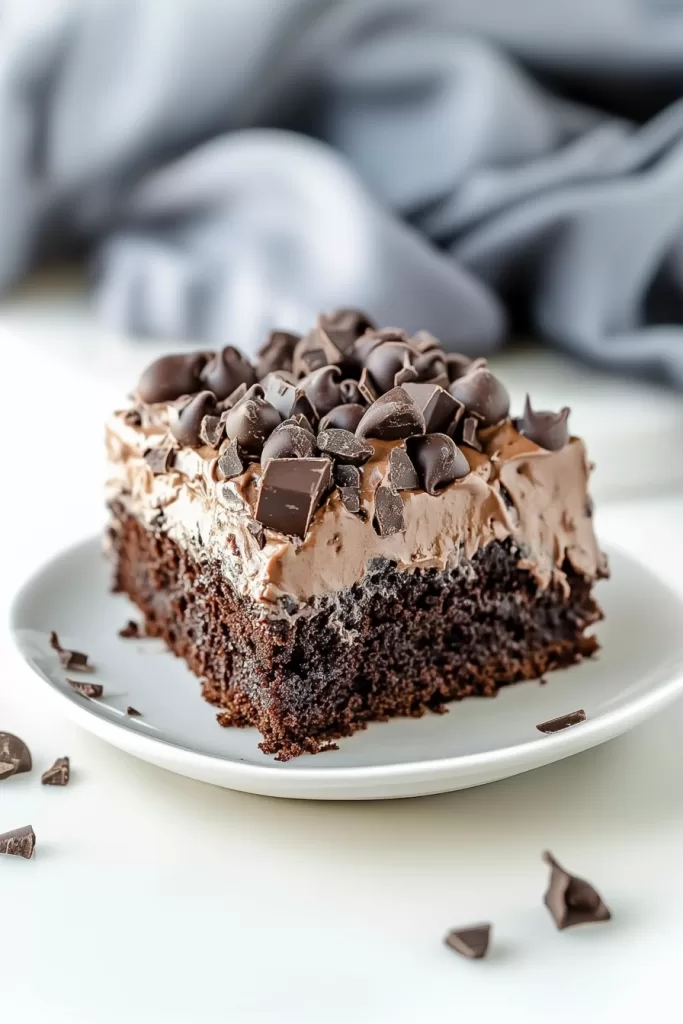
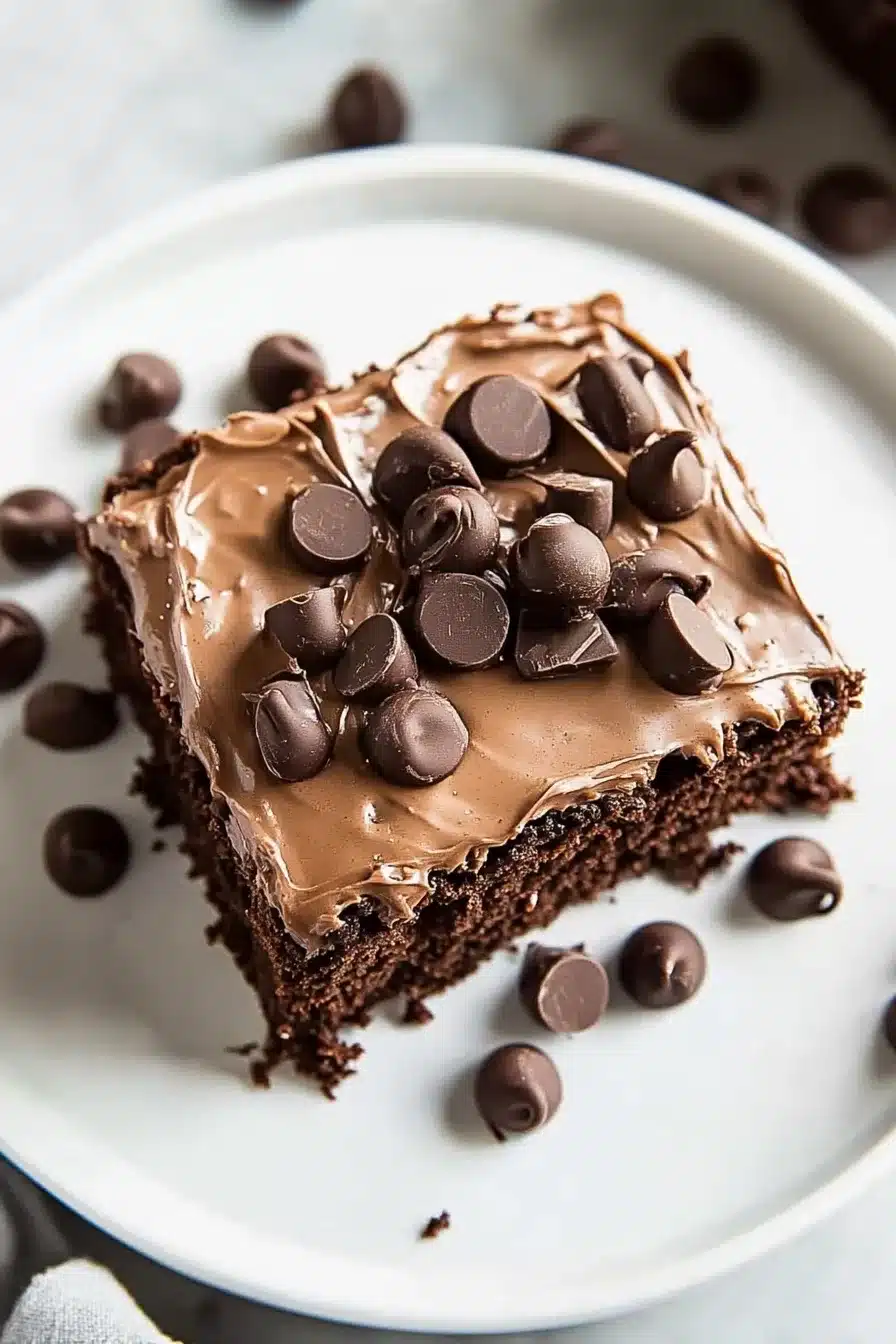
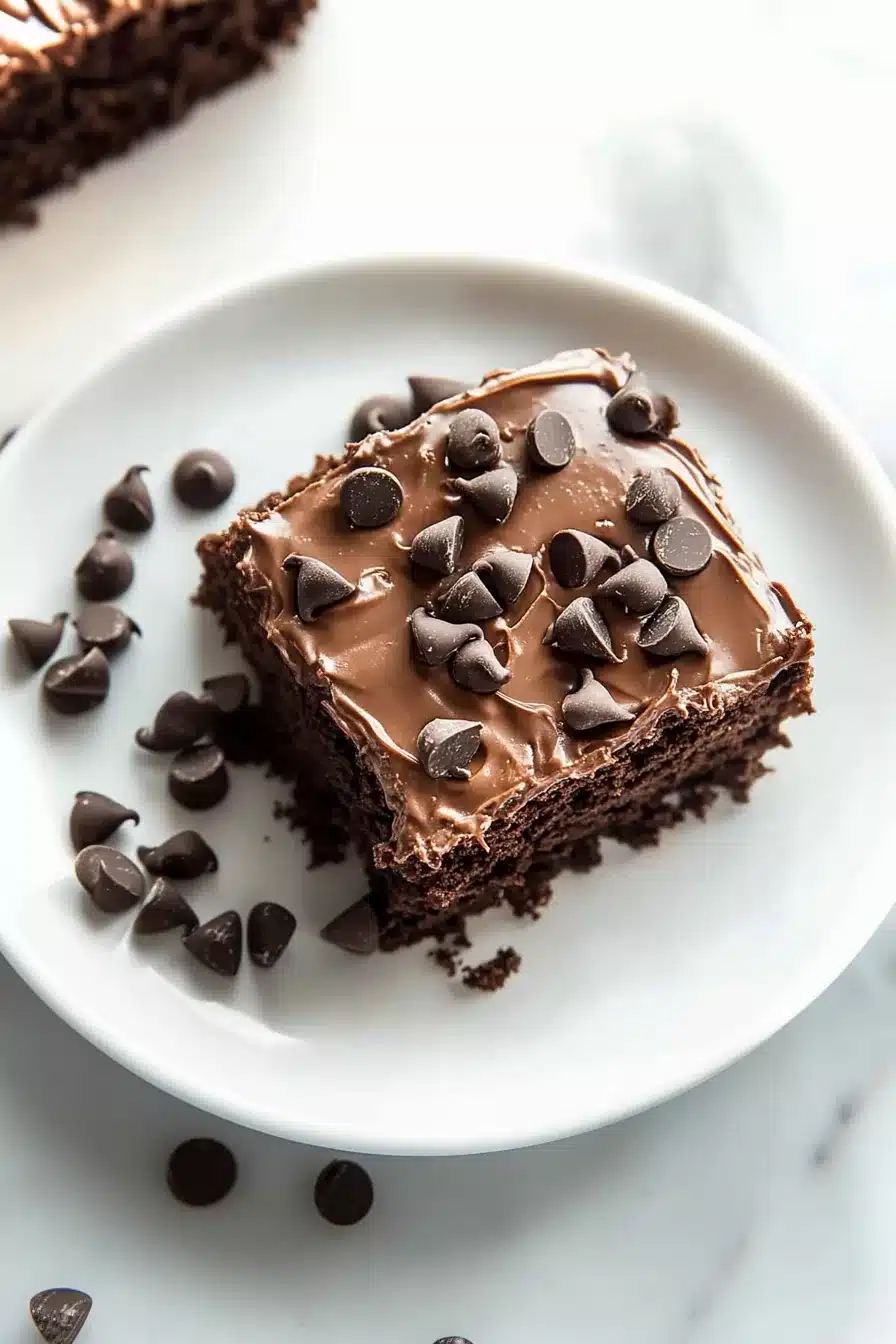
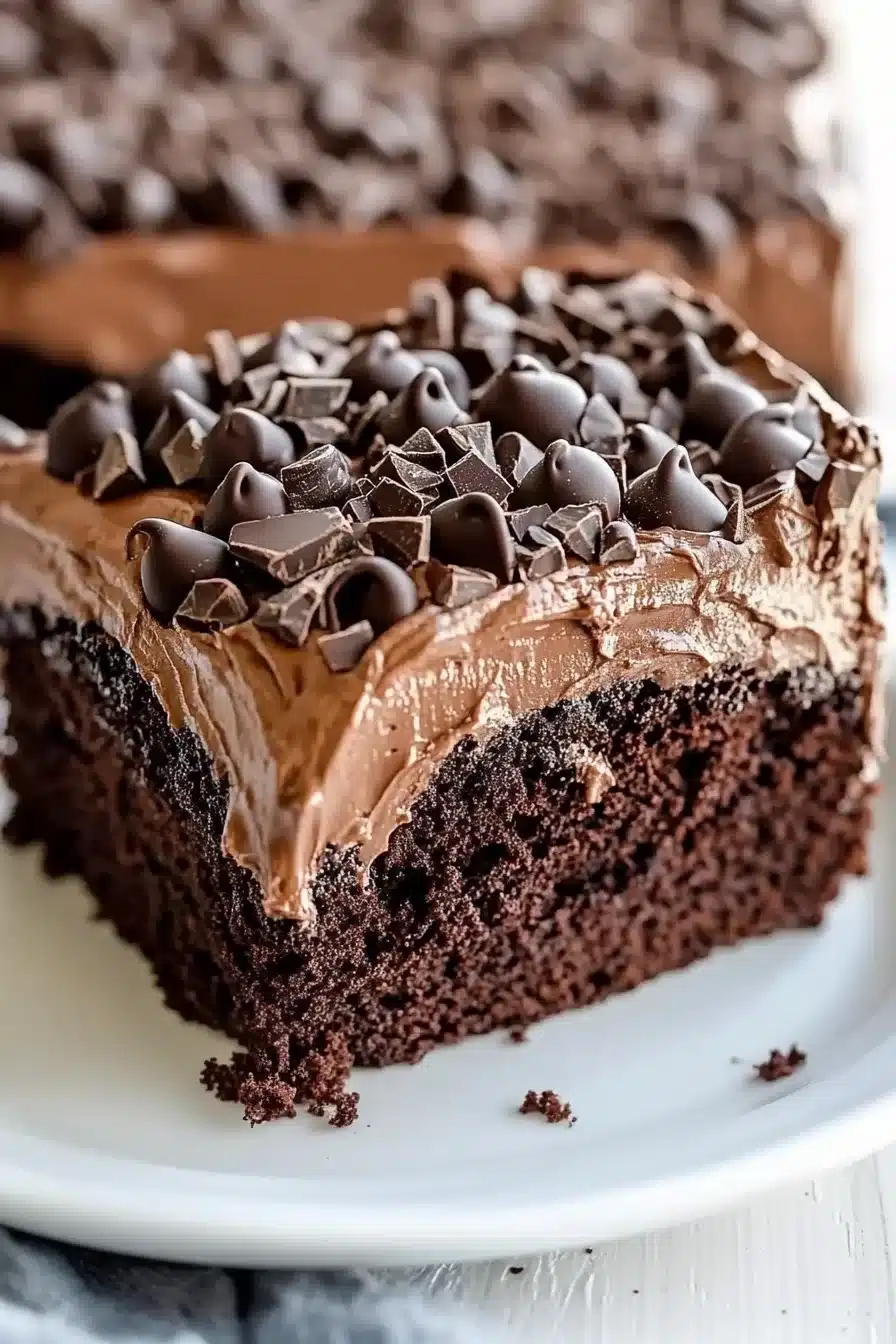
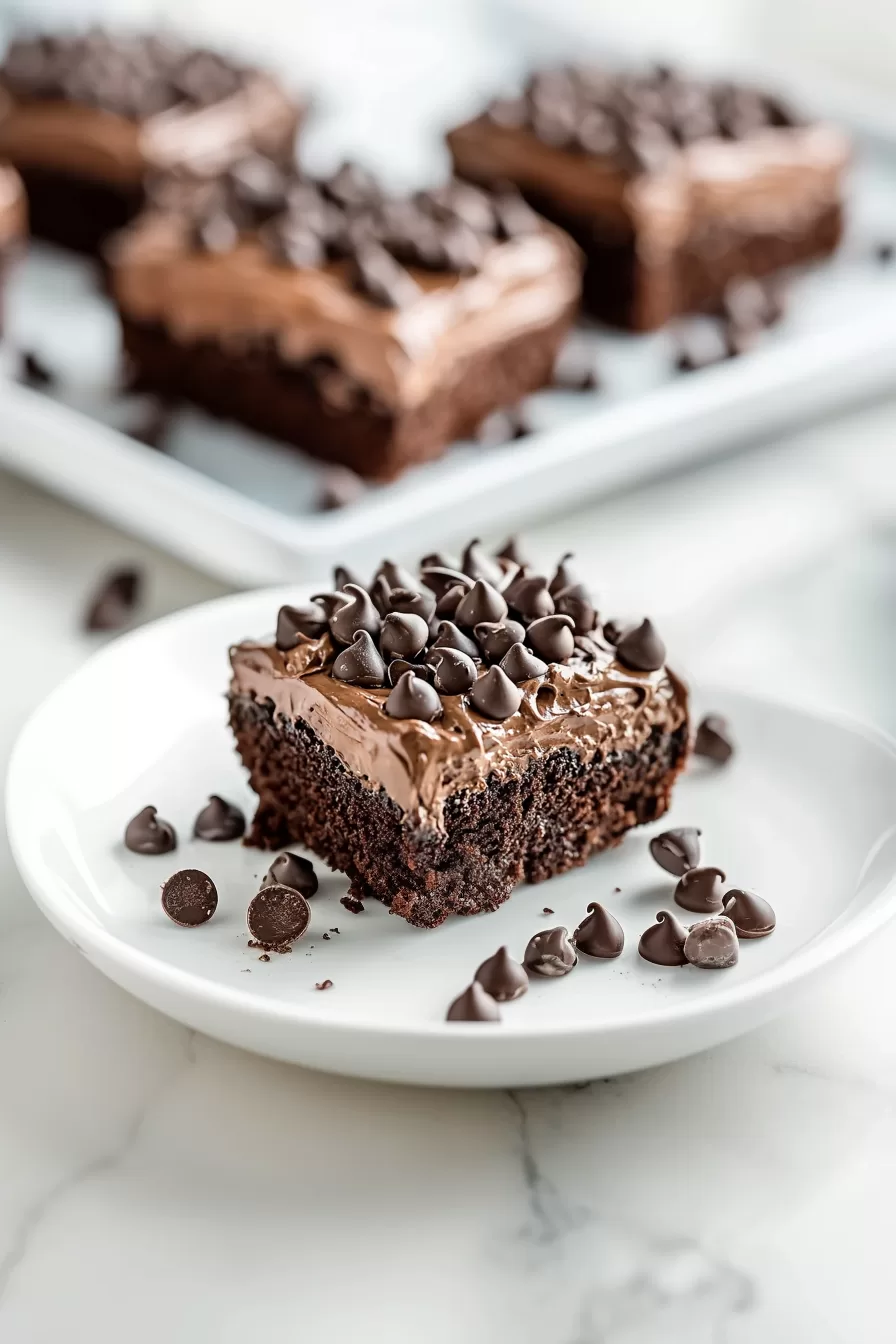
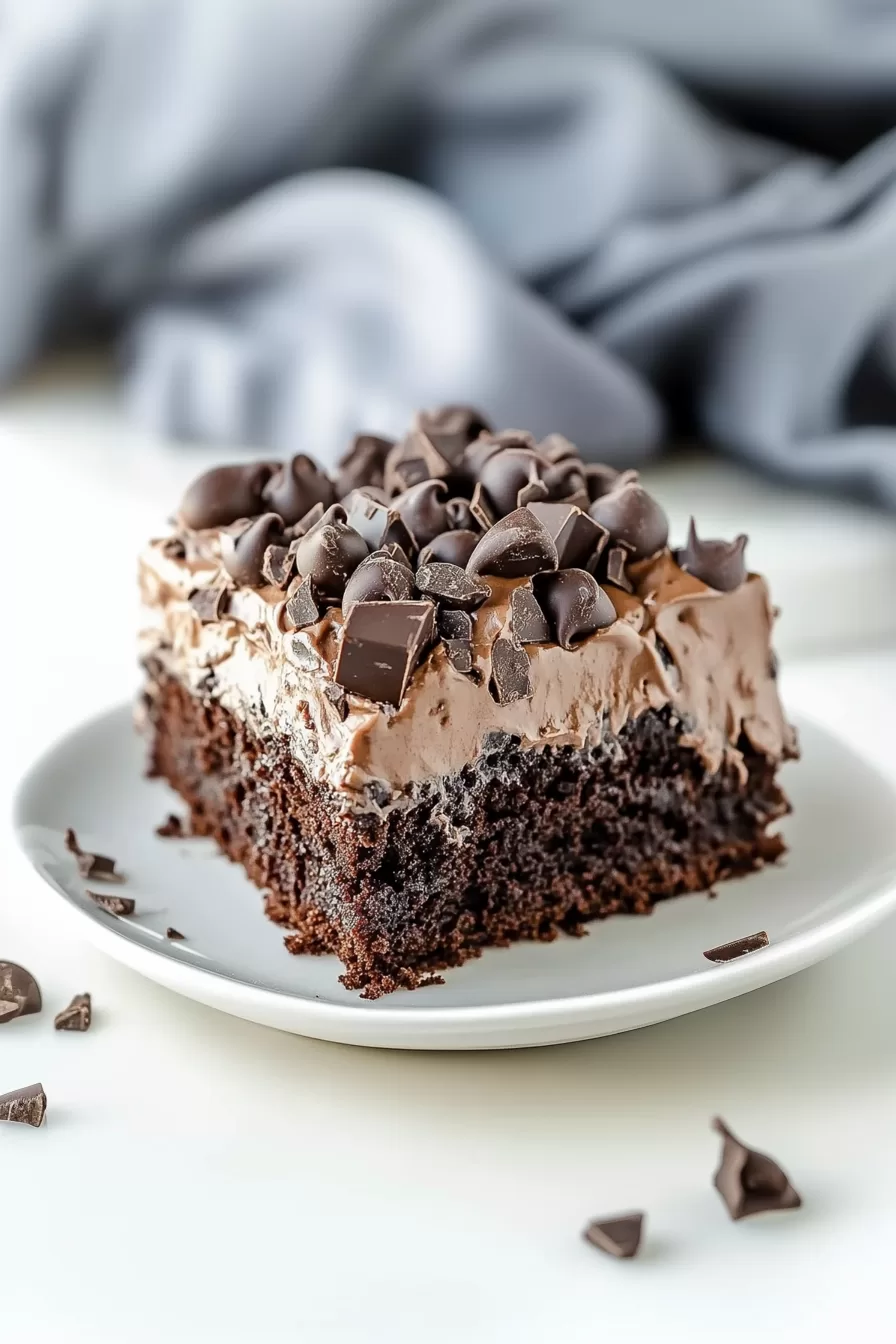
Dark, glossy, fudgy, and unapologetically chocolaty, this chocolate poke cake layers boxed mix, pudding, and whipped topping into a gooey snack-dinner-dessert trifecta. With rich cocoa, fluffy vanilla-kissed topping, and a cascade of chocolate chips, it’s like a sheet pan baked itself a hug.

If gooey, moist, pudding-drenched bites of cake aren’t already calling your name, well, give it a minute. This is the kind of cake you bring to a potluck and suddenly realize you should’ve made two. Or three. It’s not fussy, but boy does it deliver. Let’s bake some joy, yes?

Table of Contents

Chocolate Poke Cake

Why You’ll Love this Chocolate Poke Cake

This one’s a no-brainer on a Wednesday night when you just want dessert to show up and do the most. No frills, just chocolate doing its job.

  • Ridiculously simple to make: You just mix, bake, poke, pour, chill, and slather. No layers, no piping, no stress.
  • Texture for days: Every bite’s a gooey forkful of soft cake and pudding with cool whipped topping.
  • Make-ahead friendly: In fact, it gets better in the fridge. Like a cake that ages like a fine wine… made from a box.
  • Customizable everything: Cake mix brand, pudding flavor, toppings—you can tweak it for moods or whatever’s lurking in the pantry.
  • Nostalgic vibes only: It’s giving ‘90s church potluck in the best possible way. Brownie-adjacent, but fluffier.

Chocolate Poke Cake

Ingredient Notes

You won’t need a novel’s worth of groceries here—just pantry basics and a few sweet helpers.

  • Chocolate cake mix: Any standard 15.25-ounce boxed mix works. Devil’s food adds an extra-rich twist if you’re feeling wild.
  • Milk chocolate chips: These melt quietly into the baked cake. You won’t notice them at first—until you do. And then… wow.
  • Instant chocolate pudding mix: Be sure it’s instant, not cook-and-serve. It needs to thicken fast and go straight into the poked cake.
  • Milk: Whole milk gives the best pudding texture, but 2% isn’t a dealbreaker.
  • Whipped topping: Feel free to use Cool Whip or a store-brand. Just let it thaw before attempting anything fancy.
  • Cocoa powder: This deepens the chocolate flavor in the whipped topping, so it’s more “chocolate cloud” than “vanilla shrug.”
  • Vanilla extract: Just a splash smooths everything out. It’s a quiet star.
  • Semi-sweet chocolate chips: Totally optional, but they’re great for garnish. They also bounce amusingly when you sprinkle them, so… bonus entertainment.

Chocolate Poke Cake

How To Make This Chocolate Poke Cake

This cake honestly feels like cheating, in the best way. It’s simple enough to pull off without measuring anxiety, but the pay-off is rich and wildly satisfying.

  • Prep your pan and oven: Preheat the oven to 350°F and spritz your 9×13-inch baking dish with cooking spray. If you hate stuck-on bottoms, you can also line it with parchment.

  • Mix up the cake batter: Follow the box instructions—usually eggs, water, oil—and stir in the milk chocolate chips at the end. Pour it into your prepared pan; don’t worry if it looks humble. Magic’s coming.

  • Bake the cake: Pop it in the oven for about 25–30 minutes. It’s done when a toothpick just comes out clean with a few fudgy crumbs.

  • Make the pudding while it bakes: With about 5 minutes left on the cake timer, whisk the instant pudding and milk together until no lumps remain. It should start thickening a bit.

  • Poke the cake (gently): After the cake cools just a couple minutes, poke holes all over the surface using the handle of a wooden spoon. Don’t go all the way to the bottom or you’ll lose your filling to the abyss.

  • Pour and settle the pudding: Slowly pour the pudding mixture over the warm cake, letting it creep into the holes. Use a spatula to spread it evenly, then gently tap the dish on the counter to help things sink where they belong.

  • Let it chill (literally): Let the cake cool at room temp, then wrap it in plastic and stick it in the fridge for at least 2 hours. Overnight is even better if you’ve got the willpower.

  • Whip up that topping: In a fresh bowl, stir the thawed whipped topping with cocoa powder and vanilla until smooth, fluffy, and somehow slightly addictive.

  • Slather and garnish: Spread the cocoa topping all over the cooled cake. Sprinkle with semi-sweet chocolate chips if you’re feeling fancy, or just dive in fork-first.

Chocolate Poke Cake

Storage Options

Let’s say you somehow have leftovers. (Congrats on your self-control.) Here’s how to make them last:

This chocolate poke cake keeps beautifully in the fridge. Just cover it snugly with plastic wrap or foil and it’ll stay happy and moist for up to 5 days. The pudding sets more as it chills, and the cake doesn’t dry out. Honestly, it’s almost better on day two.

Freezing? Totally doable. Slice and wrap individual pieces in plastic then pop them into a zip-top bag. When the chocolate craving strikes, just thaw in the fridge for a few hours or let it sit on the counter for 30 minutes or so.

Reheating isn’t really a thing with this cake. It’s meant to be cold, cool, and quietly intense with its chilled chocolate layers. But if you must warm it slightly, microwave in short bursts—no judgment.

Variations and Substitutions

Versatility is part of what makes this cake special. You can tweak without consequence, which is kinda rare in dessert land.

  • Different cake mix: Swap in devil’s food, dark chocolate fudge, or even German chocolate for subtle differences.
  • Non-dairy options: Use a plant-based whipped topping and non-dairy milk for a dairy-free twist (just use full-fat for the pudding to set right).
  • Peanut butter swirl: Drop spoonfuls of peanut butter into the batter before baking and swirl them with a knife. Let’s get magical.
  • Add crushed cookies on top: Think Oreos, chocolate grahams, or even your favorite cereal for crunch drama.
  • Try a chocolate ganache topping: If whipped topping isn’t your thing, go all luxe with a warm ganache poured over the top.

Chocolate Poke Cake

What to Serve with Chocolate Poke Cake

You’ve got the cake. Now what? Honestly, it could stand alone, but if you’re in hosting mode—or just hungry—there are some dreamy duos out there.

  • If it’s a brunch-y gathering, pair this with something lighter like fluffy Bisquick waffles. Cake for brunch is 100% fair game. The light crispiness from waffles balances the plush cake like a charm.

  • Serve with a scoop of plain vanilla ice cream and a tiny pinch of flaky sea salt. Trust me. The contrast between cold and gooey is wildly satisfying.

  • A shot of espresso or strong brewed coffee won’t just balance the sweetness, it’ll make you feel like you’re living your most sophisticated dessert life.

  • If you want to go full retro dessert party, add a tray of old-fashioned whoopie pies on the side. Soft, handheld nostalgia to go with your chilled cake squares.

Chocolate Poke Cake

Frequently Asked Questions

Can I use a homemade chocolate cake instead of boxed mix?

Totally! If you’ve got a go-to scratch cake recipe, use it here. Just make sure it fills a standard 9×13-inch pan and isn’t too dry. The pudding layer will help, but starting with a nice moist cake gives you an even better final texture. That said, boxed mixes hold up beautifully, especially when you’re after speed or convenience. No cake snobbery here.

Why do I need to poke holes in the cake?

Ah, the signature move! Poking holes creates little channels for the pudding to seep into. That’s what gives this cake its iconic rich, ultra-moist texture. Without the holes, the magic stops at the surface. You don’t have to be perfect about it—but try to space your pokes evenly and not poke all the way through.

Can I make this chocolate poke cake ahead of time?

Yes, and honestly, it’s even better that way. Making it a day ahead gives the flavors time to cozy up and the pudding more time to soak and settle. Just keep it lightly covered in the fridge, and wait to add the topping until just before serving if you want it to look extra tidy.

How do I keep the topping from deflating?

Whipped topping is surprisingly sturdy, but make sure it’s fully thawed before mixing in the cocoa and vanilla. Don’t over-whip it or try to whip air into it—it’s already fluffed to perfection. Stir it gently with a silicone spatula until everything is just combined, then pop it back in the fridge until it’s ready to be spread.

Chocolate Poke Cake

Chocolate Poke Cake

Prep Time 20 minutes
Cook Time 30 minutes
Chill Time 2 hours
Total Time 2 hours 30 minutes
Dark, glossy, fudgy, and unapologetically chocolaty, this chocolate poke cake layers boxed mix, pudding, and whipped topping into a gooey snack-dinner-dessert trifecta. With rich cocoa, fluffy vanilla-kissed topping, and a cascade of chocolate chips, it’s like a sheet pan baked itself a hug. Simple, nostalgic, and completely irresistible.
12 pieces

Ingredients

Cake

  • 1 box (15.25 oz) (432 g) chocolate cake mix any kind (Devil’s food, fudge, etc.)
  • 1 cup (170 g) milk chocolate chips
  • ingredients as called for on cake mix box typically eggs, water, oil - see box instructions

Pudding Layer

  • 2 packages (3.9 oz each) (220 g) instant chocolate pudding mix must be instant, not cook-and-serve
  • 3.5 cups (830 ml) milk whole milk preferred, 2% is fine

Topping

  • 1 container (8 oz) (227 g) whipped topping thawed
  • 2 tbsp (10 g) unsweetened cocoa powder
  • 1 tsp (5 ml) vanilla extract
  • 1/2 cup (85 g) semi-sweet chocolate chips for garnish, optional

Equipment

  • 9x13 inch Baking Dish
  • Mixing bowls
  • Whisk
  • Measuring cups and spoons
  • wooden spoon
  • Spatula

Instructions
 

  1. Prep your pan and oven: Preheat oven to 350°F (175°C) and coat a 9x13-inch baking dish with cooking spray (or line with parchment).
  2. Mix up the cake batter: Prepare cake mix batter as directed on the box (usually with eggs, water, and oil). Stir in milk chocolate chips at the end. Spread evenly in the prepared pan.
  3. Bake the cake: Bake for 25–30 minutes, until a toothpick inserted in the center comes out with a few moist crumbs. Remove from oven and let cool for 5 minutes.
  4. Make the pudding: While the cake is baking, whisk together instant pudding mix and milk in a large bowl until smooth and thickening (about 2 minutes). Set aside.
  5. Poke the cake: Using the handle of a wooden spoon, poke holes all over the surface of the slightly cooled cake, spacing about 1 inch apart. Don’t poke all the way through.
  6. Pour and settle the pudding: Pour the pudding mixture slowly over the entire cake, spreading with a spatula and gently tapping the pan to help the pudding sink into holes.
  7. Let it chill: Let the cake cool to room temperature, then cover with plastic and chill in the refrigerator for at least 2 hours (or overnight for best results).
  8. Prepare the topping: In a bowl, gently stir together thawed whipped topping, cocoa powder, and vanilla extract until smooth and fluffy.
  9. Frost and garnish: Spread the chocolate whipped topping over the chilled cake. Sprinkle with semi-sweet chocolate chips for garnish, if desired.
  10. Serve: Cut into squares and serve chilled. Enjoy!

Notes

This cake keeps covered in the fridge for up to 5 days. To freeze, wrap individual squares and store in a zip-top bag for up to 2 months—thaw in the fridge or on the counter before eating.
  • Feel free to customize the cake mix, pudding flavor, or toppings (crushed cookies, peanut butter, ganache, etc.).
  • Dairy-free? Swap for non-dairy milk and whipped topping but use full fat for best pudding set.

Nutrition

Calories: 340kcal | Carbohydrates: 45g | Protein: 4g | Fat: 15g | Saturated Fat: 7g | Cholesterol: 38mg | Sodium: 350mg | Potassium: 160mg | Fiber: 2g | Sugar: 34g | Vitamin A: 150IU | Calcium: 110mg | Iron: 2mg

Let's Get Cooking!

100+ Recipes for Busy Nights

In a time crunch? Take a look around and browse plenty of recipes to help you get dinner ready and on the table on those busy nights!

Sweet Recipes

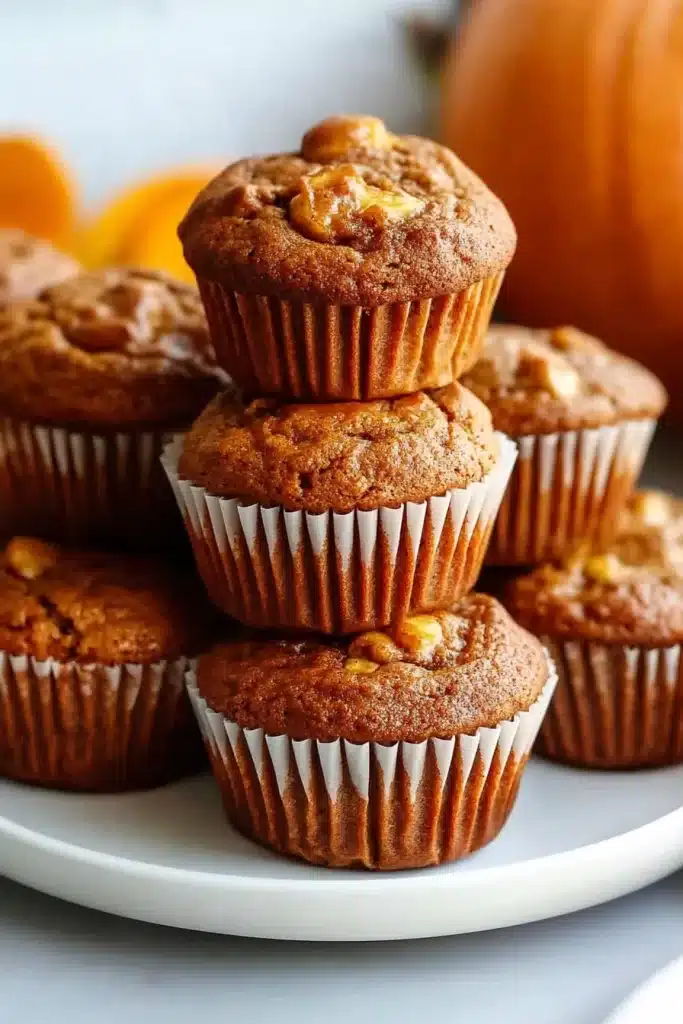
Pumpkin Banana Muffins

Pumpkin Banana Muffins Recipe

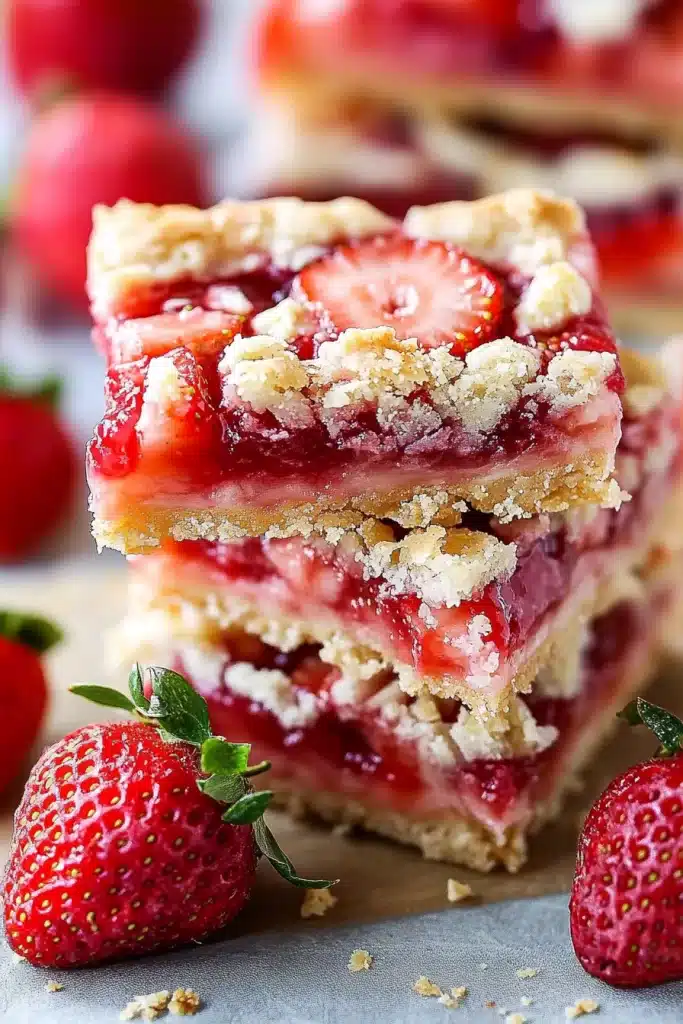
Strawberry Pie Bars

Strawberry Pie Bars Easy Oven Recipe

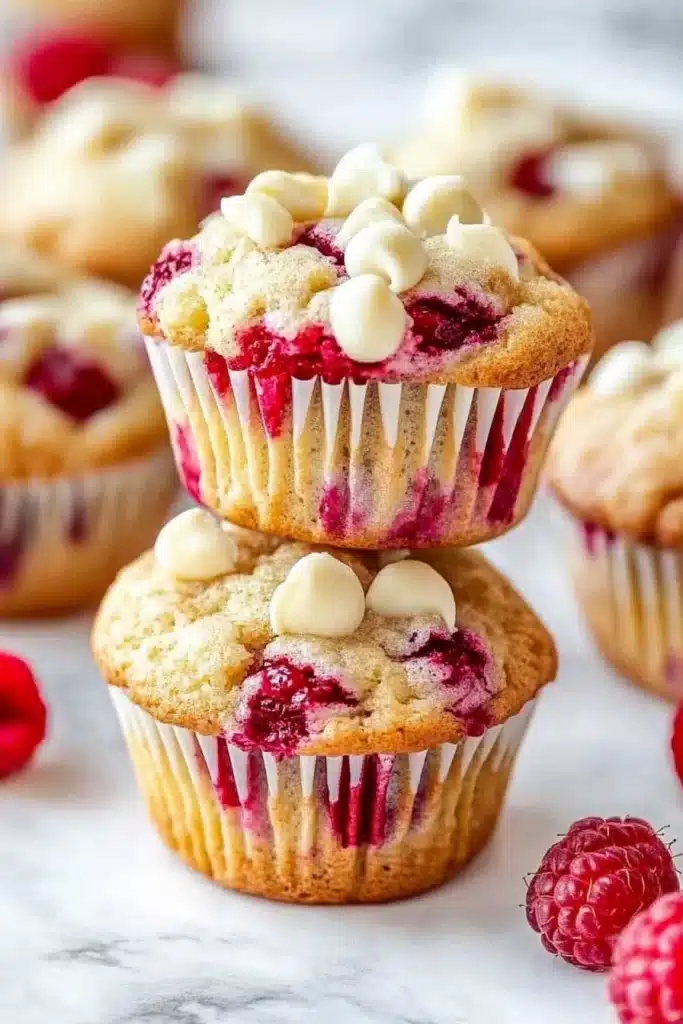
White Chocolate Raspberry Muffins

White Chocolate Raspberry Muffins Recipe

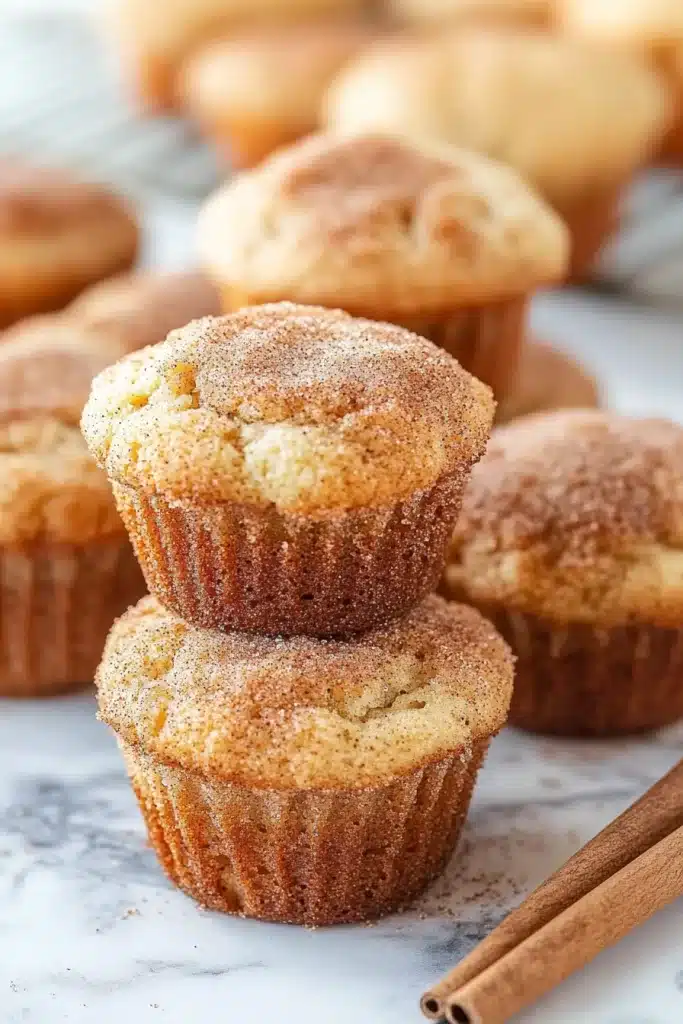
Snickerdoodle Muffins

Snickerdoodle Muffins Recipe for Oven

PIN NOW

Follow KitchenetteBlog on Pinterest

Love cozy recipes that actually make it to the table? On Pinterest, I share new comfort-food ideas every week—desserts, dinners, and those little snack cravings that hit at midnight. Come pin with me and never run out of kitchen inspo.

Savory Recipes

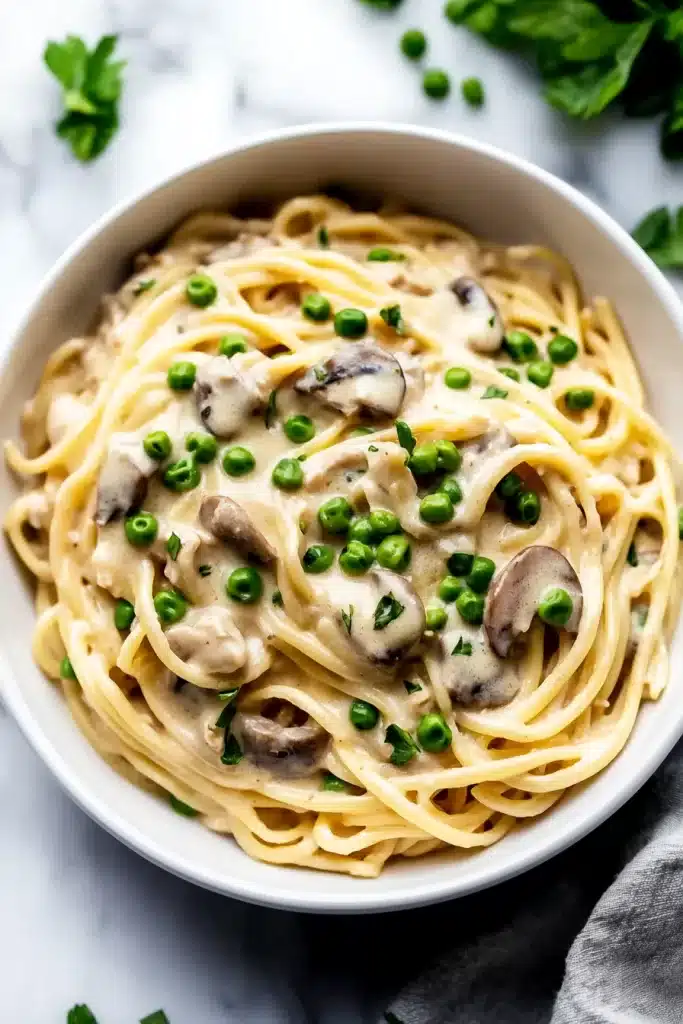
Turkey Tetrazzini

Turkey Tetrazzini Baked Pasta Recipe

Grilled Chicken Panini Sandwich

Grilled Chicken Panini Sandwich Recipe

Sweet Potato Cornbread

Sweet Potato Cornbread Recipe Oven Baked

Classic Waldorf Salad

Waldorf Salad Simple Classic Recipe

Get 5 Recipes to Simplify Your Life!

Delicious, versatile recipes you can make over and over.