
Cracker Barrel meatloaf is not an ordinary meatloaf with a restaurant name attached to it. Three things separate it from the loaf most people grew up with: crushed Ritz crackers instead of breadcrumbs, a full cup of sharp cheddar worked into the meat, and a sweet ketchup glaze that goes on halfway through baking rather than at the start.
Those three decisions do all the work in a Cracker Barrel meatloaf. The crackers carry butter and salt into the loaf, which is why it tastes richer than a breadcrumb version even at the same fat percentage. A cup of sharp cheddar melts into pockets that keep the interior moist. The late glaze has just enough oven time to set into a lacquer instead of scorching. Get those right and the rest is ordinary weeknight cooking.
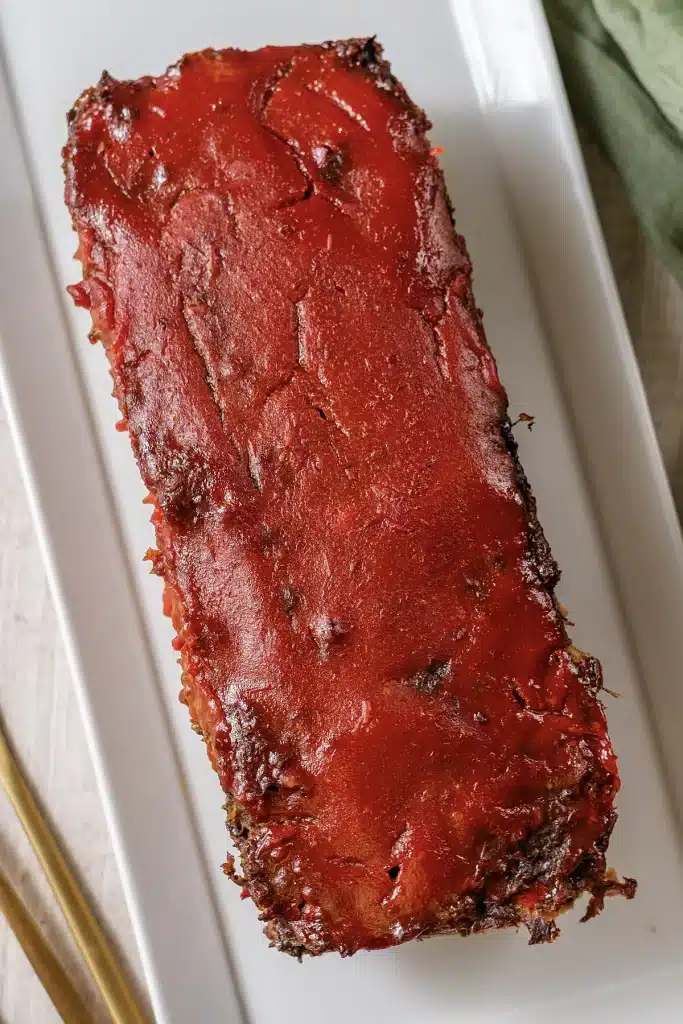
- Ritz crackers and sharp cheddar, the two things the restaurant version actually depends on
- Fifteen minutes of hands-on work before the oven takes over
- Slices clean instead of crumbling, because it rests properly
- Leftovers make a better sandwich than the original dinner
- One loaf pan, one bowl, no special equipment

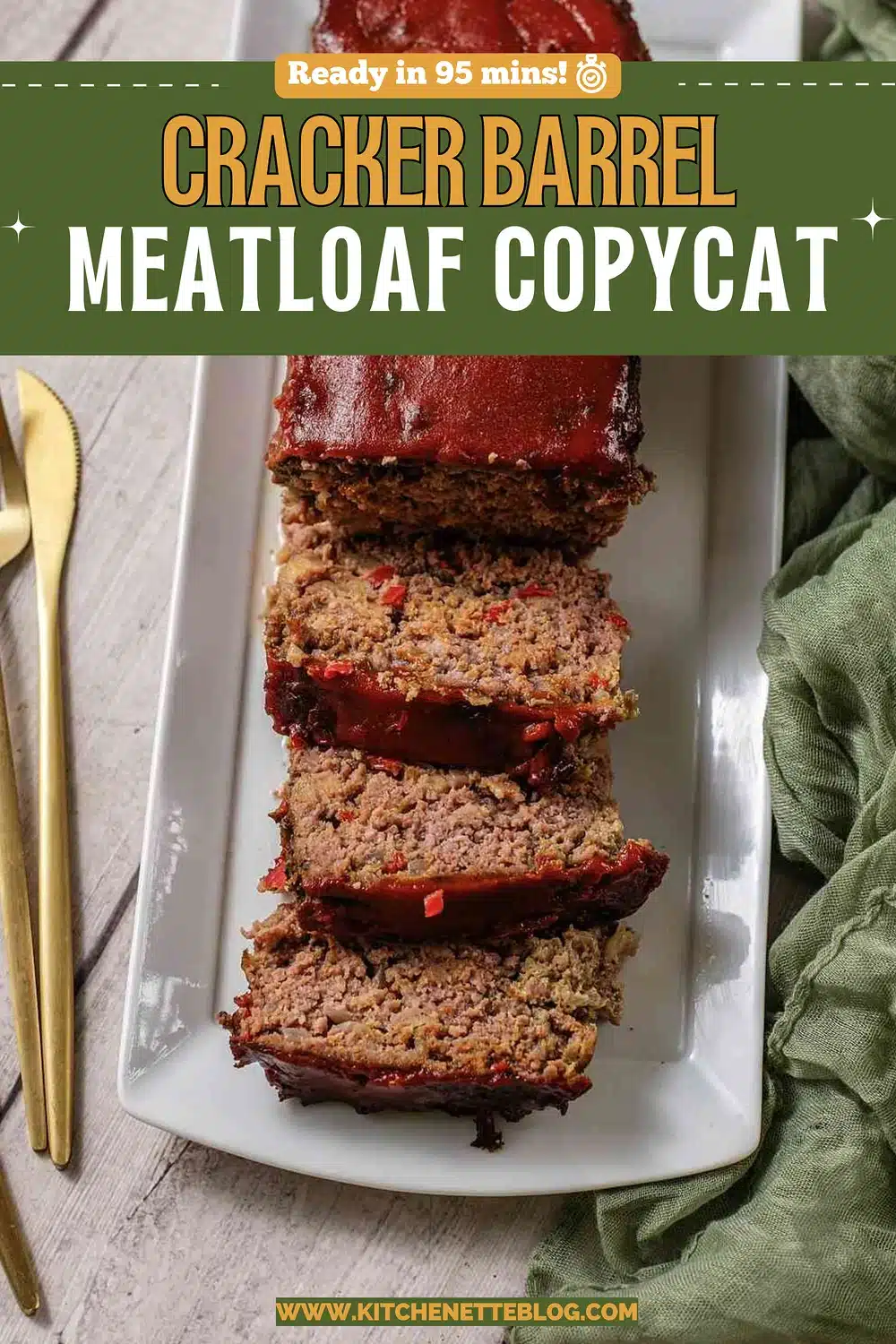
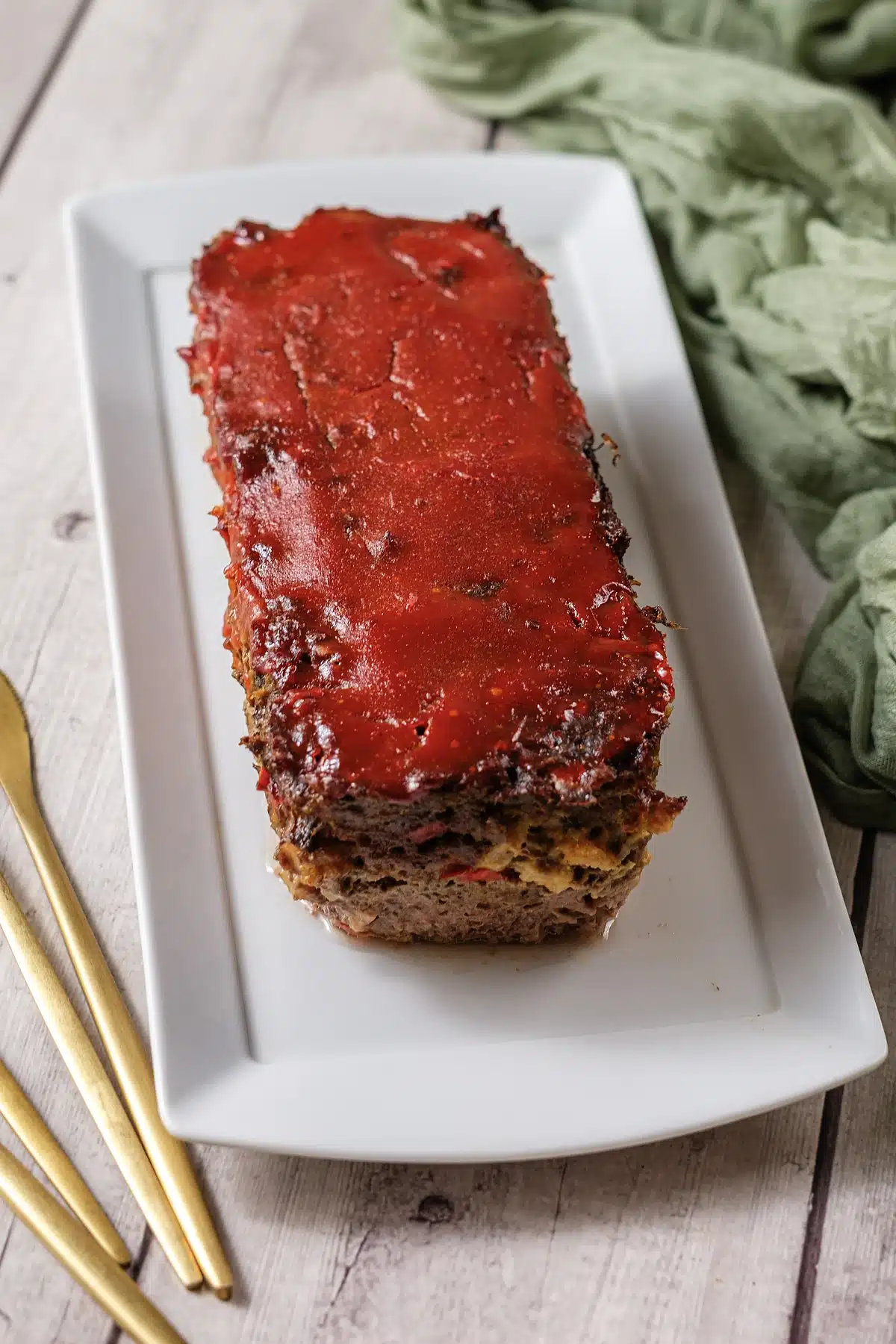
- What Makes Cracker Barrel Meatloaf Different
- Ingredient Notes
- Loaf Pan or Free-Form on a Sheet?
- How To Make Cracker Barrel Meatloaf
- How To Tell When Cracker Barrel Meatloaf Is Done
- Make It Ahead
- Storing Cracker Barrel Meatloaf
- Variations and Substitutions
- What to Serve with Cracker Barrel Meatloaf
- Cracker Barrel Meatloaf FAQ
What Makes Cracker Barrel Meatloaf Different
Ask what is in it and most answers stop at ground beef and ketchup. The distinguishing ingredient is the cracker. Ritz crackers are laminated with shortening and salted on top, so a sleeve of them crushed into the mix contributes fat and seasoning that plain breadcrumbs cannot. That is the whole reason a Cracker Barrel meatloaf tastes buttery when the recipe contains no butter.
The second thing that sets a Cracker Barrel meatloaf apart is cheese inside the loaf rather than on top. A cup of shredded sharp cheddar folded into two pounds of beef melts during baking and leaves small pockets of fat distributed through the interior. Those pockets are insurance against a dry loaf, which is the failure mode of nearly every meatloaf recipe ever written.
The third is timing on the glaze. Ketchup, brown sugar and yellow mustard are simple enough, but sugar exposed to a full hour at 350 degrees turns bitter and dark. Spreading it after the first thirty minutes gives it half an hour to reduce and gloss over without burning.
The restaurant serves it as a plate special with two sides, which is why so many searches for Cracker Barrel meatloaf are really searches for the whole dinner. There is a section on that further down.
Save this recipe
Enter your email and I’ll send this recipe straight to your inbox.
Ingredient Notes
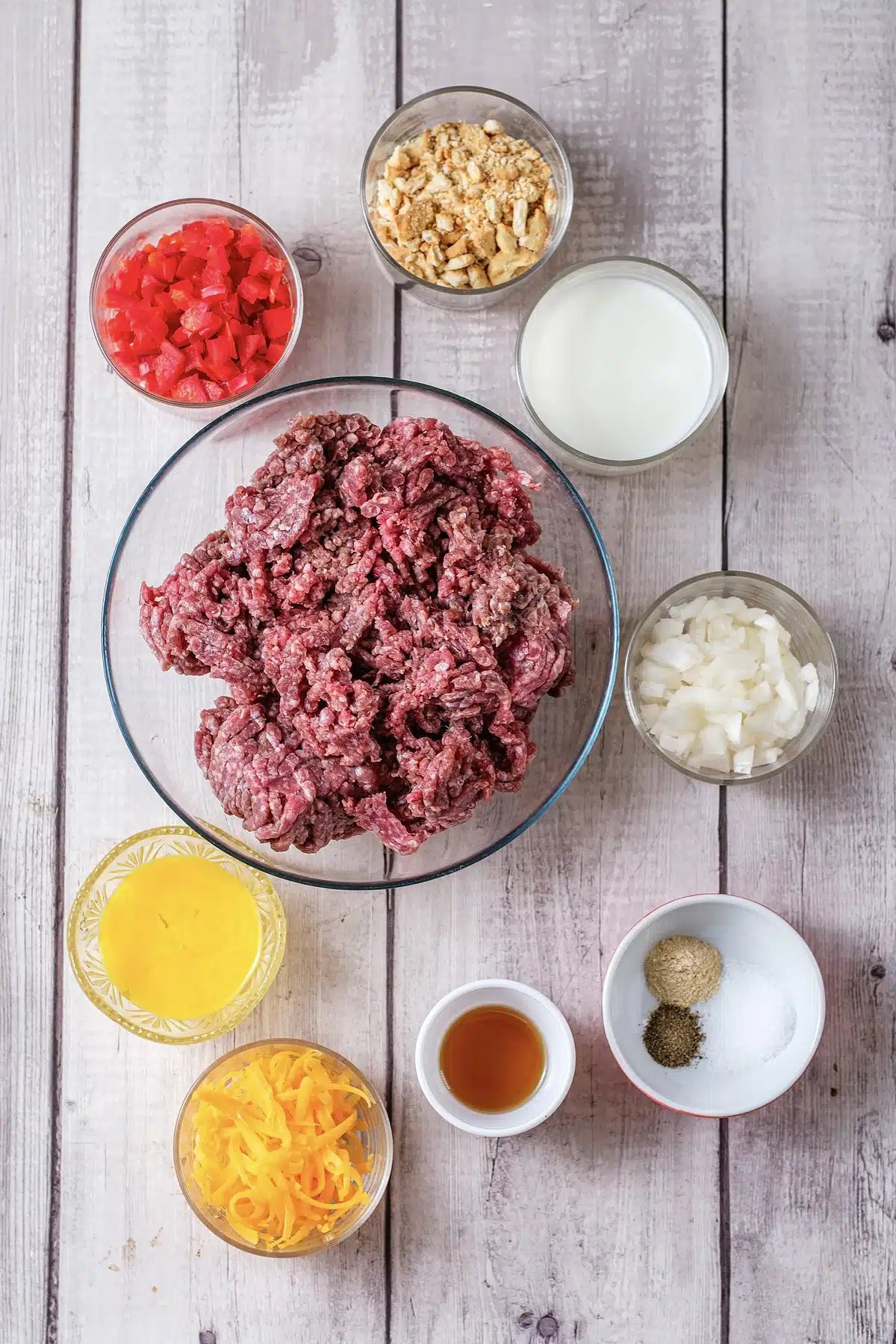
- Ground beef. Two pounds at 85 percent lean. Ninety-three percent lean produces a dry, crumbly loaf no matter what else you do, and 80 percent leaves a pool of grease you will have to pour off. Eighty-five is the number that needs no management.
- Ritz crackers. One sleeve, about 30 crackers, crushed to coarse crumbs rather than dust. Crush them in the sleeve with a rolling pin. Leaving some pieces the size of a lentil gives the loaf a slightly open texture; grinding them to powder makes it dense.
- Sharp cheddar. One cup, shredded. Sharp or Colby-Jack both work. Mild cheddar disappears entirely against two pounds of beef, which defeats the purpose.
- Eggs and milk. Two large eggs and half a cup of whole milk. Whisk them together before the crackers go in so the crumbs hydrate evenly. Skim milk works but adds nothing.
- Onion and bell pepper. One small onion and half a green pepper, both diced very fine. Coarse dice leaves crunchy pieces that make slices fall apart. The pepper is optional and the restaurant version includes it.
- Ketchup, brown sugar and mustard. Half a cup, a quarter cup packed, and one tablespoon. That ratio is sweeter than it sounds on paper and it is correct. Yellow mustard rather than Dijon; you want the vinegar sharpness, not the wine notes.
Building the Sweet and Tangy Glaze
The glaze on a Cracker Barrel meatloaf is three ingredients and no cooking. Stir them together in a small bowl at the start and leave them on the counter. The brown sugar needs a few minutes to dissolve into the ketchup, and a glaze mixed at the last second sits gritty on top of the loaf.
If it tastes too sweet on a spoon, it is probably right. It bakes down and the meat underneath is salty. If you genuinely want it less sweet, drop the sugar to three tablespoons rather than adding more vinegar, which thins it and makes it run off the sides.
Loaf Pan or Free-Form on a Sheet?
Both work for a Cracker Barrel meatloaf and they give different results. A nine-by-five-inch loaf pan gives straight sides, even slices and a moister loaf, because the pan traps rendered fat against the meat. That is the shape the restaurant serves and the one used here.
Shaping it free-form on a rimmed baking sheet gives more browned surface and lets the fat drain away. Slices are less tidy and the loaf is slightly drier. If you go this way, build it about four inches wide and shorten the first bake by five minutes, because the exposed shape cooks faster.
Lining the pan with parchment or foil, with an overhang on both long sides, is worth doing either way. It lets you lift the finished loaf straight out rather than trying to slide a spatula down a hot pan wall, and that is where most loaves break in half.
How To Make Cracker Barrel Meatloaf
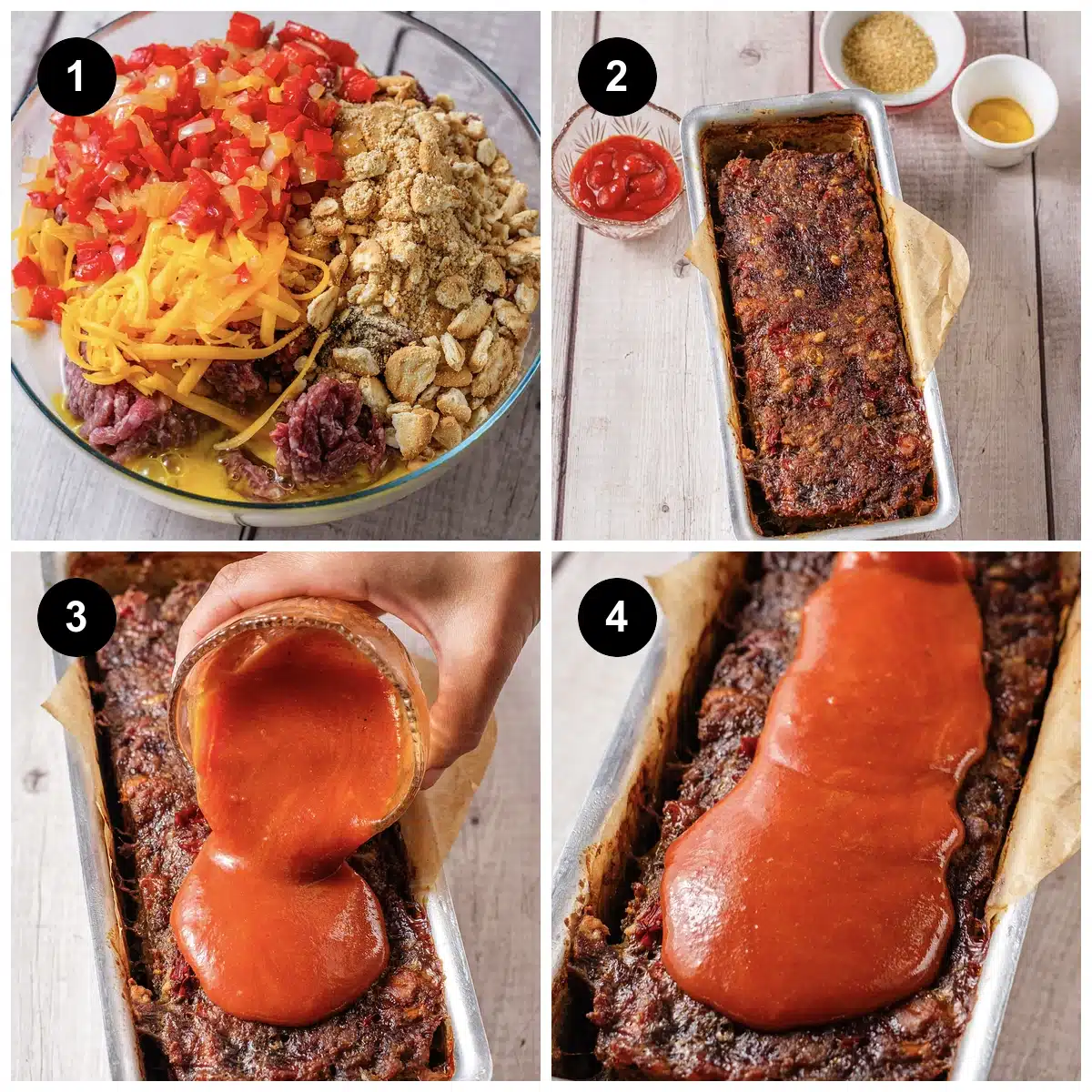
First, heat the oven and prepare the pan for the Cracker Barrel meatloaf. Set it to 350 degrees. Grease a nine-by-five-inch loaf pan and line it with parchment, leaving an overhang on the long sides. Stir the ketchup, brown sugar and mustard together in a small bowl and set it aside.
Next, build the base. Whisk the eggs in a large bowl and stir in the milk. Add the crushed crackers, shredded cheddar, diced onion, diced pepper, salt and black pepper, and stir until the crumbs have soaked up the liquid and the mixture looks like a thick paste.
Then add the beef. Break the ground beef over the top and mix with your hands only until no dry patches remain. Squeezing and kneading it compacts the protein and gives you a springy, sausage-like texture rather than a tender one. Thirty seconds is usually enough.
Glazing and Finishing
After that, shape and start baking. Press the mixture evenly into the pan and flatten the top. Bake uncovered for 30 minutes. It will look pale and unpromising at this point, which is normal.
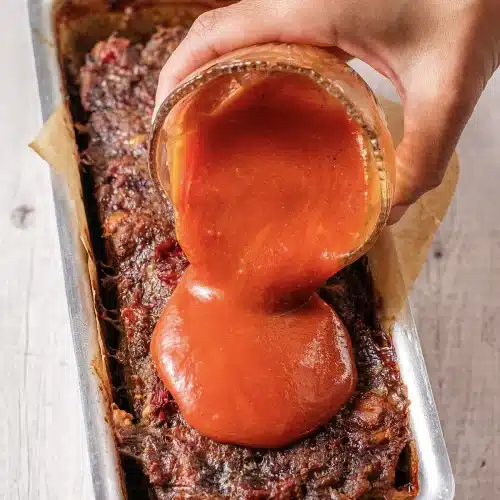
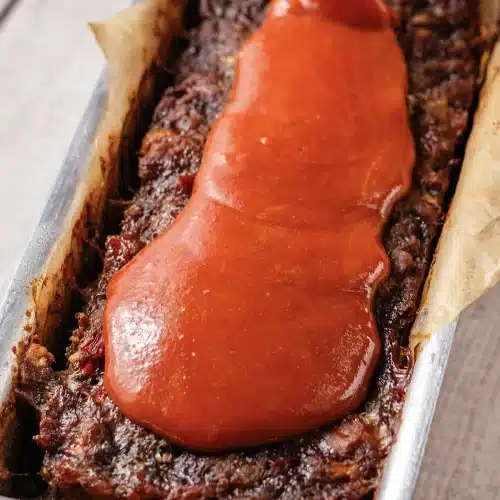
Finally, glaze and finish. Pull the pan out, spread the glaze over the top with the back of a spoon, and return it to the oven for another 30 to 40 minutes, until the center reads 155 degrees on an instant-read thermometer. Tent it loosely with foil if the glaze darkens faster than you would like.
How To Tell When Cracker Barrel Meatloaf Is Done
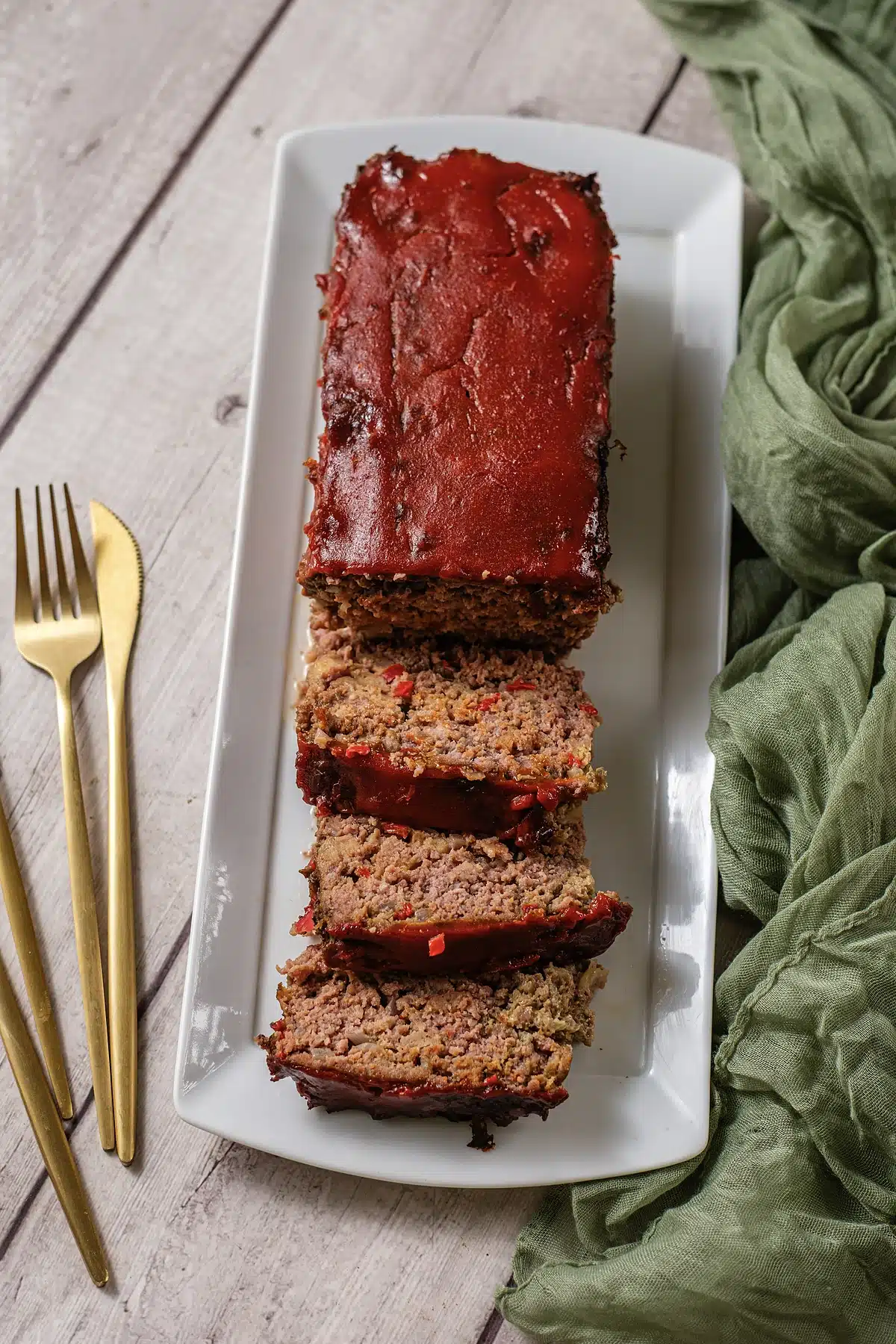
Use a thermometer and stop guessing. Push the probe into the thickest part of the loaf, avoiding the pan floor, and pull the meatloaf at 155 degrees. Carryover heat during the rest carries it the rest of the way, which matters because ground beef is safe at 160 degrees, the figure Illinois Extension publishes for burgers, meatballs and meatloaf alike.
Then rest the Cracker Barrel meatloaf for a full 15 minutes in the pan before lifting it out. This is the step that decides whether you get clean slices or a plate of loose mince. Cutting a hot loaf releases juice that has not yet been reabsorbed, and the slices collapse as the knife goes through.
If you have no thermometer, the visual cue is a loaf that has pulled slightly away from the sides of the pan with clear rather than pink juices at the edges. It is a poorer test and worth replacing with a ten dollar thermometer.
Make It Ahead
Assemble the whole Cracker Barrel meatloaf in the pan up to a day ahead, cover it tightly, and refrigerate. Keep the glaze in a separate covered bowl. Take the pan out 30 minutes before it goes in the oven, and add about ten minutes to the first bake because the mixture starts cold.
You can also freeze it raw. Shape it, wrap the pan in plastic and then foil, and freeze for up to three months. Thaw it in the fridge for a full day before baking; a partly frozen center will still be raw when the outside is dry.
Baked and frozen is the option worth knowing about for busy weeks. Cool the loaf completely, slice it, and freeze the slices in a single layer on parchment before bagging them. Individual slices reheat in minutes and lose far less moisture than a whole reheated loaf.
Storing Cracker Barrel Meatloaf
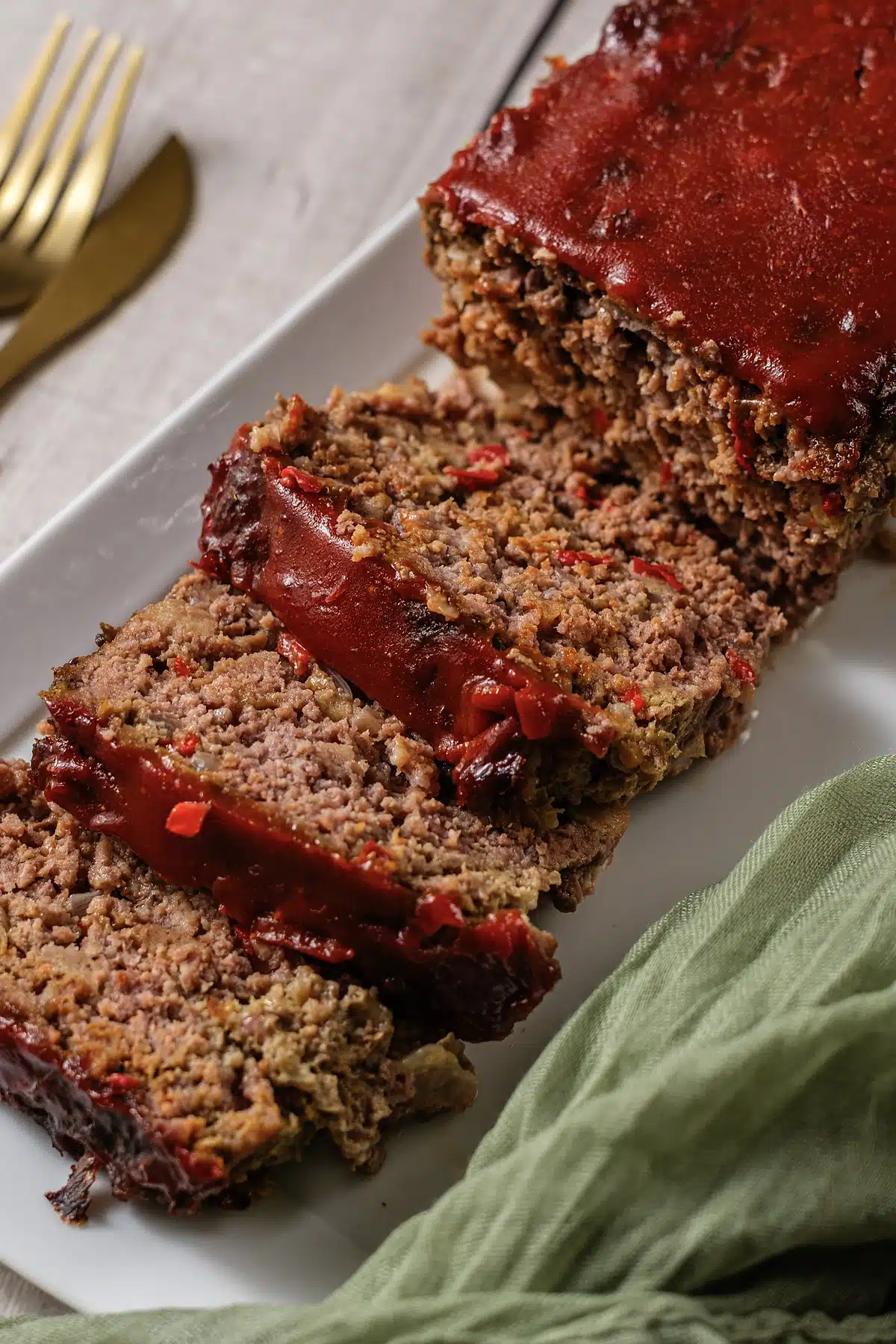
Cooked Cracker Barrel meatloaf keeps four days in the fridge in an airtight container. Store the loaf whole if you can and slice as you go, because cut faces dry out quickly. Frozen cooked slices keep three months.
Reheating is where most leftover Cracker Barrel meatloaf goes wrong. The microwave drives moisture out and leaves a rubbery slice. A covered skillet over medium-low heat with a spoonful of water or broth for five minutes is much better, and the bottom picks up a little crust in the process.
The oven works too: arrange slices in a dish, add a splash of broth, cover with foil, and warm at 300 degrees for about 15 minutes. Either way, the trick is added moisture and a lid, which is exactly what the restaurant kitchen does with a hotel pan.
Variations and Substitutions
Gluten-free crackers. Any buttery gluten-free round cracker works in the same quantity by weight rather than by sleeve. Weigh out about 85 grams.
Three meats. Swap half a pound of the beef for ground pork and half for veal. Many stores sell the blend pre-packaged as meatloaf mix. It is more tender and slightly sweeter.
No bell pepper. Leave it out entirely and add another quarter of an onion. Nothing else needs to change.
Bacon on top. Lay four strips lengthwise over the loaf before the first bake, then glaze over them. The bacon renders into the top and the glaze catches on the edges.
A sharper glaze. Replace two tablespoons of the ketchup with barbecue sauce, or add a teaspoon of apple cider vinegar and a few dashes of Worcestershire. Both cut the sweetness without thinning the mixture.
Muffin tin portions. Divide the mixture into a twelve-cup muffin tin, bake 20 minutes, glaze, and bake 10 minutes more. Portions are even, the edges caramelize, and the whole thing is done in half the time.
What to Serve with Cracker Barrel Meatloaf
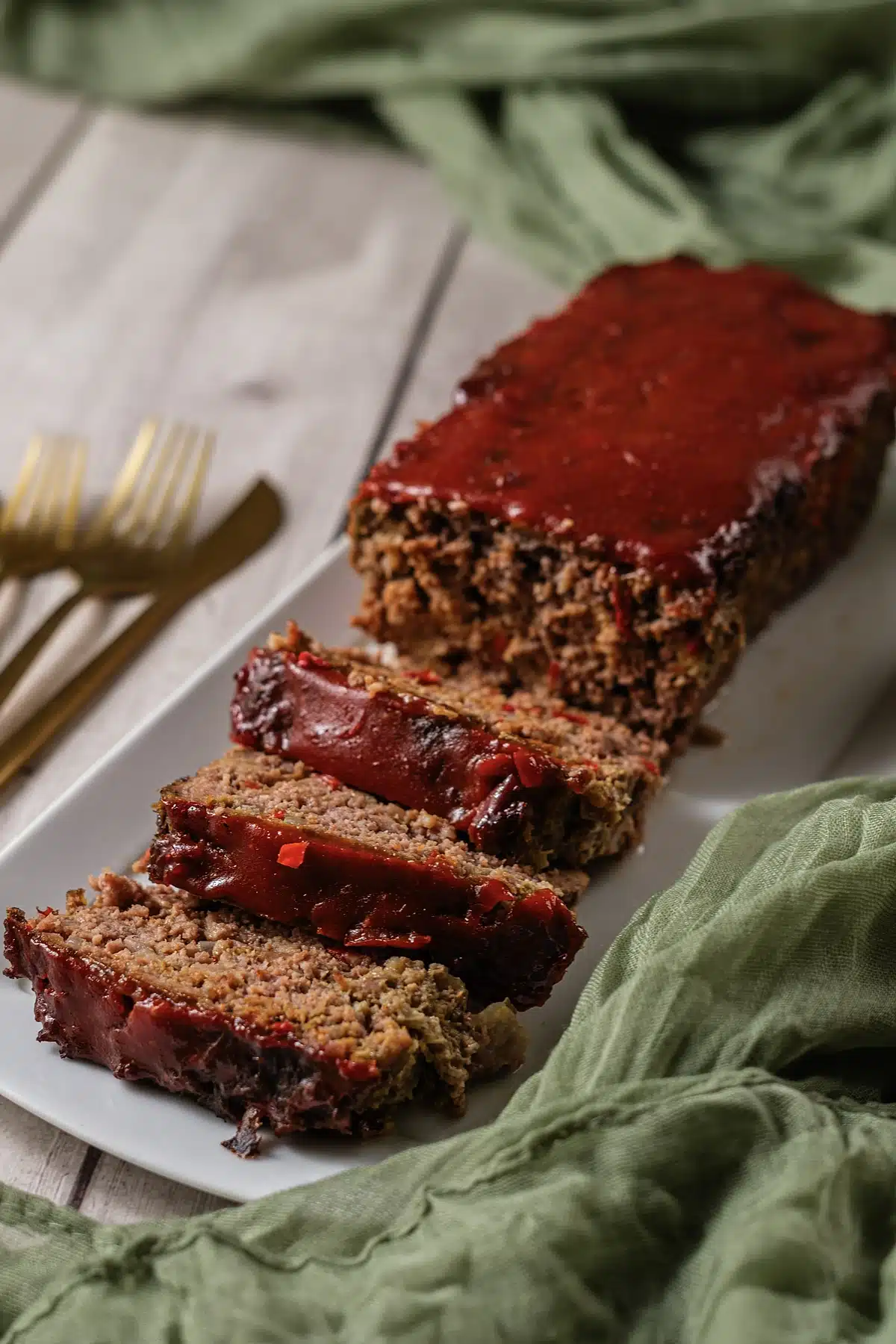
The restaurant plate is Cracker Barrel meatloaf plus two sides plus cornbread, and copying it is the most satisfying way to serve this. Start with creamy mashed potatoes, because the glaze wants something plain and starchy underneath it to spread into.
For the second side, choose something with acid or crunch rather than more richness. Green beans cooked with a little bacon, buttered corn, coleslaw or a plain tomato salad all work. If you would rather double down, cheesy ranch potatoes or garlic butter potatoes can share the same oven at 350 degrees while the loaf bakes.
Leftovers belong between two slices of soft white bread with mayonnaise and nothing else. Cold, not reheated. That sandwich is the actual reason to make two pounds of meatloaf for a household of three.
Cracker Barrel Meatloaf FAQ
Frequently Asked Questions
What are the ingredients in Cracker Barrel meatloaf?
Ground beef, crushed Ritz crackers, shredded sharp cheddar, eggs, milk, finely diced onion and green bell pepper, salt and black pepper. The topping is ketchup, brown sugar and yellow mustard. The crackers and the cheese are what make it recognizable.
Why is my meatloaf crumbly?
A crumbly Cracker Barrel meatloaf usually means too little binder or beef that is too lean. Two eggs and half a cup of milk for two pounds of meat is the working ratio, and 85 percent lean beef holds together where 93 percent will not. Slicing before the loaf has rested 15 minutes causes the same symptom.
Why is there liquid in the bottom of the pan?
That is rendered fat and it is normal in a loaf pan. Pour it off before you lift the loaf out. If there is a lot of it, your beef was fattier than 85 percent, or the onion was diced coarse enough to release water rather than soften into the mixture.
Can I make it without cheese?
You can, and a Cracker Barrel meatloaf without cheese is still good, but it will be noticeably drier. Add two extra tablespoons of milk and a tablespoon of olive oil to compensate for the fat you removed.
More Questions About Copycat Restaurant Dinners
Good to Know
What temperature should the oven be?
Three hundred and fifty degrees is the right compromise. Higher dries the outside before the middle is cooked, and lower stretches the bake past ninety minutes without improving anything.
Can I double it?
Yes. Bake two separate loaves rather than one enormous one; a double-height loaf takes so long to reach temperature in the middle that the outside overcooks. Two pans on the same rack are fine.
Should I cover it while baking?
No, not for the first stage. Bake uncovered so the surface dries enough for the glaze to grip. Tent it with foil only if the glaze is darkening too fast in the last ten minutes.
If a copycat dinner plate is what you are after, this sits in the same weeknight rotation as a Lipton onion soup meatloaf, which takes the opposite approach and leans on the soup packet instead of the crackers.
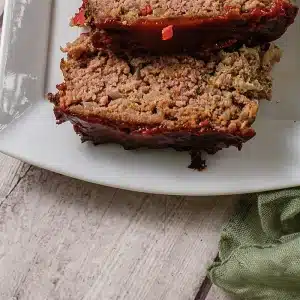
Cracker Barrel Meatloaf Copycat
Save this recipe
Enter your email and I’ll send this recipe straight to your inbox.
Ingredients
For the Meatloaf
- 2 pounds lean ground beef 85 percent lean
- 1 sleeve Ritz crackers crushed to coarse crumbs, about 30 crackers
- 1 cup sharp cheddar cheese shredded
- 2 large eggs
- 1/2 cup whole milk
- 1 small yellow onion finely diced
- 1/2 medium green bell pepper finely diced, optional
- 1 teaspoon kosher salt
- 1/2 teaspoon black pepper freshly ground
Sweet and Tangy Glaze
- 1/2 cup ketchup
- 1/4 cup light brown sugar packed
- 1 tablespoon yellow mustard
Equipment
- Loaf Pan
- Mixing bowls
- Parchment Paper or Foil
Instructions
Mix the Meatloaf
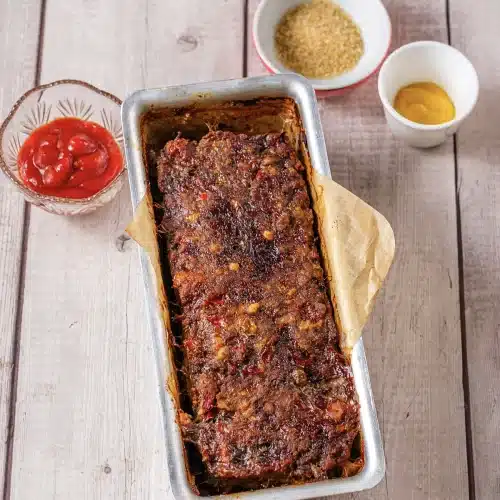
- Heat the oven and line the pan: Preheat to 350 degrees F (175 degrees C). Grease a 9x5-inch loaf pan and line it with parchment, leaving an overhang on the long sides so you can lift the loaf out. Stir the ketchup, brown sugar and yellow mustard together in a small bowl and set the glaze aside.
- Build the base: Whisk the eggs in a large bowl and stir in the milk. Add the crushed crackers, shredded cheddar, diced onion, diced bell pepper, salt and black pepper. Stir until the crumbs have soaked up the liquid and the mixture looks like a thick paste.
- Add the beef, briefly: Break the ground beef over the top and mix with your hands only until no dry cracker crumb is showing, about 30 seconds. Kneading past that point compacts the protein and makes the finished loaf springy.


Bake and Glaze
- Press and bake: Press the mixture evenly into the prepared pan and flatten the top. Bake uncovered for 30 minutes. It will still look pale at this stage, which is correct.
- Spread the glaze: Take the pan out and spread the glaze evenly over the top with the back of a spoon, right to the edges.
- Finish baking: Return the pan to the oven for another 30 to 40 minutes, until the center reads 155 degrees F (68 degrees C) on an instant-read thermometer. Tent loosely with foil if the glaze darkens faster than you would like.
Rest and Slice
- Rest, and do not skip it: Let the loaf rest in the pan for a full 15 minutes. Carryover heat takes it to 160 degrees F and the juices reabsorb, which is what lets it slice instead of crumble. Pour off any rendered fat.
- Lift and serve: Use the parchment overhang to lift the loaf onto a board, slice it about an inch thick, and serve warm with mashed potatoes and a green vegetable. Enjoy!