
If you inherited a Rival ice cream maker from a parent or picked one up at a yard sale for eight dollars, you already own the hard part. What is usually missing is the little printed booklet that told you how much ice, how much rock salt, and how long to leave the thing running.
This is the Rival ice cream maker guide I wish had come taped to the lid. It covers the ice and salt amounts straight from the manufacturer’s own manual, a chocolate custard scaled to fill a 4-quart can properly, and the three things that go wrong often enough to be worth naming. I am not affiliated with the brand, and nothing here replaces the booklet that shipped with your own machine.

- Four quarts at once, which is a birthday party rather than a bowl
- The motor shuts itself off when the batch is stiff, so nothing is guesswork
- No canister to remember to pre-freeze the night before
- Ice and rock salt cost about three dollars a run
- Parts are metal, plastic and one motor, so a machine from 1994 still works
- Brine gets colder than a compressor does, and colder means smoother


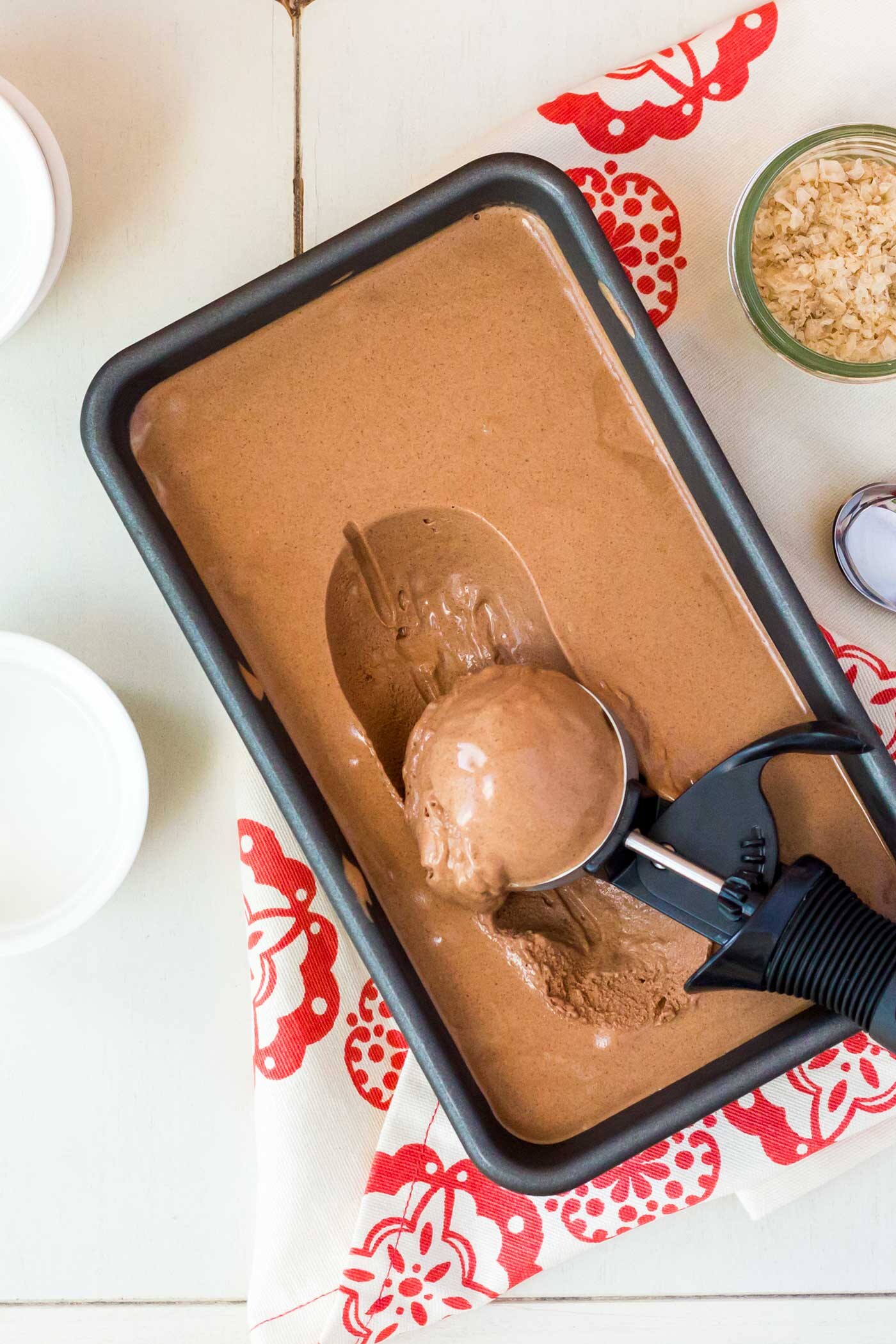
Everything below assumes the ice and salt style of machine, which is what most people mean when they say they have one of these.
- Which Rival Ice Cream Maker Do You Have?
- Ingredient Notes
- How Much Ice and Rock Salt a Rival Ice Cream Maker Needs
- How To Make Ice Cream in a Rival Ice Cream Maker
- How To Tell When the Ice Cream Is Done
- Hardening and Ripening: Make It Ahead
- Storing Ice Cream from a Rival Ice Cream Maker
- Variations and Substitutions
- What to Serve with It
- Rival Ice Cream Maker FAQ
Which Rival Ice Cream Maker Do You Have?
Rival is an American small-appliance brand, best known outside the freezer aisle for introducing the Crock-Pot in the early 1970s. A Rival ice cream maker has come in three quite different shapes over the years, and the instructions are not interchangeable.
Bucket machines that use ice and rock salt. Models 8704 and 8706 are the plastic-bucket versions, 4 quart and 6 quart. The Frozen Delights line and the old wooden bucket models work the same way: a metal can sits in a tub, brine surrounds it, and a motor drive on top turns the can while a fixed dasher scrapes it. This is the machine the rest of this guide is about.
Gel canister machines. The GC numbers, such as the GC8101 and the GC9155, use a double-walled canister that lives in your freezer for at least a day before you churn. No ice, no salt, no brine, and a much smaller batch, usually 1.5 to 2 quarts.
Soft serve dispensers. The Swirl Pro GC8250 and the Treat Shoppe machines churn and then push the ice cream out through a spout. Same base recipes, different hardware.
Not sure which one you own? Look for a drain hole near the top of the bucket. A drain hole means brine, which means ice and rock salt.
Save this recipe
Enter your email and I’ll send this recipe straight to your inbox.
Ingredient Notes
The can on a 4-quart Rival ice cream maker wants about 3 quarts of liquid base, because it must not be filled past three quarters. Exact amounts are in the recipe card below.
- Whole milk: five cups. Skim will churn, but the crystals come out coarse and it turns icy in two days.
- Heavy cream: four cups, added cold at the end. Fat is what keeps three quarts smooth in a home freezer.
- Eggs: four, beaten, tempered into the hot milk. They cook into a thin custard, which is the difference between homemade and grainy.
- Cornstarch: three tablespoons. The manufacturer’s own booklet uses all-purpose flour for the same job; cornstarch tastes cleaner and needs less time on the stove.
- Sugar: two cups, which sounds enormous until you remember this is three quarts. Sugar also lowers the freezing point, so the scoop stays soft.
- Cocoa and chopped chocolate: both. Cocoa carries the flavor and the melted chocolate carries the body.
- Rock salt: three cups. Not table salt, which dissolves too quickly and gives you a short, sharp cold snap instead of a long one.
- Crushed ice: plan on 17 pounds for the full cycle including hardening. That is three small bags, or a cooler emptied out.
Buy the ice on the way home rather than making it in trays. A Rival ice cream maker eats far more of it than anyone expects the first time.
How Much Ice and Rock Salt a Rival Ice Cream Maker Needs
These figures come from Rival’s own printed instructions for the 8704 and 8706. Follow them closely, because guessing at the salt is the most common reason a batch never sets.
- 4-quart machine: 3 cups of rock salt to churn, 2 more cups to harden, and 17 pounds of crushed ice for both stages together.
- 6-quart machine: 4 cups of rock salt to churn, 3 more to harden, and 25 pounds of crushed ice.
- Layer it, do not dump it. Start with a 2-inch bed of ice around the bottom of the bucket, then scatter roughly a quarter cup of salt evenly over that layer.
- Keep going with ice, salt, ice, salt, until the brine reaches the top of the turning can. Not over it, and not halfway up it.
- Top it up. Ice melts as you churn, so add more of both as the level drops, or the last ten minutes do nothing at all.
Salt does not make the ice cream salty. It melts the ice, and melting ice pulls heat out of the can far faster than dry cubes ever could. Too little salt and the brine in a Rival ice cream maker never gets cold enough; far too much and the outside freezes into a shell before the middle has moved.
How To Make Ice Cream in a Rival Ice Cream Maker
Cook the base the day before if you can. A warm base will churn eventually, but it burns through a great deal of ice getting there.
- First, whisk the sugar, cocoa, cornstarch and salt in a large saucepan, then pour in the milk gradually so no dry pockets survive.
- Next, cook over medium heat, stirring the whole time, until it thickens and just begins to bubble. Temper a cup of it into the beaten eggs, return the lot to the pan and cook one more minute.
- Then take it off the heat, stir in the chopped chocolate until it disappears, and chill the base until it is properly cold, at least four hours.
- After that, stir in the cold cream and the vanilla, pour the base into the can until it is three quarters full, fit the dasher and the cover, and set the can into the bucket of the Rival ice cream maker.
- Finally, lock on the motor drive, plug it in, and build the ice and salt up around the can in layers while it turns. Leave it for 25 to 40 minutes, until the motor labors and stops.
If the Motor Stalls or the Ice Jams
Large cubes wedge between the can and the bucket wall and stop the can turning while the motor keeps humming. Unplug it, twist the can by hand a few times to break the jam, and plug it back in. If it keeps happening, pour two cups of water into the bucket, which lets the ice settle and pack.
The opposite problem is a motor that never stops. That is almost always an under-filled can. Less than three quarters of the recommended volume gives the dasher too little to push against, so the load on a Rival ice cream maker never rises enough to trip the motor.
How To Tell When the Ice Cream Is Done
The machine tells you. When the churn is finished the can stops turning and the motor stalls, usually somewhere between 25 and 40 minutes depending on how cold your base was and how diligent you were with the ice.
Lifting the cover early? Look at the dasher. Done ice cream climbs the blades and holds a ridge; underdone ice cream slides straight back off them like a thick milkshake.
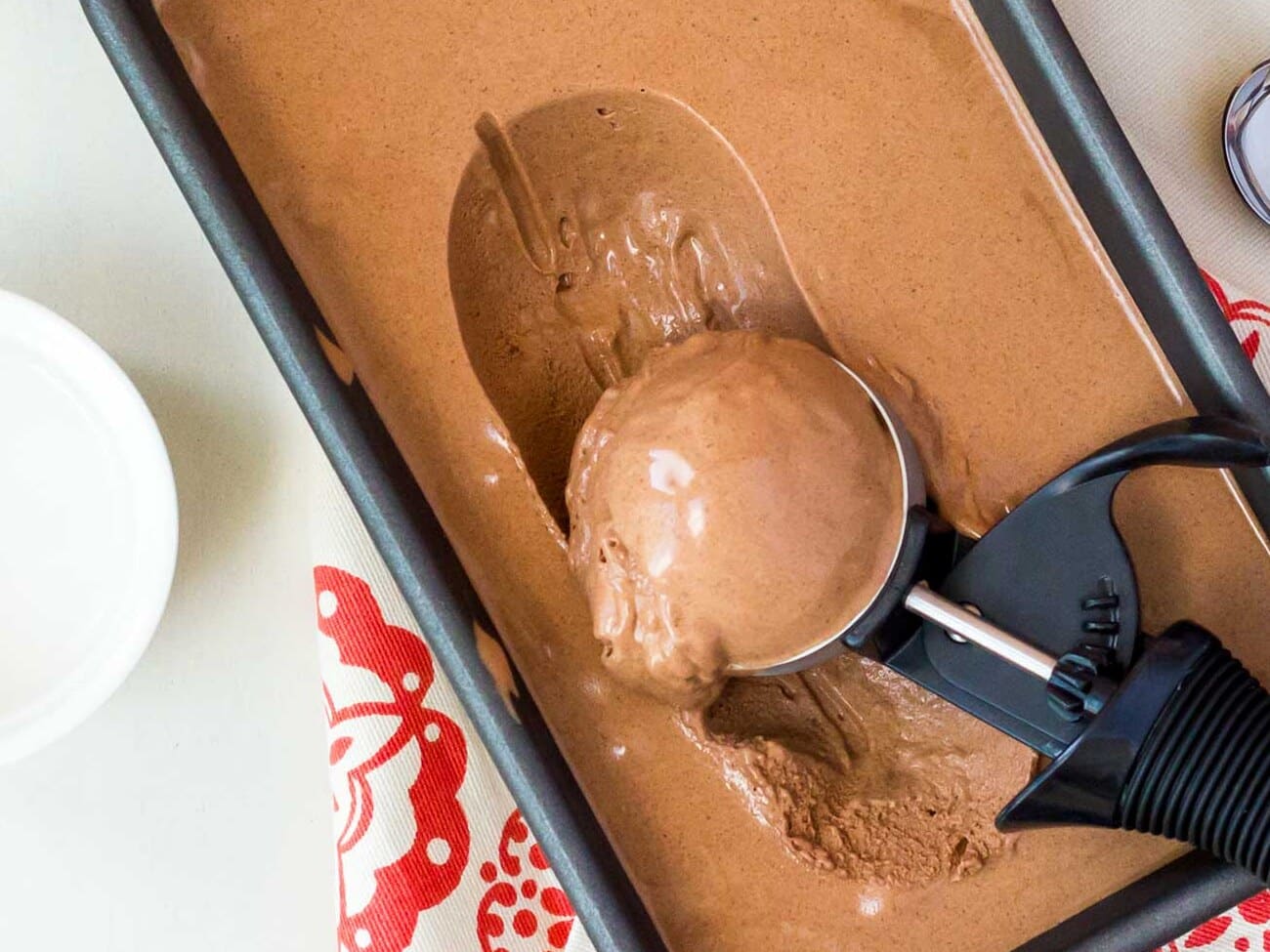
Texture at this stage should be soft serve rather than scoopable, and that is correct. Nothing that comes out of a Rival ice cream maker is ready to scoop straight away.
Wipe every grain of salt off the top of the can before you lift the cover. This is the moment most batches get ruined, and a single teaspoon of brine tipping in is enough to taste.
Hardening and Ripening: Make It Ahead
Hardening is the step people skip, and it is the one that turns what comes out of a Rival ice cream maker from soft serve into something you can actually scoop.
Pack the ice cream down firmly in the can, put the cover back on, and plug the hole in the cover with the rubber cork. Drain the old brine out through the drain hole, then rebuild ice and salt over the whole can, cover included. Two more cups of rock salt for a 4-quart Rival ice cream maker.
Wrap the bucket in a folded towel or a few sheets of newspaper and leave it for two to three hours. The texture keeps improving the whole time as the last of the water in the mix freezes out slowly.
The home freezer works too and is far less trouble: pack the can, cork the cover and give it several hours. Illinois Extension notes that a freezer at 0 degrees Fahrenheit or below holds frozen food safely, though quality still drifts over time, which is exactly why homemade ice cream is best inside a month.
Storing Ice Cream from a Rival Ice Cream Maker
- Transfer it: move the batch into shallow tubs rather than leaving it in the can, and leave 1/2-inch of headspace because it expands.
- Press the surface: plastic wrap directly on the ice cream, then the lid. Air is what builds those crunchy crystals on top.
- Freezer life: three to four weeks at best quality. It stays safe far longer, it just stops tasting like something you made.
- Before serving: ten minutes on the counter. A 4-quart batch comes out harder than store-bought, which has additives you do not.
- Never refreeze a tub that softened all the way through. It comes back grainy every single time.
Divide the batch across several small tubs rather than one enormous one, since every trip out of the freezer costs the whole container some texture.
Variations and Substitutions
The base is the recipe and everything after it is decoration. All of these work at the same 3-quart scale in a Rival ice cream maker.
- Old fashioned vanilla: leave out the cocoa and the chocolate, raise the sugar slightly and use two tablespoons of vanilla extract. This is the flavor the manufacturer’s booklet leads with.
- Cookies and cream: crumble 25 sandwich cookies into the can for the last two minutes of churning, not before.
- Coffee: four tablespoons of instant coffee whisked in with the sugar and cocoa at the start.
- Black walnut: two and a half cups of chopped black walnuts with a teaspoon of cinnamon, which is a genuinely old-fashioned church-social flavor.
- Lighter: swap 1% milk for the whole milk and half and half for the cream. It churns fine and eats a little thinner.
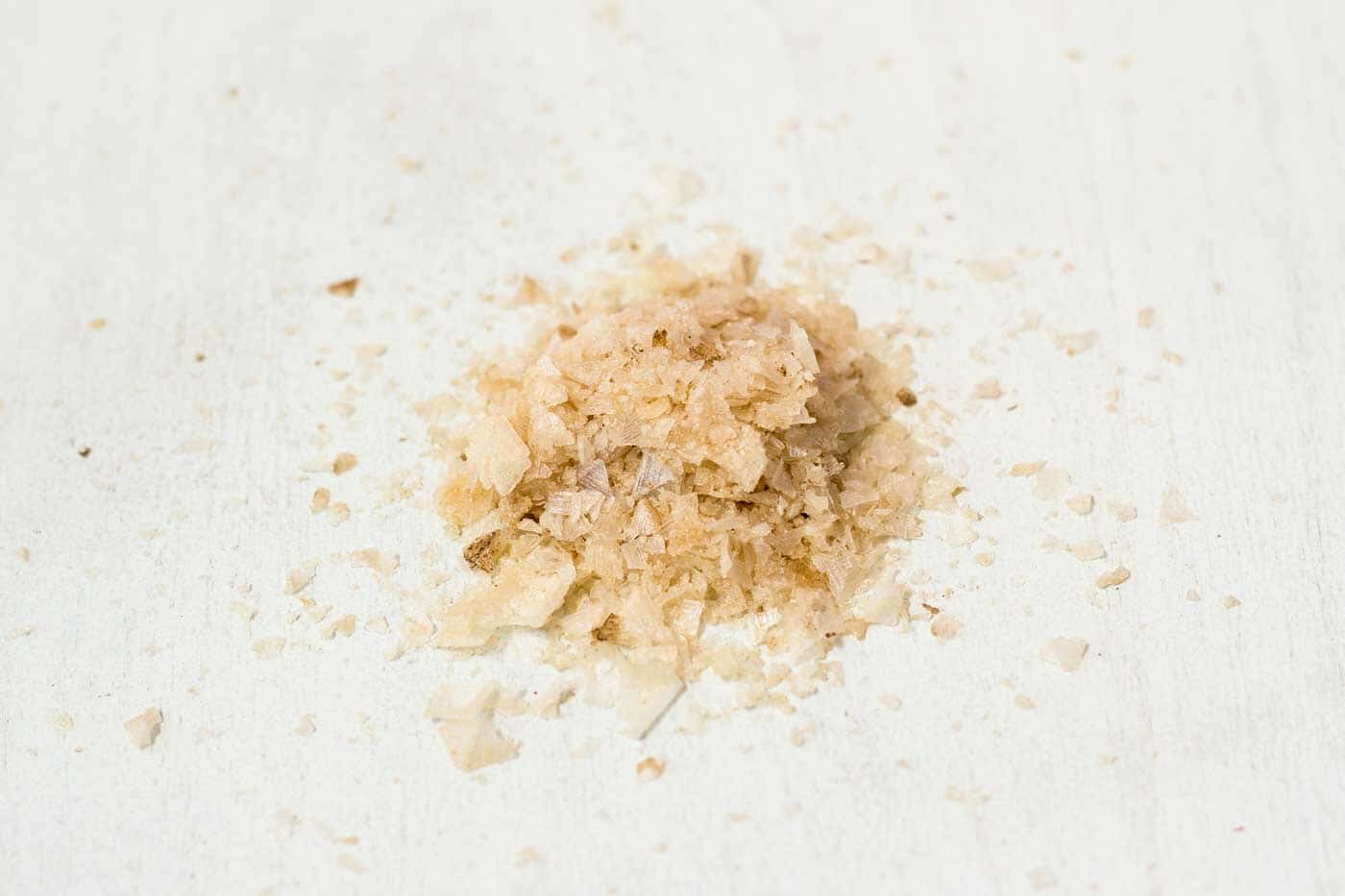
- Salted: finish scoops with flaky salt, the way my chocolate smoked salt ice cream does.
What to Serve with It
Three quarts is a lot, so a Rival ice cream maker wants a crowd and a table rather than a bowl in front of the television.
- Warm brownies or a sheet cake, because the temperature contrast is the entire point of a summer dessert.
- A second frozen dessert for contrast, such as kiwi grapefruit sorbet, which cuts the richness on a hot afternoon.
- Root beer, cream soda or cold brew poured over a scoop in a tall glass.
- Something no-bake for the people who do not want a second frozen thing, like this orange creamsicle cheesecake.
- A bowl of strawberry cantaloupe sorbet for anyone avoiding dairy, churned in the same can on a second run.
Here is what people ask most often once the machine is out of the garage.
Rival Ice Cream Maker FAQ
Frequently Asked Questions
How long does it take to make ice cream in a Rival ice cream maker?
Roughly 25 to 40 minutes of churning, and the machine decides. When the batch is stiff enough the can stops turning and the motor stalls. A cold base and a well packed bucket land at the short end of that range; a base that went in at room temperature can run past 40 minutes and still come out soft. Add two to three more hours if you are hardening it in the bucket rather than the freezer.
What is rock salt, and why do you need it?
Rock salt is coarse, unrefined sodium chloride sold in large crystals, the same thing spread on icy sidewalks. Its job is to melt the ice. Melting takes energy, that energy comes out of the brine, and the brine ends up well below the freezing point of plain water, which is the only way to pull a can of custard down to ice cream temperature.
Can I use table salt instead of rock salt?
You can, but coarse crystals are worth the two dollars. Table salt dissolves almost immediately, giving a brief burst of cold rather than the long steady chill a 40-minute churn needs, and the fine grains are far easier to spill into the can. If it is all you have, use about half the volume and be ready to add more.
What type of flour is used in most of the recipes?
All-purpose flour, and it appears in the recipes printed in the manufacturer’s own booklet, where it is cooked with the sugar and milk to thicken the base. It is a stabilizer, not a flavor. Cornstarch does the same job with less starchy taste and shorter cooking, which is what the card below uses instead.
More Questions About Ice, Salt and Cleanup
Good to Know
What makes ice cream creamy and thick?
Fat, sugar and small crystals, in that order. Cream and egg yolks coat the water so it cannot organize into large crystals, sugar lowers the freezing point so some of the mix stays liquid, and constant scraping keeps the crystals that do form tiny. Churning fast in very cold brine beats a slow machine every time.
Why did my batch stay soupy?
Almost always the salt or the ice. Either there was not enough salt in the layers, or the brine never came up to the top of the can, or nobody topped it up as the ice melted. The next most likely cause is a base that went in warm. Fix the ice and salt first, since that is free.
How do I clean a Rival ice cream maker without wrecking it?
The motor drive never goes in water and never needs oiling; wipe it with a damp cloth. The can, the cover and the dasher wash in hot soapy water by hand, not in the dishwasher. Towel dry the can rather than letting it air dry, or it spots, and leave the cover off until it is completely dry.
Can I make a half batch?
Not really, and this is the one hard rule. Filling the can much below three quarters means the dasher has nothing to work against, so the motor may never stall and you can run it flat until something gives. If you want less, borrow a smaller machine or plan on giving pints away.
Dig the machine out, buy more ice than you think you need, and let a Rival ice cream maker run until it quits on its own. For the grown-up version of the same custard, try my chocolate smoked salt ice cream.

Chocolate Ice Cream for a Rival Ice Cream Maker
Save this recipe
Enter your email and I’ll send this recipe straight to your inbox.
Ingredients
For the Chocolate Base
- 2 cups granulated sugar
- 1/2 cup unsweetened cocoa powder Dutch-process if you have it
- 3 tablespoons cornstarch or 6 tablespoons all-purpose flour, the way the old booklet does it
- 3/4 teaspoon fine sea salt
- 5 cups whole milk
- 4 large eggs beaten in a small bowl
- 8 ounces semisweet chocolate chopped small so it melts in the residual heat
- 4 cups heavy cream cold, stirred in just before churning
- 1 tablespoon vanilla extract
For the Bucket
- 17 pounds crushed ice covers churning and hardening on a 4-quart machine
- 5 cups rock salt 3 cups to churn and 2 more to harden
Instructions
Cook the Custard
- First, whisk the sugar, cocoa, cornstarch and salt together in a large saucepan while everything is still dry, then pour in the milk gradually so no floury pockets survive.
- Next, cook over medium heat, stirring constantly, for about 15 minutes, until the mixture thickens and just begins to bubble at the edges.
- Then stir roughly a cup of the hot mixture into the beaten eggs, pour that back into the pan, and cook one minute more. Take it off the heat and stir in the chopped chocolate until it disappears.
Chill and Churn
- After that, chill the base until it is properly cold, at least 4 hours and preferably overnight, then stir in the cold cream and the vanilla.
- Pour the base into the ice cream can until it is three quarters full and no further, since it expands as it freezes. Fit the dasher, then the cover, and lower the can into the bucket.
- Lock on the motor drive, stand the whole machine in the sink, plug it in, and build up 2-inch layers of crushed ice with about a quarter cup of rock salt scattered over each one until the brine reaches the top of the turning can. Leave it 25 to 40 minutes, until the motor labors and stops.
Harden and Serve
- Wipe every grain of salt off the top of the can before you lift the cover, because one teaspoon of brine tipping in ruins the batch. The ice cream should look like soft serve at this point, which is correct.
- Finally, pack it down, replace the cover with the rubber cork in the hole, drain the brine, rebuild ice and the remaining 2 cups of salt over the whole can, and wrap the bucket in a folded towel for 2 to 3 hours before serving.