
A basil gimlet is what happens when you stop treating a gimlet as a two-ingredient drink and let a herb do half the work. Gin, lime and a syrup steeped with basil, shaken hard and strained cold, and the whole thing takes about ninety seconds once the syrup exists.
This one goes a step further than most: an ounce and a half of fresh celery juice goes in with the gin, which is where the almost unreasonable color comes from. Nothing is dyed. A basil gimlet made this way lands somewhere between a cocktail and a cold savory drink, and it is the version I have made more often than any other.
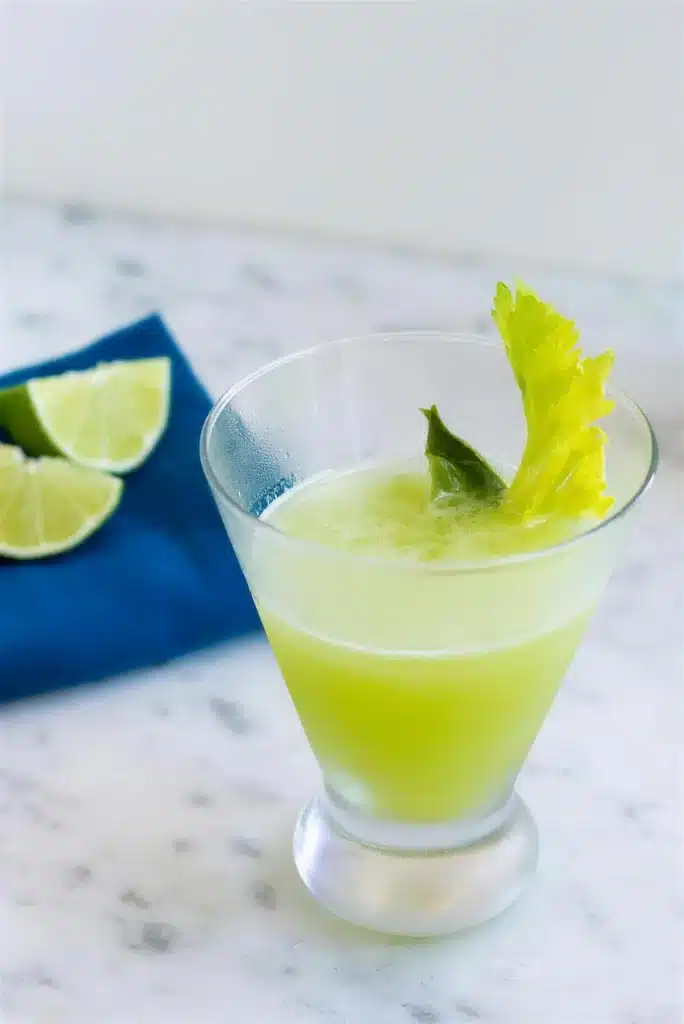
- Basil twice over, muddled in the shaker and steeped into the syrup
- The color is entirely natural, from celery and basil
- Savory without going anywhere near a bloody mary
- One batch of syrup covers a dozen drinks and keeps two weeks
- No juicer needed, there is a blender workaround in the FAQ
- Leave the celery out and you have the classic version, ratios included

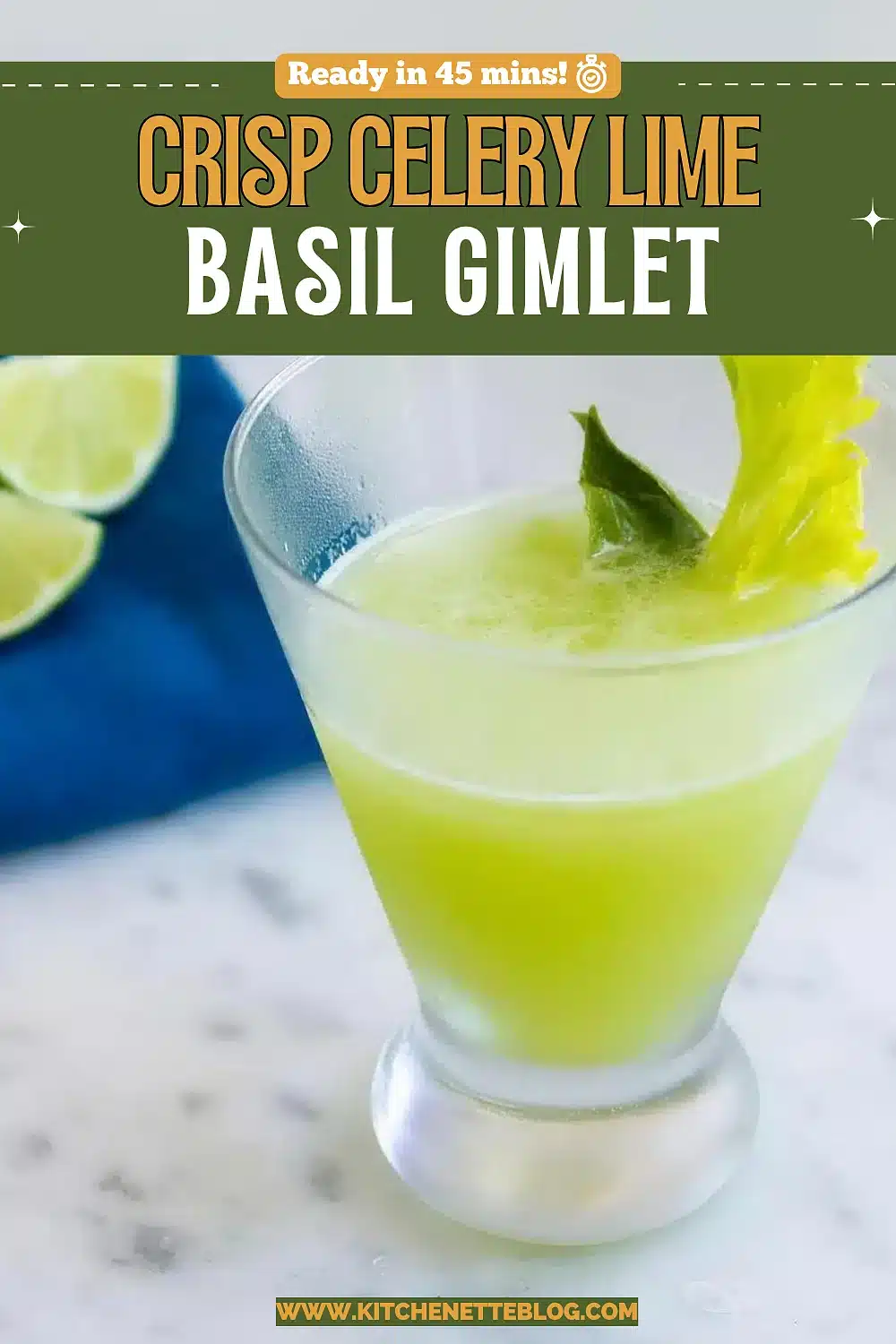
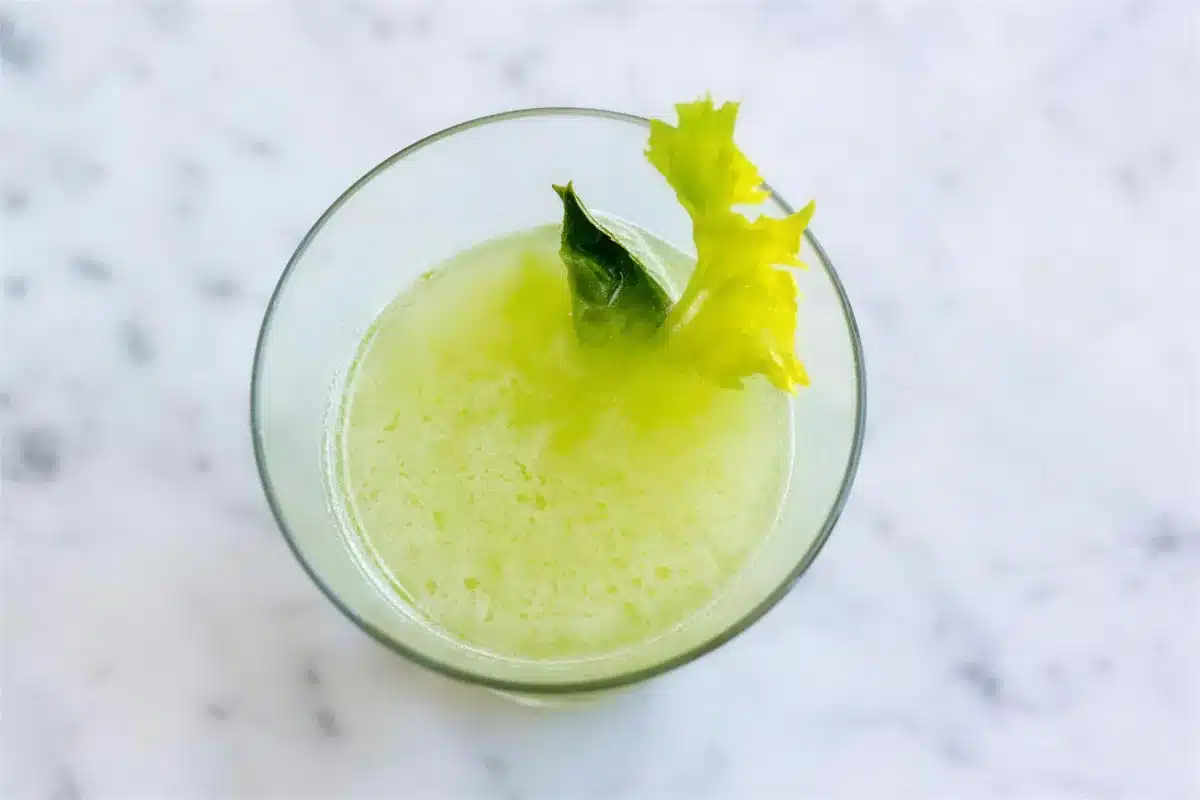
Everything below assumes a shaker, a fine strainer and a small pot.
- What Makes a Gimlet a Gimlet
- Why Celery Belongs in a Basil Gimlet
- Basil Gimlet Versus Basil Smash
- Ingredient Notes
- Making the Basil Simple Syrup
- How To Make a Basil Gimlet
- Getting the Shake Right
- Make It Ahead
- Storing Basil Gimlet Components
- Variations and Substitutions
- What to Serve with a Basil Gimlet
- Basil Gimlet FAQ
What Makes a Gimlet a Gimlet
The name covers a wider range of drinks than most people expect, and knowing the shape of it explains why a herb slots in so easily.
It is gin, lime and sugar, shaken and served up. That is the whole definition. The original used bottled lime cordial; the modern bar version uses fresh lime and simple syrup, which is what this recipe follows.
The sugar is where you get to be interesting. Swap plain syrup for one infused with something and the drink changes character completely without changing its structure. That is all a basil gimlet is.
It is shaken, not stirred. Citrus drinks need the aeration and the dilution; a stirred gimlet tastes flat and sharp at the same time.
It is served up, without ice. Ice in the glass keeps diluting a drink that was already diluted correctly in the tin.
Get those four right and everything after this is seasoning, which is where a basil gimlet starts.
Save this recipe
Enter your email and I’ll send this recipe straight to your inbox.
Why Celery Belongs in a Basil Gimlet
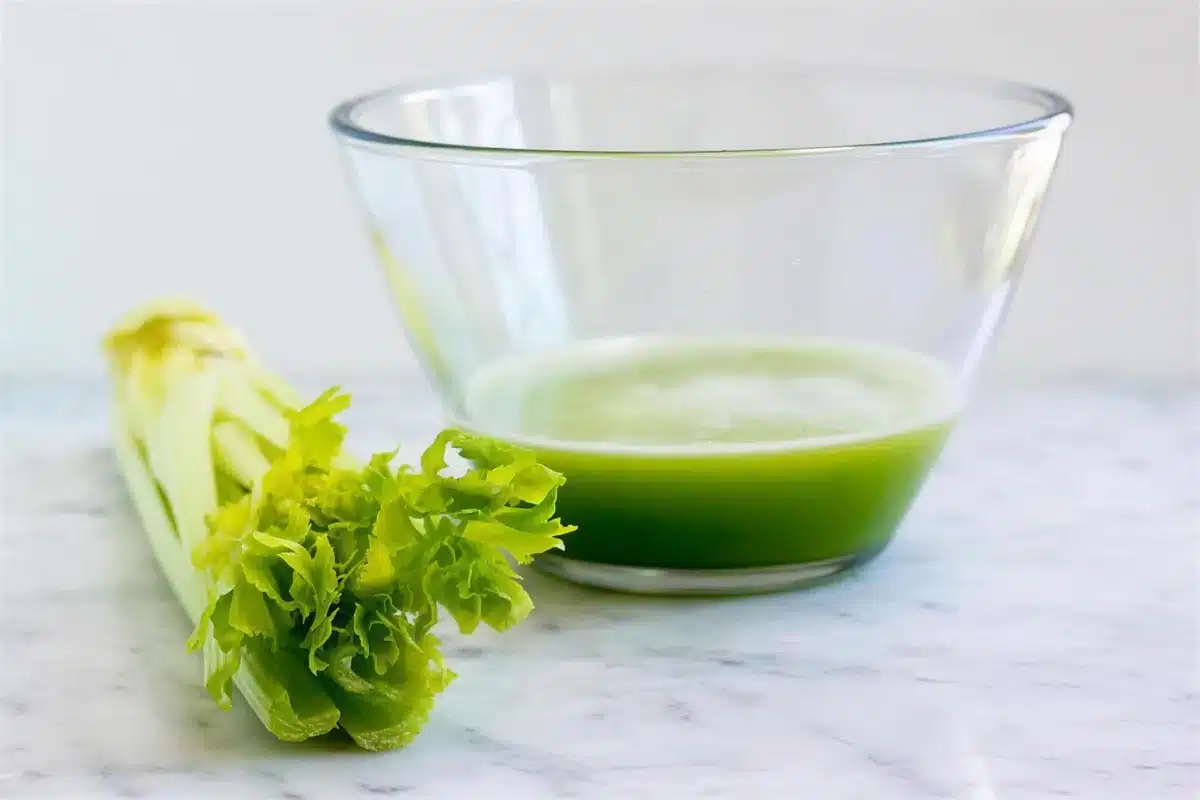
Celery is an odd thing to put in a cocktail if the only place you have met it is a bloody mary. Here it does something quite different.
It gives the drink a savory floor. Gin and lime are both bright and high; celery juice is green, faintly salty and low. The result reads as balanced rather than merely sour.
It carries the same aromatic family as the basil. Basil’s smell is dominated by linalool, the floral terpene alcohol also found across the mint and citrus families, and that overlap is why the two do not fight in the glass.
It is where the color comes from. Celery juice is a genuinely vivid green and it survives shaking with ice; muddled basil alone gives you flecks, not color.
And it makes the drink less sweet than it looks. An ounce and a half of vegetable juice dilutes the sugar without diluting the flavor.
Leave it out and this is still a basil gimlet, just a paler and sweeter one. The FAQ has the ratios for that version.
Basil Gimlet Versus Basil Smash
The two get used interchangeably on drinks lists and they are not the same drink at all.
A smash is built on muddled fruit and herb. A basil smash is gin, lemon, sugar and a whole handful of basil pounded hard, then shaken and poured over crushed ice with the debris left in. It is loud, cloudy and green.
A basil gimlet is filtered and precise. Lime rather than lemon, a small number of leaves pressed gently rather than pounded, an infused syrup doing most of the herb work, and a double strain so nothing solid reaches the glass.
The bitterness is the giveaway. Hard-muddled basil turns faintly bitter and olive within minutes, which a smash covers with sugar and crushed ice. A basil gimlet has nowhere to hide it, which is exactly why the syrup exists.
They want different glasses. A smash belongs in a rocks glass over ice. A gimlet is served up, cold and undiluted from that point on.
If you like the sound of the louder version, pound eight leaves with lemon instead of lime and skip the syrup.
Ingredient Notes
A basil gimlet needs six things and one of them you make yourself. Exact amounts are on the recipe card.
- London dry gin: 2 ounces. The juniper edge stands up to celery instead of vanishing under it. A softer contemporary gin gets swallowed whole.
- Fresh celery juice: an ounce and a half, which is three or four large stalks. Bottled celery juice tastes cooked and slightly bitter and will ruin this.
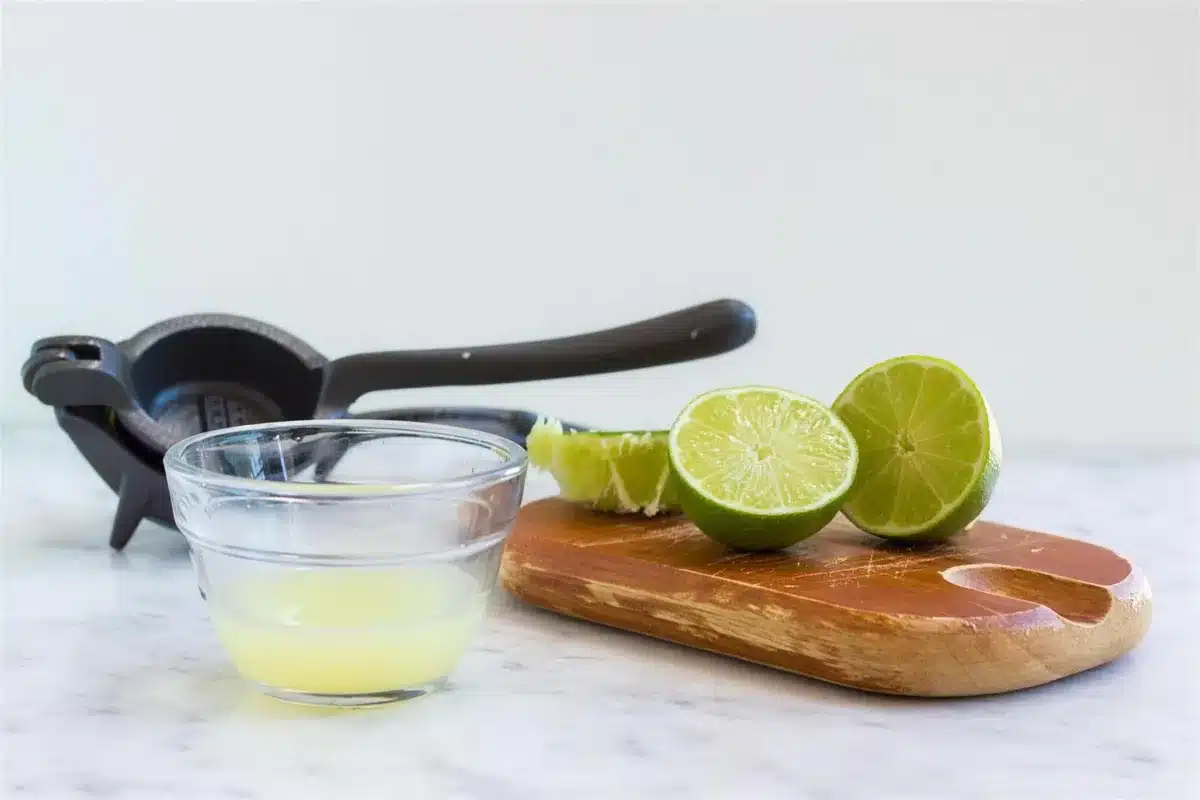
- Lime juice: half an ounce, squeezed to order. Bottled lime has a stewed note that a drink this clean shows up immediately.
- Basil simple syrup: half an ounce. Equal parts sugar and water steeped with whole sprigs off the heat, so it sweetens and perfumes at the same time.
- Fresh basil leaves: three, pressed gently in the shaker. Sweet Italian basil, not Thai, which pushes the drink toward anise.
- Celery leaf and a basil leaf to garnish: not decoration. You smell both of them before every sip, which is most of what a garnish is for.
If you own a juicer a basil gimlet is easier, and the FAQ covers the blender method if you do not.
Making the Basil Simple Syrup
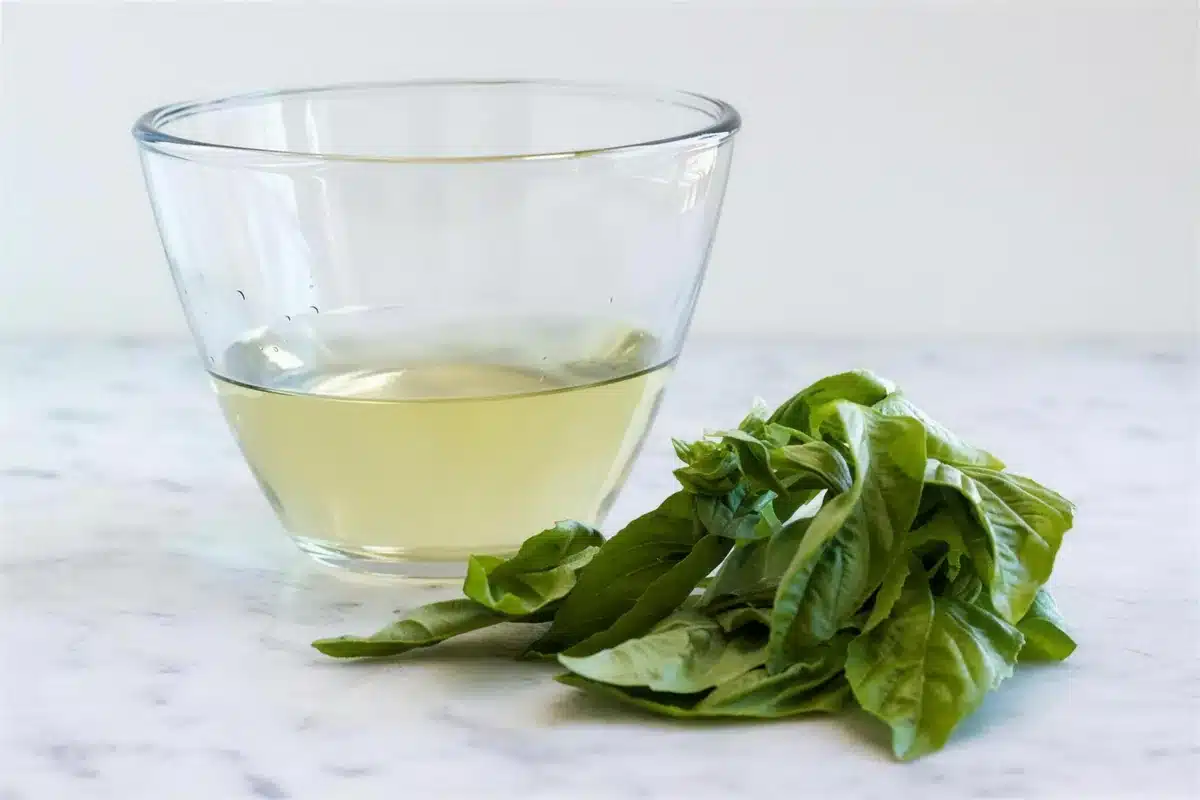
The syrup is the only part of a basil gimlet that takes any real time, and it is almost impossible to get wrong.
Warm, do not boil. Sugar and water over medium heat, stirring, only until it is clear and just trembling. A hard boil concentrates it and the drink goes syrupy.
The basil goes in off the heat. Hot syrup poured over basil cooks it and you get a stewed, grassy flavor instead of a fresh one. Take the pot off the burner first, then push the sprigs under.
Use the stems as well as the leaves. Most of the aroma is in the stems, and they do not discolor the way leaves do.
Thirty minutes of steeping as it cools is enough. Longer is not better; past an hour it turns faintly bitter.
Strain, then refrigerate. It keeps two weeks and darkens slightly, which is normal and does not affect the taste.
How To Make a Basil Gimlet
Assuming the syrup is made and cold, this is a ninety second drink.
- First, put a coupe or a small footed glass in the freezer while you set everything else out.
- Next, press the basil leaves gently against the base of the shaker with the lime juice, four or five turns and no more. Bruise them, do not shred them.
- Then fill the shaker with ice and add the gin, the celery juice and the basil syrup.
- After that, shake hard for 12 to 15 seconds, until the outside of the tin is frosted and uncomfortable to hold.
- Finally, double strain into the chilled glass and garnish with a celery leaf and a basil leaf.
Getting the Shake Right
A basil gimlet is a small drink with nothing to hide behind, so the shake matters more than it would in something sweeter.
Cold matters more than long. Twelve to fifteen seconds with plenty of ice. The moment the tin frosts and your fingers start to hurt, stop.
Use big ice, not crushed. Small ice melts fast and over-dilutes before the drink is properly cold.
Double strain. Pour through the shaker’s own strainer and a fine mesh sieve, so basil fragments and celery fiber stay behind.
Chill the glass while you work. A warm glass undoes a good shake within a minute, and this drink has no ice in it to compensate.
Shake no more than two at a time. Any more and the ice runs out of cooling power before the last drink is cold.
Make It Ahead
A basil gimlet has to be made to order. Everything that goes into it does not.
The basil syrup: two weeks. This is the component worth making on a Sunday.
Celery juice: the same day. It oxidizes fast and loses the fresh note within about 24 hours.
Lime juice: 6 to 8 hours refrigerated, after which it flattens noticeably.
Chill the glasses in the morning if you are having people over, and leave them in the freezer.
Never batch the finished cocktail. Once it has met ice it starts diluting, and the basil goes muddy within the hour.
Storing Basil Gimlet Components
- Basil simple syrup: 2 weeks in a sealed jar in the refrigerator. It darkens; that is normal.
- Celery juice: 24 hours maximum, in a full container with no air space above it.
- Lime juice: best inside 8 hours. Freeze it in an ice cube tray if you want longer.
- Basil leaves: stems in a glass of water on the counter, never the refrigerator, where they go black in a day.
- Freeze leftover syrup in cubes for up to 3 months and thaw a cube at a time.
Variations and Substitutions
The template behind a basil gimlet is spirit, citrus, herb syrup and a green juice. Almost every part of it moves.
- Vodka instead of gin for something cleaner and more juice-forward.
- Tarragon in place of basil in the syrup, which is remarkable with celery.
- Cucumber juice swapped for half the celery, for a softer and more garden-like drink.
- A pinch of salt in the shaker, which sharpens the celery noticeably. Worth trying once.
- Non-alcoholic: replace the gin with chilled sparkling water and add an extra squeeze of lime.
- Longer drink: build it over ice in a tall glass and top with soda.
For a different way to use up the rest of the bunch, my celery salad with parmesan treats celery as the main ingredient rather than a supporting one.
What to Serve with a Basil Gimlet
A basil gimlet is savory, cold and sharp, so it wants salt beside it.
- Olives or my spiced mixed nuts, which is what I reach for nine times out of ten.
- Anything off a grill, especially fish or chicken with lemon.
- Goat cheese on toast, where the herbs echo the basil in the glass.
- As the first drink of an evening, before the food arrives.
- Alongside a jug of blackberry sangria if you are pouring for a crowd and want an alternative.
- Or after a warm drink like my mulled pineapple cocktail, which is the same idea in the opposite season.
Here is what comes up whenever I make a basil gimlet for people.
Basil Gimlet FAQ
Frequently Asked Questions
How do I make celery juice without a juicer?
Blend three or four large stalks with a splash of water until completely pureed, then press the pulp through a fine mesh strainer with the back of a spoon. Pushing firmly rather than letting it drip gets noticeably more out of it, and three or four stalks give you roughly the ounce and a half a basil gimlet needs. Use it the same day; it flattens fast.
Can I make a classic basil gimlet without the celery?
Yes, and it is what most bars mean by the name. Drop the celery juice and rebalance to 2 1/2 ounces of gin, 3/4 ounce of lime juice and 3/4 ounce of basil syrup, with the same three muddled leaves. It comes out paler, rounder and a little sweeter. The celery version is savorier and, to my taste, more interesting, but both are correct.
Why does my gimlet taste dull?
Almost always an under-shake or a warm glass. Shake until the outside of the tin frosts and your hand aches, and chill the glass in the freezer while you prep. The other usual culprit is celery juice that has been sitting; a day old it goes flat and slightly bitter, and no amount of shaking brings it back.
More Questions About Gin and Basil
Good to Know
Which gin should I use?
A London dry with a firm juniper backbone. Beefeater, Tanqueray and Fords all work, and any of them will hold their own against the celery. Softer contemporary gins built around cucumber or rose disappear entirely here, and a barrel-aged gin fights the herb. If all you have is a floral gin, cut the celery juice back to an ounce.
Can I use dried basil in the syrup?
No. Dried basil loses the volatile aromatics that make this work and leaves a dusty, hay-like flavor behind. If fresh basil is genuinely unavailable, make a plain simple syrup and add two or three drops of a good basil extract at the end, or switch the herb entirely to fresh mint or tarragon, both of which are easier to find year round.
How much syrup does one batch make?
About three quarters of a cup, which is roughly twelve drinks at half an ounce each. It is not worth making less, and it keeps two weeks refrigerated, so a single Sunday batch covers most of a fortnight. Freeze what is left in an ice cube tray if you would rather not use it up.
Make the syrup once and a basil gimlet becomes a drink you can produce in a minute and a half. If you want the same savory instinct applied to food instead, my strawberry rose water fizz is the sweeter counterpart on the same shelf.
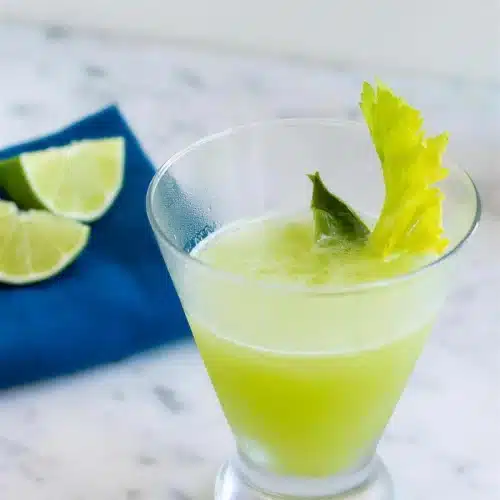
Basil Gimlet with Celery and Lime
Save this recipe
Enter your email and I’ll send this recipe straight to your inbox.
Ingredients
Basil Simple Syrup (makes about 3/4 cup)
- 1/2 cup granulated sugar
- 1/2 cup water
- 4 large basil sprigs leaves and stems, stems carry most of the aroma
The Gimlet
- 3 fresh basil leaves sweet Italian basil, not Thai
- 1/2 ounce fresh lime juice squeezed to order
- 2 ounces London dry gin
- 1 1/2 ounces fresh celery juice about 3 or 4 large stalks
- 1/2 ounce basil simple syrup from the group above, chilled
- 1 celery leaf top and a basil leaf to garnish
Instructions
Make the Basil Syrup
- Warm the sugar and water in a small pot over medium heat, stirring, until the sugar has dissolved and the syrup just trembles. Do not let it boil, which concentrates it and makes the finished drink cloying.
- Take the pot off the heat, push the basil sprigs under the surface and leave them to steep as the syrup cools, about 30 minutes. Strain, pressing the sprigs lightly, and refrigerate. It keeps 2 weeks and darkens slightly, which is normal.
Shake and Strain
- Chill a coupe or a small footed glass in the freezer. Press the 3 basil leaves gently against the base of the shaker with the lime juice, four or five turns only. Bruise them, do not shred them.
- Fill the shaker with large ice, add the gin, celery juice and basil syrup, and shake hard for 12 to 15 seconds, until the outside of the tin frosts.
- Double strain through the shaker's strainer and a fine mesh sieve into the chilled glass, so no basil fragments or celery fiber come through, and garnish with the celery leaf and a basil leaf.